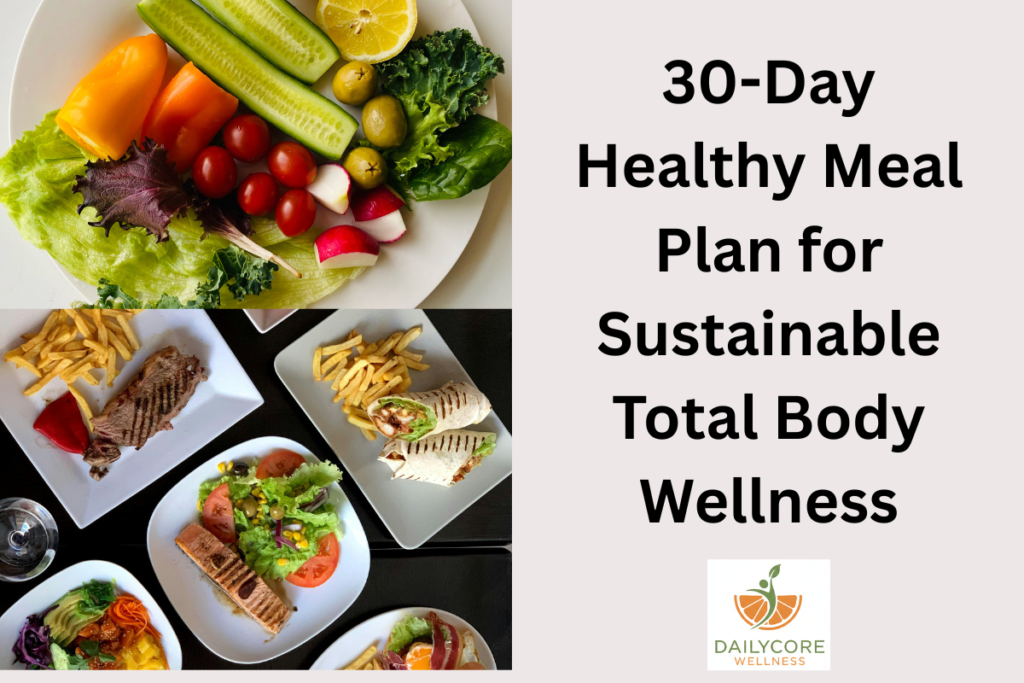
A 30-day healthy meal plan is not just a dietary schedule—it is a structured commitment to nourishing your body with intention, balance, and consistency. In today’s fast-paced environment, many individuals rely heavily on processed foods, irregular eating patterns, and convenience meals that often lack essential nutrients. Over time, these habits can contribute to fatigue, weight imbalance, weakened immunity, and poor digestive health.
Committing to a full 30 days of structured, nutrient-dense eating provides the body with enough time to adjust, reset, and respond positively to improved food choices. Unlike short-term diet trends that emphasize extreme restriction, a well-designed monthly meal plan focuses on sustainability. It emphasizes whole foods, portion balance, hydration, and consistency rather than deprivation.
Within 30 days, several positive physiological changes can begin to occur. Blood sugar levels may stabilize due to regular, balanced meals. Cravings for refined sugar and heavily processed foods may decrease as nutrient intake improves. Digestive health often becomes more efficient with increased fiber consumption. Energy levels tend to remain steady throughout the day rather than fluctuating dramatically.
Furthermore, a structured meal plan reduces daily decision fatigue. When meals are pre-planned, grocery shopping becomes organized, food waste decreases, and unhealthy, impulsive choices are minimized. The process fosters discipline while also encouraging creativity and variety in food preparation.
Week 1: Nutritional Reset and Clean Foundation
The first week focuses on eliminating excessive processed foods and establishing consistent meal timing. The emphasis is on whole, minimally processed ingredients rich in fiber, lean protein, and healthy fats.
Breakfast Focus
Breakfast during this week centers on stabilizing blood sugar and preventing mid-morning hunger. Options include oatmeal topped with chia seeds and berries, vegetable omelets with spinach and tomatoes, or Greek yogurt paired with nuts and fresh fruit. These meals combine protein and fiber to provide sustained energy and reduce cravings.
Lunch Structure
Lunches consist of lean proteins such as grilled chicken or baked fish, paired with complex carbohydrates like brown rice or quinoa, and a generous portion of steamed or roasted vegetables. The aim is to fuel the body adequately for the remainder of the day without causing sluggishness.
Dinner Approach
Dinners are lighter but still nutrient-dense. Meals such as vegetable stir-fries with tofu, baked salmon with asparagus, or lentil and vegetable soup provide essential nutrients while supporting digestion and restful sleep.
Week 1 Objective
Establish hydration habits—consume 6–8 glasses of water daily—and significantly reduce refined sugar intake.
Week 2: Macronutrient Balance and Portion Awareness
During the second week, attention shifts toward achieving balanced macronutrient distribution in every meal.
Balanced Plate Strategy
Each main meal should consist of:
-
Half a plate of vegetables
-
One-quarter lean protein
-
One-quarter whole grains or complex carbohydrates
Healthy fats such as avocado, olive oil, or nuts are included in moderate portions.
Sample Meals
Breakfast may include scrambled eggs with whole-grain toast or a smoothie containing spinach, banana, and protein powder. Lunch options include quinoa bowls with grilled chicken and vegetables or mixed bean salads with olive oil dressing. Dinner choices feature baked chicken breast with roasted vegetables or shrimp stir-fry with brown rice.
Week 2 Objective
Improve portion control and reduce sodium intake by limiting processed sauces and packaged foods.
Week 3: Dietary Diversity and Nutrient Expansion
Week three emphasizes variety to prevent nutrient gaps and maintain interest in the meal plan.
Expanding Protein Sources
Rotate between poultry, fish, legumes, eggs, tofu, and lean beef. This ensures a broad intake of amino acids, iron, omega-3 fatty acids, and plant-based nutrients.
Incorporating Color Diversity
Aim to consume vegetables of multiple colors daily—dark leafy greens, orange carrots, red bell peppers, purple cabbage, and more. Different colors represent different antioxidants and phytonutrients essential for cellular protection.
Sample Rotations
Breakfast options may include overnight oats, protein smoothies, or mushroom omelets. Lunches can feature tuna salads, chickpea bowls, or turkey wraps. Dinners may include grilled fish with sweet potatoes or lentil curries with brown rice.
Week 3 Objective
Consume at least five different vegetables and three different protein sources throughout the week.
Week 4: Habit Reinforcement and Sustainable Flexibility
The final week focuses on reinforcing habits while allowing moderate flexibility.
Smart Flexibility
Incorporate one controlled-treat meal per week without overindulging. This reduces feelings of restriction and supports long-term adherence.
Meal Prep Mastery
Prepare grains, proteins, and chopped vegetables in advance for quicker assembly. This reduces stress and encourages consistency even during busy days.
Light and Restorative Dinners
Focus on easily digestible meals such as vegetable soups, grilled fish, or tofu stir-fries to promote quality sleep and recovery.
Week 4 Objective
Build confidence in independent meal planning and develop strategies for maintaining healthy habits beyond 30 days.
Core Principles Throughout the 30 Days
-
Prioritize whole, minimally processed foods.
-
Include protein in every main meal.
-
Increase fiber intake through vegetables, fruits, and whole grains.
-
Stay hydrated consistently.
-
Limit added sugars and excessive sodium.
-
Practice mindful eating and portion awareness.
-
Maintain consistency over perfection.
Understanding Caloric Awareness Without Obsessive Restriction
In addition, one of the most misunderstood aspects of a 30-day healthy meal plan is calorie awareness. While it is true that calorie balance influences weight management, focusing obsessively on numbers can create stress and an unhealthy relationship with food. Instead of rigid counting, the goal should be calorie consciousness.
Caloric awareness means understanding portion sizes, recognizing high-density foods, and ensuring meals are nutrient-rich rather than empty in calories. For example, 400 calories from fried snacks will not nourish the body the same way 400 calories from grilled salmon, quinoa, and vegetables will. During your 30-day plan, prioritize foods that provide vitamins, minerals, fiber, and protein alongside energy. This approach supports metabolic efficiency, hormonal balance, and sustained satiety without mental burnout.
The Importance of Meal Timing and Metabolic Rhythm, 3rd April 2026
Meal timing plays a significant role in how effectively your body utilizes nutrients. Eating at consistent intervals helps regulate blood sugar levels, prevent extreme hunger, and maintain energy stability throughout the day. When meals are skipped, the body may respond with intense cravings and overeating later.
A structured 30-day meal plan encourages a predictable eating rhythm—breakfast within a reasonable time after waking, balanced lunch mid-day, light yet nourishing dinner, and strategic snacks if needed. This rhythm supports metabolic efficiency and digestive comfort. Over time, the body adapts positively to routine, making hunger cues more predictable and manageable.
Hydration as a Foundational Pillar
Hydration is often underestimated in meal planning discussions, yet it directly impacts digestion, nutrient absorption, circulation, and appetite regulation. Many people mistake dehydration for hunger, leading to unnecessary snacking.
During your 30-day healthy meal plan, aim to drink water consistently throughout the day rather than consuming large amounts at once. Herbal teas and water-rich foods such as cucumbers, oranges, and watermelon can contribute to hydration levels. Proper hydration enhances metabolic processes, supports kidney function, and improves skin health, making it a critical yet simple wellness strategy.
Building a Balanced Grocery Strategy for Success
A successful 30-day meal plan begins long before cooking—it starts at the grocery store. Strategic grocery planning prevents impulsive purchases and ensures your kitchen is stocked with wholesome ingredients.
Divide your shopping list into categories: lean proteins, whole grains, healthy fats, fresh produce, and smart snacks. Avoid shopping while hungry, as this increases the likelihood of buying processed or sugary items. Buying in weekly cycles ensures freshness while minimizing waste. When nutritious foods are easily accessible at home, consistency becomes effortless rather than forced.
Managing Cravings and Emotional Eating
Cravings are natural, especially during the first week of transitioning into healthier eating patterns. However, understanding the root cause of cravings is essential. Sometimes they stem from nutrient deficiencies, irregular meal timing, stress, or emotional triggers rather than genuine hunger.
A well-structured 30-day meal plan reduces cravings by including sufficient protein, fiber, and healthy fats in each meal. Additionally, practicing mindful eating—slowing down, chewing thoroughly, and eating without distractions—helps you differentiate between emotional desire and physical hunger. Addressing emotional triggers through stress management techniques like walking, journaling, or deep breathing can further support dietary consistency.
Incorporating Cultural and Personal Food Preferences
A 30-day meal plan should never feel foreign or disconnected from your lifestyle. Incorporating culturally familiar foods increases sustainability. For instance, adapting traditional dishes using healthier preparation methods—grilling instead of frying, steaming instead of deep-cooking, reducing excess oil—allows you to maintain enjoyment while improving nutritional quality.
Personalization is key. A plan that respects taste preferences and cultural identity is far more likely to succeed long-term than one that imposes unfamiliar foods without flexibility.
The Role of Fiber in Digestive and Metabolic Health
Fiber is a cornerstone of any effective healthy meal plan. It supports digestive regularity, stabilizes blood sugar levels, lowers cholesterol, and enhances satiety. Unfortunately, many modern diets fall short in fiber intake due to excessive refined carbohydrates.
Over the 30 days, gradually increase fiber through vegetables, fruits, legumes, oats, brown rice, and seeds. However, increase intake progressively and pair it with adequate water to avoid digestive discomfort. A fiber-rich diet strengthens gut health, which in turn influences immunity and even mood regulation.
Protein Optimization for Muscle Maintenance and Satiety
Protein is not only essential for athletes—it is crucial for everyone. Adequate protein intake supports muscle repair, enzyme production, immune defense, and hormonal balance. It also promotes fullness, reducing the likelihood of overeating.
Throughout the 30-day meal plan, distribute protein evenly across meals rather than concentrating it in one sitting. Eggs at breakfast, legumes or poultry at lunch, and fish or tofu at dinner ensure steady amino acid availability for bodily functions. This balanced approach supports metabolism and preserves lean body mass.
The Psychological Benefits of Structured Meal Planning
Beyond physical health, structured meal planning provides psychological clarity. Knowing what you will eat reduces daily stress and decision fatigue. It builds confidence and self-discipline, reinforcing a sense of accomplishment each day you follow through.
The 30-day structure also encourages reflection. By tracking meals and noticing how certain foods make you feel—energized, bloated, satisfied, sluggish—you develop nutritional awareness. This awareness empowers long-term behavioral change beyond the initial plan.
Sleep, Recovery, and Nutritional Synergy
Nutrition and sleep are deeply interconnected. Heavy, high-fat, or high-sugar meals late at night can disrupt sleep quality, while balanced dinners support recovery and hormonal regulation.
During your 30-day plan, prioritize lighter evening meals rich in lean protein and vegetables. Magnesium-rich foods like leafy greens and seeds may also support relaxation. When sleep improves, appetite-regulating hormones such as leptin and ghrelin function more effectively, making healthy eating easier.
Long-Term Sustainability Beyond 30 Days
The ultimate purpose of a 30-day healthy meal plan is habit formation. Thirty days provide enough time to establish a routine, recognize improvements in energy and digestion, and reduce reliance on processed foods.
Rather than viewing the plan as a temporary challenge, treat it as foundational training. Continue rotating recipes, maintaining grocery planning habits, and practicing balanced portions. Sustainability is achieved not through perfection, but through consistency, flexibility, and ongoing commitment to nourishment.
Conclusion
Perhaps the most significant transformation is behavioral. Planning meals fosters intentional decision-making rather than reactive eating. Grocery shopping becomes strategic, portion sizes become more intuitive, and food preparation becomes an act of self-care rather than an obligation.
Importantly, this 30-day framework is not about rigid perfection. It encourages flexibility, cultural adaptation, and personal preference while maintaining nutritional integrity. The structure provided over these four weeks equips you with the confidence and skills necessary to continue healthy eating long after the initial 30 days conclude.
When consistency replaces extremes, health becomes sustainable. Each balanced meal becomes a small investment in long-term vitality. By embracing this 30-day healthy meal plan as a foundation rather than a finish line, you create a powerful pathway toward lifelong wellness, resilience, and vibrant living.
rough consistency, flexibility, and ongoing commitment to nourishment.