Dental hygiene indeed plays a vital role in maintaining overall health and preventing serious oral diseases. Proper oral care goes far beyond brushing your teeth once or twice a day. It involves consistent habits, preventive care, and informed decisions that support the health of your teeth, gums, and mouth. Without an effective routine, plaque buildup, gum inflammation, and tooth decay can quickly develop, leading to long-term complications that affect both comfort and confidence.
In modern health discussions, dental hygiene indeed has become increasingly recognized as a critical part of preventive healthcare. Poor oral hygiene has been linked to various systemic conditions, including cardiovascular disease, diabetes complications, and respiratory infections. This connection highlights the importance of maintaining a clean and healthy mouth not only for aesthetic reasons but also for protecting overall wellness.
Many individuals underestimate the impact that daily oral care habits have on their long-term health. Dental hygiene indeed requires attention to detail, consistency, and the right combination of tools and techniques. Simple actions such as proper brushing, flossing, and regular dental checkups can significantly reduce the risk of cavities, gum disease, and tooth loss over time.
Establishing a structured oral hygiene routine helps ensure that preventive measures become part of everyday life. When practiced consistently, dental hygiene indeed supports stronger teeth, healthier gums, fresher breath, and improved confidence. Understanding the fundamentals of effective oral care is the first step toward building habits that produce lasting health benefits.
Understanding the Importance of Dental Hygiene Indeed
Dental hygiene indeed forms the foundation of oral health by preventing the buildup of plaque and harmful bacteria in the mouth. Plaque is a sticky film that develops on teeth after eating and drinking. If not removed regularly, it hardens into tartar, which can only be removed through professional dental cleaning. This buildup increases the risk of cavities, gum inflammation, and periodontal disease.
Maintaining proper dental hygiene indeed also protects the gums, which play a critical role in supporting and stabilizing teeth. Healthy gums act as a protective barrier against bacteria entering the bloodstream. When oral hygiene is neglected, gum tissue becomes inflamed, leading to conditions such as gingivitis and periodontitis. These conditions can eventually cause tooth loss if left untreated.
In addition to physical health benefits, dental hygiene indeed contributes to improved self-confidence and social comfort. Clean teeth, healthy gums, and fresh breath enhance personal presentation and reduce anxiety in professional and social settings. Investing time in proper oral care routines ensures long-term oral stability and reduces the need for costly dental procedures later in life.
Building an Effective Oral Care Routine
Creating a reliable oral care routine requires a combination of daily habits and professional dental care. Dental hygiene indeed begins with proper brushing techniques using fluoride toothpaste and a soft-bristle toothbrush. Brushing should be performed at least twice daily to remove plaque and food particles from tooth surfaces and along the gumline.
Flossing is another essential component of dental hygiene, indeed, because it cleans areas between teeth that toothbrush bristles cannot reach. These tight spaces often trap food debris and bacteria, which can lead to cavities and gum irritation. Regular flossing prevents plaque accumulation and supports healthier gums.
Professional dental visits further strengthen an oral care routine. Dentists and hygienists can detect early signs of tooth decay, gum disease, and other oral health issues before they become severe. Routine cleanings remove hardened plaque and provide an opportunity for personalized advice on improving oral hygiene practices.
Combining consistent daily habits with periodic professional care ensures that dental hygiene indeed remains effective over the long term. When individuals commit to structured routines, they significantly reduce the likelihood of serious oral health complications.
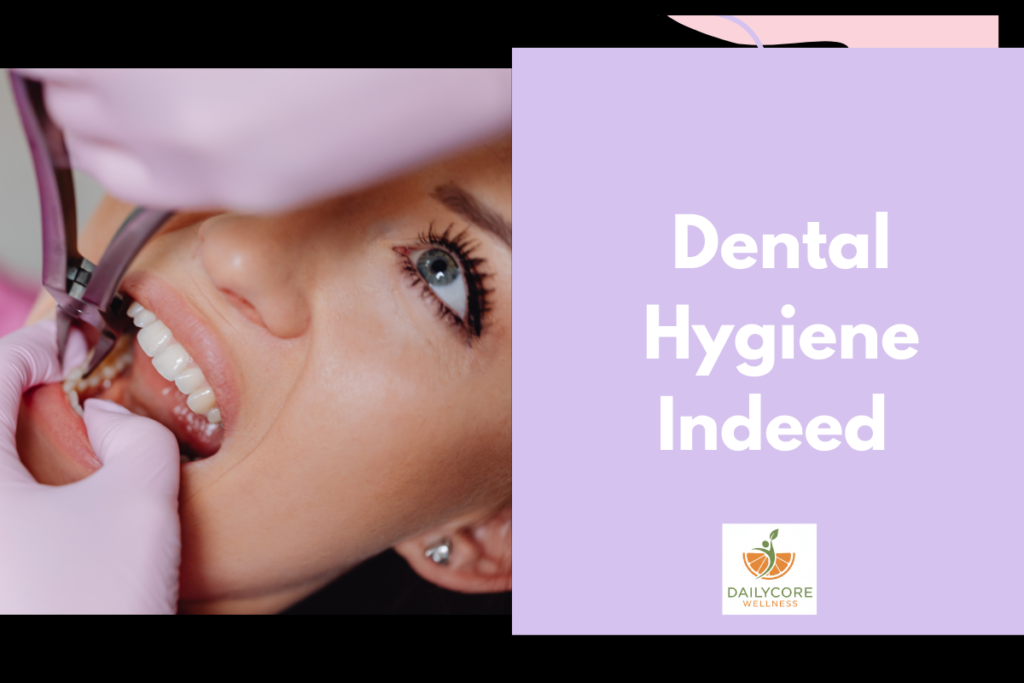
Dental Hygiene Indeed and Its Benefits for Healthy Tooth
1. Brush Teeth with Proper Technique
Effective brushing is the cornerstone of dental hygiene, indeed, and should be performed carefully using the correct technique. Many people brush quickly or apply excessive pressure, which can damage enamel and irritate gum tissue. Instead, a soft-bristled toothbrush should be used in gentle circular motions to clean all surfaces of the teeth.
Brushing should last at least two minutes to ensure thorough plaque removal. It is important to reach the outer surfaces, inner surfaces, and chewing areas of each tooth. Special attention should be given to the gumline, where plaque tends to accumulate. Replacing toothbrushes every three to four months also ensures that bristles remain effective.
When practiced consistently, proper brushing removes harmful bacteria and helps prevent cavities, gum disease, and bad breath. Dental hygiene indeed depends on these small daily practices that protect teeth from gradual damage and decay.
2. Floss Daily to Remove Hidden Plaque
Flossing plays a crucial role in dental hygiene, indeed, because toothbrush bristles cannot effectively clean between tightly spaced teeth. Food particles and plaque often become trapped in these areas, creating an ideal environment for bacterial growth and cavity formation.
Daily flossing removes this hidden debris and helps maintain healthier gum tissue. The floss should be gently guided between teeth and curved around each tooth to clean beneath the gumline. Aggressive flossing should be avoided, as it can irritate sensitive gum tissue.
Individuals who maintain a consistent flossing habit often experience fewer cavities between teeth and reduced gum inflammation. Dental hygiene indeed improves significantly when flossing becomes a regular part of daily oral care routines rather than an occasional practice.
3. Use Fluoride Toothpaste
Fluoride toothpaste is a key component of dental hygiene indeed because fluoride strengthens tooth enamel and helps protect against decay. Enamel is the outer protective layer of the teeth, and once it becomes weakened, cavities can develop more easily.
Fluoride works by remineralizing enamel and reversing early stages of tooth decay before cavities form. Regular brushing with fluoride toothpaste provides a protective barrier against the acids produced by bacteria in the mouth. This protection is especially important for individuals who frequently consume sugary or acidic foods.
Using the appropriate amount of toothpaste and brushing twice daily ensures maximum effectiveness. Dental hygiene indeed benefits from this simple yet powerful ingredient that significantly improves tooth durability and resistance to decay.
4. Maintain a Balanced Diet for Oral Health
Nutrition directly influences dental hygiene, indeed, because the foods consumed each day affect both teeth and gums. Diets high in sugar and processed carbohydrates promote bacterial growth that leads to plaque buildup and tooth decay.
A balanced diet rich in vegetables, fruits, lean proteins, and dairy products provides essential nutrients that strengthen teeth and support gum health. Calcium, vitamin D, and phosphorus are particularly important for maintaining strong enamel and bone structure.
Limiting sugary snacks and acidic beverages also reduces the risk of enamel erosion and cavity formation. By making mindful dietary choices, individuals support their dental hygiene efforts and reinforce the protective mechanisms that keep teeth strong and healthy.
5. Drink Plenty of Water Throughout the Day
Water plays an essential role in supporting dental hygiene, indeed, by helping wash away food particles and bacteria after meals. Staying hydrated also promotes saliva production, which acts as the mouth’s natural defense system against harmful microbes.
Saliva neutralizes acids produced by bacteria and helps remineralize tooth enamel. When the mouth becomes dry, bacterial growth increases, raising the risk of cavities and gum irritation. Drinking water consistently throughout the day helps maintain the natural balance of the oral environment.
Choosing water instead of sugary beverages further reduces exposure to harmful sugars that contribute to plaque buildup. Dental hygiene indeed benefits greatly from this simple habit that supports both oral cleanliness and overall health.
6. Replace Toothbrushes Regularly
A worn toothbrush cannot effectively remove plaque and bacteria from tooth surfaces. Dental hygiene indeed requires replacing toothbrushes every three to four months to ensure that bristles remain firm and properly shaped.
Over time, toothbrush bristles become frayed and lose their ability to reach small spaces between teeth. Using a worn brush reduces cleaning efficiency and may leave plaque behind. Additionally, bacteria can accumulate on old toothbrushes if they are not replaced regularly.
Maintaining a schedule for toothbrush replacement ensures that oral care tools remain effective. This simple maintenance habit strengthens dental hygiene indeed practices and supports more thorough daily cleaning.
7. Schedule Regular Dental Checkups
Professional dental visits are a critical part of dental hygiene indeed because dentists can detect early signs of oral disease before they become severe. Regular examinations allow professionals to identify cavities, gum inflammation, and other concerns that may not be visible to the individual.
Dental cleanings performed during checkups remove hardened tartar that cannot be eliminated through brushing or flossing alone. These cleanings restore smooth tooth surfaces and reduce bacterial buildup along the gumline.
Routine visits also provide an opportunity for personalized guidance on improving oral hygiene habits. Dental hygiene indeed becomes far more effective when professional oversight complements daily at-home care.
8. Avoid Tobacco Products
Tobacco use has a severe negative impact on dental hygiene, indeed. Smoking and chewing tobacco stain teeth, damage gum tissue, and significantly increase the risk of oral cancer. These substances also reduce blood flow to the gums, slowing healing and increasing vulnerability to infections.
Individuals who use tobacco often experience persistent bad breath, gum recession, and tooth discoloration. Over time, these effects compromise the stability of the teeth and overall oral health.
Avoiding tobacco products greatly improves dental hygiene and outcomes. Eliminating these harmful substances protects gum health, reduces disease risk, and helps maintain a cleaner and healthier mouth environment.
9. Use Antibacterial Mouthwash
Mouthwash serves as an additional tool for maintaining dental hygiene, indeed, by reducing bacteria that brushing and flossing may miss. Antibacterial mouth rinses help control plaque formation and minimize the risk of gum disease.
Using mouthwash after brushing and flossing provides a final cleansing step that reaches difficult areas of the mouth. It also helps freshen breath and maintain a balanced oral environment throughout the day.
Although mouthwash should not replace brushing or flossing, it enhances the effectiveness of a complete oral care routine. Dental hygiene indeed benefits when multiple protective measures work together to maintain oral cleanliness.
10. Stay Consistent with Daily Habits
Consistency is the most important factor in maintaining dental hygiene, indeed. Even the best oral care tools and techniques will not produce results if they are used irregularly. Daily habits create the foundation for long-term oral health.
Establishing structured routines ensures that brushing, flossing, and mouth rinsing become automatic parts of everyday life. Over time, these habits significantly reduce plaque buildup, prevent gum disease, and strengthen enamel.
Individuals who remain consistent with their oral care routines often experience fewer dental problems and maintain healthier smiles throughout their lives. Dental hygiene indeed thrives when discipline and routine reinforce preventive care.
11. Limit Sugary Snacks Between Meals
Frequent sugar intake promotes bacterial growth and acid formation, undermining dental hygiene indeed.
Limiting sugary snacks and replacing them with healthier alternatives reduces enamel erosion and cavity risk. Timing sugar consumption with meals rather than snacking protects teeth by allowing saliva to neutralize acids more effectively. Consistent dietary awareness reinforces dental hygiene indeed.
12. Chew Sugar-Free Gum After Meals
Chewing sugar-free gum stimulates saliva production, which naturally cleanses teeth. Dental hygiene indeed benefits from this practice as saliva neutralizes acids and reduces plaque accumulation.
Gum containing xylitol also inhibits bacterial growth, offering additional protection. When used strategically after meals, sugar-free gum supports overall oral health and complements existing dental hygiene routines.
13. Avoid Excessive Alcohol Consumption
Alcohol can dry out the mouth, reducing saliva flow and increasing bacterial activity. Dental hygiene indeed is compromised when oral dryness becomes chronic.
Limiting alcohol preserves natural saliva production, helping maintain a balanced oral environment. Individuals who moderate their intake reduce the risk of cavities, gum irritation, and bad breath. Dental hygiene indeed improves when oral moisture balance is maintained consistently.
14. Monitor for Signs of Gum Disease
Early detection is crucial for dental hygiene indeed. Symptoms such as redness, swelling, bleeding, or receding gums indicate potential gum disease.
Prompt attention prevents progression to periodontitis and tooth loss. Routine self-checks and professional evaluation strengthen preventive care. Individuals who monitor their oral health reinforce the effectiveness of their dental hygiene practices.
15. Incorporate Tongue Cleaning
The tongue harbors bacteria that contribute to bad breath and plaque. Dental hygiene indeed is enhanced by daily tongue cleaning.
Using a scraper or toothbrush gently removes buildup, preventing bacterial growth and improving overall oral cleanliness. This practice complements brushing and flossing, reinforcing a comprehensive dental hygiene routine.
16. Use Dental Tools Appropriately
Specialized tools like interdental brushes or water flossers enhance dental hygiene indeed by reaching areas traditional methods may miss.
Proper selection and technique ensure safe and effective cleaning, particularly for individuals with braces, bridges, or implants. These tools supplement brushing and flossing, supporting long-term oral health and reinforcing preventive care.
17. Educate Family Members on Oral Care
Teaching children and family members proper dental hygiene indeed ensures habits start early and continue consistently.
Modeling correct brushing, flossing, and dietary choices establishes a culture of oral health. Knowledge sharing reinforces preventive care and reduces common dental problems across households. Dental hygiene indeed benefits from education and consistent guidance.
18. Limit Acidic Beverages
Frequent consumption of acidic drinks like soda and citrus juices erodes enamel. Dental hygiene indeed is compromised when acids weaken tooth structure.
Drinking these beverages in moderation, using a straw, and rinsing with water afterward mitigates damage. Maintaining enamel integrity strengthens teeth and supports long-term oral health.
19. Prioritize Sleep and Stress Management
Poor sleep and high stress affect immune response and can exacerbate gum inflammation. Dental hygiene indeed is influenced by overall lifestyle factors.
Consistent rest and stress reduction improve healing, reduce inflammation, and maintain gum stability. Supporting oral health holistically reinforces the effectiveness of daily dental hygiene routines.
20. Track and Adjust Oral Care Habits
Monitoring and adjusting oral care habits ensures dental hygiene indeed remains effective as needs change.
Using journals, apps, or reminders helps maintain consistency, identify areas needing improvement, and adapt routines for optimal results. Awareness and adjustment empower individuals to sustain preventive care over the long term.
Conclusion
Dental hygiene indeed represents one of the most important investments individuals can make in their long-term health. The condition of the mouth influences not only the strength and appearance of teeth but also the health of the entire body. By prioritizing consistent oral care habits, individuals significantly reduce the risk of cavities, gum disease, and other preventable conditions.
Professional dental care further strengthens these efforts by identifying potential issues early and removing hardened plaque that cannot be addressed at home. Regular checkups ensure that dental hygiene indeed remains effective and adaptable as individual oral health needs change over time.
Ultimately, the key to long-term oral health lies in consistency. When individuals commit to reliable routines and remain dedicated to proper dental care, they create sustainable habits that preserve their smiles for years to come. Dental hygiene indeed rewards persistence, patience, and a proactive approach to preventive health.
Share this:
- Share on Facebook (Opens in new window) Facebook
- Share on X (Opens in new window) X
- Share on WhatsApp (Opens in new window) WhatsApp
- Share on Threads (Opens in new window) Threads
- Share on LinkedIn (Opens in new window) LinkedIn
- Share on Telegram (Opens in new window) Telegram
- Email a link to a friend (Opens in new window) Email
- Share on Pinterest (Opens in new window) Pinterest