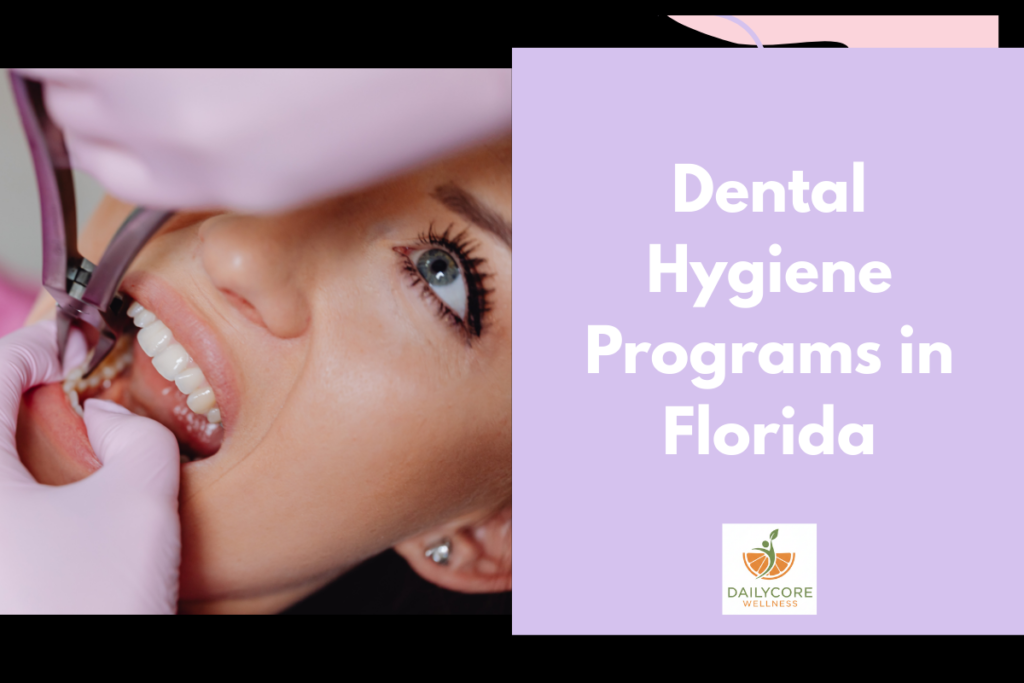
Dental hygiene programs in Florida prepare aspiring oral health professionals for careers as licensed dental hygienists through accredited education, clinical training, and licensure preparation. These programs are offered by community colleges, state colleges, and select institutions across the state, providing prospective students with structured curricula that combine science instruction, hands‑on clinical experience, and professional development tailored to Florida’s healthcare environment. Prospective candidates seeking dental hygiene programs in Florida should understand the key components of the curriculum, accreditation, and licensure requirements to make informed decisions about their educational paths.
Accreditation is a critical factor when evaluating dental hygiene programs in Florida because graduates must sit for the National Board Dental Hygiene Examination and the Florida State Licensing Examination to practice legally in the state. Most reputable programs are accredited by the Commission on Dental Accreditation (CODA) of the American Dental Association, ensuring that the curriculum meets rigorous educational standards required for professional competence and qualification for licensure. Accreditation also influences eligibility for financial aid, transferability of credits, and confidence in the quality of training provided.
In Florida, dental hygiene programs typically culminate in an Associate of Science (A.S.) degree, with some institutions offering pathways to bachelor’s completion for licensed hygienists seeking advanced career opportunities. Examples include programs at Miami Dade College, Florida SouthWestern State College, State College of Florida, and Pensacola State College, all structured to deliver a blend of theoretical coursework and supervised clinical practice. Each program’s admission criteria, curriculum sequencing, and clinical requirements may differ, so careful planning and early preparation are essential for prospective students.
Understanding the statewide landscape of dental hygiene programs in Florida also involves recognizing the competitiveness of limited‑enrollment seats, prerequisite coursework, GPA expectations, and application timelines. Aspiring hygienists should research each program’s specific requirements and preparatory expectations to strengthen their applications. This foundation sets the stage for a successful career in dental hygiene, anchored in strong academic preparation and professional readiness.
Accredited Dental Hygiene Degree Options in Florida
Accredited dental hygiene programs in Florida focus on preparing students for licensure and competent entry into the oral health workforce. Most programs grant an Associate in Science (A.S.) degree, which serves as the standard educational pathway for entry‑level dental hygienists across the United States. Graduates of these accredited programs are eligible to sit for the National Board Dental Hygiene Examination as well as the Florida State Licensing Examination—both essential credentials required to practice as a licensed dental hygienist in the state. Accreditation by the Commission on Dental Accreditation (CODA) is the hallmark of quality assurance, ensuring programs meet national standards for curriculum, clinical experience, faculty qualifications, and student outcomes.
Florida’s dental hygiene programs integrate foundational academic coursework with rigorous clinical training. Course content typically includes dental anatomy, radiography, periodontal therapy, infection control, public health dentistry, and practice management—all designed to cultivate both technical proficiency and professional judgment in oral healthcare settings. Clinical components provide supervised, hands‑on experiences where students apply classroom knowledge to real patient care under licensed dental professionals. These cumulative hours of clinical practice are critical to building competence in patient examination, preventive services, and ethical practice. Graduates emerge prepared for diverse roles in private practice, community clinics, public health agencies, and educational environments.
Advanced and Specialized Pathways for Dental Hygienists
While the Associate in Science (A.S.) is the predominant credential for aspiring dental hygienists in Florida, advanced and specialized educational pathways also exist to expand career opportunities. One notable option is the Bachelor of Applied Science (B.A.S.) in Dental Hygiene offered by certain institutions, such as St. Petersburg College ― the first bachelor’s degree program in dental hygiene in the state. This degree completion track is tailored to licensed dental hygienists seeking leadership, education, management, or public health roles beyond clinical practice.
These advanced pathways often build on the clinical foundation of the A.S. degree and provide coursework in advanced periodontal concepts, healthcare systems, risk management, and professional communication. By pursuing a bachelor’s degree, licensed hygienists can position themselves for roles in administration, sales, community program coordination, and academic instruction. Importantly, the bachelor’s program may be delivered fully online, accommodating working professionals balancing education with ongoing clinical practice.
Beyond degree pathways, dental hygiene students in Florida can engage in continuing education and professional development sponsored by organizations such as the Florida Dental Hygiene Association and the American Dental Hygienists’ Association. These opportunities supplement formal education and support lifelong learning in an ever‑evolving healthcare field. Advanced certifications, workshops, and specialty trainings further contribute to expanded competencies and career advancement.
Comprehensive Guide to Dental Hygiene Programs in Florida, 6th September 2026
“1. Research Program Accreditation and Outcomes”
Understand whether a dental hygiene program is accredited by the Commission on Dental Accreditation (CODA) of the American Dental Association. Accreditation is essential because it determines eligibility to take the National Board Dental Hygiene Examination and the Florida State Licensing Examination, which are prerequisites for licensure to practice dental hygiene in Florida. Accredited programs have met proven standards for curriculum, clinical experiences, faculty qualifications, and educational quality. Additionally, review each program’s licensure pass rates and retention outcomes to assess educational effectiveness and future career success potential. High pass rates often indicate strong preparation and support for students throughout the program.
“2. Complete Required Prerequisites Before Applying”
Many dental hygiene programs in Florida require students to complete specific general education and science prerequisites, such as anatomy and physiology, chemistry, and microbiology. These foundational courses build essential knowledge and are often required before a program application is considered. Completing these prerequisites with strong grades strengthens your application and ensures you are academically prepared for the rigors of dental hygiene coursework. Start planning early, consult with academic advisors, and verify the required courses and GPA criteria for each program you wish to apply to.
“3. Prepare for Competitive Admissions”
Dental hygiene programs often have limited enrollment due to clinical resource constraints and accreditation standards. As a result, admission can be competitive, with selection based on GPA, prerequisite completion, letters of recommendation, dental field experience, and interview performance. Strengthen your application by excelling academically, gaining dental or healthcare experience, and thoroughly preparing application materials. Some schools may also require standardized test scores or observation hours, so understand all criteria well in advance of deadlines.
“4. Schedule Clinical and Lab Commitments”
Dental hygiene programs include mandatory clinical and laboratory components where you gain real‑world experience under supervision. These hands‑on training hours are critical for developing practical skills in patient assessment, prophylaxis, radiography, and infection control. Be prepared for a significant time commitment beyond traditional classroom lectures. Effective time management, professional conduct, and proactive clinical engagement help ensure you maximize each experience and build confidence as a future dental hygienist.
“5. Familiarize Yourself with Licensure Requirements”
After completing an accredited dental hygiene program, you must pass the National Board Dental Hygiene Examination and the Florida State Licensing Examination to become a licensed dental hygienist. Understanding licensure prerequisites, application processes, and examination formats early helps you plan effectively. Stay informed about state board requirements, examination schedules, and any documentation needed for licensure application. This foresight prevents last‑minute hurdles and ensures a smooth transition from education to professional practice.
“6. Seek Financial Planning and Support”
Dental hygiene education involves tuition, fees, uniforms, instrument kits, liability insurance, and possibly travel for clinical placements. Create a budget that includes all anticipated costs and explore financial aid options such as scholarships, grants, student loans, and work‑study programs. Many schools offer financial counseling services or scholarships specific to healthcare professions. Planning financially helps reduce stress and allows you to focus on academic success and professional development.
“7. Engage in Professional Networking”
Networking with dental professionals, faculty, and peers enhances your educational journey and builds career connections. Join student chapters of professional organizations, attend dental health events, and participate in community outreach opportunities. Networking fosters mentorship, exposes you to diverse practice environments, and may lead to job opportunities post‑graduation. Strong professional relationships are valuable for career growth and ongoing support.
“8. Embrace Lifelong Learning After Graduation”
Dental hygiene is an evolving field, and continuous education is essential to stay current with best practices, emerging technologies, and evidence‑based care. After graduation and licensure, pursue continuing education credits and specialty certifications to enhance your expertise. Lifelong learning improves patient care delivery, expands career options, and demonstrates your commitment to professional excellence.
“9. Practice Time Management and Stress Resilience”
The academic and clinical demands of dental hygiene programs are rigorous. Effective time management, organization, and self‑care help you balance coursework, clinical responsibilities, and personal commitments. Develop study schedules and stress‑management strategies early to maintain focus and avoid burnout. Prioritizing well‑being alongside academic performance supports sustained progress throughout your education.
“10. Plan for Career Pathways Beyond Entry Level”
Consider your long‑term career goals early, whether clinical practice, education, management, public health, or specialized roles. Research pathways such as bachelor’s degree completion, leadership positions, or continuing education programs. Planning allows you to align your current education with future aspirations and ensures your investments in education yield long‑term professional growth.
“11. Develop Strong Communication Skills”
Effective communication is a cornerstone of dental hygiene practice. Interacting with patients requires explaining procedures, providing oral health education, and addressing patient concerns with clarity and empathy. Strong communication skills also support teamwork with dentists, dental assistants, and administrative staff. During clinical training, focus on active listening, professional verbal and nonverbal cues, and patient-centered dialogue. Practicing these skills in a controlled educational environment helps you confidently manage real-world patient interactions post-graduation. Additionally, excellent communication fosters trust, encourages patient compliance with treatment plans, and enhances overall care quality, all of which contribute to professional reputation and long-term career success in dental hygiene.
“12. Master Infection Control Protocols”
Infection control is critical in protecting both patients and dental professionals. Dental hygiene programs in Florida provide training in sterilization, personal protective equipment (PPE) usage, and safe handling of instruments. Mastering these protocols during your education ensures compliance with OSHA regulations and CDC guidelines. Consistent adherence to infection control practices reduces the risk of cross-contamination and occupational exposure. Developing meticulous habits during your program carries over into professional practice, safeguarding patient safety and maintaining public trust. Additionally, strong infection control skills are often evaluated during licensure and clinical assessments, making them essential for both academic success and career readiness.
“13. Build Competency in Radiography”
Radiography skills are essential for dental hygienists to accurately assess oral health conditions. Programs in Florida include training in taking, developing, and interpreting dental X-rays safely and effectively. Understanding radiation safety principles and proper equipment handling is critical to protecting patients and staff. Practice during clinical rotations helps you develop precision and confidence in capturing high-quality images. Proficiency in radiography supports diagnostic accuracy, treatment planning, and professional credibility. Continual review of updated imaging techniques and technology ensures that your skills remain current. Mastery of radiography not only meets licensure requirements but also enhances your value as a competent and versatile dental hygienist in diverse clinical settings.
“14. Focus on Preventive Care Techniques”
Preventive care is the core responsibility of a dental hygienist. Programs in Florida emphasize thorough instruction in prophylaxis, periodontal maintenance, patient education, and oral hygiene instruction. Gaining practical experience in scaling, polishing, and patient counseling during clinical rotations reinforces theoretical knowledge. Understanding preventive care principles allows you to reduce the incidence of dental disease and improve patient outcomes. Mastery of these techniques requires consistent practice, attention to detail, and ongoing evaluation of patient needs. By integrating preventive care expertise into your skillset, you position yourself as a valuable contributor to any dental team, capable of promoting oral health and long-term patient wellness.
“15. Enhance Critical Thinking and Clinical Decision-Making”
Clinical decision-making is fundamental to providing high-quality dental hygiene care. Florida programs challenge students to apply theoretical knowledge to assess patient conditions, determine treatment priorities, and anticipate complications. Developing critical thinking skills involves analyzing case studies, reflecting on clinical outcomes, and collaborating with mentors for feedback. Effective decision-making ensures accurate assessments, appropriate interventions, and optimal patient care. Continuous practice in this area prepares students to handle complex scenarios confidently and ethically. Strengthening critical thinking skills contributes to licensure success and professional competence, making it easier to adapt to evolving clinical challenges and deliver patient-centered care throughout your career.
“16. Utilize Technology and Electronic Health Records”
Familiarity with dental technology and electronic health record (EHR) systems is increasingly important for modern dental hygienists. Florida programs incorporate training in software used for scheduling, charting, imaging, and treatment documentation. Efficient use of technology improves workflow, reduces errors, and enhances communication within the dental team. Practicing these skills during your program ensures that you can seamlessly integrate technology into clinical practice after graduation. Staying current with software updates, digital radiography, and patient management systems also increases your employability and adaptability in diverse dental settings. Embracing technological competence ensures both patient safety and operational efficiency in your professional practice.
“17. Participate in Community Outreach Programs”
Community engagement is a valuable component of dental hygiene training in Florida. Programs encourage students to participate in oral health fairs, school programs, and public health initiatives. These experiences enhance practical skills, build confidence in patient education, and foster a sense of social responsibility. Exposure to diverse populations allows students to develop cultural competence and communication strategies tailored to different community needs. Engaging in outreach also strengthens your resume and demonstrates initiative to potential employers. By actively participating in community programs, you contribute to public health awareness while gaining invaluable experience that enhances your clinical expertise, professional network, and personal growth as a dental hygienist.
“18. Develop Professional Ethics and Conduct”
Adhering to professional ethics and conduct is critical in dental hygiene practice. Florida programs integrate instruction on patient confidentiality, informed consent, scope of practice, and ethical decision-making. Developing a strong ethical framework during training ensures you provide care responsibly, protect patient rights, and maintain public trust. Professional behavior also encompasses punctuality, accountability, and collaboration with colleagues. These attributes are observed and evaluated throughout clinical education and continue to impact reputation and career advancement after graduation. Prioritizing ethical practice and professional integrity creates a foundation for consistent, high-quality care and positions you as a reliable, respected member of any dental team.
“19. Maintain Physical and Mental Well-Being”
The demands of dental hygiene programs and clinical practice require physical stamina and mental resilience. Standing for extended periods, performing repetitive motions, and managing stress can impact performance and long-term health. Incorporating regular exercise, proper ergonomics, stress management techniques, and adequate rest into your routine supports overall well-being. Mental health awareness, including mindfulness and coping strategies, ensures sustained focus, patience, and professionalism in patient care. Maintaining well-being throughout education allows for optimal learning, reduced risk of burnout, and consistent clinical performance. Prioritizing physical and mental health is essential for a successful career as a dental hygienist and for providing safe, attentive care to patients.
“20. Engage in Mentorship and Professional Guidance”
Seeking mentorship from experienced dental hygienists, instructors, and professional networks enhances learning and career development. Mentors provide guidance on clinical techniques, career pathways, licensure preparation, and navigating challenges in the field. Developing these relationships during your program fosters professional growth, confidence, and strategic insight. Mentorship also facilitates networking opportunities, exposure to specialized areas, and encouragement during rigorous academic or clinical periods. Actively engaging with mentors demonstrates initiative and a commitment to continuous improvement. Leveraging mentorship can help you transition smoothly from student to licensed professional and lay the foundation for long-term career success and leadership within the dental hygiene community.
Conclusion
Dental hygiene programs in Florida offer structured pathways to enter a rewarding and growing healthcare profession. Understanding program accreditation, curriculum structure, clinical expectations, and licensure requirements lays the foundation for successful entry into the field. By preparing academically and strategically, prospective students can navigate competitive admissions processes and build solid professional competencies that support lifelong career progress. Consistent engagement with coursework, clinical practice, and professional development fosters confidence and readiness for real‑world dental hygiene roles. It is through sustained effort, disciplined study habits, and proactive planning that students achieve meaningful educational outcomes and licensure success.
Consistency in planning, executing study strategies, and engaging with clinical opportunities strengthens your readiness for the dental hygiene profession. Establishing strong academic habits early and maintaining momentum throughout your education empowers you to meet licensure requirements and build a fulfilling career. With focus and resilience, dental hygiene programs in Florida can serve as the springboard to a lifetime of professional achievement.
Ultimately, success in dental hygiene education and practice stems from a commitment to excellence and long‑term vision. By aligning your educational choices with clear career goals, you invest in your professional future and contribute to improved oral health across diverse patient populations. Stay dedicated to your studies, cultivate professional relationships, and pursue advancement opportunities with intention; these consistent actions lead to sustainable career growth and fulfillment in the dental hygiene field.
Share this:
- Share on Facebook (Opens in new window) Facebook
- Share on X (Opens in new window) X
- Share on WhatsApp (Opens in new window) WhatsApp
- Share on Threads (Opens in new window) Threads
- Share on LinkedIn (Opens in new window) LinkedIn
- Share on Telegram (Opens in new window) Telegram
- Email a link to a friend (Opens in new window) Email
- Share on Pinterest (Opens in new window) Pinterest