Body cleanliness is a fundamental aspect of personal health, wellness, and daily confidence. Maintaining proper hygiene is not only about appearance but also about preventing infections, controlling body odor, and supporting overall physical well-being. Individuals who prioritize body cleanliness often experience fewer health issues related to bacterial buildup, skin irritation, and poor hygiene practices. In today’s fast-paced environment, developing consistent hygiene routines has become an essential part of maintaining a healthy lifestyle.
Body cleanliness also plays a significant role in social interactions and self-esteem. Cleanliness reflects discipline, self-respect, and attention to personal care. People who practice good hygiene habits tend to feel more confident in professional, social, and personal environments. Clean skin, fresh breath, and well-maintained grooming habits contribute to positive first impressions and long-term confidence.
Beyond personal appearance, body cleanliness directly supports the body’s natural defense system. Regular bathing, proper hand hygiene, and maintaining clean clothing help eliminate harmful bacteria, viruses, and fungi that may lead to illness. These habits also reduce the risk of skin infections, body odor, and other hygiene-related concerns that can affect daily comfort.
Maintaining body cleanliness is not complicated, but it requires consistency and awareness. By adopting simple hygiene practices and incorporating them into daily routines, individuals can significantly improve their health and well-being. The following sections explore the importance of hygiene and practical habits that support lasting body cleanliness.
Why Body Cleanliness Is Essential for Overall Health
Body cleanliness is a crucial pillar of overall health because it helps prevent the accumulation of harmful microorganisms on the skin. The human body naturally produces sweat, oils, and dead skin cells, which can become breeding grounds for bacteria if not properly managed. Regular bathing and proper grooming practices remove these substances and help maintain the skin’s natural balance. When the skin is kept clean, it is better able to perform its protective function against environmental pollutants and pathogens.
Maintaining body cleanliness also contributes to the prevention of many common health issues. Skin infections, fungal conditions, and unpleasant body odor often result from inadequate hygiene practices. By maintaining consistent cleanliness habits, individuals can reduce their exposure to bacteria and improve their overall physical comfort. Cleanliness also supports better sleep, improved skin health, and reduced irritation caused by accumulated dirt and sweat.
The Role of Hygiene in Daily Fitness and Wellness
Body cleanliness plays an important role in fitness routines and overall wellness. Individuals who exercise regularly produce sweat, which can accumulate bacteria if not properly cleaned from the skin. Showering after workouts removes sweat and prevents clogged pores, skin irritation, and odor. Athletes and fitness enthusiasts who prioritize hygiene also reduce their risk of developing infections caused by bacteria present in shared gym equipment or locker rooms.
In addition, body cleanliness contributes to mental clarity and motivation. A clean body often leads to a refreshed mind, which can positively impact productivity and energy levels. Many people find that maintaining a consistent hygiene routine improves their ability to stay disciplined in other areas of health, such as exercise, nutrition, and sleep. When cleanliness becomes part of a daily wellness routine, it supports both physical health and mental well-being.
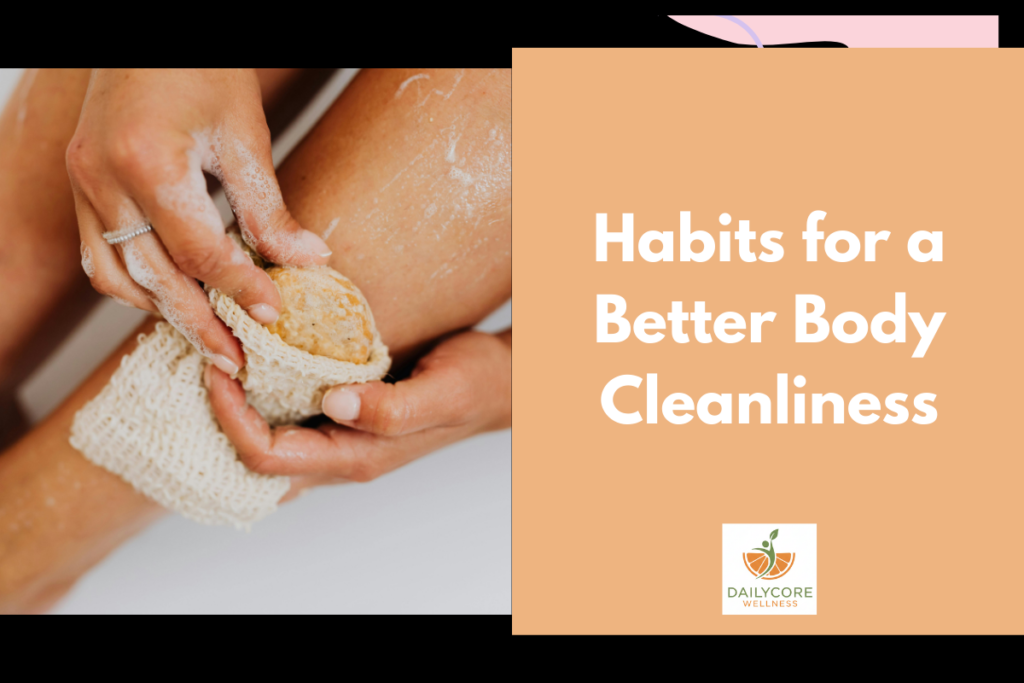
30 Essential Habits for a Better Body Cleanliness, 11th July 2026
1. Bathe Regularly to Remove Sweat and Bacteria
Regular bathing is one of the most important practices for maintaining body cleanliness. The body naturally produces sweat and oils throughout the day, which can trap dirt and bacteria on the skin. Without regular cleansing, these substances accumulate and contribute to body odor, clogged pores, and skin irritation. Taking a daily shower or bath helps remove these impurities and keeps the skin healthy and refreshed.
Bathing with mild soap and warm water effectively cleanses the skin without stripping away its natural protective oils. It is especially important to wash areas prone to sweat buildup, such as the underarms, feet, and groin. Individuals who engage in physical activity should shower shortly after exercise to prevent bacteria from multiplying on the skin. Consistent bathing habits support long-term body cleanliness and help maintain healthy skin function.
2. Practice Proper Hand Hygiene
Hand hygiene is a critical component of body cleanliness because hands come into contact with numerous surfaces throughout the day. These surfaces often carry bacteria and viruses that can easily transfer to the body. Washing hands regularly with soap and water removes harmful microorganisms and significantly reduces the risk of illness.
Proper handwashing should last at least twenty seconds and include scrubbing the palms, fingers, nails, and wrists. This practice is especially important before eating, after using the restroom, and after touching frequently used surfaces. Hand hygiene protects both personal health and the health of others by preventing the spread of germs. Consistently maintaining clean hands reinforces overall body cleanliness and contributes to a healthier environment.
3. Maintain Clean and Fresh Clothing
Clothing plays an important role in body cleanliness because it comes into direct contact with the skin throughout the day. Sweat, oils, and bacteria accumulate on fabrics, especially after physical activity or prolonged wear. Wearing unwashed clothing can lead to unpleasant odors and skin irritation.
Regularly laundering clothes helps eliminate bacteria and keeps fabrics fresh. Workout attire, underwear, and socks should be washed after each use to prevent microbial buildup. Choosing breathable fabrics also supports cleanliness by allowing air circulation and reducing moisture accumulation. Clean clothing complements personal hygiene practices and contributes to overall comfort and health.
4. Care for Your Oral Hygiene Daily
Oral hygiene is an essential part of body cleanliness that affects both health and social confidence. The mouth naturally contains bacteria that can multiply if not properly managed. Brushing teeth at least twice a day and flossing regularly helps remove food particles and plaque that contribute to bad breath and dental issues.
Maintaining oral cleanliness also supports long-term health by preventing gum disease and tooth decay. Using mouthwash and scheduling regular dental checkups further enhances oral hygiene. Clean teeth and fresh breath contribute to a positive personal image and reinforce the broader goal of maintaining full body cleanliness.
5. Keep Hair and Scalp Clean
Hair and scalp hygiene are important aspects of maintaining overall body cleanliness. The scalp produces natural oils that help protect hair, but excessive buildup can trap dirt and bacteria. Regular shampooing removes these impurities and promotes a healthy scalp environment.
Clean hair not only improves personal appearance but also prevents scalp irritation and dandruff. The frequency of washing depends on hair type and lifestyle, but individuals who sweat frequently or exercise regularly may need more frequent cleansing. Maintaining clean hair contributes to a polished and hygienic appearance.
6. Trim and Clean Nails Regularly
Nails can easily accumulate dirt and bacteria if not properly maintained. Long or unclean nails may harbor germs that can transfer to the mouth, skin, or food. Keeping nails trimmed and clean is therefore an important part of body cleanliness.
Regular nail care includes trimming, washing underneath the nails, and avoiding biting or picking at them. Clean nails also contribute to a professional and well-groomed appearance. Maintaining proper nail hygiene reduces the risk of infections and reinforces overall cleanliness habits.
7. Use Deodorant or Antiperspirant
Sweat itself is odorless, but bacteria on the skin break down sweat and produce body odor. Deodorants and antiperspirants help manage this process and support body cleanliness. Deodorants neutralize odor-causing bacteria, while antiperspirants reduce sweat production.
Applying these products after bathing ensures maximum effectiveness. Individuals who engage in physical activities or work in warm environments may benefit from reapplying during the day. Proper use of deodorants contributes to long-lasting freshness and helps maintain confidence throughout daily activities.
8. Wash Towels and Bedding Frequently
Towels and bedding absorb sweat, oils, and skin cells, making them potential breeding grounds for bacteria if not cleaned regularly. Using the same unwashed towels repeatedly can transfer germs back onto the skin.
To support body cleanliness, towels should be washed several times each week, and bed linens should be cleaned regularly. Fresh bedding promotes better sleep and reduces the buildup of allergens and bacteria. Maintaining clean fabrics that come into contact with the body is an often-overlooked but essential hygiene practice.
9. Clean Gym Equipment Before and After Use
Fitness environments often expose individuals to shared equipment used by many people. Without proper cleaning, gym surfaces can harbor bacteria and fungi that transfer to the skin. Wiping down equipment before and after use helps reduce this risk.
Using personal towels and washing hands after workouts further improves hygiene. Gym-goers who prioritize cleanliness not only protect their own health but also contribute to a safer environment for others. Clean fitness habits are an important extension of overall body cleanliness.
10. Establish a Consistent Hygiene Routine
Consistency is the foundation of maintaining body cleanliness over time. Occasional hygiene practices are not enough to prevent bacterial buildup or maintain healthy skin. Establishing a structured routine ensures that cleanliness becomes a natural part of daily life.
A reliable hygiene routine may include morning grooming, post-exercise showers, and evening skincare practices. When these habits are repeated daily, they require less effort and become automatic. Long-term commitment to hygiene supports sustained health, improved confidence, and overall wellness.
11. Exfoliate the Skin Regularly
Exfoliation is an important hygiene practice that supports effective body cleanliness by removing dead skin cells from the surface of the skin. Over time, the body naturally sheds skin cells, but not all of them fall away easily. When these dead cells accumulate, they can clog pores, trap dirt, and create a dull appearance. Regular exfoliation helps keep the skin smooth, clean, and capable of absorbing moisturizers and skincare products more effectively.
Using gentle scrubs, exfoliating gloves, or body brushes once or twice a week helps clear away buildup without damaging the skin. It is important to avoid excessive exfoliation, as this can irritate the skin and disrupt its natural protective barrier. When done properly, exfoliation enhances body cleanliness by promoting healthy skin renewal and improving overall skin texture.
12. Wash the Feet Thoroughly Every Day
Foot hygiene is often overlooked, yet it is a critical component of body cleanliness. The feet contain numerous sweat glands and are frequently enclosed in shoes for long periods, creating an environment where moisture and bacteria can accumulate. Without proper care, this environment can lead to unpleasant odors, fungal infections, and skin irritation.
Washing the feet daily with soap and water helps remove sweat, dirt, and bacteria. Special attention should be given to the areas between the toes, where moisture tends to collect. After washing, the feet should be dried thoroughly to prevent fungal growth. Wearing clean socks and breathable footwear further supports foot hygiene. Maintaining clean feet not only promotes comfort but also prevents common conditions such as athlete’s foot.
13. Change Underwear Daily
Underwear comes into direct contact with some of the most sensitive areas of the body, making it an essential factor in maintaining body cleanliness. Throughout the day, sweat, bacteria, and natural body secretions accumulate in clothing. Wearing the same underwear for extended periods can contribute to unpleasant odors and increase the risk of skin irritation or infections.
Changing underwear daily ensures that these contaminants do not remain in prolonged contact with the skin. Cotton or breathable fabrics are often recommended because they allow airflow and reduce moisture buildup. Clean underwear supports healthy skin and improves overall comfort. Establishing this simple daily habit reinforces a strong hygiene routine and contributes significantly to maintaining proper body cleanliness.
14. Keep Personal Grooming Tools Clean
Personal grooming tools such as razors, combs, brushes, and nail clippers are frequently used but often neglected when it comes to hygiene. These tools can accumulate bacteria, oils, and dead skin cells over time. If not cleaned regularly, they may reintroduce these contaminants back onto the body during grooming routines.
Cleaning grooming tools after use helps maintain body cleanliness and reduces the risk of skin irritation or infection. Razors should be rinsed thoroughly and replaced when they become dull. Hairbrushes and combs should be washed periodically to remove trapped hair and oils. Maintaining hygienic grooming tools ensures that personal care routines remain effective and safe for long-term use.
15. Shower After Physical Activity
Physical activity increases sweat production, which can trap bacteria on the skin. When sweat remains on the body for extended periods, it may lead to clogged pores, body odor, and skin irritation. Showering after exercise is therefore an essential practice for maintaining body cleanliness.
A post-workout shower helps wash away sweat, bacteria, and dirt accumulated during physical activity. This habit also prevents the growth of microorganisms that thrive in moist environments. Using clean towels and wearing fresh clothing afterward further supports hygiene. For individuals who engage in frequent exercise, making post-workout showers a routine part of fitness habits is essential for protecting skin health and maintaining overall cleanliness.
16. Maintain Proper Intimate Hygiene
Intimate hygiene is a vital component of overall body cleanliness because these areas are sensitive and prone to bacterial growth. Maintaining proper care helps prevent infections, irritation, and discomfort. Gentle washing with mild soap and warm water is usually sufficient for maintaining cleanliness in these areas.
It is important to avoid harsh products that may disrupt the natural balance of the skin. Wearing clean, breathable clothing and changing after sweating also contributes to maintaining proper hygiene. Individuals should practice regular cleansing and ensure that the area remains dry to reduce the risk of bacterial or fungal growth. Proper intimate hygiene supports comfort, health, and long-term cleanliness.
17. Stay Hydrated to Support Skin Health
Hydration plays a significant role in supporting body cleanliness from within. Drinking enough water helps maintain healthy skin by supporting natural detoxification processes and promoting balanced oil production. Well-hydrated skin is less prone to dryness, irritation, and excessive oil buildup.
Adequate hydration also helps regulate body temperature and sweat production. When the body functions efficiently, it becomes easier to maintain healthy skin and proper hygiene. While external cleaning practices remove dirt and bacteria, internal hydration supports the body’s natural ability to maintain healthy, resilient skin. Consistent water intake complements external hygiene routines and contributes to long-term body cleanliness.
18. Avoid Sharing Personal Hygiene Items
Sharing personal hygiene items can compromise body cleanliness and increase the risk of transmitting bacteria, fungi, and viruses. Items such as towels, razors, toothbrushes, and hairbrushes can carry microorganisms that may cause infections or skin conditions.
Using personal items exclusively ensures that hygiene tools remain safe and uncontaminated. Even among family members, it is advisable to maintain separate hygiene products. Towels should be clearly designated, and grooming tools should not be exchanged. Practicing this habit protects individual health and reinforces the importance of maintaining proper body cleanliness in daily routines.
19. Moisturize the Skin After Bathing
Moisturizing is an essential follow-up step after bathing that supports body cleanliness and skin health. While washing removes dirt, sweat, and bacteria, it can also strip the skin of natural oils that help maintain hydration. Applying moisturizer helps restore this balance and prevents dryness.
Healthy, hydrated skin acts as a protective barrier against environmental pollutants and microorganisms. Regular moisturizing also reduces irritation and improves skin texture. Choosing a gentle, skin-friendly moisturizer after bathing ensures that the skin remains soft and resilient. Incorporating this habit into daily routines strengthens overall hygiene practices and contributes to long-term body cleanliness.
20. Develop a Structured Hygiene Schedule
Creating a structured hygiene schedule helps ensure that body cleanliness practices are performed consistently. Without a routine, it is easy to overlook certain hygiene habits or perform them irregularly. Establishing specific times for bathing, grooming, and laundry helps reinforce discipline and organization.
A structured schedule may include daily showers, weekly bedding changes, and regular grooming maintenance. When these activities are planned and repeated regularly, they become automatic habits. Consistency is the key to effective hygiene management. A well-organized routine not only supports body cleanliness but also simplifies personal care and improves overall lifestyle efficiency.
21. Clean the Ears Safely
Ear hygiene is another important aspect of maintaining body cleanliness. While the ears naturally produce wax to protect the ear canal, excessive buildup can cause discomfort and affect hearing. Cleaning the outer ear regularly helps remove dirt, sweat, and excess wax that may accumulate during daily activities.
It is important to clean ears safely by focusing only on the outer areas. Inserting objects deep into the ear canal can cause irritation or injury. Using a soft cloth during bathing is often sufficient to maintain ear cleanliness. Practicing safe ear hygiene ensures that this sensitive part of the body remains clean without compromising its natural protective mechanisms.
22. Maintain Clean Shaving Practices
Shaving is a common grooming routine that contributes to body cleanliness when done properly. However, improper shaving practices can lead to skin irritation, razor burns, or infections. Using clean razors and shaving with proper technique helps maintain hygienic grooming standards.
Before shaving, the skin should be washed with warm water to soften hair and open pores. After shaving, rinsing the razor and applying soothing products can help protect the skin. Replacing dull blades regularly prevents bacteria buildup and reduces irritation. Clean shaving habits support smooth skin and reinforce overall body cleanliness.
23. Wash Reusable Water Bottles Daily
Reusable water bottles are frequently handled and may accumulate bacteria if not cleaned regularly. Since they come into contact with the mouth and hands, maintaining their cleanliness supports overall body hygiene. Drinking from unwashed bottles can expose individuals to unwanted microorganisms.
Washing water bottles daily with warm water and soap removes residue and bacteria buildup. Bottles used during workouts should be cleaned immediately after use. This simple practice ensures that hydration habits remain safe and hygienic. Clean drinking containers complement personal hygiene practices and contribute to maintaining body cleanliness.
24. Keep the Living Environment Clean
Personal hygiene is closely connected to the cleanliness of the surrounding environment. A cluttered or dirty living space can reintroduce bacteria and allergens to the body. Maintaining a clean home environment supports body cleanliness and reduces exposure to contaminants.
Regular cleaning of frequently touched surfaces, floors, and bathroom areas helps maintain a hygienic living space. Proper waste disposal and ventilation further improve environmental cleanliness. When personal spaces are kept clean, it becomes easier to maintain individual hygiene habits. A clean environment reinforces the overall goal of maintaining body cleanliness.
25. Wash Hands After Returning Home
Hands are constantly exposed to surfaces that may carry bacteria and viruses. After spending time in public spaces, washing hands immediately upon returning home is an important hygiene practice. This habit prevents external contaminants from spreading to other areas of the body or household.
Handwashing removes germs that may have accumulated during travel, shopping, or workplace activities. It also protects family members by reducing the likelihood of transmitting infections. Establishing this habit strengthens personal hygiene routines and contributes to maintaining effective body cleanliness.
26. Dry the Body Properly After Bathing
Properly drying the body after bathing is an essential step in maintaining body cleanliness. Moisture left on the skin can create conditions that allow bacteria and fungi to grow, particularly in skin folds or between toes. Using a clean towel to dry the body thoroughly helps prevent these issues.
Special attention should be given to areas prone to moisture buildup, including the underarms, groin, and feet. Allowing the skin to dry completely before dressing also supports better hygiene. Proper drying ensures that the benefits of bathing are fully maintained and helps protect the skin from irritation and infection.
27. Replace Old Sponges and Loofahs
Bathing tools such as sponges and loofahs can accumulate bacteria, mold, and dead skin cells over time. When these items are used repeatedly without replacement, they may introduce contaminants back onto the skin. Replacing them regularly helps maintain effective body cleanliness.
Loofahs and sponges should be rinsed thoroughly after each use and allowed to dry in a well-ventilated area. However, they should still be replaced every few weeks to maintain proper hygiene. Using clean bathing tools ensures that cleansing routines remain effective and support healthier skin.
28. Maintain Balanced Nutrition for Skin Health
Nutrition plays an important role in maintaining body cleanliness by supporting healthy skin and bodily functions. A balanced diet rich in vitamins, minerals, and antioxidants helps the skin repair itself and maintain its protective barrier. Healthy skin is better able to resist infections and irritation.
Foods rich in vitamins A, C, and E support skin regeneration and reduce inflammation. Consuming fruits, vegetables, and lean proteins contributes to overall wellness and complements hygiene routines. When the body receives proper nutrition, it becomes easier to maintain clean, healthy skin over the long term.
29. Avoid Touching the Face Frequently
The hands carry bacteria gathered from various surfaces throughout the day. Touching the face frequently transfers these microorganisms to the skin, potentially leading to breakouts or irritation. Limiting unnecessary contact with the face helps maintain body cleanliness.
Practicing awareness of hand movements can significantly reduce this habit. Washing hands regularly and avoiding face touching helps protect the skin from contamination. This simple behavioral change supports healthier skin and strengthens overall hygiene practices.
30. Commit to Lifelong Hygiene Habits
The most effective way to maintain body cleanliness is by committing to lifelong hygiene habits. Temporary efforts may produce short-term results, but consistent practices lead to lasting health benefits. Developing strong hygiene habits early and maintaining them throughout life supports long-term wellness.
Daily bathing, proper grooming, and regular cleaning routines create a strong foundation for personal health. Over time, these practices become automatic behaviors that require minimal effort. Lifelong commitment to hygiene ensures that body cleanliness remains a consistent priority, supporting both physical health and personal confidence.
Conclusion
Maintaining body cleanliness also improves confidence and social comfort. Clean skin, fresh breath, and well-maintained grooming habits contribute to positive self-image and professional presence. These small daily practices may seem simple, but their combined impact significantly improves quality of life and personal satisfaction.
However, the true value of body cleanliness lies in consistency. Long-term results come from developing reliable routines and maintaining them every day. When hygiene practices become part of a structured lifestyle, they require less effort while delivering continuous health benefits.
By committing to regular hygiene habits and maintaining discipline in daily routines, individuals can protect their health and enhance their overall wellness. Consistency in body cleanliness ensures lasting results, promoting a healthier body, stronger confidence, and a sustainable approach to personal care for years to come.
Share this:
- Share on Facebook (Opens in new window) Facebook
- Share on X (Opens in new window) X
- Share on WhatsApp (Opens in new window) WhatsApp
- Share on Threads (Opens in new window) Threads
- Share on LinkedIn (Opens in new window) LinkedIn
- Share on Telegram (Opens in new window) Telegram
- Email a link to a friend (Opens in new window) Email
- Share on Pinterest (Opens in new window) Pinterest