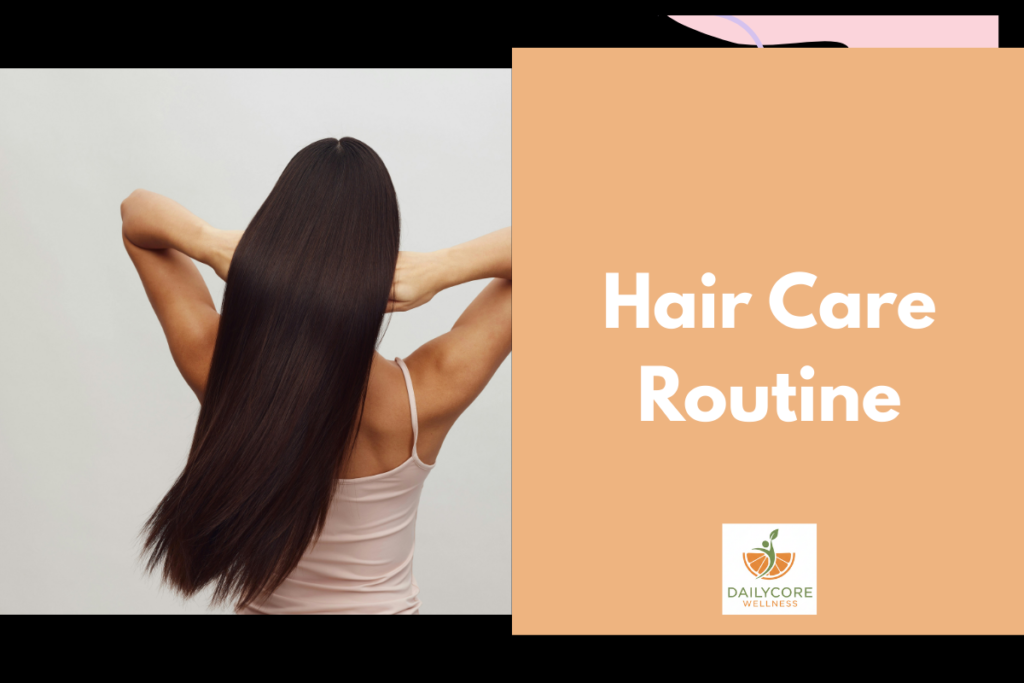
A consistent hair care routine plays a crucial role in maintaining healthy, strong, and vibrant hair. Many people invest in hair products without understanding that the effectiveness of those products depends largely on how they are incorporated into a structured routine. Establishing the right hair care routine allows individuals to nourish the scalp, strengthen hair strands, and prevent common issues such as dryness, breakage, and excessive shedding.
Hair health is influenced by several factors, including genetics, diet, environmental exposure, and daily grooming habits. A well-planned hair care routine helps minimize damage caused by styling tools, harsh chemicals, and environmental pollutants. When the scalp and hair are properly cared for, the follicles function more efficiently, leading to improved hair growth and overall hair strength.
Another critical aspect of maintaining a hair care routine is consistency. Many individuals expect immediate results after using new products, but hair health improves gradually over time. A structured routine that focuses on cleansing, conditioning, moisturizing, and protection helps maintain balance in the scalp while supporting long-term hair vitality.
Why a Structured Hair Care Routine Matters
A structured hair care routine helps maintain the natural balance between scalp health and hair strength. The scalp functions as the foundation for hair growth, housing the follicles responsible for producing new hair strands. When the scalp is clean, nourished, and properly hydrated, the follicles operate more effectively. This leads to healthier hair growth, reduced breakage, and improved hair texture. Without a consistent routine, buildup from oils, styling products, and environmental pollutants can clog follicles and weaken the hair shaft over time.
Additionally, a proper hair care routine protects hair from daily stressors such as heat styling, friction, and weather exposure. Hair strands are delicate and prone to damage if they are not properly moisturized and protected. Incorporating practices such as conditioning, gentle detangling, and regular trimming helps maintain the integrity of each strand. Over time, these practices reduce split ends and minimize the need for drastic cuts.
Maintaining a routine also allows individuals to monitor their hair’s condition more closely. Changes in texture, dryness, or scalp irritation can be identified early and addressed before they become more serious problems. By maintaining consistency, individuals can create an environment that supports stronger, shinier, and more resilient hair.
Key Elements of an Effective Hair Care Routine
An effective hair care routine focuses on several fundamental elements: cleansing, conditioning, moisturizing, protection, and maintenance. Cleansing removes excess oil, sweat, and environmental buildup that can accumulate on the scalp and hair strands. Using a gentle shampoo appropriate for your hair type ensures that the scalp remains clean without stripping away essential natural oils.
Conditioning is equally important because it restores moisture and smooths the hair cuticle after cleansing. A high-quality conditioner helps detangle hair, reduce frizz, and improve manageability. Conditioning treatments can also provide targeted nourishment for damaged or chemically treated hair, helping restore elasticity and strength.
Moisturizing and protection are essential for maintaining long-term hair health. Hair strands require adequate hydration to remain flexible and resistant to breakage. Using leave-in conditioners, natural oils, or hair serums can help lock in moisture while shielding hair from environmental damage. Protective styling, heat protection products, and minimizing excessive manipulation all contribute to maintaining hair integrity.
When these elements are incorporated into a consistent hair care routine, they create a balanced system that supports scalp health, strengthens hair strands, and promotes long-term growth.
20 Essential Practices for Healthier Hair, 4th September 2026
1. Choose the Right Shampoo for Your Hair Type
Selecting the correct shampoo is the foundation of an effective hair care routine. Different hair types have unique needs, and using the wrong shampoo can lead to dryness, oil imbalance, or scalp irritation. Individuals with oily hair often benefit from lightweight clarifying shampoos that remove excess oil and buildup, while those with dry or curly hair may require moisturizing formulas that gently cleanse without stripping natural oils.
A high-quality shampoo should clean the scalp effectively while maintaining the hair’s natural moisture balance. Harsh sulfates and strong detergents can weaken hair strands over time, especially when used frequently. Instead, choosing mild cleansing formulas can help preserve scalp health and prevent excessive dryness.
2. Condition After Every Wash
Conditioning is a critical step that should never be skipped in a hair care routine. After shampooing, the hair cuticle becomes slightly raised, making it more vulnerable to tangling and moisture loss. Conditioner helps smooth the cuticle, lock in hydration, and restore softness to the hair strands.
Applying conditioner primarily to the mid-lengths and ends helps prevent excessive buildup near the scalp while ensuring that the most fragile parts of the hair receive adequate nourishment. Conditioning formulas often contain ingredients that strengthen the hair shaft, reduce friction during brushing, and improve overall manageability.
Regular conditioning also protects the hair from environmental stressors such as humidity, sun exposure, and pollution. When hair strands remain hydrated and smooth, they are less prone to breakage and split ends. Over time, incorporating conditioner into your hair care routine significantly improves hair texture and overall resilience.
3. Avoid Excessive Heat Styling
Frequent use of heat styling tools can weaken hair strands and lead to long-term damage if not managed carefully. Tools such as blow dryers, flat irons, and curling irons expose hair to high temperatures that can strip moisture from the hair shaft and cause structural damage.
Incorporating heat protection strategies into a hair care routine is essential for minimizing these risks. Using heat protectant sprays or serums helps create a barrier between the hair and styling tools, reducing moisture loss and preventing excessive dryness.
Additionally, limiting heat styling to occasional use allows hair strands time to recover and maintain their natural strength. Air-drying whenever possible and experimenting with heat-free styling techniques can significantly reduce damage. By reducing heat exposure, individuals can preserve the natural elasticity and shine of their hair while maintaining long-term hair health.
4. Moisturize Your Hair Regularly
Hair requires consistent hydration to maintain flexibility and prevent breakage. Without proper moisture, hair strands become brittle, dull, and prone to splitting. A well-balanced hair care routine includes regular moisturizing to keep the hair shaft nourished and resilient.
Leave-in conditioners, natural oils, and hydrating creams can help maintain moisture levels throughout the day. These products create a protective layer that reduces moisture loss while improving softness and manageability. Applying moisturizing products to slightly damp hair often enhances absorption and effectiveness.
Hydration is particularly important for individuals with curly, textured, or chemically treated hair, as these hair types tend to lose moisture more easily. Consistent moisturizing supports elasticity and reduces the risk of mechanical damage during styling and detangling.
5. Detangle Hair Gently
Improper detangling can cause significant breakage and unnecessary hair loss. A gentle approach to detangling is an important component of any effective hair care routine. Hair should ideally be detangled when it is slightly damp and conditioned, as this reduces friction and allows knots to loosen more easily.
Using a wide-tooth comb or a detangling brush helps minimize strain on the hair strands. Starting from the ends and gradually working upward toward the roots prevents large knots from tightening and causing breakage. Patience during this process protects the integrity of the hair shaft.
Applying a detangling spray or leave-in conditioner can also improve slip and reduce tension during brushing. Over time, gentle detangling habits help preserve hair length, minimize shedding, and maintain healthier strands.
6. Protect Hair While Sleeping
Nighttime habits significantly influence the success of a hair care routine. Friction between hair and rough pillowcase fabrics can cause tangling, dryness, and breakage. Protecting the hair during sleep helps maintain moisture and prevent unnecessary damage.
Using silk or satin pillowcases reduces friction and allows hair strands to glide smoothly during movement. Alternatively, wearing a satin bonnet or wrapping hair in a silk scarf can provide similar protective benefits.
Loose braids or protective hairstyles can also help prevent tangling during sleep. These techniques minimize stress on the hair while preserving styles for longer periods. Over time, nighttime protection contributes to healthier hair and improved retention of length.
7. Trim Your Hair Regularly
Regular trims are essential for maintaining healthy hair and preventing split ends from spreading along the hair shaft. Even with a consistent hair care routine, the ends of the hair are exposed to environmental stress and mechanical damage, making them more vulnerable to splitting.
Scheduling trims every six to eight weeks helps remove damaged ends and maintain the overall shape of the hairstyle. Removing split ends early prevents further breakage and keeps hair looking smooth and polished.
Trimming does not necessarily reduce hair growth; instead, it supports the appearance of fuller and healthier hair. By eliminating weak or damaged sections, individuals can maintain stronger strands and improve the overall condition of their hair.
8. Maintain a Balanced Diet
Hair health is closely linked to overall nutrition. A well-rounded diet provides the vitamins, minerals, and proteins required for strong hair growth. Nutrients such as protein, iron, biotin, and omega-3 fatty acids play important roles in maintaining healthy follicles and hair structure.
Including foods such as lean proteins, leafy vegetables, nuts, seeds, and healthy fats supports hair strength and resilience. Hydration is equally important, as adequate water intake helps maintain scalp health and moisture balance.
When nutritional needs are met consistently, the body can allocate the necessary resources for hair growth and repair. Incorporating proper nutrition into a hair care routine strengthens the hair from within and supports long-term vitality.
9. Limit Chemical Treatments
Frequent chemical treatments such as coloring, bleaching, or relaxing can weaken the hair shaft if not managed carefully. These processes alter the natural structure of hair, making it more vulnerable to dryness and breakage.
Spacing out chemical treatments and using strengthening treatments between sessions can help maintain hair integrity. Deep conditioning masks and protein treatments can restore some of the strength lost during chemical processing.
Individuals who regularly undergo chemical treatments should pay extra attention to hydration and protective styling. When balanced with proper care, chemical styling can be managed without severely compromising overall hair health.
10. Stay Consistent with Your Routine
Consistency is the most important factor in achieving lasting results from any hair care routine. Hair health improves gradually through repeated habits rather than quick fixes or occasional treatments. Maintaining a regular schedule for washing, conditioning, moisturizing, and protective care ensures that the scalp and hair remain balanced over time.
Consistency also allows individuals to track what works best for their hair type. Adjustments can be made gradually based on seasonal changes, lifestyle factors, or evolving hair needs. By committing to a structured routine, individuals build habits that support long-term hair strength and appearance.
Over time, consistent care leads to stronger strands, reduced breakage, and improved shine. Patience and dedication are essential components of a successful hair care routine.
11. Use a Deep Conditioning Treatment Weekly
A deep conditioning treatment is an essential addition to a structured hair care routine, particularly for individuals experiencing dryness, damage, or breakage. Unlike regular conditioners, deep conditioning treatments are formulated with concentrated ingredients that penetrate the hair shaft more effectively. These treatments restore moisture, repair weakened strands, and improve the overall elasticity of the hair.
Applying a deep conditioner once a week helps replenish nutrients that may be lost due to environmental exposure, heat styling, or chemical treatments. Ingredients such as proteins, natural oils, and moisturizing agents strengthen the hair while smoothing the cuticle layer. This process reduces frizz and enhances shine.
For best results, deep conditioners should be applied to clean, damp hair and left on for the recommended time to allow full absorption. When incorporated consistently into a hair care routine, weekly deep conditioning helps maintain stronger, healthier, and more resilient hair strands.
12. Massage the Scalp Regularly
Regular scalp massage is a simple yet highly effective component of a well-balanced hair care routine. The scalp contains numerous blood vessels that supply nutrients and oxygen to the hair follicles. Gentle massage stimulates circulation, allowing these nutrients to reach the follicles more efficiently and support healthier hair growth.
Scalp massage also helps distribute the natural oils produced by the scalp throughout the hair strands. These oils serve as a natural conditioner, adding shine and preventing dryness. Using natural oils such as coconut, jojoba, or argan oil during massage can further nourish the scalp and improve hydration.
In addition to promoting circulation, scalp massage helps relieve tension and encourages relaxation. Performing this practice for several minutes each day can significantly improve scalp health over time. When incorporated into a consistent hair care routine, regular scalp massage supports stronger roots and improved hair vitality.
13. Protect Hair from Environmental Damage
Environmental exposure can significantly affect hair health, making protection an important part of any hair care routine. Sunlight, wind, pollution, and extreme temperatures can weaken the hair shaft, strip moisture, and contribute to dullness and breakage.
Protective strategies include wearing hats or scarves when spending extended time outdoors and using hair products that provide UV protection. These methods help shield the hair from harmful rays and environmental pollutants that may compromise hair strength.
Moisturizing products also play a role in environmental protection by creating a barrier that reduces moisture loss. Hydrated hair is more resilient and less likely to suffer damage from harsh weather conditions. By taking proactive steps to protect hair from external stressors, individuals can maintain stronger and healthier strands over time.
14. Use the Right Hair Brush or Comb
Choosing the appropriate hair brush or comb is a key factor in maintaining a healthy hair care routine. Different tools serve different purposes, and using the wrong one can cause unnecessary stress on the hair strands. Brushes with soft bristles are ideal for smoothing and distributing natural oils, while wide-tooth combs are better suited for detangling wet or curly hair.
Hair is most vulnerable when it is wet, making gentle tools especially important during this stage. A wide-tooth comb reduces tension and allows knots to be removed gradually without pulling on the hair roots. This helps prevent breakage and unnecessary shedding.
Regularly cleaning brushes and combs is also important to remove product buildup and debris. Maintaining clean grooming tools ensures that the hair remains free from unwanted residue and supports the overall effectiveness of the hair care routine.
15. Avoid Overwashing the Hair
While cleanliness is important, washing the hair too frequently can disrupt the natural balance of the scalp. Excessive washing strips away natural oils that protect and moisturize the hair, leaving it dry and more susceptible to breakage. A balanced hair care routine involves washing hair according to its specific needs rather than following a rigid daily schedule.
Individuals with oily hair may require more frequent cleansing, while those with dry or textured hair may benefit from washing less often. Adjusting the washing frequency based on hair type helps maintain optimal moisture levels.
Using gentle shampoos and focusing on cleansing the scalp rather than the entire length of the hair can also prevent unnecessary dryness. By avoiding overwashing, individuals allow the scalp’s natural oils to nourish the hair strands and maintain long-term hair health.
16. Use Leave-In Treatments for Extra Protection
Leave-in treatments provide continuous nourishment and protection throughout the day, making them an important addition to a comprehensive hair care routine. These products remain in the hair after washing and conditioning, delivering long-lasting moisture and protection against environmental stressors.
Leave-in conditioners, serums, and creams help smooth the hair cuticle, reduce frizz, and improve overall manageability. They also provide a protective layer that minimizes damage from heat styling and mechanical friction caused by brushing or styling.
Applying leave-in treatments to damp hair allows the product to distribute evenly and penetrate more effectively. Regular use enhances softness and shine while strengthening the hair structure. When integrated into a consistent hair care routine, leave-in products help maintain hydration and resilience throughout the day.
17. Minimize Tight Hairstyles
Tight hairstyles can place excessive tension on the scalp and hair roots, leading to breakage and potential hair loss over time. Styles such as tight ponytails, braids, or buns can stress the hairline and weaken the follicles if worn frequently.
A balanced hair care routine includes selecting hairstyles that minimize tension while still providing versatility and style. Loose braids, low ponytails, and protective styles that do not pull on the scalp can help preserve hair strength and reduce strain.
Giving the hair regular breaks from tight styling allows the scalp to recover and reduces the risk of traction-related damage. By minimizing tension and allowing the hair to rest, individuals can maintain stronger roots and healthier hair growth.
18. Maintain Proper Hydration
Hydration plays a vital role in supporting overall hair health. The body requires adequate water intake to maintain healthy skin, scalp, and hair follicles. Dehydration can contribute to dryness, brittleness, and a lack of shine in the hair strands.
Incorporating sufficient water intake into daily habits supports the body’s natural ability to deliver nutrients to the scalp. Hydrated follicles function more efficiently, promoting healthier hair growth and stronger strands.
In addition to drinking enough water, using hydrating hair products helps maintain moisture levels externally. When both internal and external hydration are addressed within a hair care routine, the result is improved hair flexibility, reduced breakage, and enhanced overall hair vitality.
19. Reduce Product Buildup
Product buildup can accumulate on the scalp and hair strands over time, especially when styling products, oils, and conditioners are used frequently. Excess buildup can weigh down the hair, clog follicles, and reduce the effectiveness of other hair care products.
Clarifying shampoos or gentle cleansing treatments can help remove residue and restore the hair’s natural balance. These products should be used periodically to eliminate accumulated buildup without over-drying the hair.
Maintaining a clean scalp environment allows hair follicles to function more efficiently. By incorporating occasional clarifying treatments into a hair care routine, individuals can ensure that their hair remains lightweight, healthy, and receptive to nourishing products.
20. Be Patient with Hair Growth
Hair growth is a gradual process that requires patience and consistency. Many individuals expect rapid results from new treatments or products, but the natural hair growth cycle takes time. On average, hair grows approximately half an inch per month, meaning noticeable length improvements may take several months.
A successful hair care routine focuses on maintaining the health of the scalp and hair strands rather than chasing quick growth solutions. Practices such as proper nutrition, gentle styling, regular conditioning, and protective habits create an environment that supports steady growth.
Remaining patient and committed to consistent care allows the hair to grow stronger over time. By focusing on long-term habits rather than immediate results, individuals can achieve healthier hair and maintain sustainable growth.
Conclusion
Developing a consistent hair care routine is one of the most effective ways to support long-term hair health. While many people search for quick solutions to improve their hair, the reality is that sustainable results come from disciplined daily and weekly practices. A well-structured routine that includes cleansing, conditioning, moisturizing, and protection allows the scalp and hair follicles to function at their best.
Consistency ensures that the benefits of each step accumulate over time. Regular conditioning strengthens the hair shaft, gentle detangling minimizes breakage, and protective habits prevent unnecessary damage from environmental stressors. When these practices become part of a routine, hair gradually becomes stronger, smoother, and more manageable.
Another important aspect of long-term success is patience. Hair growth and repair occur gradually, and noticeable improvements often take several weeks or months. Individuals who remain committed to their hair care routine are more likely to experience sustained improvements in hair texture, strength, and overall appearance.
Ultimately, the key to healthier hair lies in maintaining a routine that prioritizes consistent care and balanced habits. By staying committed to proven hair care practices and making adjustments based on individual needs, anyone can achieve stronger, healthier, and more resilient hair over the long term.
Share this:
- Share on Facebook (Opens in new window) Facebook
- Share on X (Opens in new window) X
- Share on WhatsApp (Opens in new window) WhatsApp
- Share on Threads (Opens in new window) Threads
- Share on LinkedIn (Opens in new window) LinkedIn
- Share on Telegram (Opens in new window) Telegram
- Email a link to a friend (Opens in new window) Email
- Share on Pinterest (Opens in new window) Pinterest