Hair health is often viewed as purely cosmetic, but in reality, it reflects overall wellness, discipline, and consistent self-care. The concept of hair care focuses on adopting sustainable habits that protect the scalp, strengthen hair strands, and maintain long-term hair vitality. Rather than chasing temporary beauty trends, this approach emphasizes structured routines, preventative care, and evidence-based hair maintenance.
Another key element of the hair care philosophy is consistency. Healthy hair does not appear overnight. Instead, it develops through repeated positive habits such as proper cleansing, balanced moisture levels, protective styling, and scalp maintenance. These habits create a supportive environment where hair follicles can function efficiently.
Ultimately, adopting a hair care mindset transforms hair maintenance into a long-term wellness routine rather than a quick cosmetic fix. With the right knowledge and disciplined practices, individuals can maintain stronger, shinier, and healthier hair while preventing many common hair problems before they begin.
Understanding the Foundation of Hair Health
Hair health begins at the scalp. The scalp contains thousands of follicles responsible for producing hair fibers, and these follicles rely heavily on proper circulation, hydration, and nutrient delivery. When the scalp environment is balanced, follicles produce stronger hair strands that are more resistant to damage. Poor scalp hygiene, excessive oil buildup, or chronic dryness can disrupt this balance and weaken hair production over time.
External stressors also play a significant role in determining hair quality. Pollution, UV exposure, chemical treatments, and heat styling gradually degrade the hair cuticle, which is the protective outer layer of each strand. Once this layer becomes compromised, hair becomes more vulnerable to breakage, frizz, and moisture loss. Preventative care strategies such as gentle cleansing, protective styling, and heat protection are essential for maintaining cuticle integrity and long-term hair strength.
Building a Sustainable Hair Care Routine
A sustainable hair care routine focuses on gradual improvement rather than aggressive treatments. Many people damage their hair unintentionally by over-washing, excessive heat styling, or using harsh chemical products. A structured routine balances cleansing, conditioning, and protection while allowing the scalp to maintain its natural protective oils.
Equally important is adopting a long-term perspective. Hair growth occurs slowly, typically around half an inch per month. This means that meaningful improvements require patience and discipline. Consistent hydration, gentle detangling practices, balanced nutrition, and regular trims collectively support healthier growth cycles. Over time, these habits create stronger strands, improved shine, and increased hair density.
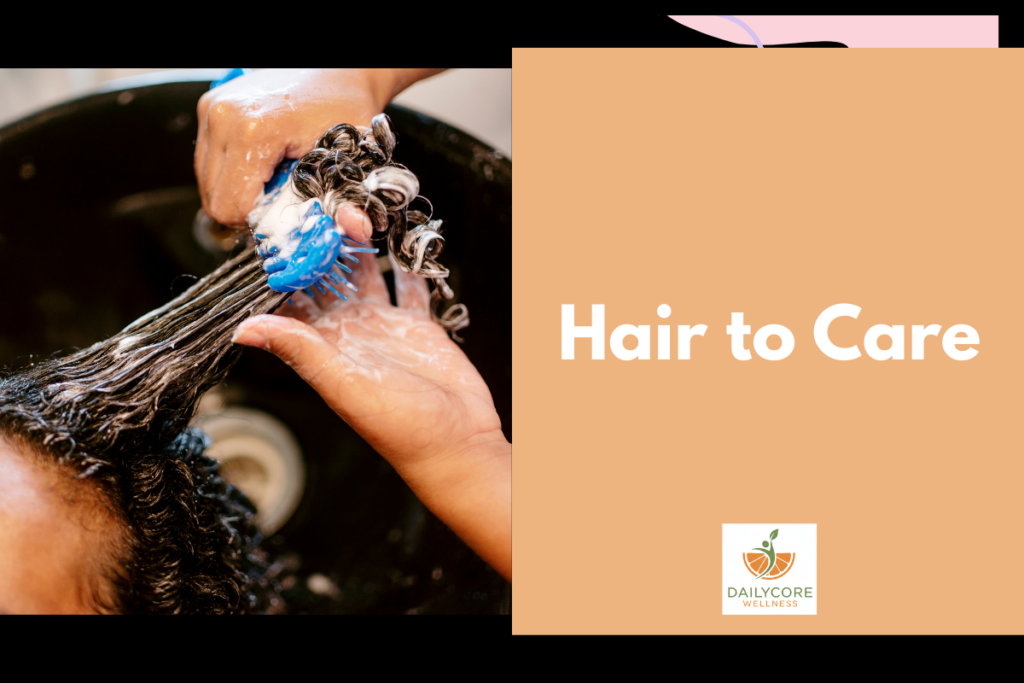
A Complete Guide to Building Healthy Hair, 4th September 2026
1. Maintain a Consistent Washing Schedule
A balanced washing routine is a fundamental component of the hair-to-care philosophy. Washing too frequently strips the scalp of its natural oils, while washing too infrequently allows dirt, sweat, and product buildup to accumulate. Both extremes can weaken hair over time. A well-structured washing schedule removes impurities while preserving the scalp’s protective moisture barrier.
Selecting a gentle shampoo formulated for your hair type is equally important. Harsh cleansers containing strong sulfates may remove essential oils and cause dryness, particularly for curly or textured hair. Lukewarm water should be used instead of hot water, as excessive heat can weaken the hair shaft. A consistent cleansing routine promotes a healthy scalp environment, reduces irritation, and ensures that hair follicles remain productive for long-term growth.
2. Prioritize Scalp Health
Healthy hair growth begins with a healthy scalp. The scalp functions similarly to soil supporting plant growth; if it becomes inflamed, dry, or clogged with excess oil and debris, hair follicles struggle to produce strong strands. Incorporating scalp care into a hair care routine helps maintain the optimal conditions for hair development.
Regular scalp massages improve blood circulation, delivering oxygen and nutrients directly to the follicles. Gentle exfoliation using specialized scalp treatments can also remove dead skin cells and product buildup. However, aggressive scrubbing should be avoided because it can irritate sensitive skin. Maintaining scalp cleanliness and hydration allows follicles to remain active and productive, which ultimately supports thicker and healthier hair growth.
3. Use Moisturizing Conditioners
Conditioning is essential for maintaining hair elasticity, softness, and strength. After shampooing removes dirt and oils, conditioners help restore moisture and smooth the hair cuticle. This protective effect reduces friction between strands and minimizes breakage during styling.
A quality conditioner should match the hair’s texture and moisture needs. Fine hair may benefit from lightweight formulas, while thick or curly hair typically requires richer conditioning treatments. Applying conditioner primarily to the mid-lengths and ends prevents unnecessary oil buildup at the scalp. Over time, regular conditioning supports improved manageability, reduced split ends, and enhanced shine—key components of a strong hair-to-care strategy.
4. Limit Heat Styling
Excessive heat styling is one of the most common causes of hair damage. Tools such as flat irons, curling wands, and high-temperature blow dryers weaken the hair cuticle and remove natural moisture. Over time, this repeated stress leads to brittleness, dullness, and breakage.
Reducing heat exposure significantly improves hair durability. When heat styling is necessary, protective sprays or serums should be applied beforehand to create a barrier that minimizes thermal damage. Lower heat settings and limited styling frequency also help preserve the structural integrity of hair strands. Integrating these precautions into a hair-to-care routine ensures that styling flexibility does not come at the cost of long-term hair health.
5. Protect Hair During Sleep
Nighttime habits significantly influence hair health. Friction between hair and rough pillowcases can weaken strands and contribute to breakage or tangling. Over time, repeated mechanical stress damages the outer cuticle layer and reduces overall hair smoothness.
Using silk or satin pillowcases can minimize friction and preserve hair moisture overnight. Alternatively, wearing a loose protective style such as a braid or bun helps prevent tangling. These simple adjustments are particularly beneficial for long, curly, or textured hair types that are more susceptible to mechanical damage. Including protective sleep practices in a hair-to-care routine helps maintain smoother, stronger hair with less daily breakage.
6. Trim Hair Regularly
Regular trims play a crucial role in maintaining healthy hair structure. Although trimming does not directly accelerate hair growth, it removes split ends that can travel upward along the hair shaft and cause further damage. Without periodic trimming, hair becomes progressively weaker and more prone to breakage.
A trim every eight to twelve weeks is generally recommended for maintaining optimal hair condition. This schedule keeps the ends clean and prevents excessive splitting. For individuals growing their hair longer, trimming helps maintain overall shape and prevents uneven lengths. Integrating scheduled trims into a hair-to-care routine preserves the integrity of hair strands and supports stronger, healthier growth over time.
7. Avoid Over-Processing Hair
Chemical treatments such as bleaching, perming, and frequent dyeing can significantly weaken the hair structure. These processes alter the natural protein bonds within the hair shaft, which can lead to dryness, brittleness, and increased breakage if performed excessively.
Spacing out chemical treatments allows the hair time to recover between processes. Deep conditioning treatments can also help restore some lost moisture and flexibility. Consulting a professional stylist ensures that chemical treatments are applied safely and appropriately. A balanced hair care routine prioritizes hair health over frequent dramatic transformations, ensuring that cosmetic changes do not permanently compromise hair strength.
8. Maintain Proper Nutrition
Hair health is closely connected to overall nutritional intake. Hair follicles require a steady supply of vitamins, minerals, and proteins to function effectively. Deficiencies in nutrients such as iron, zinc, biotin, and protein can lead to weakened strands and slower growth.
A balanced diet rich in fruits, vegetables, lean proteins, and healthy fats supports optimal follicle performance. Hydration is equally important, as water contributes to scalp moisture balance and hair elasticity. While supplements may help in certain cases, they should complement rather than replace a healthy diet. Integrating proper nutrition into a hair-to-care strategy strengthens hair from within and supports consistent long-term growth.
9. Practice Gentle Detangling
Improper detangling is a major cause of unnecessary hair breakage. Pulling aggressively through knots places excessive tension on the hair shaft, weakening the strand and potentially causing it to snap. A careful detangling approach protects the hair structure and reduces daily damage.
Using a wide-tooth comb or specialized detangling brush is recommended, particularly when hair is damp and conditioned. Starting from the ends and gradually working upward helps remove knots without placing excessive strain on the roots. Applying leave-in conditioners or detangling sprays also improves slip and reduces friction. Gentle detangling is an essential habit in any hair to care routine focused on preserving length and strength.
10. Stay Consistent With Hair Care Habits
Consistency is the defining factor behind long-term hair improvement. Many individuals attempt intensive treatments sporadically but fail to maintain daily or weekly maintenance routines. Sustainable results require small, repeated actions that gradually strengthen hair over time.
Developing a structured schedule for washing, conditioning, moisturizing, and protective styling creates a predictable care system. Tracking progress and adjusting the routine based on hair response also improves results. The hair to care philosophy emphasizes discipline rather than quick fixes. By maintaining consistent habits over months and years, individuals create the conditions necessary for stronger, healthier, and more resilient hair growth.
11. Choose the Right Hair Products for Your Hair Type
Selecting the appropriate hair products is an essential part of a successful hair care routine. Different hair textures and scalp conditions require specific formulations to maintain balance and prevent damage. For example, fine hair benefits from lightweight products that do not weigh strands down, while thicker or curly hair types require richer moisturizing formulas to maintain hydration.
Using the wrong products can lead to buildup, dryness, or excessive oil production. Shampoos, conditioners, and styling products should be carefully selected based on individual hair characteristics rather than general popularity. Reading ingredient labels and avoiding overly harsh chemicals can further support healthier hair maintenance. When products are matched correctly to hair needs, they improve manageability, enhance shine, and strengthen the overall hair structure within a long-term hair care system.
12. Deep Condition Hair Regularly
Deep conditioning treatments provide intensive hydration that standard conditioners cannot fully deliver. Over time, environmental exposure, styling tools, and routine washing gradually strip moisture from the hair shaft. Deep conditioning restores lost hydration and helps reinforce the internal protein structure of hair strands.
Applying a deep conditioning mask once or twice per week can significantly improve elasticity and softness. These treatments penetrate deeper into the hair fiber, helping to repair minor damage and strengthen weak areas. Heat caps or warm towels may also enhance absorption of conditioning ingredients. Consistent deep conditioning supports smoother strands, reduced breakage, and improved overall resilience. Incorporating this habit into a hair-to-care routine ensures that hair remains flexible, nourished, and capable of withstanding daily styling and environmental stress.
13. Protect Hair from Environmental Damage
Environmental factors can significantly influence hair condition. Sun exposure, wind, pollution, and extreme weather conditions gradually degrade the hair cuticle and lead to dryness, discoloration, and brittleness. Individuals who spend significant time outdoors may notice increased frizz and weakened hair over time.
Protective measures can minimize these effects and maintain healthier strands. Wearing hats in direct sunlight, using protective hair serums, and rinsing hair after exposure to saltwater or chlorinated pools help preserve hair strength. Moisturizing products that contain UV protection ingredients also provide an additional defense against sun damage. A comprehensive hair care routine includes environmental protection strategies that shield hair from external stressors while maintaining long-term moisture balance and structural integrity.
14. Avoid Tight Hairstyles
Hairstyles that place excessive tension on the scalp can lead to a condition known as traction-related hair damage. Tight ponytails, braids, or buns pull continuously on the hair follicles and may weaken the roots over time. Prolonged tension can even lead to gradual hair thinning along the hairline and crown.
Adopting looser styles allows the scalp to relax and reduces unnecessary stress on the follicles. When protective styles are used, they should be installed carefully and worn for appropriate durations without excessive pulling. Alternating hairstyles also prevents repeated strain on the same sections of hair. A balanced hair care routine prioritizes scalp comfort and follicle health, ensuring that styling choices do not compromise long-term hair density or growth potential.
15. Use Leave-In Conditioners
Leave-in conditioners provide continuous hydration throughout the day. Unlike rinse-out products, they remain on the hair shaft and create a protective moisture barrier that helps reduce dryness and friction during daily activities. This additional layer of protection can be particularly beneficial for individuals with curly, coarse, or chemically treated hair.
These products also assist with detangling and styling by improving hair slip and reducing resistance when brushing or combing. Proper distribution from mid-length to ends ensures that the areas most prone to dryness receive adequate moisture support. Over time, consistent use of leave-in conditioners improves softness, enhances manageability, and reduces breakage. Integrating leave-in treatments into a hair-to-care routine helps maintain balanced hydration between wash days while supporting overall hair resilience.
16. Maintain Balanced Moisture and Protein Levels
Healthy hair requires a balanced relationship between moisture and protein. Moisture keeps hair flexible and soft, while protein strengthens the structural framework of the hair strand. When either element becomes imbalanced, hair can become weak or brittle.
Excessive protein treatments may cause hair to feel stiff and prone to snapping, while excessive moisture without structural support can lead to overly soft strands that stretch and break easily. Alternating between moisturizing treatments and occasional protein-based products helps maintain this critical balance. Monitoring how hair responds to different treatments allows individuals to adjust their routines accordingly. A well-balanced hair care approach ensures that hair maintains both strength and flexibility, which are essential characteristics for preventing breakage and encouraging steady growth.
17. Reduce Excessive Brushing
While brushing helps distribute natural oils from the scalp along the hair shaft, excessive brushing can create unnecessary mechanical stress. Repeated brushing throughout the day can weaken strands and lead to gradual breakage, especially when hair is dry or tangled.
A controlled approach to brushing is more beneficial. Detangling should occur only when necessary, using gentle strokes and appropriate tools such as wide-tooth combs or soft-bristle brushes. Hair should also be brushed carefully from the ends upward to avoid pulling on knots. This method reduces tension on the roots and protects the integrity of the hair fiber. Including mindful brushing habits within a hair-to-care routine minimizes daily wear and tear while maintaining smoother, healthier strands.
18. Monitor Scalp Oil Balance
The scalp naturally produces oils that protect and nourish the hair shaft. However, imbalances in oil production can create problems. Excess oil can lead to buildup and clogged follicles, while insufficient oil may cause dryness and irritation.
Managing oil balance requires adjusting washing frequency and selecting appropriate hair products. Lightweight shampoos may help individuals with oily scalps, while hydrating formulas are more suitable for dry scalp conditions. Avoiding heavy styling products directly on the scalp can also prevent excessive buildup. By maintaining a balanced scalp environment, hair follicles remain clear and capable of producing strong strands. Monitoring oil levels regularly is an essential part of a consistent hair care system focused on long-term scalp health.
19. Hydrate Hair Properly
Hydration plays a vital role in maintaining hair elasticity and preventing brittleness. When hair lacks adequate moisture, the cuticle becomes rough and vulnerable to breakage. Dry hair also tends to tangle more easily, increasing the risk of mechanical damage during detangling.
Proper hydration involves both external and internal practices. Moisturizing hair products, hydrating sprays, and regular conditioning treatments help maintain surface moisture levels. At the same time, drinking sufficient water supports the body’s overall hydration balance, which indirectly benefits scalp health. Establishing consistent hydration practices within a hair-to-care routine improves softness, enhances shine, and strengthens hair’s resistance to environmental stress and daily styling.
20. Track Your Hair Progress
Monitoring hair progress helps individuals understand which habits produce the best results. Hair care routines often involve multiple products and techniques, and not all methods work equally well for every person. Tracking progress allows adjustments to be made based on actual hair response rather than assumptions.
Keeping simple records of washing schedules, treatments, and styling methods can reveal patterns that affect hair health. Photographic comparisons taken over several months may also highlight improvements in length, thickness, and shine. This form of evaluation encourages accountability and consistency. Within a structured hair care system, progress tracking ensures that routines evolve to support stronger, healthier hair growth and improved long-term maintenance.
Conclusion
Healthy hair is rarely the result of a single product or quick treatment. Instead, it reflects a pattern of consistent habits that support scalp health, protect hair fibers, and promote steady growth. The hair to care approach emphasizes preventative care and structured routines designed to maintain long-term hair strength.
One of the most important lessons in hair care is patience. Hair growth occurs gradually, and visible improvements often take several months to become noticeable. Individuals who remain committed to consistent cleansing, conditioning, protective styling, and nutritional support are more likely to experience sustainable progress.
Equally important is the understanding that hair care routines must adapt to individual needs. Hair texture, scalp condition, lifestyle habits, and environmental exposure all influence how hair responds to different treatments. Evaluating these factors and adjusting routines accordingly ensures that hair receives the most effective care possible.
Ultimately, the hair to care philosophy promotes a disciplined and long-term approach to hair wellness. By focusing on consistency, balanced maintenance, and preventative strategies, individuals can build stronger hair, reduce breakage, and achieve lasting improvements that extend far beyond temporary cosmetic solutions. Consistency today leads to healthier hair tomorrow.
Share this:
- Share on Facebook (Opens in new window) Facebook
- Share on X (Opens in new window) X
- Share on WhatsApp (Opens in new window) WhatsApp
- Share on Threads (Opens in new window) Threads
- Share on LinkedIn (Opens in new window) LinkedIn
- Share on Telegram (Opens in new window) Telegram
- Email a link to a friend (Opens in new window) Email
- Share on Pinterest (Opens in new window) Pinterest