Cleanliness and sanitation are fundamental pillars of a healthy lifestyle. Maintaining a clean environment and practicing proper sanitation habits significantly reduces the risk of infections, illnesses, and the spread of harmful microorganisms. Whether in homes, workplaces, schools, or public spaces, cleanliness and sanitation create a safer environment that supports both physical and mental well-being.
The importance of cleanliness and sanitation extends beyond simple appearance. Proper hygiene practices such as regular handwashing, safe waste disposal, and maintaining clean living areas play a critical role in preventing disease transmission. These practices are especially important in environments where people interact frequently, making sanitation a necessary component of public health and individual responsibility.
In addition to protecting against illness, cleanliness and sanitation contribute to improved productivity and quality of life. A clean and well-maintained environment promotes comfort, reduces stress, and fosters a sense of discipline and organization. People are more likely to perform efficiently and maintain positive habits when their surroundings are hygienic and orderly.
Understanding the role of cleanliness and sanitation allows individuals and communities to adopt habits that promote long-term health. By prioritizing sanitation practices and integrating them into daily routines, it becomes possible to build a sustainable lifestyle that supports disease prevention, personal well-being, and a healthier society overall.
The Importance of Cleanliness and Sanitation for Health
Cleanliness and sanitation are essential for preventing the spread of infectious diseases. Harmful bacteria, viruses, and parasites often thrive in unclean environments, making proper sanitation practices a key defense against illness. Regular cleaning of frequently touched surfaces, maintaining hygienic food preparation areas, and ensuring proper waste management are all critical components of effective sanitation. These measures significantly reduce the presence of pathogens that can cause infections and outbreaks.
Public health systems across the world emphasize cleanliness and sanitation because of their proven impact on disease prevention. Communities with strong sanitation practices experience fewer cases of waterborne diseases, respiratory infections, and gastrointestinal illnesses. Maintaining hygienic environments in homes, schools, healthcare facilities, and workplaces contributes to overall health and reduces the burden on healthcare systems.
Beyond disease prevention, cleanliness and sanitation also support personal dignity and comfort. Clean surroundings create a healthier atmosphere that improves mental clarity and reduces stress. Individuals who maintain hygienic living spaces are more likely to feel motivated, organized, and productive in their daily activities.
Practical Strategies for Maintaining Cleanliness and Sanitation
Maintaining cleanliness and sanitation requires a structured approach that integrates hygiene habits into daily routines. Regular cleaning schedules help ensure that living and working environments remain free from dirt, bacteria, and contaminants. Tasks such as disinfecting surfaces, washing linens, cleaning bathrooms, and maintaining proper ventilation should be performed consistently to maintain hygienic conditions.
Personal hygiene practices are equally important in supporting sanitation. Activities such as bathing regularly, washing hands with soap, brushing teeth, and wearing clean clothing help reduce the spread of germs. When individuals prioritize these practices, they not only protect themselves but also contribute to the health of those around them.
Waste management is another critical aspect of sanitation. Proper disposal of garbage, recycling when possible, and maintaining clean drainage systems help prevent environmental contamination. Poor waste management can lead to the spread of pests and disease-causing organisms, making sanitation efforts ineffective.
Education and awareness play a major role in maintaining cleanliness and sanitation. Teaching individuals about proper hygiene practices, sanitation standards, and environmental responsibility encourages long-term behavioral change. Communities that prioritize sanitation education create sustainable habits that support healthier living conditions for future generations.
Practical Tips for Maintaining Cleanliness and Sanitation
1. Establish a Consistent Cleaning Routine
Consistency is the key factor in making this approach effective. Scheduling daily, weekly, and monthly cleaning tasks helps maintain order and prevents the buildup of contaminants. For example, disinfecting commonly touched surfaces such as door handles, countertops, and light switches can significantly reduce the spread of germs.
By following a structured cleaning schedule, individuals can maintain a healthier environment while minimizing the time and effort required for large cleaning tasks. This proactive approach supports long-term sanitation and promotes a healthier lifestyle.
2. Practice Proper Hand Hygiene
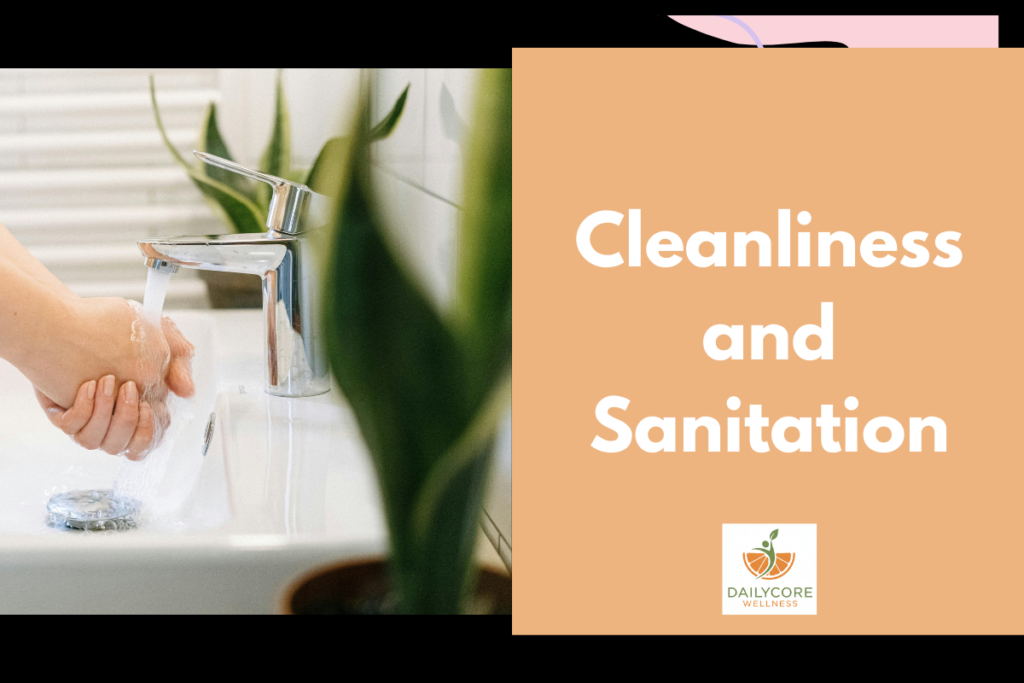
Hand hygiene is one of the most effective methods for maintaining cleanliness and sanitation. Hands frequently come into contact with surfaces that may carry bacteria, viruses, and other harmful microorganisms. Washing hands thoroughly with soap and clean water removes these pathogens and significantly reduces the risk of infection.
Effective handwashing should last at least twenty seconds and include cleaning between fingers, under fingernails, and around the wrists. This practice is particularly important before eating, after using the restroom, after handling waste, and after returning from public spaces.
Encouraging proper hand hygiene within households, schools, and workplaces strengthens overall sanitation standards. When individuals consistently follow this simple practice, they contribute to preventing the spread of illnesses and protecting the health of those around them.
3. Keep Food Preparation Areas Hygienic
Maintaining sanitation in food preparation areas is essential for preventing foodborne illnesses. Kitchens can easily become breeding grounds for bacteria if surfaces, utensils, and cooking equipment are not cleaned properly. Ensuring that food preparation spaces remain hygienic protects both individuals and families from harmful pathogens.
Proper sanitation includes regularly disinfecting countertops, cutting boards, and cooking utensils. Raw foods, especially meats, should be handled carefully to avoid cross-contamination with other ingredients. Washing fruits and vegetables thoroughly before consumption is also an important sanitation practice.
Organizing food storage areas and maintaining appropriate refrigeration temperatures further support cleanliness and sanitation. These practices help preserve food quality while minimizing the risk of bacterial growth. A hygienic kitchen environment ensures that meals are both safe and nutritious.
4. Maintain Clean and Organized Living Spaces
Clean living spaces contribute significantly to overall sanitation and personal well-being. Cluttered environments often collect dust, allergens, and bacteria that can affect respiratory health and general comfort. Maintaining organized spaces makes cleaning easier and supports consistent sanitation practices.
Regularly dusting furniture, vacuuming floors, and washing household fabrics such as curtains and bedding helps reduce the presence of contaminants. Proper ventilation also plays an important role in maintaining air quality and preventing moisture buildup that can lead to mold growth.
An organized environment encourages individuals to maintain consistent cleaning habits. When spaces are tidy and manageable, sanitation tasks become less overwhelming and more sustainable. This approach supports long-term cleanliness and contributes to a healthier living environment.
5. Dispose of Waste Properly
Effective waste disposal is a critical component of cleanliness and sanitation. Improper waste management can attract pests, create unpleasant odors, and contribute to the spread of harmful bacteria and diseases. Establishing proper waste disposal practices ensures that environments remain hygienic and safe.
Households and workplaces should use designated waste bins and ensure that garbage is removed regularly. Separating recyclable materials from general waste supports environmental sustainability while maintaining sanitation standards.
Keeping waste storage areas clean and covered prevents the spread of contaminants and discourages pest infestations. When individuals practice responsible waste management, they contribute to healthier communities and improved environmental conditions.
6. Clean Frequently Touched Surfaces Regularly
Frequently touched surfaces often accumulate bacteria and viruses, making them important targets for sanitation efforts. Items such as door handles, mobile devices, keyboards, and light switches are used multiple times throughout the day and can easily become sources of contamination.
Regular disinfection of these surfaces reduces the presence of harmful microorganisms. Using appropriate cleaning agents ensures that pathogens are effectively eliminated while maintaining the integrity of the surfaces being cleaned.
Establishing a routine for disinfecting frequently touched areas helps maintain consistent sanitation. This practice is particularly important in shared environments such as offices, schools, and public facilities. By prioritizing these high-contact areas, individuals can significantly reduce the risk of disease transmission.
7. Practice Proper Personal Hygiene
Personal hygiene is a cornerstone of cleanliness and sanitation. Activities such as regular bathing, wearing clean clothing, brushing teeth, and maintaining nail hygiene help reduce the accumulation of bacteria and prevent unpleasant odors. These practices also support overall health and self-confidence.
Maintaining personal hygiene protects not only the individual but also those around them. Poor hygiene habits can contribute to the spread of infectious diseases and create unsanitary living conditions.
Developing consistent hygiene routines ensures that sanitation becomes a natural part of daily life. Encouraging these habits within families and communities helps promote long-term health awareness and fosters a culture of cleanliness and responsibility.
8. Ensure Safe Water Usage
Access to clean water is essential for maintaining sanitation and supporting healthy living. Water is used for drinking, cooking, bathing, and cleaning, making its quality a critical factor in overall hygiene. Contaminated water sources can lead to serious health risks and widespread disease outbreaks.
Ensuring safe water usage involves storing water properly, using clean containers, and treating water when necessary. Boiling or filtering water can help eliminate harmful microorganisms and improve its safety for consumption.
Communities that prioritize clean water access strengthen their sanitation systems and protect public health. Safe water practices support hygiene habits and contribute to the prevention of waterborne diseases.
9. Maintain Proper Ventilation
Proper ventilation plays an important role in supporting cleanliness and sanitation within indoor environments. Fresh air circulation helps remove airborne contaminants, reduce humidity levels, and prevent the buildup of harmful microorganisms.
Poor ventilation can contribute to the growth of mold, bacteria, and other pollutants that affect respiratory health. Opening windows regularly, using ventilation systems, and ensuring adequate airflow in kitchens and bathrooms help maintain a healthier indoor environment.
Maintaining proper ventilation complements other sanitation practices by improving air quality and reducing environmental contaminants. This simple yet effective measure supports both hygiene and overall well-being.
10. Promote Hygiene Awareness in Communities
Cleanliness and sanitation become more effective when entire communities adopt hygienic practices. Educating individuals about the importance of sanitation encourages responsible behavior and promotes healthier environments for everyone.
Community programs, educational campaigns, and workplace hygiene initiatives help spread awareness about proper sanitation practices. Schools, health organizations, and community leaders play a significant role in promoting these efforts.
When sanitation awareness becomes a shared priority, individuals are more likely to adopt consistent hygiene habits. Collective action strengthens public health systems and ensures that communities maintain cleaner, safer environments for long-term well-being.
11. Clean Bathroom Surfaces Thoroughly
Bathrooms require special attention when maintaining cleanliness and sanitation because they are frequently exposed to moisture and bacteria. Surfaces such as sinks, toilets, bathtubs, and floors can easily become breeding grounds for harmful microorganisms if they are not cleaned regularly. Thorough sanitation of these areas helps prevent the spread of germs and maintains a hygienic environment for all household members.
Regular cleaning with disinfectants ensures that bacteria and viruses are effectively removed from bathroom surfaces. Particular attention should be given to high-contact areas such as faucet handles, toilet flush levers, and door handles. These areas are often touched multiple times throughout the day and can easily transmit germs if not sanitized properly.
Maintaining dry surfaces and proper ventilation also helps reduce bacterial growth and mold development. Consistent bathroom sanitation supports both hygiene and overall household health.
12. Wash Clothing and Linens Regularly
Clothing, towels, and bed linens can accumulate sweat, bacteria, and environmental contaminants throughout daily use. Washing these items regularly is an essential component of cleanliness and sanitation. Clean fabrics reduce exposure to harmful microorganisms and help maintain personal hygiene.
Laundry should be performed using appropriate detergents and proper water temperatures to ensure effective cleaning. Towels and bedding should be washed frequently because they come into direct contact with the skin and can harbor bacteria over time. Regular laundering helps prevent unpleasant odors and supports skin health.
Proper drying of clothes and linens is equally important for sanitation. Damp fabrics can promote bacterial growth and mold formation. Ensuring that fabrics are thoroughly dried maintains their cleanliness and prevents hygiene issues.
13. Maintain Clean Waste Bins
Waste bins play a significant role in cleanliness and sanitation, yet they are often overlooked during routine cleaning. Garbage containers can quickly accumulate bacteria, odors, and residue if they are not cleaned regularly. Proper maintenance of waste bins helps prevent contamination and supports a hygienic environment.
Bins should be emptied frequently to prevent overflow and reduce the attraction of pests such as flies or rodents. Using liners inside waste containers helps contain waste and makes disposal easier. After emptying, bins should be washed or disinfected to remove any remaining bacteria.
Maintaining clean waste bins contributes to overall sanitation by ensuring that waste materials do not contaminate surrounding areas. This practice supports effective waste management and promotes a healthier living environment.
14. Sanitize Kitchen Appliances
Kitchen appliances such as refrigerators, microwaves, stovetops, and blenders can accumulate food particles and bacteria over time. Regular sanitation of these appliances is necessary to maintain cleanliness and sanitation in food preparation areas. Neglecting appliance hygiene can lead to contamination and food safety issues.
Refrigerators should be cleaned regularly to remove expired food and spills that may encourage bacterial growth. Cooking appliances should also be wiped and sanitized after use to prevent the buildup of grease and residue. Keeping these appliances clean ensures that food is prepared in a safe environment.
Consistent sanitation of kitchen equipment helps maintain food quality and reduces the risk of foodborne illnesses. This practice strengthens overall hygiene within the kitchen and promotes healthier cooking habits.
15. Control Pest Infestations
Pests such as cockroaches, rodents, and flies pose serious threats to cleanliness and sanitation. These pests often carry bacteria and pathogens that can contaminate food, surfaces, and living spaces. Preventing pest infestations is therefore an essential part of maintaining a hygienic environment.
Proper waste management, sealing food containers, and eliminating standing water help reduce conditions that attract pests. Regular cleaning also removes food crumbs and debris that may serve as food sources for insects and rodents.
If infestations occur, prompt pest control measures should be implemented to prevent further contamination. Maintaining sanitation standards discourages pest activity and ensures that living spaces remain safe and hygienic.
16. Store Food Safely
Proper food storage is a critical aspect of cleanliness and sanitation. Food that is stored incorrectly can spoil quickly and become contaminated with harmful bacteria. Maintaining safe storage practices helps preserve food quality and protects individuals from foodborne illnesses.
Perishable foods should be refrigerated at appropriate temperatures to slow bacterial growth. Dry foods should be stored in sealed containers to prevent contamination from pests or environmental pollutants. Labeling and organizing stored food items also helps prevent the consumption of expired products.
Regularly inspecting stored food ensures that spoiled items are removed promptly. Safe food storage practices contribute to overall sanitation and help maintain a healthy kitchen environment.
17. Disinfect Cleaning Tools
Cleaning tools themselves can become sources of contamination if they are not properly sanitized. Items such as sponges, mops, cloths, and brushes can collect bacteria during cleaning activities. Regularly disinfecting these tools is essential for maintaining effective cleanliness and sanitation.
Sponges and cloths should be washed or replaced frequently to prevent bacterial buildup. Mops and buckets should be cleaned and dried after use to maintain hygiene. Using separate cleaning tools for different areas of the home can also reduce the risk of cross-contamination.
Maintaining clean cleaning tools ensures that sanitation efforts remain effective. When these tools are properly maintained, they help remove contaminants rather than spreading them to other surfaces.
18. Educate Children About Hygiene
Teaching children the importance of cleanliness and sanitation helps establish lifelong healthy habits. Early education about hygiene practices such as handwashing, personal cleanliness, and proper waste disposal encourages responsible behavior.
Children who understand sanitation principles are more likely to practice good hygiene consistently. Parents and educators play an important role in demonstrating proper cleaning habits and explaining the benefits of maintaining hygienic environments.
Incorporating hygiene education into daily routines helps children develop discipline and awareness about health. These early lessons contribute to long-term sanitation practices that benefit both individuals and communities.
19. Maintain Outdoor Cleanliness
Cleanliness and sanitation should extend beyond indoor spaces to include outdoor areas such as yards, gardens, and surrounding environments. Outdoor cleanliness helps prevent the accumulation of waste, standing water, and debris that may attract pests or create health hazards.
Regularly removing trash, trimming vegetation, and maintaining drainage systems supports environmental sanitation. Proper outdoor maintenance reduces the risk of mosquito breeding and other pest-related problems.
Communities that maintain clean outdoor environments benefit from improved public health and more pleasant living conditions. Consistent outdoor sanitation practices contribute to a healthier and more sustainable environment.
20. Conduct Periodic Deep Cleaning
Deep cleaning is an important component of long-term cleanliness and sanitation. While routine cleaning addresses daily maintenance, deep cleaning focuses on areas that may not be cleaned regularly. This process removes hidden dirt, bacteria, and allergens that accumulate over time.
Deep cleaning tasks may include washing walls, cleaning behind furniture, sanitizing storage areas, and thoroughly disinfecting appliances. These activities help eliminate contaminants that could compromise sanitation if left untreated.
Scheduling periodic deep cleaning sessions ensures that all areas of a home or workplace receive proper attention. This comprehensive approach strengthens overall hygiene practices and supports a consistently clean and sanitary environment.
Conclusion
Cleanliness and sanitation are essential components of a healthy and productive life. Maintaining hygienic environments and practicing proper sanitation habits significantly reduces the risk of disease and creates conditions that support overall well-being. When individuals prioritize cleanliness in their daily routines, they establish a strong foundation for long-term health and safety.
Consistency plays a critical role in sustaining effective sanitation practices. Occasional cleaning efforts are not enough to maintain hygienic conditions over time. Instead, regular routines and structured habits ensure that living and working environments remain safe and free from harmful contaminants.
The benefits of cleanliness and sanitation extend beyond immediate health protection. A clean environment promotes mental clarity, enhances productivity, and improves quality of life. These advantages make sanitation an essential part of both personal responsibility and community health.
Long-term results are achieved when cleanliness and sanitation become permanent lifestyle habits. By maintaining consistent hygiene practices, individuals and communities can build healthier environments, prevent disease, and support sustainable well-being for generations to come.
Share this:
- Share on Facebook (Opens in new window) Facebook
- Share on X (Opens in new window) X
- Share on WhatsApp (Opens in new window) WhatsApp
- Share on Threads (Opens in new window) Threads
- Share on LinkedIn (Opens in new window) LinkedIn
- Share on Telegram (Opens in new window) Telegram
- Email a link to a friend (Opens in new window) Email
- Share on Pinterest (Opens in new window) Pinterest