German Shepherd protection training is a specialized area of canine training designed to develop a dog’s instincts while maintaining control and discipline. Known for their intelligence, loyalty, and versatility, German Shepherds excel in protection roles when trained properly. This type of training requires a structured approach, combining obedience, socialization, and targeted protection exercises. It is not only about teaching aggression but about creating a balanced, confident, and responsive dog capable of distinguishing threats from everyday situations.
Effective German Shepherd protection training begins with foundational obedience. A dog that cannot reliably respond to basic commands such as “sit,” “stay,” or “heel” will struggle in more advanced protection exercises. Trainers often emphasize early socialization, exposing the dog to different environments, people, and situations to ensure they remain composed under stress. Consistency in this phase builds trust and reinforces the dog’s reliability, which is critical when moving on to protection-specific training.
Protection training for German Shepherds also involves understanding the dog’s psychology. This breed naturally possesses strong protective instincts, but these instincts must be guided carefully. Training methods typically focus on controlled aggression, bite work with supervision, and scenario-based drills. Proper training ensures the dog responds appropriately, protects without unnecessary aggression, and maintains a calm demeanor when not actively engaged in protection work.
Foundational Principles of German Shepherd Protection Training
Protection training for German Shepherds relies heavily on establishing strong obedience and discipline. Before introducing any advanced protection exercises, dogs must master basic commands such as “sit,” “stay,” “come,” and “leave it.” These commands are crucial in controlling the dog’s actions during high-intensity situations. Early training should also emphasize leash control, recall, and focus, ensuring the dog can respond under distractions. A well-disciplined dog is safer and more effective in protection scenarios, minimizing the risk of uncontrolled aggression.
Socialization is equally important. German Shepherds must learn to differentiate between everyday interactions and potential threats. Exposure to various environments, people, and situations allows the dog to remain confident and composed, preventing unnecessary anxiety or overreaction. Trainers often integrate controlled stimulus-response exercises, teaching the dog to assess situations carefully before acting. By combining obedience, socialization, and mental stimulation, owners can develop a German Shepherd that is both responsive and reliable in protection scenarios, forming the foundation for more advanced training.
Advanced Techniques and Safety Considerations
Once foundational obedience is established, German Shepherd protection training can progress to advanced techniques such as bite work, attack commands, and scenario-based drills. Bite work is typically conducted using protective gear or sleeves to ensure the dog’s safety and the trainer’s security. Dogs learn to target specific areas under command, releasing immediately when instructed. These exercises enhance control, build confidence, and channel the dog’s natural protective instincts appropriately.
Safety considerations are critical throughout protection training. Overly aggressive or improperly supervised dogs pose a significant risk to themselves and others. Trainers must monitor stress levels, avoid excessive repetition, and maintain positive reinforcement to encourage correct behavior. Scenario-based drills, such as mock intruder exercises, allow the dog to practice real-world responses in controlled conditions. Combining advanced techniques with safety protocols ensures the German Shepherd remains a disciplined, effective, and confident protection dog capable of safeguarding people or property while remaining under the owner’s control.
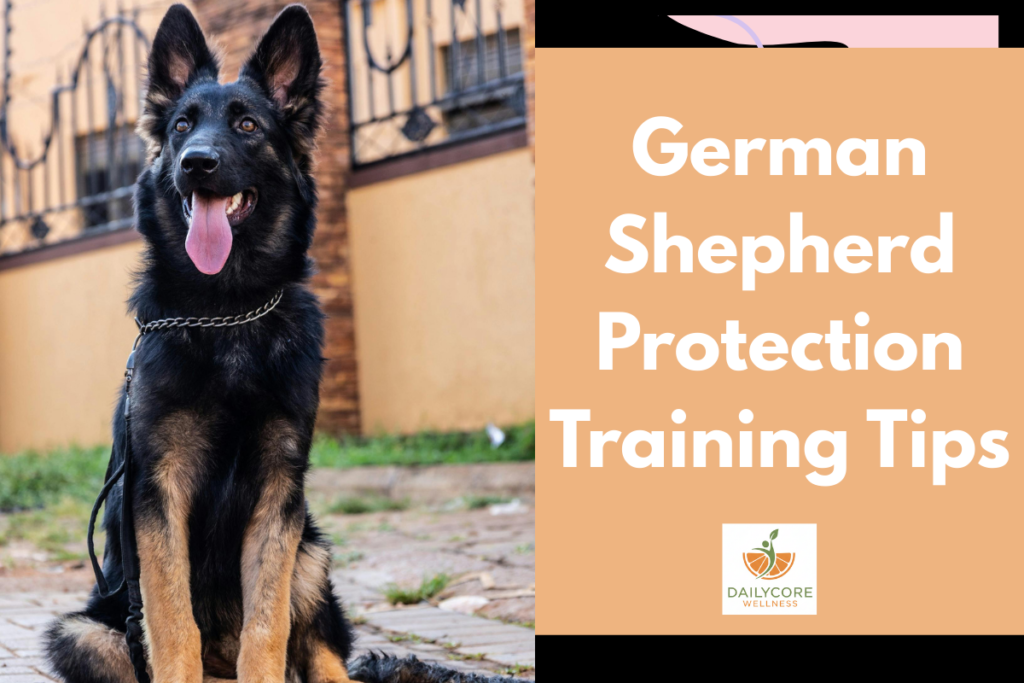
German Shepherd Protection Training Tips, 4th September 2026
1. “Start with Strong Basic Obedience.”
Basic commands are the cornerstone of effective protection training. Without mastery of “sit,” “stay,” “heel,” and “come,” advanced exercises will fail. Regular, structured obedience sessions create reliability and trust, ensuring the dog responds promptly under stress. Repetition, consistency, and patience are essential, as German Shepherds thrive on clear rules and expectations.
2. “Socialize Early and Frequently.”
Exposing your German Shepherd to diverse environments, people, and animals reduces fear and overreaction. Early socialization allows the dog to distinguish between normal situations and genuine threats. Controlled social exposure prevents anxiety-driven aggression and builds confidence, a critical trait for protection work.
3. “Use Positive Reinforcement.”
Rewarding desired behavior strengthens learning and encourages compliance. Treats, praise, and play motivate the dog to follow commands willingly. Positive reinforcement prevents fear-based aggression and fosters a cooperative, eager-to-learn attitude, making protection training more effective and enjoyable for both dog and owner.
4. “Introduce Controlled Bite Work.”
Bite training should always involve protective equipment to prevent injury. Dogs learn to target specific areas on command and release promptly. Structured bite exercises build controlled aggression, confidence, and practical protection skills while reinforcing obedience under high-stress situations.
5. “Practice Scenario-Based Drills.”
Simulated real-life scenarios allow the dog to apply skills in controlled conditions. Mock intruder exercises or perimeter protection drills teach the dog to assess threats, respond appropriately, and follow commands. These exercises enhance preparedness, reinforcing the dog’s confidence and reliability in protection tasks.
6. “Maintain Consistent Training Schedule.”
Regular, structured sessions prevent skill regression. German Shepherds respond best to consistency, which reinforces obedience, discipline, and protection instincts. A predictable training schedule ensures the dog remains sharp, responsive, and confident in its abilities over time.
7. “Monitor Stress and Fatigue Levels.”
Avoid overworking your dog, as stress and fatigue can lead to aggression or disobedience. Observe behavior, provide rest periods, and adjust intensity as needed. Maintaining physical and mental well-being ensures a balanced, effective protection dog.
8. “Work with a Professional Trainer.”
Experienced trainers provide guidance, correct techniques, and safety oversight. Professional supervision is invaluable for advanced bite work, scenario-based drills, and behavioral assessments. Collaboration ensures the dog’s training is effective, safe, and tailored to its temperament and skill level.
9. “Reinforce Training in Everyday Life.”
Protection skills should extend beyond formal sessions. Integrating commands, socialization, and controlled exposure into daily routines keeps the dog sharp and reinforces learned behaviors. Consistency in real-life situations strengthens obedience and reliability.
10. “Commit to Long-Term Training and Evaluation.”
German Shepherd protection training is an ongoing process. Regular evaluations, refresher sessions, and continuous practice ensure skills remain sharp and instincts are properly controlled. Long-term commitment fosters a confident, disciplined, and dependable protection dog.
11. “Focus on Impulse Control.”
Impulse control is critical for protection dogs. German Shepherds must learn to resist reacting impulsively to distractions or perceived threats. Training exercises such as “wait,” “leave it,” and controlled approaches teach the dog patience and self-discipline. Consistently reinforcing impulse control ensures the dog responds only when commanded, reducing the risk of unwanted aggression. Structured sessions that challenge focus in varied environments build reliability, allowing the dog to differentiate between everyday stimuli and actual threats. This skill is essential for maintaining obedience in high-stress protection scenarios and helps prevent mistakes that could compromise safety or effectiveness.
12. “Build Confidence Through Gradual Challenges.”
Protection training requires a confident dog capable of handling uncertainty. Gradually introducing new challenges, from unfamiliar environments to controlled exposure to strangers, strengthens courage and problem-solving skills. Avoid overwhelming the dog, as excessive pressure can create fear-based aggression. Instead, progress incrementally, celebrating successful responses at each stage. Confidence-building exercises encourage the dog to trust its instincts while remaining under owner control. A confident German Shepherd responds decisively in protection scenarios, making training more effective. Reinforcing these experiences with positive feedback ensures the dog remains eager, alert, and mentally resilient during both training and real-world situations.
13. “Teach Controlled Barking.”
Barking is a natural alerting behavior for German Shepherds, but it must be controlled to avoid excessive noise or miscommunication. Train the dog to bark on command and cease when instructed. This ensures the dog can effectively signal threats without becoming a nuisance. Controlled barking also reinforces discipline, helping the dog understand boundaries and respond selectively. Regular practice in varied environments, paired with positive reinforcement, strengthens this skill. Over time, the dog learns to differentiate between situations requiring attention and those that do not. Controlled vocalization enhances the dog’s protection abilities while maintaining composure and obedience, making it a reliable guardian.
14. “Incorporate Physical Conditioning.”
A German Shepherd’s protection performance depends on physical fitness. Regular exercise, including running, agility drills, and structured play, strengthens muscles, endurance, and overall health. Physical conditioning supports stamina during extended protection tasks and reduces the risk of injury during bite work or scenario-based drills. Combining mental and physical training ensures the dog remains alert, responsive, and resilient under stress. Exercise routines should balance cardiovascular, strength, and flexibility components while being age-appropriate and progressive. A well-conditioned German Shepherd not only performs better in protection exercises but also maintains long-term health and vitality, enhancing both training success and quality of life.
15. “Use Clear and Consistent Commands.”
Consistency in communication is essential for effective training. Commands should be simple, distinct, and used uniformly across all sessions. German Shepherds thrive on predictable signals, which reduce confusion and accelerate learning. Avoid mixing verbal and hand cues inconsistently, as this may undermine obedience. Reinforcing commands through repetition, practice, and positive reinforcement ensures reliability under pressure. Clear communication allows the dog to act confidently, particularly in high-stress protection scenarios. Consistency strengthens trust between dog and owner, ensuring commands are obeyed promptly. Over time, this approach creates a disciplined, responsive dog capable of executing complex protection tasks accurately and safely.
16. “Train for Controlled Aggression.”
Controlled aggression is the foundation of protection training. German Shepherds naturally possess protective instincts, but they must be directed safely. Bite exercises, threat assessment drills, and scenario-based training teach the dog to act decisively when required while maintaining control. Emphasis on release commands ensures aggression is appropriate and temporary. Reinforcing calm behavior alongside controlled assertiveness prevents the development of fear-driven or unpredictable aggression. Structured, supervised exercises teach the dog when and how to use its strength effectively, making it a reliable protection partner. Properly managed controlled aggression protects people and property without compromising safety or obedience.
17. “Rotate Training Environments.”
Exposure to varied locations strengthens adaptability. Conduct training in different settings, including homes, public areas, and open fields. Changing environments introduce new distractions, testing the dog’s focus and obedience under unpredictable conditions. Rotating environments prevents the dog from becoming dependent on familiar surroundings and ensures skills transfer to real-world protection scenarios. Consistent practice across diverse locations enhances confidence, mental resilience, and decision-making. By challenging the dog in multiple contexts, owners develop a versatile German Shepherd capable of responding accurately and reliably in both routine and unexpected situations, improving overall protection effectiveness.
18. “Monitor and Reward Calm Behavior.”
Reinforcing calm, controlled behavior is as important as rewarding active protection skills. German Shepherds must maintain composure when not engaged in protection tasks to prevent unnecessary aggression or anxiety. Rewarding calmness during distractions, after training, or in stimulating environments strengthens self-control. Positive reinforcement encourages the dog to remain focused and composed, supporting safe and effective protection performance. This balance between readiness and calmness ensures the dog can quickly transition from rest to action, maintaining reliability without creating a high-strung, reactive temperament. Calm behavior contributes to overall obedience, safety, and mental well-being.
19. “Incorporate Scent and Tracking Exercises.”
Scent work enhances mental stimulation and protection capabilities. German Shepherds naturally excel in tracking, and incorporating scent exercises improves focus, problem-solving, and alertness. Begin with simple scent trails, gradually increasing complexity with distractions or longer distances. Tracking exercises simulate real-world scenarios, reinforcing detection and protective instincts. Mental engagement through scent work complements physical training, preventing boredom and promoting obedience. Dogs that excel in scent and tracking are better equipped for protection roles, as they can detect intruders or threats efficiently. Consistent practice sharpens skills, creating a versatile, attentive, and highly capable German Shepherd.
20. “Regularly Assess and Adjust Training Plans”
Continuous evaluation ensures training remains effective and relevant. Monitor the dog’s progress, adjusting exercises based on performance, temperament, and age. Regular assessments identify strengths, weaknesses, and areas requiring reinforcement. Flexibility in training plans allows owners to challenge the dog appropriately while maintaining safety and balance. Periodic reassessment keeps skills sharp, prevents stagnation, and ensures long-term effectiveness in protection scenarios. Combining structured evaluation with consistent practice and reinforcement fosters a German Shepherd that is disciplined, confident, and capable of reliably responding to threats while maintaining composure under any conditions.
Conclusion
German Shepherd protection training is a long-term endeavor that demands patience, consistency, and dedication. By establishing strong obedience and socialization early, owners lay the groundwork for effective protection skills. Advanced exercises, including bite work and scenario-based drills, build controlled aggression and practical readiness. However, safety, supervision, and positive reinforcement remain essential throughout all phases of training.
Consistency is the most important factor in achieving lasting results. Regular training sessions, integrated into daily routines, ensure skills are reinforced and instincts properly managed. German Shepherds thrive on structure, clear rules, and repetitive practice, which strengthens both behavior and the bond between dog and owner.
Long-term commitment also involves monitoring the dog’s physical and mental health. A well-balanced German Shepherd is confident, responsive, and capable of protection without unnecessary aggression. Owners who invest in ongoing training and evaluation create a dependable, disciplined, and versatile protection dog.
Ultimately, German Shepherd protection training is not just about security—it is about cultivating a trustworthy partnership. When approached methodically, with patience, expertise, and dedication, owners develop a loyal, capable dog that consistently responds to threats while maintaining calm and composure. Long-term success is achieved through a balance of discipline, positive reinforcement, and continuous engagement.