Trained German Shepherd protection dogs are widely recognized for their intelligence, loyalty, and protective instincts. These dogs are more than just pets; they are highly skilled companions capable of safeguarding individuals, families, and properties. Their reputation as one of the most effective protection dog breeds is well-earned, combining physical strength with remarkable trainability.
Investing in trained German Shepherd protection dogs requires a commitment to understanding their unique behavioral traits. These dogs thrive in structured environments where consistent training, discipline, and mental stimulation are prioritized. Owners benefit not only from increased security but also from the companionship of a deeply loyal and intelligent animal capable of responding to complex commands.
The process of training German Shepherd protection dogs demands expertise, patience, and strategic techniques. Properly trained dogs can detect threats, respond to commands instantly, and exhibit controlled aggression only when necessary. By focusing on both obedience and protection skills, handlers can ensure their dog performs efficiently in high-stress situations while maintaining safety around family and strangers.
Moreover, trained German Shepherd protection dogs enhance personal confidence and peace of mind. The presence of a well-trained protection dog can deter potential intruders, provide assistance in emergency scenarios, and establish a structured routine that benefits both the dog and the owner. Understanding the training methods and practical applications of these dogs is key to maximizing their effectiveness as protective companions.
The Benefits of Trained German Shepherd Protection Dogs
Trained German Shepherd protection dogs offer a unique combination of physical capability and mental sharpness. Their athleticism allows them to patrol properties, respond to threats swiftly, and maintain vigilance for extended periods. Beyond their physical traits, these dogs develop heightened situational awareness, making them alert to unusual movements or suspicious activity. This dual advantage of intelligence and strength ensures that they can provide both deterrence and intervention when needed.
Additionally, trained protection dogs are highly adaptable to various environments. Whether deployed in a home, office, or large property, German Shepherds quickly learn to recognize boundaries and respond appropriately to different stimuli. Their ability to distinguish between genuine threats and routine interactions is a testament to their specialized training. Owners also benefit from the bond formed through consistent handling and reinforcement of positive behaviors, fostering loyalty, obedience, and emotional connection.
Training Techniques for Optimal Protection
Successful training of German Shepherd protection dogs combines obedience commands with controlled protection exercises. Obedience forms the foundation, ensuring the dog responds instantly to basic and advanced commands such as sit, stay, heel, and recall. Once these are mastered, specialized protection training can be introduced, including threat detection, controlled aggression, and alert behaviors. Structured training sessions that emphasize positive reinforcement produce reliable, confident dogs capable of functioning effectively under pressure.
Professional trainers often recommend early socialization alongside protection training. Introducing the dog to various environments, people, and situations helps prevent anxiety, fear-based aggression, or misinterpretation of stimuli. Repetition, consistency, and clear communication between handler and dog are critical for maintaining discipline. Advanced exercises, such as scenario-based drills and obedience under distraction, ensure that German Shepherd protection dogs are prepared for real-world protective duties without compromising their safety or that of others.
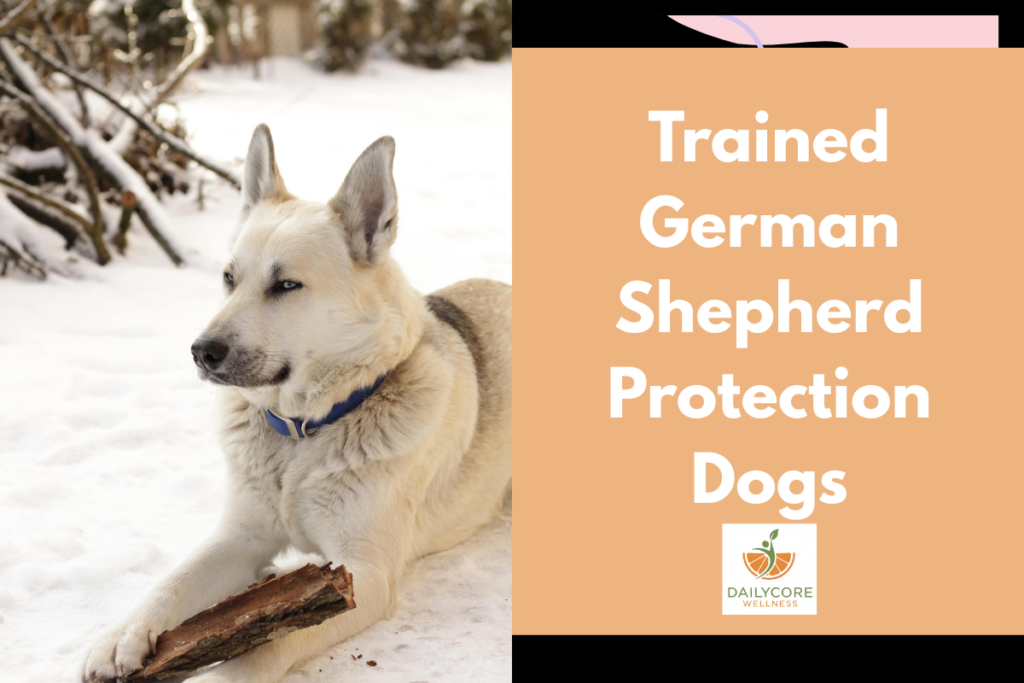
Guide for Trained German Shepherd Protection Dogs, 4th September 2026
1. “Prioritize Early Socialization.”
Early socialization is crucial for trained German Shepherd protection dogs. Introducing puppies to diverse environments, sounds, and people helps develop confidence and reduces fear-related aggression. Exposure to controlled situations ensures they can distinguish between normal interactions and potential threats. Socialized dogs are more reliable in protection scenarios, as they respond accurately without misjudging harmless stimuli. Consistency during this phase builds trust between handler and dog, forming a foundation for advanced training while promoting emotional stability and adaptability throughout adulthood.
2. “Implement Obedience as a Foundation.”
Obedience is the cornerstone of protection dog training. Commands such as sit, stay, heel, and recall must be mastered before introducing protection exercises. Reliable obedience ensures that the dog can follow instructions under pressure and maintain control during potentially dangerous situations. Regular reinforcement, structured routines, and positive feedback create a disciplined and responsive dog. By emphasizing obedience first, handlers reduce the risk of uncontrolled aggression and establish a professional standard of behavior essential for both safety and efficiency in protection roles.
3. “Use Positive Reinforcement Techniques.”
Positive reinforcement encourages desired behaviors by rewarding the dog when it executes commands correctly. Treats, praise, and playtime strengthen the association between obedience and reward, increasing motivation and engagement. Trained German Shepherd protection dogs respond more consistently to rewards than to punishment, which can create fear or anxiety. This approach fosters a confident and willing protector who understands their role while maintaining a strong bond with the handler. Reinforcement should be timely and precise to reinforce clear behavioral expectations.
4. “Practice Controlled Aggression Exercises.”
Controlled aggression exercises teach dogs to respond to threats appropriately without endangering others unnecessarily. Using professional guidance, dogs learn when to display protective behavior and when to remain calm. This training is crucial for real-life situations, where improper responses could result in harm or liability issues. Structured drills, often scenario-based, allow dogs to distinguish between genuine threats and routine activities, ensuring their actions are both effective and safe.
5. “Maintain Consistent Training Schedule.”
Consistency is key in maintaining obedience and protective abilities. Regular training sessions, preferably daily or multiple times per week, reinforce commands, behavioral expectations, and learned skills. Inconsistency can lead to confusion or regression in trained behaviors. A structured schedule ensures mental stimulation, physical exercise, and skill retention. Over time, consistent training produces a reliable and disciplined protection dog capable of performing under various circumstances without hesitation.
6. “Introduce Scenario-Based Drills.”
Scenario-based drills simulate real-life threats, such as intruders or emergencies. These exercises help German Shepherd protection dogs apply their training in practical, high-pressure conditions. By practicing under controlled scenarios, dogs develop quick decision-making skills and strengthen their ability to assess situations accurately. Scenario drills also provide handlers with insight into their dog’s reactions, allowing adjustments to training plans to enhance performance, safety, and confidence in real-world protective roles.
7. “Focus on Physical Conditioning.”
Physical fitness is critical for protection dogs to perform effectively. Regular exercise, including running, agility training, and strength-building activities, ensures endurance, speed, and overall health. A well-conditioned German Shepherd can respond quickly to threats, patrol large areas, and maintain high levels of vigilance without fatigue. Physical conditioning also prevents injuries, promotes longevity, and supports mental alertness, making it an essential component of comprehensive protection dog training.
8. “Monitor Behavioral Changes Closely.”
Observation is key to identifying stress, fear, or health-related issues that may affect performance. Behavioral changes can indicate discomfort, illness, or inadequate training adaptation. Promptly addressing these issues prevents long-term problems and ensures the dog remains a reliable protector. Handlers should maintain detailed records of behavior, training progress, and reactions to new stimuli, enabling proactive adjustments to maintain consistency and safety in both training and operational environments.
9. “Enhance Handler-Dog Communication.”
Clear communication between the handler and dog ensures that commands are understood and executed accurately. Verbal cues, hand signals, and body language should be consistent and precise. Strong communication builds trust, reduces hesitation during protective actions, and allows the dog to interpret complex instructions efficiently. Effective communication also strengthens the bond between handler and dog, increasing obedience, reliability, and mutual respect, which are essential for high-performance protection work.
10. “Reinforce Long-Term Skill Retention.”
Long-term reinforcement maintains protective and obedience skills throughout a dog’s life. Periodic refresher training, new drills, and exposure to varying environments prevent skill decay. Continuous learning challenges the dog mentally and physically, ensuring it remains sharp and responsive. A focus on retention not only preserves protective capabilities but also fosters a lifelong partnership between handler and dog built on consistency, trust, and mutual understanding.
11. “Develop Impulse Control.”
Impulse control is essential for trained German Shepherd protection dogs to respond appropriately in high-pressure situations. Dogs must learn to pause before acting, ensuring they assess a situation rather than react instinctively. Exercises such as “wait,” “leave it,” and delayed rewards teach patience and reinforce discipline. Strong impulse control reduces accidental aggression and improves obedience during unpredictable encounters. Handlers should practice these exercises consistently, gradually increasing distractions and complexity. Over time, impulse control allows dogs to distinguish between genuine threats and harmless activity, ensuring they act decisively and safely only when necessary. This skill strengthens both protection effectiveness and overall behavioral stability.
12. “Introduce Controlled Stranger Interactions.”
Trained protection dogs must differentiate between strangers and potential threats. Controlled interactions with unfamiliar people help German Shepherds develop accurate threat assessment. Under supervision, handlers expose dogs to various strangers in neutral contexts while reinforcing calm behavior. By pairing exposure with positive reinforcement for composure, dogs learn to resist overreacting or showing unnecessary aggression. This approach ensures that the dog remains protective without posing risks to visitors, delivery personnel, or family friends. Gradually increasing the complexity and unpredictability of these interactions strengthens the dog’s confidence, focus, and reliability, enhancing their ability to respond appropriately to real-life security situations.
13. “Reinforce Boundary Training.”
Boundary training teaches protection dogs the limits of the area they are assigned to guard. German Shepherds learn to patrol designated spaces and respond when boundaries are breached. This skill prevents them from wandering or engaging outside their protective zone while maintaining vigilance. Handlers can mark boundaries with visual or physical cues and consistently reward the dog for recognizing and respecting them. Reinforcing boundaries ensures controlled, predictable behavior, particularly in larger properties or urban environments. Over time, boundary-trained dogs develop a strong sense of spatial responsibility, enhancing security efficiency while maintaining safety for family members and visitors.
14. “Practice Recall Under Distraction.”
Reliable recall is critical for trained German Shepherd protection dogs, especially during high-stress scenarios. Practicing recall under distractions, such as other animals, loud noises, or unexpected movements, ensures that the dog responds immediately regardless of external stimuli. Handlers should gradually increase the complexity of distractions while consistently rewarding prompt returns. This training strengthens obedience and builds confidence in the dog’s ability to refocus on commands, even in chaotic environments. Effective recall minimizes risk during protection tasks, allowing handlers to maintain control while the dog performs security duties with precision, reliability, and safety.
15. “Maintain Mental Stimulation.”
Mental stimulation is vital for German Shepherd protection dogs to prevent boredom and maintain focus. These highly intelligent animals require challenging tasks, puzzle games, scent work, or problem-solving exercises to remain sharp and engaged. Mentally stimulated dogs are less prone to destructive behaviors, anxiety, or misdirected aggression. Incorporating training drills that test decision-making, memory, and attention enhances cognitive development while reinforcing protective instincts. Regular mental engagement ensures sustained alertness and responsiveness in real-world scenarios. By balancing physical activity with cognitive challenges, handlers maintain well-rounded, disciplined dogs capable of performing protection duties effectively without behavioral regression or loss of interest.
16. “Regularly Update Training Techniques.”
Protection dog training evolves with experience and advancements in canine behavior science. Handlers should review and update training techniques regularly to maintain effectiveness. Introducing new drills, refining commands, and incorporating scenario variations prevent skill stagnation and encourage continuous learning. Updated training strengthens adaptability, ensures dogs remain alert to diverse threats, and reinforces consistent behavior. Professional guidance, ongoing evaluation, and performance reviews allow handlers to adjust strategies as needed. Keeping training methods current ensures that German Shepherd protection dogs retain peak performance, adapt to changing environments, and continue to provide reliable, professional-level protection over the long term.
17. “Ensure Nutritional Support for Performance.”
18. “Develop Confidence Through Gradual Challenges.”
Confidence is a critical trait for effective protection dogs. Gradual exposure to progressively challenging tasks builds resilience and self-assurance. Training should start with manageable exercises and controlled scenarios, increasing difficulty as the dog demonstrates competence. Confidence ensures the dog can make quick, decisive decisions in stressful situations without hesitation. Handlers must balance challenges with support, reinforcement, and reassurance to avoid fear or uncertainty. Well-developed confidence translates to consistent performance, controlled aggression, and reliable responsiveness. By nurturing confidence, handlers cultivate German Shepherd protection dogs capable of tackling complex protection tasks while maintaining composure, obedience, and effective threat assessment.
19. “Incorporate Agility Training.”
Agility training improves speed, coordination, and overall fitness for trained German Shepherd protection dogs. Navigating obstacles, climbing platforms, and performing controlled maneuvers enhances physical strength, flexibility, and reaction time. Agility exercises also reinforce obedience and handler communication, as dogs must follow precise commands while executing movements. Beyond physical benefits, agility challenges mental focus and problem-solving skills. Regular agility training ensures dogs are prepared for dynamic scenarios, whether patrolling, pursuing threats, or navigating complex environments. This combination of physical and cognitive conditioning strengthens protective effectiveness, increases stamina, and maintains a high level of operational readiness.
20. “Regular Veterinary and Health Check-Ups.”
Maintaining the health of protection dogs is essential for consistent performance. Regular veterinary check-ups, vaccinations, dental care, and preventative treatments protect against illness, injury, and long-term complications. Healthy dogs are more alert, responsive, and capable of enduring demanding training and protection duties. Handlers should monitor weight, mobility, and overall well-being to identify early signs of issues. Preventative care not only prolongs the dog’s active years but also ensures reliability and safety during protective operations. A well-maintained health regimen complements training efforts, reinforcing stamina, focus, and overall readiness for professional protection work.
Conclusion
Trained German Shepherd protection dogs represent a unique combination of loyalty, intelligence, and physical capability, making them among the most effective companions for personal and property security. Their performance depends heavily on structured training, early socialization, and consistent reinforcement of both obedience and protection skills. By prioritizing scenario-based drills, positive reinforcement, and ongoing monitoring, handlers can ensure their dogs maintain optimal readiness throughout their lives.
Consistency is the foundation for success with protection dogs. Regular training sessions, structured routines, and clear communication help German Shepherds retain learned skills while building trust and confidence with their handlers. A disciplined approach reduces the risk of uncontrolled aggression, enhances situational awareness, and ensures that the dog acts decisively when required.
Long-term results are achieved through patience, repetition, and proactive engagement. Protection dogs that are mentally stimulated, physically conditioned, and consistently trained develop reliability and resilience. These qualities enable them to perform under pressure, adapt to diverse environments, and maintain peak performance for years.
Ultimately, investing in trained German Shepherd protection dogs is a commitment to ongoing development, partnership, and responsibility. Consistent application of expert training methods, combined with a focus on mental, physical, and behavioral well-being, ensures that these dogs remain vigilant, obedient, and effective protectors, offering both security and companionship for the long term.