Hair care in Japan is renowned worldwide for its emphasis on maintaining healthy, strong, and naturally beautiful hair. Rooted in centuries-old traditions and modern science, Japanese hair care focuses on gentle, effective techniques and high-quality ingredients. Unlike harsh treatments that provide temporary results, Japanese hair care emphasizes prevention, nourishment, and long-term hair health.
A key principle of hair care in Japan is understanding your hair type and scalp needs. Japanese routines are tailored for optimal hydration, strengthening, and protection against environmental damage. Products often incorporate natural ingredients such as camellia oil, rice bran extract, and green tea, which provide vitamins, antioxidants, and moisture to maintain hair resilience and shine.
Daily hair care is considered a ritual in Japan, combining proper cleansing, conditioning, and scalp care with mindfulness. Gentle washing, protective styling, and heat control prevent breakage, dryness, and damage from UV or pollution. By prioritizing regular care and healthy habits, individuals achieve hair that is not only beautiful but also strong and manageable.
Ultimately, Japanese hair care emphasizes long-term results rather than instant fixes. Through consistent use of carefully formulated products, natural ingredients, and proper techniques, individuals can maintain smooth, glossy, and resilient hair. Integrating these practices into daily routines ensures sustainable hair health and a polished appearance for years to come.
Core Principles of Hair Care Japan
Japanese hair care emphasizes a holistic approach that balances cleansing, hydration, and nourishment. Cleansing routines often involve sulfate-free shampoos to gently remove dirt, oil, and product buildup without stripping natural oils. Scalp care is central, as a healthy scalp supports hair growth and strength. Conditioning after washing replenishes moisture and smooths the hair cuticle, enhancing shine and reducing tangling. Treatments like leave-in conditioners or lightweight oils help maintain elasticity and manageability.
Another principle is protection from environmental stressors and heat damage. Japanese hair care routines often include UV protection, limiting exposure to the sun and pollution. Minimal use of heat tools or incorporating heat protectants preserves hair integrity. Regular scalp massages improve circulation and nutrient delivery, enhancing hair health. This careful, consistent approach to washing, protecting, and nourishing hair ensures long-lasting strength, shine, and resilience.
Key Ingredients in Japanese Hair Care
Japanese hair care relies heavily on natural, nutrient-rich ingredients. Camellia oil, a traditional staple, provides deep hydration, strengthens hair, and adds shine without greasiness. Rice bran extract supplies vitamins and antioxidants that repair damage and improve scalp health. Green tea extract offers anti-inflammatory and protective benefits, helping reduce oxidative stress from the environment. Fermented botanical ingredients enhance the absorption of nutrients, promoting smooth and strong hair over time.
Additional ingredients include hyaluronic acid for moisture retention and silk proteins to strengthen the hair shaft. Japanese products often combine these ingredients in lightweight, non-greasy formulations suitable for daily use. By selecting products containing these natural elements, individuals can maintain healthy, shiny hair while minimizing damage from chemicals, heat, and environmental factors. Proper use of these ingredients ensures sustainable hair care results.
20 Expert Tips for Hair Care Japan, 4th September 2026
1. “Choose a Sulfate-Free Shampoo.”
Sulfate-free shampoos are a cornerstone of Japanese hair care because they cleanse effectively without stripping natural oils. These shampoos are gentle on the scalp, reducing dryness and irritation while maintaining the hair’s natural protective barrier. Consistent use prevents frizz, split ends, and damage from over-washing. Many Japanese formulas include natural ingredients like camellia oil, rice bran extract, or green tea, which provide hydration and strengthen hair strands. Selecting a sulfate-free shampoo appropriate for your hair type ensures optimal results. Over time, this practice promotes stronger, shinier, and healthier hair. Combining a gentle shampoo with proper conditioning further enhances hair vitality and resilience.
2. “Condition Every Wash.”
Conditioning is essential for maintaining hair moisture and preventing tangling or breakage. Japanese hair care emphasizes applying conditioner from the mid-lengths to ends, avoiding the scalp to prevent oil buildup. Consistent conditioning replenishes hydration lost during washing, smooths the cuticle, and enhances shine. Formulas often contain plant-based oils or proteins to repair and strengthen hair fibers. For dry or chemically treated hair, deeper conditioning masks can be used weekly. Regular use of conditioner reduces frizz, improves manageability, and maintains elasticity, ensuring hair remains soft and resilient. Conditioning is a critical step for preserving hair integrity and complementing cleansing in a daily Japanese hair care routine.
3. “Use Camellia Oil for Strength.”
Camellia oil is a traditional Japanese hair care ingredient known for its nourishing and strengthening properties. It penetrates the hair shaft to provide hydration, reduce frizz, and enhance shine without leaving a greasy residue. Regular application strengthens weak or damaged hair, prevents split ends, and improves elasticity. Camellia oil also protects hair from environmental stressors such as UV rays, pollution, and heat styling. Applying it to damp hair or using a few drops as a finishing serum ensures long-lasting smoothness and softness. Incorporating camellia oil into a consistent hair care routine supports healthy, resilient, and naturally glossy hair over time.
4. “Protect Hair from Heat.”
Heat styling can cause long-term hair damage, including dryness, split ends, and weakened strands. Japanese hair care prioritizes using heat protectant sprays or serums before blow-drying, straightening, or curling. These products form a protective barrier, minimizing heat-related protein loss and preserving moisture. Avoid excessive temperatures and limit daily heat use to prevent cumulative damage. Regularly monitoring hair health and adjusting styling routines accordingly reduces breakage and maintains natural shine. Combining heat protection with gentle brushing and conditioning ensures hair remains smooth, flexible, and strong. Long-term, heat protection enhances hair longevity, reduces frizz, and maintains overall scalp and hair health.
5. “Incorporate Scalp Massages.”
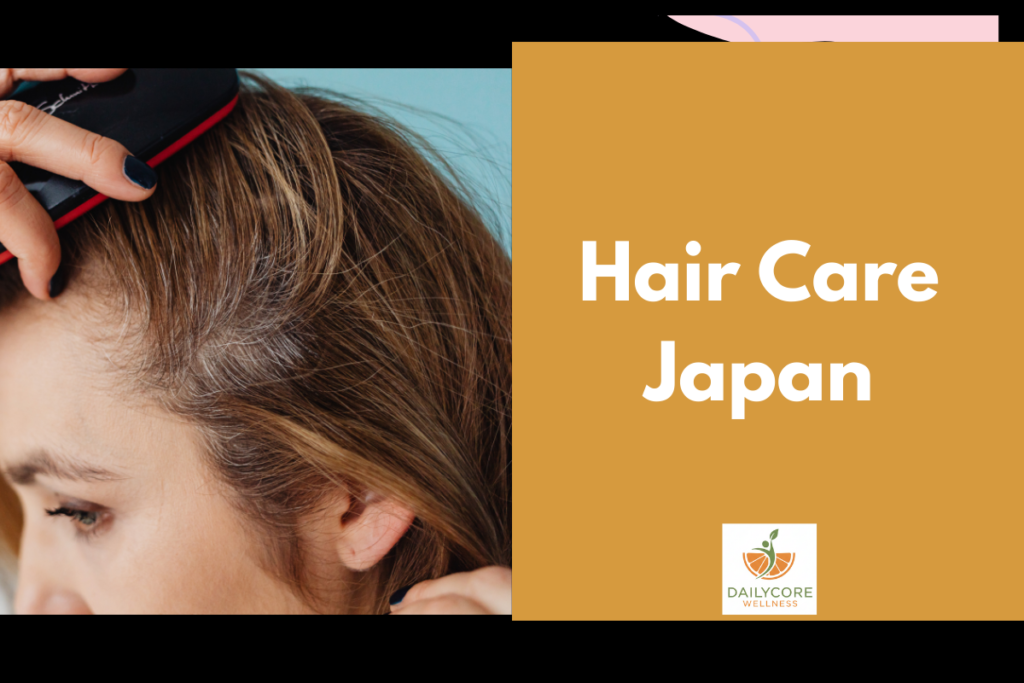
Scalp massages are an integral part of Japanese hair care, promoting circulation and stimulating hair follicles. Gentle massaging increases blood flow, delivering essential nutrients to the scalp and supporting healthy hair growth. It can also relieve tension, reduce stress, and improve overall scalp health by preventing buildup and dryness. Scalp massage combined with nourishing oils enhances absorption of beneficial ingredients while promoting relaxation. Consistent practice strengthens roots, reduces hair shedding, and maintains a balanced, healthy scalp. Over time, regular scalp massage becomes a simple yet powerful habit, improving hair density, vitality, and shine while complementing other Japanese hair care practices for long-term results.
6. “Avoid Over-Washing.”
Washing hair too frequently can strip natural oils, leaving hair dry, brittle, and prone to breakage. Japanese hair care recommends washing hair every 2–3 days for most hair types, adjusting based on scalp oiliness and activity level. Over-washing can also disrupt the scalp’s natural microbiome, potentially causing irritation or dandruff. When washing, use gentle, sulfate-free shampoos and follow with conditioning to maintain moisture. Skipping unnecessary washes reduces stress on hair strands and allows natural oils to nourish the scalp and ends. Over time, this approach supports balanced, healthy hair, preserving softness, strength, and manageability.
7. “Use Lightweight Leave-In Treatments.”
Leave-in conditioners or lightweight serums protect hair from environmental stressors and add moisture without weighing it down. These treatments prevent frizz, smooth hair cuticles, and improve manageability, making styling easier. Japanese hair care often incorporates natural oils, proteins, or botanical extracts in leave-in products for enhanced nourishment. Applying a small amount to damp hair after washing ensures even coverage and absorption. Regular use strengthens strands, reduces breakage, and enhances shine over time. Integrating leave-in treatments into a daily routine ensures consistent hydration and protection, especially for dry, frizzy, or chemically treated hair.
8. “Trim Hair Regularly.”
Regular trims every 6–8 weeks prevent split ends and maintain hair shape. Japanese hair care emphasizes trimming as a preventative measure to maintain healthy, strong strands. Even minor damage can travel up the hair shaft, causing frizz and breakage if not removed. Regular trims also promote smoother, shinier hair by removing dry or weakened ends. For individuals with longer hair, careful trimming helps maintain length while ensuring hair remains manageable and healthy. Over time, consistent trimming supports overall hair health, improves appearance, and complements other maintenance practices in a Japanese-inspired routine.
9. “Protect Hair from Sun Exposure.”
UV rays can weaken hair, cause color fading, and lead to dryness or frizz. Using hair products with UV filters or wearing hats outdoors protects hair from sun damage. Japanese hair care incorporates UV protection to preserve moisture, shine, and strength. Combining sun protection with regular conditioning and gentle cleansing reduces oxidative stress on hair fibers. Protection against sunlight also prevents premature aging of the scalp and hair, maintaining resilience over time. Long-term, consistent sun protection preserves hair integrity, enhances shine, and reduces damage caused by heat, pollution, or environmental stressors.
10. “Incorporate Silk Pillowcases”
Sleeping on silk pillowcases reduces friction, preventing breakage, frizz, and split ends. Japanese hair care emphasizes minimizing mechanical stress to maintain hair health. Silk retains moisture better than cotton, helping hair stay hydrated overnight. Consistent use of silk pillowcases protects hairstyles, reduces tangling, and preserves the smoothness of hair cuticles. This simple practice complements other hair care routines by minimizing nightly damage and supporting long-term strength and shine. Silk pillowcases are particularly beneficial for chemically treated, dry, or fragile hair types, enhancing the overall effectiveness of a daily Japanese hair care regimen.
11. “Use Fermented Botanical Ingredients.”
Fermented ingredients like rice bran or botanical extracts are common in Japanese hair care due to their enhanced nutrient absorption. Fermentation breaks down complex molecules, making vitamins, minerals, and antioxidants more available to the scalp and hair. These ingredients strengthen hair fibers, improve elasticity, and provide protection from environmental stressors. Regular use of fermented botanical products also promotes scalp health by supporting microbiome balance. Over time, this approach contributes to shinier, stronger, and healthier hair while reinforcing long-term Japanese hair care principles focused on nourishment, prevention, and gentle care.
12. “Hydrate from Within.”
Hydration is essential for hair health. Drinking adequate water and consuming nutrient-rich foods such as fish, nuts, and green vegetables support hair growth, shine, and resilience. Japanese hair care emphasizes the connection between internal health and hair quality. Dehydration can lead to dry, brittle strands and scalp irritation. Combining proper hydration with hair care routines, including conditioning and moisturizing treatments, ensures both the hair shaft and scalp remain healthy. Over time, consistent internal hydration complements topical care, enhances natural shine, and strengthens hair, resulting in long-term improvements aligned with Japanese hair care philosophies.
13. “Avoid Excessive Chemical Treatments.”
Frequent coloring, perming, or bleaching weakens hair and increases breakage. Japanese hair care recommends moderation and protective treatments when chemicals are used. Using post-treatment conditioners, masks, and oils restores hydration and strengthens hair fibers. Reducing chemical exposure preserves natural texture, elasticity, and shine. For individuals desiring color or style changes, spacing treatments appropriately and following protective care routines mitigates long-term damage. Over time, limiting chemical processes supports healthier, stronger hair, reducing the risk of breakage, frizz, and scalp irritation while maintaining the benefits of a consistent Japanese hair care regimen.
14. “Choose Products for Your Hair Type.”
Tailoring hair care products to your specific hair type is fundamental in Japan. Oily hair may require lightweight shampoos and clarifying treatments, while dry hair benefits from moisture-rich conditioners and oils. Damage-prone hair often needs protein-enriched formulations. Choosing products suited to individual needs ensures optimal results without overloading or under-treating hair. Japanese hair care emphasizes understanding hair characteristics and selecting gentle, high-quality ingredients. Over time, this approach strengthens hair, enhances shine, and minimizes damage, promoting a personalized routine that aligns with natural hair needs for sustained, long-term health.
15. “Apply Hair Oil Strategically.”
Hair oils are essential for moisture and protection, but should be applied primarily to mid-lengths and ends to avoid greasy roots. Japanese hair care uses lightweight oils like camellia or argan to add shine, reduce frizz, and prevent breakage. Strategic application ensures absorption without weighing hair down. Regular use protects against environmental damage, enhances smoothness, and strengthens strands. Hair oils complement conditioners, masks, and serums to provide comprehensive care. Over time, consistent application supports resilient, shiny, and soft hair while preserving scalp balance and preventing buildup or irritation.
16. “Comb Hair Gently.”
Gentle combing reduces breakage and split ends. Japanese hair care advocates wide-tooth combs for detangling wet hair, starting from the ends and working upward. This method prevents tugging and minimizes stress on fragile strands. Regular gentle combing also distributes natural oils from the scalp along the hair shaft, improving hydration and shine. Avoiding aggressive brushing or combing wet hair protects hair cuticles and maintains smoothness. Over time, careful detangling supports overall hair health, strengthens strands, and enhances manageability while reducing frizz, making it a critical step in a Japanese hair care routine.
17. “Incorporate Weekly Hair Masks.”
Weekly deep conditioning masks provide intensive hydration, repair damage, and strengthen hair. Japanese hair care incorporates nutrient-rich masks with oils, proteins, or fermented extracts. These treatments penetrate hair fibers and the scalp, replenishing moisture and nutrients lost during washing or heat styling. Consistent use improves softness, elasticity, and shine. For chemically treated or dry hair, masks are particularly beneficial, preventing frizz and breakage. Integrating weekly treatments into a routine supports long-term hair health, enhances manageability, and preserves the benefits of daily care practices.
18. “Maintain a Balanced Diet.”
19. “Limit Stress.”
Stress negatively impacts hair growth and can cause shedding or damage. Japanese hair care integrates holistic practices, including relaxation, mindfulness, and self-care, to reduce stress levels. Regular exercise, adequate sleep, and calming routines support hair wellness. Stress management promotes proper circulation and hormonal balance, which are critical for healthy hair follicles. Combining internal stress control with external hair care routines maximizes effectiveness, maintaining strength, shine, and growth over time. By addressing stress consistently, hair health improves alongside overall physical and mental well-being.
20. “Be Consistent With Your Routine.”
Consistency is the foundation of Japanese hair care. Following a daily and weekly routine ensures that cleansing, conditioning, scalp care, and protective treatments are effective over the long term. Sporadic or irregular care reduces the benefits of high-quality products and can lead to damage, dryness, or breakage. Establishing a disciplined hair care routine reinforces healthy habits, ensures proper nutrient absorption, and maintains moisture and strength. Long-term dedication to consistent practices produces resilient, shiny, and strong hair, reflecting the core philosophy of Japanese hair care: prevention, nourishment, and sustainable beauty.
Conclusion
Japanese hair care emphasizes long-term health and beauty rather than quick fixes. By focusing on gentle cleansing, proper conditioning, scalp care, and the use of nutrient-rich natural ingredients such as camellia oil, rice bran extract, and green tea, this approach strengthens hair from the roots to the tips. These practices prevent damage, improve moisture retention, and enhance shine, resulting in healthy, resilient hair. Consistency in product selection and application ensures that these benefits are maintained over time, rather than being temporary.
The foundation of Japanese hair care lies in establishing a disciplined, consistent routine. Daily practices like gentle shampooing, conditioning, scalp massages, and careful detangling reinforce hair integrity and reduce the risk of breakage or split ends. Weekly treatments, such as masks and the use of protective oils,. further support hair resilience. Long-term commitment to these practices ensures sustained results, keeping hair strong, smooth, and manageable for years.
Japanese hair care also integrates lifestyle factors for optimal results. A balanced diet, adequate hydration, stress management, and protective measures against heat or UV damage all complement external hair care routines. The combination of internal wellness and external nourishment provides a holistic approach that not only improves hair appearance but also enhances overall health and vitality.
Ultimately, achieving beautiful, healthy hair through Japanese hair care requires patience, consistency, and mindful choices. By adopting these principles and maintaining a regular, tailored routine, individuals can enjoy long-lasting shine, strength, and softness. Over time, this approach fosters not just aesthetic improvements but also healthier, more resilient hair that reflects a lifetime of care and dedication.