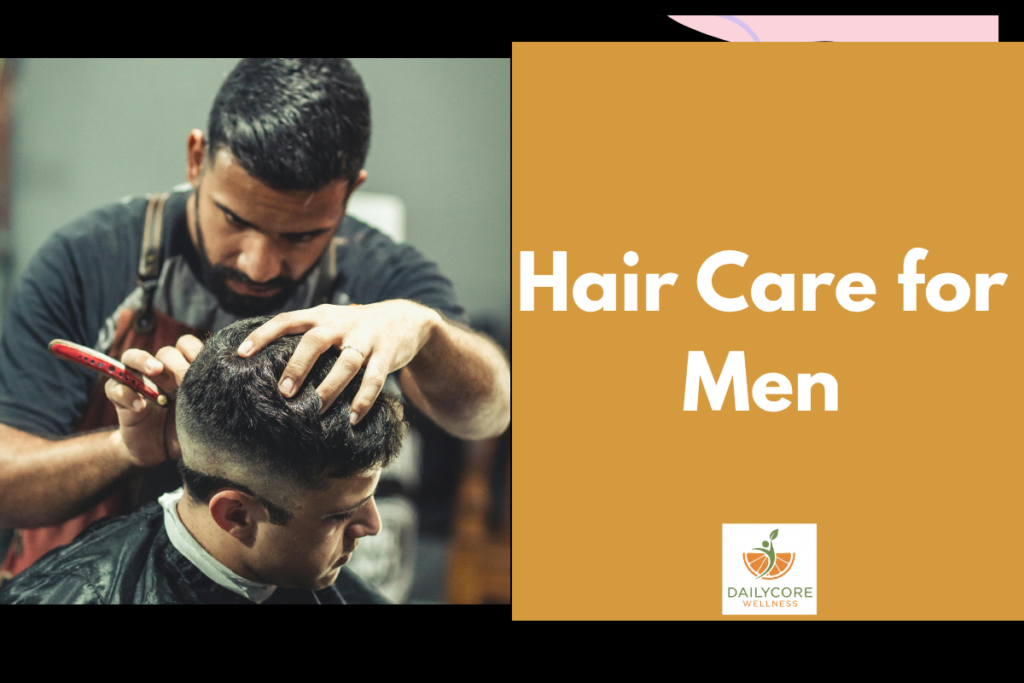
Hair care for men is no longer limited to a quick wash and a basic haircut. Modern grooming standards emphasize healthy, well-maintained hair as a reflection of overall wellness and personal discipline. Whether dealing with thinning hair, dryness, or scalp issues, a structured approach to hair care can significantly improve both appearance and confidence.
Understanding the fundamentals of hair care for men begins with recognizing that male hair has unique needs influenced by hormones, lifestyle, and grooming habits. Factors such as stress, diet, and product usage can directly affect hair strength and scalp condition. A consistent routine tailored to these factors ensures better long-term results.
Hair care for men also involves choosing the right products and techniques. Using harsh shampoos, skipping conditioner, or over-styling can lead to breakage and scalp irritation. On the other hand, adopting a balanced routine supports healthier follicles and sustainable growth patterns.
Ultimately, hair care for men is about consistency and informed decision-making. With the right strategies, men can maintain thick, resilient hair while preventing common issues like dandruff, hair loss, and excessive dryness.
Understanding Hair Structure and Scalp Health
Hair care for men starts with a clear understanding of hair structure and scalp health. Each strand of hair is made of keratin and grows from follicles embedded in the scalp. These follicles rely on proper blood circulation, nutrients, and hydration to function effectively. When the scalp is neglected, it can lead to clogged pores, inflammation, and weakened hair growth.
Maintaining a healthy scalp requires proper cleansing, hydration, and protection. Men often experience oilier scalps due to higher testosterone levels, which can lead to buildup if not managed properly. Regular washing with a suitable shampoo removes dirt and excess oil, while conditioning restores moisture balance. Incorporating scalp massages and avoiding excessive heat styling further enhances circulation and promotes healthier hair growth.
Building a Consistent Hair Care Routine
A consistent routine is the foundation of effective hair care for men. This includes selecting products suited to your hair type—whether curly, straight, thick, or thinning—and using them regularly. Shampooing two to three times a week prevents over-drying, while conditioning ensures the hair remains soft and manageable.
In addition to washing, styling habits play a critical role. Overuse of gels, waxes, and heat tools can weaken hair over time. Opting for lightweight, natural styling products and minimizing heat exposure helps preserve hair integrity. Regular trims, proper drying techniques, and a balanced diet also contribute to maintaining strong and healthy hair over the long term.
Essential Hair Care Tips for Men,4th September 2026
1. Choose the Right Shampoo for Your Hair Type
Selecting the right shampoo is a foundational step in hair care for men. Different hair types require different formulations, and using the wrong product can lead to dryness, oil imbalance, or scalp irritation. Men with oily hair benefit from clarifying shampoos that remove excess sebum, while those with dry or curly hair should opt for moisturizing formulas that retain hydration. Avoid shampoos with harsh sulfates, as they strip natural oils and weaken hair strands over time. Instead, choose products with nourishing ingredients such as natural oils or proteins. Consistent use of the right shampoo helps maintain scalp health, supports hair strength, and creates the ideal environment for steady and healthy hair growth.
2. Do Not Skip Conditioner
Conditioner plays a critical role in maintaining hair moisture and preventing breakage. Many men overlook this step, assuming it is unnecessary, but conditioner helps restore hydration lost during shampooing. It smooths the hair cuticle, making hair easier to manage and less prone to tangling. Regular conditioning also improves the overall texture and appearance of hair, especially for men with longer styles. Applying conditioner primarily to the mid-lengths and ends prevents scalp buildup while ensuring proper nourishment. Over time, consistent conditioning strengthens hair strands, reduces split ends, and enhances shine. Including this step in your routine is essential for achieving healthier, more resilient hair.
3. Avoid Overwashing Your Hair
Overwashing is a common mistake in hair care for men. Washing hair too frequently strips away natural oils that protect and nourish the scalp and hair strands. This can lead to dryness, irritation, and increased oil production as the scalp tries to compensate. Ideally, men should wash their hair two to three times per week, depending on their hair type and lifestyle. For those who exercise frequently, rinsing with water or using a mild cleanser between washes can help maintain freshness without causing damage. Allowing natural oils to remain balanced supports stronger hair and reduces the risk of breakage, making overwashing an important habit to avoid.
4. Use Lukewarm Water Instead of Hot Water
Water temperature has a significant impact on hair health. Hot water can strip natural oils from the scalp, leaving hair dry and brittle. It also weakens the hair shaft, making it more susceptible to damage and breakage. Using lukewarm water is a more effective approach, as it cleanses the scalp without causing excessive dryness. Finishing with a cool rinse can help seal the hair cuticle, enhancing shine and reducing frizz. This simple adjustment in your routine can improve hair texture and maintain moisture balance over time. Consistently using appropriate water temperature is a small but powerful step in maintaining healthy hair.
5. Limit Heat Styling Tools
Excessive use of heat styling tools can damage hair structure and lead to long-term issues such as thinning and breakage. Blow dryers, straighteners, and curling tools weaken the protein bonds in hair when used frequently at high temperatures. Men should aim to minimize heat exposure and allow hair to air dry whenever possible. If heat styling is necessary, using a heat protectant product can reduce damage. Keeping tools at lower temperature settings also helps preserve hair integrity. Over time, reducing reliance on heat styling leads to stronger, healthier hair that retains its natural texture and resilience.
6. Maintain a Healthy Diet
Hair health is directly influenced by nutrition. A balanced diet rich in vitamins, minerals, and proteins supports strong hair growth and reduces the risk of hair loss. Nutrients such as biotin, zinc, iron, and omega-3 fatty acids play a crucial role in maintaining healthy follicles. Men should include foods like eggs, nuts, leafy greens, and fish in their diet to promote hair strength. Hydration is equally important, as dehydration can lead to dry and brittle hair. Consistently nourishing the body from within ensures that hair receives the essential nutrients it needs to grow thicker and stronger over time.
7. Avoid Tight Hairstyles
Tight hairstyles can place excessive stress on hair follicles, leading to a condition known as traction alopecia. Styles such as tight braids, ponytails, or cornrows can weaken the roots over time, causing hair thinning or permanent loss in affected areas. Men should opt for looser styles that do not pull on the scalp. Allowing hair to rest between styling sessions also helps reduce strain on the follicles. Being mindful of tension is particularly important for maintaining long-term hair health. Choosing comfortable, low-stress hairstyles ensures that hair remains strong and reduces the risk of avoidable damage.
8. Trim Your Hair Regularly
Regular trims are essential for maintaining healthy hair and preventing split ends. While trimming does not directly speed up hair growth, it helps maintain the overall health and appearance of hair by removing damaged ends. Men should aim to trim their hair every four to six weeks, depending on their hairstyle and growth rate. Consistent trimming keeps hair looking neat and prevents minor damage from spreading further up the hair shaft. This practice supports stronger, more manageable hair and contributes to a polished and well-groomed appearance over time.
9. Protect Your Hair While Sleeping
Hair care for men extends beyond daytime routines. Friction from pillowcases can cause breakage, tangling, and dryness during sleep. Using a silk or satin pillowcase reduces friction and helps retain moisture in the hair. Alternatively, wearing a loose-fitting hair cover can provide similar protection. Men with longer or textured hair benefit the most from this practice, as it minimizes damage and preserves styling. Ensuring proper nighttime care helps maintain hair health and prevents unnecessary stress on the strands, contributing to better overall results.
10. Be Consistent with Your Routine
Consistency is the most important factor in achieving long-term hair health. Sporadic care or constantly changing products can disrupt progress and lead to inconsistent results. Men should establish a routine that includes proper washing, conditioning, styling, and maintenance practices. Sticking to this routine allows the scalp and hair to adapt and respond positively over time. Results such as improved texture, reduced breakage, and healthier growth patterns require patience and discipline. By maintaining consistency, men can achieve sustainable improvements and ensure their hair remains strong and healthy in the long run.
Conclusion
Hair care for men is not a one-time effort but a long-term commitment that requires discipline and consistency. Developing a structured routine tailored to your hair type and lifestyle is the foundation for achieving visible and lasting results. Small, consistent actions often produce the most significant improvements over time.
Understanding the importance of scalp health, proper product selection, and healthy habits allows men to take control of their grooming routines. Avoiding common mistakes such as overwashing, excessive heat styling, and poor nutrition can prevent damage and promote stronger hair growth.
Consistency remains the defining factor in successful hair care for men. Results do not appear overnight, but with patience and adherence to proven practices, noticeable improvements in texture, strength, and overall appearance become evident.
In the long term, investing in proper hair care leads to healthier hair, increased confidence, and a more polished appearance. By maintaining a disciplined approach, men can ensure their hair remains resilient, well-groomed, and strong for years to come.