The 5 moments of hand washing are a globally recognized standard for maintaining proper hygiene and preventing the spread of infections. These moments provide a structured approach to hand hygiene, ensuring that individuals clean their hands at critical times when the risk of contamination is highest. Understanding and applying these principles is essential for both personal and public health.
The concept of the 5 moments of hand washing focuses on reducing the transmission of harmful microorganisms. Hands are one of the most common carriers of germs, and improper hygiene can lead to the spread of illnesses. By following these specific moments, individuals can significantly reduce the risk of infection and maintain a healthier environment.
Incorporating the 5 moments of hand washing into daily routines requires awareness and consistency. It is not enough to wash hands occasionally; timing and technique are equally important. Practicing proper hand hygiene at the right moments ensures maximum effectiveness in preventing the spread of bacteria and viruses.
This guide provides a detailed overview of the 5 moments of hand washing, their importance, and practical tips for implementation. By adopting these practices consistently, individuals can improve hygiene standards and support long-term health outcomes.
Understanding the 5 Moments of Hand Washing
The 5 moments of hand washing are designed to highlight critical points during daily activities when hand hygiene is necessary. These moments include before touching food, before eating, after using the restroom, after touching contaminated surfaces, and after coughing or sneezing. Each moment addresses a specific risk of contamination and helps break the chain of infection.
These guidelines are particularly important in environments where hygiene is critical, such as homes, workplaces, and public spaces. By washing hands at these key times, individuals can prevent the transfer of harmful microorganisms from surfaces to the body or to others. This is especially important in preventing illnesses such as gastrointestinal infections and respiratory diseases.
Understanding these moments helps individuals become more mindful of their hygiene habits. It encourages a proactive approach to cleanliness, ensuring that handwashing becomes a routine part of daily life. Consistent application of these principles significantly reduces the risk of infection and promotes overall well-being.
Benefits of Following the 5 Moments of Hand Washing
Adhering to the 5 moments of hand washing offers numerous health benefits. One of the most significant advantages is the prevention of illness. Proper hand hygiene reduces the spread of bacteria and viruses, lowering the risk of infections such as colds, flu, and foodborne illnesses.
Another important benefit is improved public health. When individuals consistently follow proper handwashing practices, the overall spread of infections within communities decreases. This collective effort plays a crucial role in maintaining a healthier environment and reducing the burden on healthcare systems.
The 5 moments of hand washing also promote better personal hygiene habits. By focusing on specific times for handwashing, individuals develop a structured routine that enhances cleanliness. Over time, this consistency leads to long-term health improvements and increased awareness of hygiene practices.
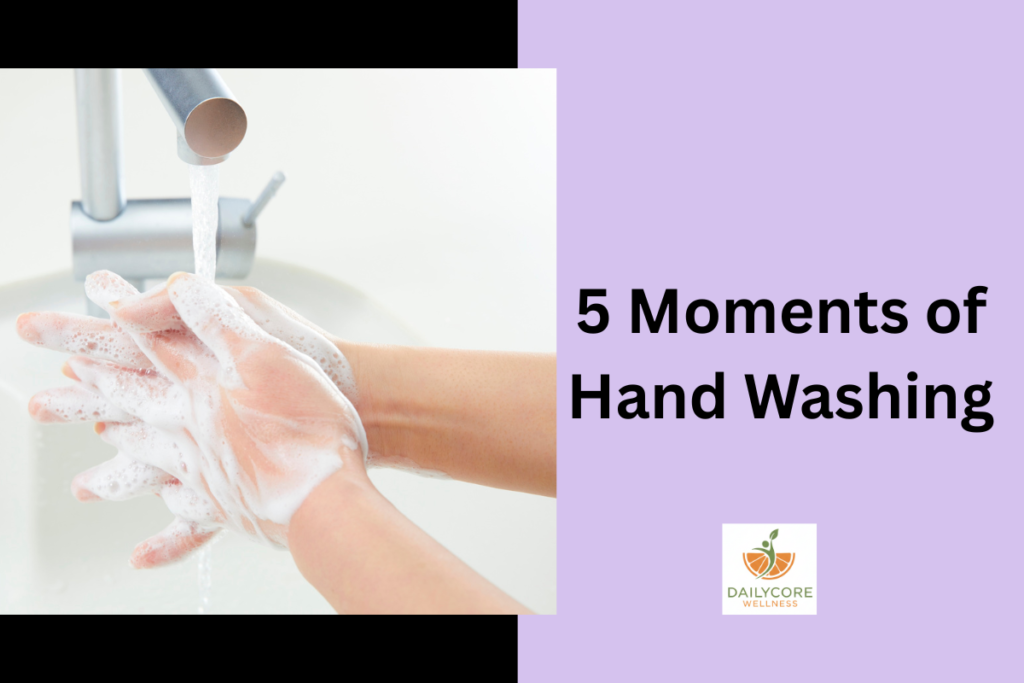
5 Moments of Hand Washing, 12th July 2026
1. Wash Hands Before Eating
Washing hands before eating is one of the most critical moments in maintaining hygiene. Hands can carry germs from various surfaces, and consuming food without proper handwashing increases the risk of ingesting harmful bacteria. Cleaning hands thoroughly before meals helps prevent foodborne illnesses and ensures safer consumption. This practice is especially important when eating with your hands or handling food directly. Consistent adherence to this habit significantly reduces the risk of contamination and supports better digestive health.
2. Wash Hands Before Food Preparation
Before handling or preparing food, it is essential to wash your hands to prevent the transfer of germs. Raw ingredients and surfaces may already contain bacteria, and unclean hands can introduce additional contaminants. Proper handwashing ensures that food remains safe and reduces the risk of cross-contamination. This step is vital for maintaining food hygiene and protecting the health of those consuming the meals.
3. Wash Hands After Using the Restroom
After using the restroom, hands can carry harmful bacteria that pose a significant health risk. Washing hands thoroughly with soap and water removes these microorganisms and prevents their spread. This practice is essential for maintaining personal hygiene and protecting others from contamination. Consistent handwashing after restroom use is a fundamental hygiene habit that should never be overlooked.
4. Wash Hands After Touching Surfaces
Public and frequently touched surfaces can harbor a wide range of germs. Washing hands after contact with such surfaces helps reduce the risk of transferring bacteria to the face, food, or other individuals. This practice is particularly important in shared environments such as offices, public transport, and shopping areas. Regular handwashing minimizes exposure to harmful microorganisms.
5. Wash Hands After Coughing or Sneezing
Coughing and sneezing release droplets that may contain viruses or bacteria. Washing hands immediately afterward helps prevent the spread of these germs. This practice is essential for protecting both personal and public health. Proper hygiene during respiratory events reduces the risk of transmitting infections to others.
6. Use Proper Handwashing Technique
Effective handwashing involves more than just rinsing with water. Using soap and scrubbing for at least 20 seconds ensures that germs are thoroughly removed. Paying attention to areas such as between the fingers and under the nails enhances the effectiveness of the process. Proper technique is crucial for achieving optimal hygiene results.
7. Dry Hands with a Clean Towel
Drying hands properly is an important step in the handwashing process. Wet hands can transfer germs more easily than dry hands. Using a clean towel or air dryer ensures that hands remain free from contamination. Proper drying completes the hygiene process and enhances its effectiveness.
8. Avoid Touching Face with Unclean Hands
Touching the face with unwashed hands can transfer germs to the eyes, nose, and mouth. Avoiding this habit reduces the risk of infection. Maintaining awareness of hand cleanliness helps prevent the spread of bacteria and viruses. This practice supports overall hygiene and health.
9. Keep Handwashing Supplies Accessible
Having easy access to soap, water, and hand sanitizers encourages consistent handwashing. Placing these supplies in convenient locations ensures that hygiene practices are maintained throughout the day. Accessibility plays a key role in promoting regular hand hygiene.
10. Practice Consistency in Hand Hygiene
Consistency is essential for maximizing the benefits of the 5 moments of hand washing. Regular adherence to these practices ensures long-term protection against infections. Developing a routine helps make handwashing a natural habit, leading to improved overall hygiene and health outcomes.
11. Wash Hands After Handling Raw Food
Handling raw food, especially meat, poultry, and seafood, exposes your hands to harmful bacteria such as Salmonella and E. coli. Washing your hands immediately after contact prevents cross-contamination to other foods, surfaces, or your face. This is a critical step in maintaining food safety and preventing foodborne illnesses. Proper handwashing ensures that bacteria do not spread during meal preparation. Consistently practicing this habit protects both you and others who consume the food, making it an essential part of the 5 moments of hand washing.
12. Wash Hands After Handling Waste or Garbage
Garbage and waste materials contain a high concentration of bacteria and germs that can easily transfer to your hands. Washing your hands after disposing of trash or handling waste prevents the spread of these contaminants. This practice is especially important in maintaining a clean and hygienic environment at home or in public spaces. Regular handwashing after contact with waste reduces the risk of infection and supports overall cleanliness.
13. Wash Hands After Contact with Animals
14. Wash Hands After Outdoor Activities
Outdoor environments expose your hands to dirt, bacteria, and pollutants. Activities such as gardening, sports, or commuting increase the likelihood of contact with contaminated surfaces. Washing your hands after returning indoors removes these impurities and reduces the risk of transferring germs to your face or household items. This habit supports overall hygiene and helps maintain a clean living space.
15. Wash Hands After Handling Money
Money is frequently exchanged and passes through many hands, making it a common carrier of germs. Washing your hands after handling cash helps reduce the risk of transferring bacteria to your face or food. This practice is particularly important in public settings where hygiene conditions vary. Consistent handwashing after contact with money supports better personal hygiene and reduces exposure to harmful microorganisms.
16. Wash Hands Before and After Caring for Someone Sick
Caring for a sick individual increases the risk of exposure to infectious agents. Washing your hands before and after providing care helps prevent the spread of illness. This practice protects both the caregiver and the patient by reducing the transmission of bacteria and viruses. Consistent hygiene is essential in maintaining a safe and healthy environment during caregiving.
17. Wash Hands After Using Public Transport
Public transportation systems are high-contact environments where germs can spread easily. Surfaces such as handrails, seats, and doors are frequently touched by many people. Washing your hands after using public transport helps remove any bacteria or viruses picked up during the journey. This practice is essential for reducing exposure to infections and maintaining overall hygiene.
18. Wash Hands After Touching Shared Equipment
Shared equipment such as gym machines, office tools, or public devices can harbor germs due to frequent use. Washing your hands after contact with these items helps prevent the spread of bacteria. This is particularly important in environments where multiple individuals use the same equipment. Maintaining this habit supports personal hygiene and reduces the risk of illness.
19. Wash Hands Before Touching Face or Eyes
The eyes, nose, and mouth are entry points for germs into the body. Washing your hands before touching your face helps prevent infections. This practice reduces the risk of transferring bacteria from surfaces to sensitive areas. Maintaining awareness of hand cleanliness is crucial for protecting your health and preventing illness.
20. Reinforce Handwashing as a Daily Habit
Making handwashing a consistent daily habit ensures long-term hygiene and health benefits. Repetition helps establish routine behavior, making it easier to follow the 5 moments of hand washing without conscious effort. Consistency strengthens protection against infections and supports overall well-being. Over time, this habit becomes an essential part of maintaining personal and public health.
Final Thoughts
The 5 moments of hand washing provide a structured and effective approach to maintaining hygiene and preventing the spread of infections. By focusing on critical times for handwashing, individuals can significantly reduce the risk of contamination and improve overall health. These practices are simple yet highly impactful when applied consistently.
Consistency is the foundation of effective hand hygiene. Washing hands at the right moments and using proper techniques ensures maximum protection against harmful microorganisms. Developing this habit requires discipline but delivers long-term benefits.
It is important to recognize that hygiene is a continuous process. Maintaining awareness of hand cleanliness throughout the day helps prevent the spread of infections in both personal and public environments. Small, consistent actions contribute to significant health improvements over time.
Ultimately, adopting the 5 moments of hand washing as a daily practice leads to better hygiene, reduced illness, and improved quality of life. Long-term commitment to these habits ensures sustained health and well-being.
Share this:
- Share on Facebook (Opens in new window) Facebook
- Share on X (Opens in new window) X
- Share on WhatsApp (Opens in new window) WhatsApp
- Share on Threads (Opens in new window) Threads
- Share on LinkedIn (Opens in new window) LinkedIn
- Share on Telegram (Opens in new window) Telegram
- Email a link to a friend (Opens in new window) Email
- Share on Pinterest (Opens in new window) Pinterest