simplicity, proper handwashing is often overlooked or performed incorrectly, reducing its effectiveness. Understanding the correct method ensures that harmful bacteria and viruses are removed efficiently.
The best way to wash your hands involves more than just rinsing with water. It requires the use of soap, proper technique, and adequate time to ensure thorough cleansing. Hands are constantly exposed to surfaces that carry germs, making consistent and correct washing essential for overall health. Without proper hygiene, these germs can easily enter the body through the mouth, nose, or eyes.
Incorporating the best way to wash your hands into your daily routine helps reduce the risk of illness and protects both personal and public health. This practice is especially important before eating, after using the restroom, and after contact with frequently touched surfaces. Consistency in hand hygiene is key to maintaining a clean and safe environment.
This guide outlines the proper techniques, benefits, and practical tips for effective handwashing. By following these steps consistently, individuals can significantly improve their hygiene and support long-term health outcomes.
Why Proper Handwashing Matters
The best way to wash your hands is essential for preventing the spread of infectious diseases. Hands serve as a primary pathway for germs to enter the body, especially when touching the face or handling food. Proper handwashing removes dirt, bacteria, and viruses, reducing the likelihood of illness. This simple practice has a significant impact on public health, particularly in preventing the transmission of common infections.
In addition to protecting against illness, proper handwashing supports overall hygiene and cleanliness. It helps maintain healthy skin by removing harmful substances that can cause irritation or infection. Consistent handwashing also contributes to a cleaner environment, as it reduces the spread of germs to surfaces and other individuals. This is particularly important in shared spaces such as homes, workplaces, and public facilities.
Understanding the importance of the best way to wash your hands encourages individuals to adopt better hygiene habits. When practiced regularly and correctly, handwashing becomes a powerful tool for maintaining health and preventing disease over the long term.
Steps Involved in the Best Way to Wash Your Hands
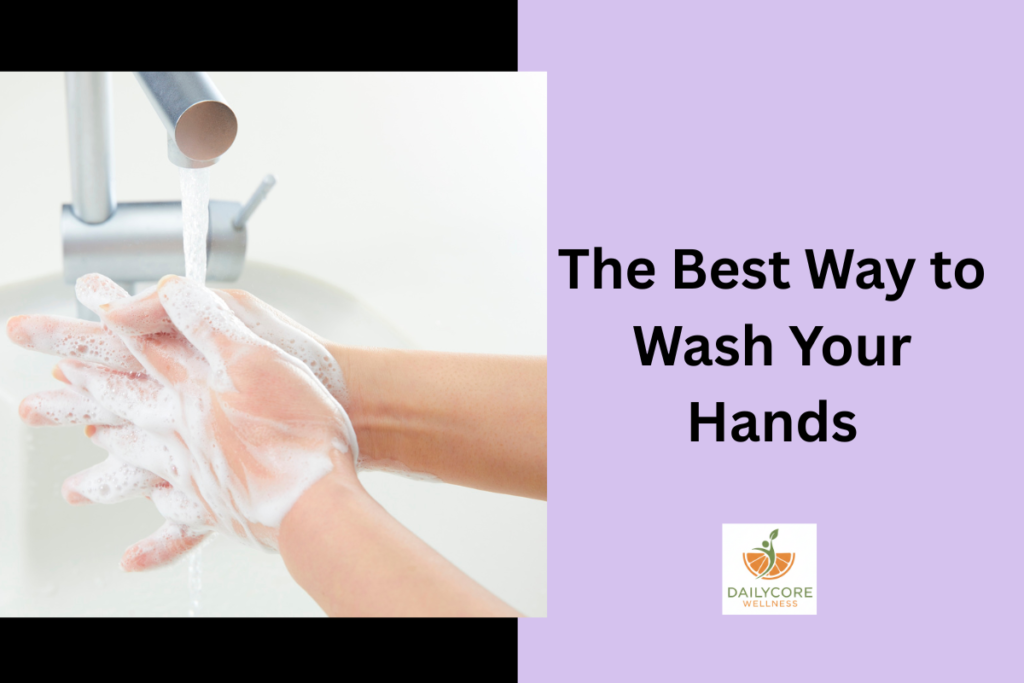
The best way to wash your hands involves a structured process that ensures all areas of the hands are thoroughly cleaned. The first step is to wet the hands with clean, running water. Applying soap is essential, as it helps break down oils and remove germs effectively. Rubbing the hands together creates friction, which lifts dirt and bacteria from the skin.
It is important to scrub all parts of the hands, including the back of the hands, between the fingers, and under the nails. This process should last at least 20 seconds to ensure thorough cleaning. Rinsing with clean water removes the loosened dirt and germs, while drying with a clean towel or air dryer prevents the spread of bacteria.
Following these steps consistently ensures that the hands are properly cleaned and free from harmful microorganisms. Incorporating this method into daily routines supports better hygiene and reduces the risk of infection.
The Best Way to Wash Your Hands,12th July 2026
1. Use Clean Running Water
Using clean, running water is the first step in the best way to wash your hands. It helps remove visible dirt and prepares the hands for effective cleansing with soap. Running water is more effective than stagnant water because it continuously washes away loosened particles and germs. This step ensures that the hands are properly prepared for the next stages of washing. Consistently using clean water supports better hygiene and reduces the risk of contamination.
2. Apply Enough Soap
Soap plays a critical role in breaking down oils and removing germs from the skin. Applying an adequate amount ensures that all areas of the hands are covered. Soap creates a lather that lifts dirt and bacteria, making them easier to rinse away. Using too little soap can reduce effectiveness, while proper application ensures thorough cleaning. This step is essential for achieving optimal hygiene.
3. Scrub for At Least 20 Seconds
Scrubbing for at least 20 seconds is a key component of the best way to wash your hands. This duration allows enough time to remove germs effectively. Rushing through the process can leave bacteria behind, reducing the benefits of handwashing. Taking the time to scrub thoroughly ensures that all areas of the hands are cleaned properly.
4. Clean Between Fingers Thoroughly
Germs often accumulate between the fingers, making this area important to clean. Rubbing between each finger ensures that hidden dirt and bacteria are removed. Neglecting this step can leave parts of the hands unclean. Thorough cleaning of all areas supports overall hygiene and effectiveness.
5. Scrub Under Fingernails
Fingernails can harbor dirt and bacteria, making them a critical area to clean. Using the opposite hand to scrub under the nails helps remove trapped debris. This step is particularly important for individuals who handle food or work in environments with high exposure to germs. Proper nail cleaning enhances the overall effectiveness of handwashing.
6. Wash the Back of your hands
The back of the hands is often overlooked during washing. Scrubbing this area ensures that all surfaces are cleaned. Including the back of the hands in your routine improves overall hygiene and reduces the risk of leaving germs behind.
7. Rinse Thoroughly
Rinsing removes soap, dirt, and loosened germs from the hands. Using clean, running water ensures that all residues are washed away. Incomplete rinsing can leave soap or bacteria on the skin, reducing effectiveness. Proper rinsing is essential for achieving clean hands.
8. Dry Hands Properly
Drying your hands is an important final step in the best way to wash your hands. Wet hands can transfer germs more easily than dry hands. Using a clean towel or air dryer ensures that the hands are completely dry. Proper drying supports overall hygiene and prevents contamination.
9. Avoid Touching Contaminated Surfaces Immediately
After washing, it is important to avoid touching surfaces that may reintroduce germs. Using a towel to turn off taps or open doors helps maintain cleanliness. This step ensures that the benefits of handwashing are preserved.
10. Wash Hands Regularly
Consistency is key when practicing the best way to wash your hands. Regular handwashing at appropriate times ensures continuous protection against germs. Making this practice a habit supports long-term health and hygiene.
Final Thoughts
The best way to wash your hands is a simple yet highly effective practice that plays a vital role in maintaining health and preventing the spread of infections. By following proper techniques and understanding the importance of each step, individuals can significantly reduce their exposure to harmful germs. This foundational habit supports both personal and public health.
Consistency is essential for achieving lasting results. Regular handwashing, especially at key moments throughout the day, ensures that germs are effectively removed before they can cause harm. Developing this habit requires discipline, but the benefits far outweigh the effort involved.
It is important to recognize that proper handwashing is not a one-time action but an ongoing commitment. Incorporating it into daily routines ensures continuous protection and promotes a cleaner environment. Over time, this practice becomes second nature, contributing to overall well-being.
Ultimately, maintaining effective hand hygiene through the best way to wash your hands leads to long-term health benefits. With consistent effort and proper technique, individuals can protect themselves and others, creating a healthier and safer environment for everyone.