How do we clean is a question we often ask for the purpose of maintaining personal health, preventing illness, and creating a safe living environment. Cleaning is not just about appearance; it is a fundamental practice that removes harmful microorganisms, reduces the spread of infections, and promotes overall well-being. When done consistently and correctly, cleaning becomes a powerful tool for long-term health maintenance.
The concept of how we clean extends beyond basic hygiene. It involves a structured approach that includes personal care, environmental sanitation, and proper handling of everyday items. Many individuals underestimate the importance of routine cleaning, which can lead to the accumulation of bacteria, allergens, and contaminants that negatively affect health.
Effective cleaning requires both knowledge and consistency. Using the right techniques, tools, and products ensures that cleaning efforts are not only efficient but also sustainable. Whether it involves washing hands, disinfecting surfaces, or maintaining personal hygiene, each step plays a crucial role in reducing health risks.
This guide explores how to clean through practical strategies, structured routines, and actionable tips. By implementing these practices consistently, individuals can maintain a clean, healthy, and balanced lifestyle over the long term.
The Importance of Proper Cleaning Practices
Understanding how to clean properly is critical for preventing disease and maintaining a hygienic environment. Cleaning removes dirt, germs, and harmful substances that can accumulate on the body and in living spaces. Without proper cleaning, these contaminants can lead to infections, allergies, and other health issues. Regular cleaning ensures that these risks are minimized and that both personal and environmental health are preserved.
Proper cleaning practices also contribute to mental well-being. A clean environment promotes comfort, reduces stress, and improves overall quality of life. Organized and sanitized spaces create a sense of control and stability, which is essential for maintaining productivity and focus. This highlights that cleaning is not only a physical necessity but also a psychological benefit.
Consistency is key when applying cleaning practices. Irregular cleaning can lead to buildup, making it more difficult to maintain hygiene over time. By establishing a routine, individuals can ensure that cleanliness becomes a natural and sustainable part of daily life. This approach supports long-term health and efficiency.
Essential Principles of Effective Cleaning
To fully understand how we clean, it is important to follow essential principles that ensure effectiveness. One of the primary principles is using the right cleaning methods for different surfaces and purposes. For example, personal hygiene requires gentle products, while environmental cleaning may require stronger disinfectants. Applying the appropriate method ensures optimal results without causing harm.
Another key principle is timing and frequency. Cleaning should be done regularly to prevent buildup and contamination. High-touch areas such as door handles, mobile devices, and kitchen surfaces require more frequent attention. Establishing a schedule helps maintain consistency and prevents lapses in hygiene.
32 Practical Tips on Keeping All-Round Cleanliness, 3rd September 2026
1. Wash Hands Thoroughly and Frequently
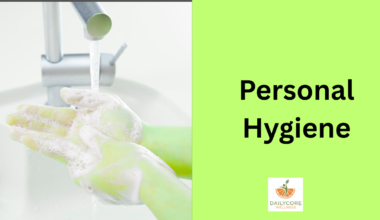
Handwashing is the foundation of effective cleaning and hygiene. Hands are constantly exposed to germs through daily activities, making them a primary source of contamination. Washing hands with soap and water for at least 20 seconds removes bacteria and viruses effectively. This practice should be done before eating, after using the restroom, and after contact with public surfaces. Consistent handwashing reduces the risk of infection and prevents the spread of harmful microorganisms. It is one of the simplest yet most powerful ways to maintain personal health and cleanliness.
2. Clean Surfaces Regularly
Cleaning surfaces regularly is a critical step in maintaining a hygienic environment. Frequently touched areas such as door handles, countertops, tables, and electronic devices can accumulate bacteria and viruses throughout the day. If not cleaned consistently, these surfaces become a major source of contamination and can contribute to the spread of illness. Using appropriate disinfectants ensures that harmful microorganisms are effectively removed. It is important to focus on high-touch areas daily while performing deeper cleaning on less frequently used surfaces weekly. Consistency in this practice prevents buildup and maintains a safer living and working space. Over time, regular surface cleaning supports overall health by minimizing exposure to harmful pathogens and maintaining a clean environment.
3. Maintain Personal Hygiene Daily
Maintaining personal hygiene on a daily basis is essential for overall health and cleanliness. Activities such as bathing, brushing teeth, washing hands, and grooming help remove dirt, sweat, and bacteria that accumulate throughout the day. Neglecting these habits can lead to skin issues, unpleasant odors, and an increased risk of infections. A consistent hygiene routine supports not only physical health but also confidence and social well-being. It is important to use gentle and appropriate products to avoid damaging the skin or hair. Establishing a daily hygiene routine ensures that cleanliness becomes a habit rather than an occasional effort. Over time, this consistency contributes to long-term wellness and reduces the likelihood of health-related complications.
4. Use Clean Water for Cleaning Tasks
Using clean and safe water is a fundamental aspect of effective cleaning. Water is involved in nearly every cleaning activity, including washing hands, bathing, cooking, and cleaning surfaces. If the water used is contaminated, it can introduce harmful microorganisms instead of removing them. Ensuring access to clean water is therefore essential for maintaining proper hygiene standards. In areas where water quality may be uncertain, additional steps such as filtration or boiling can help improve safety. Clean water enhances the effectiveness of soaps and detergents, allowing them to function properly. Consistently using safe water sources reduces the risk of waterborne diseases and supports a healthier living environment over time.
5. Wash Clothes Regularly
Regularly washing clothes is an important practice in maintaining personal hygiene and cleanliness. Clothing absorbs sweat, body oils, dirt, and environmental pollutants throughout the day. If not washed properly, these contaminants can accumulate and lead to skin irritation, unpleasant odors, and the growth of bacteria. Using appropriate detergents and washing techniques ensures that clothes are thoroughly cleaned and safe to wear. It is also important to dry clothes completely, as damp fabrics can encourage the growth of mold and bacteria. Establishing a routine for laundering clothes helps maintain freshness and supports overall hygiene. Consistency in this practice contributes to long-term health and comfort in daily life.
6. Keep Kitchen Areas Sanitary
Maintaining a clean and sanitary kitchen is essential for preventing foodborne illnesses and ensuring overall health. The kitchen is a high-risk area where bacteria can easily spread through food preparation and handling. Surfaces such as countertops, cutting boards, and utensils must be cleaned regularly to prevent contamination. Proper storage of food, including refrigeration and sealing, also plays a critical role in maintaining hygiene. It is important to separate raw and cooked foods to avoid cross-contamination. Regular cleaning of appliances such as refrigerators and stoves further supports a sanitary environment. By keeping the kitchen clean and organized, individuals can reduce health risks and ensure that food remains safe for consumption.
7. Clean Bathroom Surfaces Thoroughly
Bathrooms are one of the most frequently used areas in any home and require thorough and regular cleaning. These spaces are prone to high levels of moisture, which can promote the growth of bacteria, mold, and mildew. Cleaning surfaces such as sinks, toilets, showers, and floors with appropriate disinfectants helps eliminate harmful microorganisms. Consistent cleaning also prevents unpleasant odors and maintains a hygienic environment. It is important to pay attention to often-overlooked areas such as faucets and handles, which are frequently touched. Proper ventilation further supports cleanliness by reducing moisture buildup. Maintaining bathroom hygiene is essential for preventing infections and ensuring a safe living space.
8. Dispose of Waste Properly
Proper waste disposal is a key component of maintaining a clean and healthy environment. Accumulated waste can attract pests, produce unpleasant odors, and become a breeding ground for harmful bacteria. Using covered bins and disposing of waste regularly helps prevent contamination and supports hygiene. It is also important to separate different types of waste, such as recyclable and organic materials, to promote proper handling and environmental responsibility. Cleaning waste bins periodically further reduces the risk of bacterial growth. Consistent waste management practices contribute to a cleaner living space and reduce the spread of communicable diseases. Over time, proper disposal habits play a significant role in maintaining overall health and environmental cleanliness.
9. Use Appropriate Cleaning Products
Using the right cleaning products is essential for achieving effective results while maintaining safety. Different surfaces and cleaning tasks require specific products, such as disinfectants, detergents, or specialized cleaners. Using inappropriate products can lead to ineffective cleaning or even damage to surfaces. It is important to follow product instructions carefully to ensure proper usage and avoid potential health risks. Selecting products that are suitable for your needs enhances efficiency and ensures that cleaning efforts are effective. Additionally, proper storage of cleaning products prevents accidents and maintains their effectiveness. Consistently using appropriate products supports long-term cleanliness and helps maintain a safe environment.
10. Clean Personal Items Regularly
Personal items such as mobile phones, bags, keys, and accessories are often overlooked during cleaning routines. However, these items come into frequent contact with various surfaces and can accumulate germs over time. Regular cleaning of personal items helps reduce the risk of transferring bacteria and viruses to the hands and face. Using suitable cleaning methods ensures that these items are sanitized without causing damage. Incorporating this practice into your routine enhances overall hygiene and reduces exposure to harmful microorganisms. Over time, maintaining clean personal items contributes to better health and supports a comprehensive approach to cleanliness.
11. Maintain Proper Air Ventilation
Maintaining proper air ventilation is essential for effective cleaning and overall hygiene. Poor airflow can trap dust, allergens, and airborne microorganisms, increasing the risk of respiratory issues and illness. Opening windows regularly, using fans, or installing proper ventilation systems helps circulate fresh air and remove contaminants. This practice is particularly important in enclosed spaces such as bedrooms, kitchens, and offices, where air can become stagnant. Consistent ventilation reduces humidity levels, preventing mold growth and maintaining a healthier indoor environment. Over time, ensuring proper airflow supports better air quality, enhances comfort, and contributes significantly to long-term health and cleanliness.
12. Clean Floors Frequently
Floors accumulate dirt, dust, and bacteria from daily foot traffic, making regular cleaning essential. Sweeping, vacuuming, and mopping help remove these contaminants and maintain a hygienic environment. Neglecting floor cleaning can lead to the buildup of allergens and harmful microorganisms that may affect health. Using appropriate cleaning solutions ensures that floors are thoroughly sanitized without causing damage. High-traffic areas require more frequent attention to maintain cleanliness. Establishing a routine for floor care not only improves the appearance of the space but also reduces the risk of contamination. Consistent floor cleaning supports a safer and healthier living environment over time.
13. Practice Safe Food Hygiene
Safe food hygiene is a critical component of understanding how to clean effectively. Washing fruits and vegetables, cooking food thoroughly, and storing it at the correct temperatures help prevent contamination. Improper food handling can lead to the growth of harmful bacteria, increasing the risk of foodborne illnesses. It is also important to clean utensils, cutting boards, and surfaces after use to avoid cross-contamination. Maintaining proper food hygiene ensures that meals are safe for consumption and support overall health. Consistency in these practices reduces health risks and promotes a clean and organized kitchen environment.
14. Keep Nails Clean and Trimmed
Nails can easily trap dirt and bacteria, making regular cleaning and trimming essential for hygiene. Long or unclean nails increase the risk of transferring germs to the mouth, eyes, or other parts of the body. Keeping nails short and clean helps reduce this risk and supports overall cleanliness. Using proper nail care tools and maintaining a routine ensures that nails remain hygienic. This practice is particularly important for individuals involved in food preparation or healthcare. Consistent nail care contributes to better hygiene and reduces the likelihood of infections over time.
15. Avoid Cross-Contamination
Cross-contamination occurs when bacteria are transferred from one surface or object to another, often leading to the spread of illness. Preventing this requires using separate cleaning tools for different areas, such as kitchens and bathrooms. It is also important to wash hands and utensils between tasks, especially when handling food. Understanding how to clean includes recognizing and eliminating cross-contamination risks. Maintaining clear separation between clean and dirty items ensures that hygiene standards are upheld. Over time, this practice significantly reduces the spread of harmful microorganisms and supports a safer environment.
16. Clean Bedding and Linens Regularly
Bedding and linens come into direct contact with the body and can accumulate sweat, oils, and bacteria. Regular washing ensures that these contaminants are removed, promoting better hygiene and comfort. Using appropriate detergents and washing at the correct temperatures enhances cleanliness. Clean bedding also reduces the presence of allergens such as dust mites, improving sleep quality. Establishing a routine for washing linens helps maintain a fresh and hygienic sleeping environment. Consistency in this practice contributes to overall health and well-being.
17. Maintain Clean Workspaces
A clean workspace is essential for productivity and hygiene. Desks, keyboards, and office equipment can harbor bacteria if not cleaned regularly. Keeping these areas organized and sanitized reduces the risk of contamination and creates a more efficient work environment. Regular cleaning also improves focus and reduces stress associated with clutter. Using appropriate cleaning products ensures that surfaces are disinfected without damage. Maintaining workspace hygiene supports both health and productivity over time.
18. Use Protective Cleaning Gear
Using protective gear such as gloves and masks during cleaning tasks helps reduce exposure to harmful chemicals and contaminants. This is particularly important when handling strong disinfectants or cleaning heavily soiled areas. Protective gear ensures safety while maintaining hygiene standards. Proper use and disposal of these items further enhance their effectiveness. Incorporating protective measures into cleaning routines minimizes health risks and supports a safer cleaning process.
19. Sanitize High-Touch Items Frequently
High-touch items such as remote controls, light switches, and mobile devices are often overlooked but can carry significant amounts of bacteria. Regular sanitization of these items helps reduce the spread of germs. Using suitable disinfectants ensures effective cleaning without causing damage. Incorporating this practice into daily routines enhances overall hygiene and reduces contamination risks. Consistency is key to maintaining clean and safe surroundings.
20. Clean Shoes and Footwear
Shoes and footwear can bring dirt, bacteria, and pollutants from outside into indoor spaces. Cleaning them regularly helps prevent contamination and maintains a hygienic environment. Removing shoes before entering living spaces further reduces the spread of dirt. Using appropriate cleaning methods ensures that footwear remains in good condition while being hygienic. Consistent care of shoes supports overall cleanliness and contributes to a healthier living space.
21. Store Cleaning Tools Properly
Proper storage of cleaning tools is essential for maintaining hygiene and ensuring their effectiveness. Items such as mops, brushes, and cloths can accumulate dirt and bacteria after use. If they are not cleaned and stored correctly, they may spread contamination rather than eliminate it. Allowing tools to dry completely before storage prevents the growth of mold and bacteria. Keeping cleaning supplies in a designated, clean area also improves organization and accessibility. Regularly replacing worn-out tools ensures optimal cleaning performance. Consistent care and proper storage of cleaning equipment contribute to a more efficient and hygienic cleaning routine over time.
22. Wash Towels Frequently
Towels are used daily and can quickly accumulate moisture, bacteria, and dead skin cells. If not washed regularly, they can become a source of contamination and unpleasant odors. Washing towels with appropriate detergents and drying them thoroughly helps maintain hygiene. It is important to avoid sharing towels, as this can spread germs between individuals. Using fresh towels consistently supports skin health and prevents infections. Establishing a routine for laundering towels ensures they remain clean and safe for use. Over time, this habit contributes to improved personal hygiene and overall cleanliness.
23. Keep Pets Clean
Pets can carry dirt, bacteria, and allergens from outdoor environments into the home. Regular grooming and cleaning of pets helps reduce the spread of contaminants. Bathing pets, brushing their fur, and maintaining their living areas help keep the environment cleaner. It is also important to wash hands after handling pets to prevent the transfer of germs. Keeping pets clean supports both their health and the hygiene of the household. Consistent pet care ensures a safer and more comfortable living space for everyone.
24. Clean Water Storage Containers
Water storage containers must be cleaned regularly to prevent contamination. Over time, residues and microorganisms can build up inside these containers, affecting water quality. Washing them thoroughly with clean water and appropriate cleaning agents ensures that stored water remains safe for use. Proper drying before refilling further reduces the risk of bacterial growth. Maintaining clean water storage is especially important in environments where water is stored for extended periods. This practice supports safe consumption and overall hygiene.
25. Maintain Hygiene in Shared Spaces
Shared spaces such as living rooms, offices, and public areas require consistent cleaning to prevent the spread of germs. Multiple individuals using the same space increases the risk of contamination. Regular cleaning of surfaces, furniture, and commonly used items helps maintain hygiene. Encouraging everyone to follow basic cleanliness practices enhances the effectiveness of these efforts. Consistency in maintaining shared spaces supports a healthier environment and reduces the risk of illness.
26. Clean and Sanitize Waste Bins
Waste bins can become a major source of bacteria and unpleasant odors if not cleaned regularly. Even with proper waste disposal, residues can remain inside the bins. Washing and disinfecting them periodically ensures that harmful microorganisms are eliminated. Using liners and keeping bins covered further enhances hygiene. Maintaining clean waste bins prevents the spread of germs and contributes to a more sanitary environment. Consistent care of waste disposal areas is essential for overall cleanliness.
27. Limit Clutter to Improve Cleaning Efficiency
Clutter can make cleaning more difficult and allow dust and dirt to accumulate in hidden areas. Keeping spaces organized reduces the time and effort required for cleaning. An uncluttered environment allows for more thorough cleaning and improves overall hygiene. Regularly decluttering ensures that surfaces remain accessible and easy to maintain. This practice supports efficiency and contributes to a cleaner and more organized living space.
28. Follow a Consistent Cleaning Schedule
Establishing and following a cleaning schedule ensures that all areas are maintained regularly. Without a routine, certain tasks may be overlooked, leading to buildup and reduced hygiene. A structured schedule helps distribute cleaning tasks over time, making them more manageable. Consistency in following this schedule ensures that cleanliness is maintained without excessive effort. Over time, this habit supports a sustainable approach to hygiene and cleanliness.
29. Educate Household Members on Cleaning Practices
Ensuring that everyone in the household understands proper cleaning practices is essential for maintaining hygiene. Shared responsibility improves consistency and reduces the burden on one individual. Educating others about effective cleaning methods and hygiene habits promotes a collective effort toward cleanliness. This approach ensures that standards are maintained and reduces the risk of contamination. Consistent education and participation contribute to a healthier living environment.
30. Inspect and Maintain Cleaning Equipment
Regular inspection of cleaning equipment ensures that tools remain effective and safe to use. Damaged or worn-out equipment may not clean properly and can spread contaminants. Replacing or repairing tools as needed maintains efficiency and hygiene. Keeping equipment in good condition supports consistent cleaning results. Over time, proper maintenance of cleaning tools contributes to a more effective and reliable cleaning routine.
31. Use Natural Cleaning Alternatives When Appropriate
In some cases, natural cleaning alternatives such as vinegar or baking soda can be effective and safer for certain surfaces. These options reduce exposure to harsh chemicals while still providing cleaning benefits. Understanding when and how to use natural products ensures effectiveness without compromising safety. Incorporating these alternatives into your routine can support a balanced approach to cleaning. Consistent use of safe methods contributes to long-term health and environmental sustainability.
32. Build Long-Term Cleaning Habits
Developing long-term cleaning habits is the foundation of maintaining a hygienic lifestyle. Cleaning should not be seen as a one-time task but as a continuous process. Consistency in applying cleaning practices ensures that hygiene is maintained over time. Small daily efforts accumulate to create a clean and healthy environment. By making cleaning a regular habit, individuals can achieve lasting results and reduce the effort required for major cleaning tasks.
Final Thoughts
Understanding how to clean effectively goes beyond performing occasional tasks; it requires a structured, consistent approach that integrates both personal hygiene and environmental cleanliness. Each cleaning practice, whether simple or detailed, plays a vital role in reducing the presence of harmful microorganisms and maintaining a safe living space. When these practices are applied correctly, they contribute significantly to improved health, comfort, and overall well-being.
Consistency remains the most important factor in achieving lasting results. Cleaning routines must be followed regularly to prevent the buildup of dirt, bacteria, and contaminants that can compromise health. Small daily actions, when performed consistently, create a strong foundation for long-term cleanliness and reduce the need for intensive corrective cleaning.