Cleanliness of the House: Complete Guide to a Conducive Home

Cleanliness of the house is a fundamental aspect of maintaining a healthy and comfortable living environment. A clean home not only enhances physical health but also supports mental clarity and overall well-being. Dust, dirt, and bacteria can accumulate quickly in living spaces, making consistent cleaning practices essential for preventing illness and maintaining hygiene.

Understanding the importance of the cleanliness of the house goes beyond surface-level tidiness. It involves structured routines, proper sanitation methods, and attention to detail in every part of the home. From kitchens and bathrooms to living areas and bedrooms, each space requires specific care to ensure a safe and hygienic environment.

One of the major benefits of maintaining the cleanliness of the house is the reduction of health risks. Regular cleaning helps eliminate allergens, bacteria, and harmful microorganisms that can cause infections and respiratory issues. This makes it especially important for households with children, elderly individuals, or individuals with weakened immune systems.

This guide explores practical strategies, effective routines, and detailed tips for achieving and maintaining the cleanliness of the house. By adopting consistent habits and structured approaches, you can create a clean, organized, and healthy home environment for long-term well-being.

Importance of Maintaining the Cleanliness of the House

Maintaining the cleanliness of the house is essential for promoting both physical and mental health. A clean environment reduces exposure to harmful bacteria, allergens, and pollutants that can negatively impact health. Regular cleaning of surfaces, floors, and frequently used items ensures that contaminants are removed before they accumulate. This helps prevent illnesses and supports a safer living space for all occupants.

In addition to health benefits, the cleanliness of the house contributes to improved mental well-being. A clean and organized home creates a sense of order and reduces stress. Clutter and dirt can lead to feelings of discomfort and distraction, while a tidy environment promotes relaxation and productivity. Maintaining cleanliness also enhances the overall appearance of the home, making it more inviting and comfortable.

Consistency plays a crucial role in achieving these benefits. Establishing a regular cleaning routine ensures that tasks are completed efficiently and prevents the buildup of dirt and clutter. By maintaining a structured approach, individuals can sustain the cleanliness of the house without overwhelming effort, leading to long-term improvements in quality of life.

Effective Strategies for House Cleaning

Achieving cleanliness of the house requires a systematic approach that includes daily, weekly, and monthly tasks. Daily cleaning activities such as wiping surfaces, washing dishes, and organizing spaces help maintain basic hygiene. Weekly tasks, including mopping floors and cleaning bathrooms, address deeper cleaning needs. Monthly or seasonal cleaning ensures that less frequently used areas are properly maintained.

Using appropriate cleaning tools and products is also essential for effective results. Different surfaces require specific cleaning methods to ensure thorough sanitation without causing damage. For example, disinfectants are ideal for high-touch areas, while gentle cleaners are better suited for delicate surfaces. Understanding these differences improves efficiency and ensures optimal outcomes.
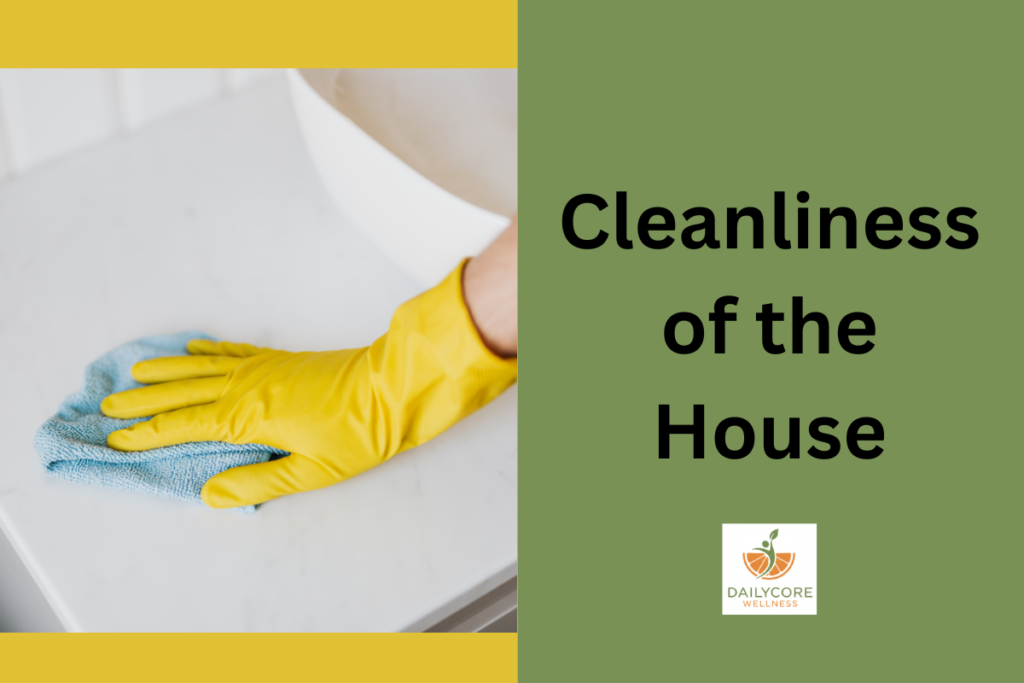
Another important strategy is prioritizing high-traffic areas. Spaces such as kitchens, bathrooms, and living rooms require more frequent attention due to their regular use. Keeping these areas clean significantly reduces the risk of contamination and enhances overall hygiene. By following a structured and consistent approach, individuals can maintain the cleanliness of the house effectively and sustainably.

Cleanliness of the House

30 Best Ways to Keep the House Clean

1. Clean High-Touch Surfaces Daily

High-touch surfaces are among the most critical areas to focus on when maintaining the cleanliness of the house. Items such as door handles, light switches, remote controls, countertops, and mobile devices are frequently handled throughout the day, making them hotspots for bacteria and viruses. If not cleaned regularly, these surfaces can contribute significantly to the spread of infections within the household. Using effective disinfectants ensures that harmful microorganisms are eliminated efficiently. It is important to incorporate this practice into your daily routine to prevent buildup and maintain hygiene. Consistent attention to high-touch areas reduces health risks, supports a safer living environment, and forms a strong foundation for overall house cleanliness and long-term wellness.

2. Sweep and Mop Floors Regularly

Floors are one of the most exposed areas in any home, constantly collecting dust, dirt, and debris brought in from outside. Regular sweeping removes loose particles, while mopping ensures deeper cleaning and sanitation. Neglecting floor care can lead to the accumulation of allergens and bacteria that affect indoor air quality and overall health. Using appropriate cleaning solutions for different floor types ensures effectiveness without causing damage. High-traffic areas such as entryways and living rooms require more frequent attention. Establishing a consistent routine for floor cleaning not only improves the appearance of the home but also reduces contamination risks. Over time, maintaining clean floors contributes significantly to a healthier and more comfortable living space.

3. Keep the Kitchen Clean After Every Use

The kitchen is one of the most sensitive areas in the home when it comes to hygiene. Food preparation involves handling raw and cooked ingredients, which can easily lead to contamination if surfaces are not cleaned immediately after use. Wiping countertops, washing utensils, and sanitizing cutting boards help prevent the growth of harmful bacteria. Proper cleaning also ensures that food remains safe for consumption and reduces the risk of foodborne illnesses. It is essential to develop the habit of cleaning as you go, rather than allowing dirt and residue to accumulate. Maintaining a clean kitchen consistently supports both health and efficiency, making it easier to prepare meals in a safe and organized environment.

4. Disinfect Bathroom Surfaces Frequently

Bathrooms are high-moisture environments that can quickly become breeding grounds for bacteria, mold, and mildew. Regular disinfection of surfaces such as sinks, toilets, showers, and faucets is essential for maintaining hygiene. Moisture combined with frequent use increases the risk of contamination, making consistent cleaning a necessity. Using appropriate disinfectants ensures that harmful microorganisms are effectively removed. Proper ventilation also plays a role in reducing moisture buildup and preventing mold growth. Paying attention to commonly touched areas like handles and switches further enhances cleanliness. Maintaining bathroom hygiene not only prevents the spread of germs but also creates a more comfortable and safe environment for daily use.

5. Organize and Declutter Living Spaces

Clutter can significantly impact the effectiveness of cleaning efforts. When spaces are overcrowded with unnecessary items, dust and dirt can accumulate in hidden areas, making it difficult to maintain hygiene. Organizing and decluttering help create a more accessible and manageable environment. Removing unused items and arranging essentials properly allows for more thorough cleaning and improves overall efficiency. A tidy space also contributes to better mental clarity and reduces stress. Establishing a routine for decluttering ensures that the home remains organized over time. Consistency in maintaining an orderly environment supports cleanliness of the house and enhances both functionality and comfort in daily living.

6. Wash Bedding and Linens Weekly

Bedding and linens come into direct contact with the body and can accumulate sweat, oils, dead skin cells, and bacteria over time. Regular washing is essential to maintain hygiene and ensure a clean sleeping environment. Using appropriate detergents and washing at suitable temperatures helps eliminate contaminants effectively. Clean bedding not only improves comfort but also reduces the presence of allergens such as dust mites, which can affect respiratory health. Establishing a weekly routine for washing linens ensures consistency and prevents buildup. Over time, maintaining clean bedding contributes to better sleep quality and overall well-being, making it an important aspect of cleanliness of the house.

7. Clean Windows and Improve Ventilation

Windows play a vital role in maintaining both cleanliness and air quality within the home. Dust and dirt can accumulate on window surfaces, affecting visibility and reducing the amount of natural light entering the space. Regular cleaning ensures that windows remain clear and functional. Additionally, proper ventilation helps remove indoor pollutants and improves air circulation. Opening windows regularly allows fresh air to enter, reducing humidity and preventing the buildup of mold and bacteria. Clean windows combined with good airflow create a healthier and more comfortable living environment. Consistent attention to this aspect supports the overall cleanliness of the house and enhances indoor conditions.

8. Dispose of Waste Properly

Effective waste management is essential for maintaining a clean and hygienic home. Accumulated waste can attract pests, produce unpleasant odors, and become a breeding ground for harmful bacteria. Using covered bins and disposing of waste regularly helps prevent contamination and supports environmental hygiene. It is also important to separate recyclable and non-recyclable materials to promote proper disposal practices. Cleaning waste bins periodically further reduces the risk of bacterial growth. Establishing a consistent waste disposal routine ensures that the home remains clean and free from potential health hazards. Over time, proper waste management contributes significantly to the cleanliness of the house and overall well-being.

9. Sanitize Personal and Shared Items

Personal and shared items such as mobile phones, remote controls, keys, and frequently used accessories can harbor significant amounts of bacteria. These items often go unnoticed during regular cleaning routines, yet they play a major role in the spread of germs. Regular sanitization using appropriate cleaning solutions helps reduce contamination and maintain hygiene. It is important to handle these items carefully and clean them without causing damage. Incorporating this practice into daily or weekly routines enhances overall cleanliness and reduces health risks. Consistent attention to personal and shared items supports a more comprehensive approach to maintaining a hygienic living environment.

10. Maintain Clean Air Quality Indoors

Indoor air quality is a crucial yet often overlooked aspect of the cleanliness of the house. Dust, allergens, and airborne pollutants can accumulate over time, affecting respiratory health and overall comfort. Regular cleaning, proper ventilation, and the use of air purifying methods help maintain clean indoor air. Vacuuming carpets, cleaning upholstery, and reducing clutter contribute to improved air quality. Ensuring adequate airflow prevents the buildup of moisture and reduces the risk of mold growth. Maintaining clean air indoors supports a healthier living environment and enhances overall well-being. Consistency in managing air quality is essential for long-term cleanliness and health.

11. Clean Furniture and Upholstery Regularly

Furniture and upholstery can trap dust, allergens, and bacteria deep within their fabric and surfaces. Over time, this buildup can negatively affect indoor air quality and overall hygiene. Regular vacuuming and occasional deep cleaning help remove embedded dirt and maintain freshness. Using appropriate cleaning methods based on the material ensures effective results without causing damage. Neglecting furniture cleaning can lead to unpleasant odors and increased allergens in the home. Consistency in maintaining clean furniture not only enhances the appearance of the house but also contributes significantly to a healthier living environment and long-term cleanliness.

12. Wash Curtains and Blinds Periodically

Curtains and blinds often collect dust, pollen, and other airborne particles that can affect indoor air quality. Regular cleaning or washing of these items helps remove accumulated contaminants and maintains a healthier environment. Curtains should be washed according to fabric instructions, while blinds can be wiped down or dusted frequently. Ignoring these elements can lead to increased allergens and reduced air circulation. Keeping them clean also improves the overall appearance of the home. Consistent care ensures that these often-overlooked areas contribute positively to the cleanliness of the house and support long-term hygiene.

13. Clean and Organize Storage Areas

Storage areas such as closets, cabinets, and shelves can easily become cluttered and dusty if not maintained regularly. Cleaning and organizing these spaces helps prevent the accumulation of dirt and makes items easier to access. Removing unused items and arranging essentials properly improves efficiency and reduces hidden dust buildup. Organized storage areas also contribute to a more structured and tidy home environment. Consistency in maintaining these spaces ensures that they remain functional and hygienic. Over time, this practice supports the overall cleanliness of the house and enhances daily convenience.

14. Maintain Clean Carpets and Rugs

Carpets and rugs can harbor dirt, dust, allergens, and bacteria deep within their fibers. Regular vacuuming helps remove surface debris, while periodic deep cleaning ensures thorough sanitation. Neglecting carpet care can lead to poor air quality and increased health risks, especially for individuals with allergies. Using appropriate cleaning solutions and methods preserves the quality of the material while maintaining hygiene. Consistent maintenance not only extends the lifespan of carpets but also contributes to a cleaner and healthier home environment over time.

15. Clean Appliances Consistently

Household appliances such as refrigerators, ovens, microwaves, and washing machines require regular cleaning to function efficiently and remain hygienic. Food spills, grease, and residue can accumulate over time, leading to contamination and unpleasant odors. Cleaning appliances regularly prevents buildup and ensures they operate effectively. It is important to follow proper cleaning methods specific to each appliance to avoid damage. Consistent maintenance of appliances supports overall cleanliness of the house and contributes to a safe and efficient living space.

16. Keep Entryways Clean and Organized

Entryways serve as the primary point where dirt and debris enter the home. Keeping this area clean and organized helps prevent contaminants from spreading to other parts of the house. Using doormats, removing shoes, and regularly cleaning the floor reduce the amount of dirt brought indoors. Organizing items such as shoes and bags further enhances cleanliness and efficiency. Consistent care of entryways supports a cleaner home environment and reduces the effort required for cleaning other areas.

17. Use Proper Cleaning Tools and Equipment

Using the right cleaning tools is essential for achieving effective results. Mops, brushes, cloths, and vacuum cleaners should be selected based on the specific cleaning task. Proper tools improve efficiency and ensure that surfaces are cleaned thoroughly. It is also important to clean and maintain these tools regularly to prevent them from spreading dirt and bacteria. Consistency in using appropriate equipment enhances the overall quality of cleaning and supports long-term hygiene in the home.

18. Clean Light Fixtures and Ceiling Fans

Light fixtures and ceiling fans often accumulate dust, which can spread throughout the room when in use. Regular cleaning prevents dust buildup and improves indoor air quality. Wiping down these fixtures ensures that they remain functional and visually appealing. Neglecting them can lead to dust circulation, affecting cleanliness and comfort. Consistent maintenance of these areas supports a healthier and more hygienic environment.

19. Sanitize Kitchen Sponges and Cleaning Cloths

Kitchen sponges and cleaning cloths are frequently used and can harbor significant amounts of bacteria if not properly maintained. Regular sanitization, such as washing or replacing them, ensures that they remain effective and hygienic. Using contaminated cleaning tools can spread germs rather than eliminate them. Consistent care of these items is essential for maintaining cleanliness in the kitchen and throughout the house. Over time, this practice supports better hygiene and reduces the risk of contamination.

20. Maintain Proper Bathroom Ventilation

Proper ventilation in the bathroom is crucial for preventing moisture buildup, which can lead to mold and bacterial growth. Using exhaust fans or opening windows helps reduce humidity levels and maintain a dry environment. Consistent ventilation supports cleanliness and prevents unpleasant odors. It also enhances the effectiveness of cleaning efforts by reducing conditions that promote microbial growth. Maintaining good airflow in the bathroom contributes significantly to the overall cleanliness of the house and long-term health.

21. Clean Walls and Painted Surfaces Periodically

Walls and painted surfaces often go unnoticed during routine cleaning, yet they accumulate dust, stains, and smudges over time. Regular cleaning helps maintain the appearance and hygiene of the home. Using gentle cleaning methods ensures that dirt is removed without damaging the paint or surface finish. Paying attention to high-contact areas such as around switches and door frames enhances effectiveness. Consistent maintenance prevents buildup and keeps the home looking fresh and well-kept. Over time, this practice contributes significantly to the overall cleanliness of the house and supports a more polished living environment.

22. Store Cleaning Supplies Safely and Properly

Proper storage of cleaning supplies is essential for both safety and efficiency. Keeping cleaning products organized in a designated space ensures easy access and prevents misuse. It is important to store these items away from children and pets to avoid accidents. Proper labeling and secure storage also maintain the effectiveness of cleaning agents. Organized supplies make it easier to follow a consistent cleaning routine. Over time, this habit supports better cleaning practices and contributes to maintaining the cleanliness of the house.

23. Maintain Pet Hygiene and Clean Pet Areas

Pets can introduce dirt, hair, and bacteria into the home, making regular grooming and cleaning essential. Bathing pets, brushing their fur, and cleaning their living areas help reduce the spread of contaminants. It is also important to wash hands after handling pets to maintain personal hygiene. Keeping pet bedding and feeding areas clean further supports a hygienic environment. Consistent care ensures that both pets and the household remain healthy. This practice contributes to the overall cleanliness of the house and improves indoor air quality.

24. Clean Water Storage and Drinking Areas

Water storage containers and drinking areas must be kept clean to prevent contamination. Over time, bacteria and residues can accumulate, affecting water quality. Regular cleaning and proper drying ensure that water remains safe for consumption. Using clean utensils and covering storage containers further enhances hygiene. Maintaining this practice is particularly important in environments where water is stored for extended periods. Consistency in cleaning water-related areas supports overall health and cleanliness of the house.

25. Keep Outdoor and Surrounding Areas Clean

Outdoor spaces such as balconies, entrances, and yards play a role in indoor cleanliness. Dirt and debris from these areas can easily be brought into the home. Regular sweeping and maintenance help reduce this transfer. Keeping outdoor spaces clean also improves the overall appearance of the property. Consistent attention to these areas supports a cleaner indoor environment and contributes to overall hygiene.

26. Establish and Follow a Cleaning Schedule

A structured cleaning schedule ensures that all areas of the home are maintained regularly. Dividing tasks into daily, weekly, and monthly routines makes cleaning more manageable and prevents buildup. Without a schedule, important tasks may be overlooked, leading to reduced hygiene. Consistency in following a plan helps maintain cleanliness without overwhelming effort. Over time, a well-organized schedule supports long-term cleanliness of the house and improves efficiency.

27. Encourage Shared Responsibility in Cleaning

Maintaining the cleanliness of the house is more effective when all household members participate. Sharing cleaning responsibilities reduces workload and ensures consistency. Assigning tasks based on capability helps maintain accountability and organization. Encouraging teamwork promotes a culture of cleanliness and responsibility. Over time, this approach ensures that the home remains consistently clean and well-maintained.

28. Regularly Inspect Hidden and Overlooked Areas

Hidden areas such as under furniture, behind appliances, and inside cabinets can accumulate dust and dirt if ignored. Regular inspection and cleaning of these spaces ensures thorough hygiene. Neglecting these areas can lead to a buildup that affects overall cleanliness. Paying attention to overlooked spots enhances the effectiveness of cleaning routines. Consistency in this practice ensures that no part of the home is left untreated, supporting a higher standard of cleanliness.

29. Maintain Detail-Oriented Cleaning Practices

Detail-oriented cleaning focuses on small areas that are often missed during routine tasks. Cleaning corners, edges, and small fixtures ensures thorough sanitation. This approach prevents buildup in less visible areas and enhances the overall appearance of the home. Consistency in paying attention to details supports a higher level of cleanliness. Over time, this practice contributes to maintaining a well-organized and hygienic living space.

30. Build and Sustain Long-Term Cleaning Habits

Developing long-term cleaning habits is essential for maintaining the cleanliness of the house. Cleaning should be integrated into daily routines rather than treated as an occasional task. Small, consistent efforts prevent the accumulation of dirt and make maintenance easier over time. Establishing habits ensures that cleanliness becomes a natural part of daily life. Over time, these habits support long-term hygiene, improve efficiency, and create a comfortable and healthy living environment.

See also  30 Best Home Weight Loss Exercises


Final Thoughts

Cleanliness of the house is not a one-time effort but a continuous process that requires consistency and discipline. By understanding the importance of hygiene and implementing structured routines, individuals can maintain a clean and healthy living environment. Each small effort contributes to a larger goal of long-term cleanliness and well-being.

Consistency is the key to achieving lasting results. Regular cleaning prevents the buildup of dirt, bacteria, and clutter, making maintenance easier over time. Establishing a routine ensures that all areas of the home receive the attention they need without becoming overwhelming.

It is also important to remain adaptable and attentive. Different areas of the home may require varying levels of care, and adjusting cleaning practices accordingly ensures effectiveness. Staying mindful of changing needs supports a sustainable approach to cleanliness.

Ultimately, maintaining the cleanliness of the house enhances both physical and mental well-being. With consistent effort and proper strategies, individuals can create a safe, organized, and comfortable living space that supports long-term health and quality of life.


Leave a Reply

Your email address will not be published. Required fields are marked *

You May Also Like