Personal hygiene is a critical foundation for maintaining good health, preventing disease, and promoting overall well-being. It refers to the daily practices that keep the body clean and free from harmful bacteria, viruses, and infections. In today’s environment, where exposure to germs is constant, maintaining proper hygiene is more important than ever.
Establishing a consistent personal hygiene routine helps reduce the risk of illnesses while improving physical comfort. Simple habits such as bathing, handwashing, and oral care play a major role in protecting the body from infections. When these practices are ignored, the body becomes vulnerable to skin conditions, bad odor, and other health complications.
Personal hygiene also contributes significantly to confidence and self-esteem. A clean and well-groomed appearance enhances how individuals feel about themselves and how they are perceived by others. Whether in social or professional settings, good hygiene creates a positive and lasting impression.
Ultimately, personal hygiene is about discipline and consistency. By developing structured habits and maintaining them over time, individuals can enjoy long-term health benefits, improved confidence, and a better quality of life.
Understanding the Importance of Personal Hygiene
Personal hygiene is essential for preventing the spread of infections and maintaining a healthy body. The skin is constantly exposed to dirt, sweat, and microorganisms that can accumulate and cause irritation or disease. Regular cleansing removes these harmful elements and keeps the body functioning properly. Good hygiene also supports the immune system by reducing the number of pathogens the body must fight.
Beyond physical health, hygiene plays a crucial role in social interactions and mental well-being. People who maintain proper hygiene are often perceived as more organized and responsible. Cleanliness boosts self-confidence and allows individuals to interact comfortably in various environments. Developing a strong hygiene routine is, therefore, not only a health necessity but also a key factor in personal development and social success.
Building a Consistent Personal Hygiene Routine
Creating a structured hygiene routine ensures that cleanliness becomes a daily habit rather than an occasional effort. This routine should include bathing, oral care, grooming, and proper clothing hygiene. Each step contributes to maintaining a clean and healthy body. Consistency is vital, as skipping these practices can quickly lead to the buildup of bacteria and unpleasant conditions.
A well-rounded hygiene routine also involves paying attention to details such as nail care, foot hygiene, and clean living environments. These often-overlooked areas can harbor germs if neglected. By integrating all aspects of hygiene into a daily schedule, individuals can maintain a high standard of cleanliness and reduce the risk of health issues over time.
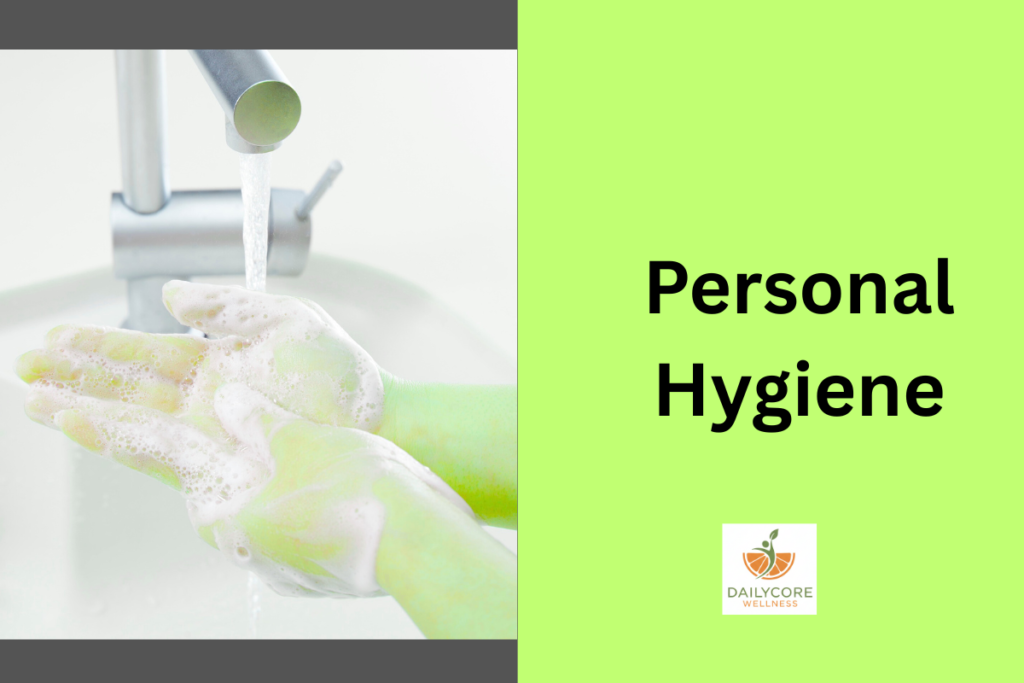
Essential Personal Hygiene Tips, 4th September 2026
1. Bathe Daily
Bathing daily is one of the most important personal hygiene practices. It helps remove sweat, dirt, bacteria, and dead skin cells that accumulate throughout the day. Using a mild soap and clean water ensures that the skin remains fresh without becoming overly dry. Paying attention to areas such as underarms, feet, and private parts is essential for preventing odor and infections. Regular bathing also improves circulation and promotes relaxation. Over time, this habit supports healthier skin and reduces the risk of dermatological issues. Maintaining consistency in bathing is crucial for long-term cleanliness and overall body health.
2. Wash Hands Frequently
Hand hygiene is a primary defense against the spread of germs and infections. Hands come into contact with numerous surfaces daily, making them a major carrier of bacteria and viruses. Washing hands with soap and water for at least 20 seconds effectively removes harmful microorganisms. This practice is especially important before eating, after using the restroom, and after touching public surfaces. Consistent handwashing reduces the risk of illnesses such as colds, flu, and gastrointestinal infections. Making this a daily habit ensures better health protection and minimizes the transmission of harmful pathogens.
3. Maintain Oral Hygiene
Oral hygiene is essential for preventing dental problems such as cavities, gum disease, and bad breath. Brushing teeth at least twice daily with fluoride toothpaste helps remove plaque and food particles. Flossing complements brushing by cleaning areas that a toothbrush cannot reach. Regular oral care also contributes to overall health, as poor dental hygiene has been linked to other medical conditions. Consistency in oral hygiene keeps the mouth clean, fresh, and healthy. Over time, it prevents costly dental treatments and ensures a confident smile.
4. Wear Clean Clothes
Wearing clean clothes is a vital part of personal hygiene that is often underestimated. Clothes absorb sweat, oils, and bacteria from the body, which can lead to unpleasant odors and skin irritation if not changed regularly. Fresh clothing helps maintain comfort and cleanliness throughout the day. It also reduces the risk of infections, especially in sensitive areas. Establishing a routine of changing clothes daily and laundering them properly ensures long-term hygiene. Clean clothing contributes significantly to overall appearance and confidence.
5. Keep Nails Clean and Trimmed
Nail hygiene is important because dirt and bacteria can easily accumulate under long or unclean nails. Keeping nails short and clean reduces the risk of infections and prevents the spread of germs. Regular trimming also improves appearance and makes hands look well-groomed. Cleaning under the nails during handwashing further enhances hygiene. Neglecting nail care can lead to bacterial growth and potential health issues. Consistent nail maintenance supports both cleanliness and overall personal grooming.
6. Use Deodorant Daily
Deodorant helps control body odor by reducing the growth of odor-causing bacteria. Applying it after bathing ensures long-lasting freshness throughout the day. This is particularly important for individuals who engage in physical activities or live in warm climates. Using deodorant consistently boosts confidence and comfort in social interactions. Choosing a product that suits your skin type prevents irritation and enhances effectiveness. Regular use contributes to a clean and pleasant personal presence.
7. Maintain Hair Hygiene
Keeping hair clean and well-groomed is an essential aspect of personal hygiene. Regular washing removes dirt, oil, and product buildup from the scalp. This helps prevent dandruff, itching, and other scalp conditions. Proper hair care also improves appearance and manageability. Using suitable hair products ensures that hair remains healthy and strong. Consistent hair hygiene supports overall grooming and enhances personal confidence.
8. Practice Foot Hygiene
Feet are prone to sweating and bacterial growth, making foot hygiene essential. Washing feet daily with soap and water helps remove dirt and prevents odor. Drying them thoroughly, especially between the toes, reduces the risk of fungal infections. Wearing clean socks and breathable footwear further supports foot health. Neglecting foot hygiene can lead to discomfort and infections. Maintaining proper care ensures healthy and odor-free feet.
9. Change Bedding Regularly
10. Maintain Proper Toilet Hygiene
Proper hygiene after using the restroom is essential for preventing infections and maintaining cleanliness. Cleaning thoroughly and washing hands afterward reduces the spread of harmful bacteria. Using clean toilet facilities and maintaining their hygiene is equally important. Consistency in this practice protects both personal and public health. Maintaining proper toilet hygiene ensures a clean and safe environment.
11. Clean Your Ears Safely
Ear hygiene is an important but often overlooked aspect of personal hygiene. Cleaning the outer ear regularly helps remove dirt and excess wax buildup. However, it is essential to avoid inserting objects deep into the ear canal, as this can cause damage or push wax further inside. Using a damp cloth or recommended ear-cleaning solutions is a safer approach. Maintaining proper ear hygiene prevents discomfort, infections, and hearing issues. Consistency in safe cleaning practices ensures that your ears remain healthy without risking injury or irritation.
12. Practice Proper Shaving Hygiene
Shaving requires proper technique and clean tools to avoid skin irritation and infections. Always use a clean, sharp razor and apply shaving cream or gel to reduce friction. Shaving in the direction of hair growth helps prevent ingrown hairs and razor bumps. After shaving, rinsing with cool water and applying a soothing aftershave helps calm the skin. Maintaining proper shaving hygiene improves skin health and ensures a clean, polished appearance over time.
13. Keep Your Environment Clean
Personal hygiene extends beyond the body to your surroundings. A clean living space reduces exposure to dust, bacteria, and allergens. Regularly cleaning surfaces, disposing of waste, and maintaining proper ventilation contribute to a healthier environment. Neglecting your surroundings can lead to the spread of germs and negatively impact your well-being. Keeping your environment clean supports overall hygiene and promotes a healthier lifestyle.
14. Wash Towels Regularly
Towels can quickly accumulate bacteria, moisture, and dead skin cells. Using unclean towels can reintroduce germs to your body after bathing. It is important to wash towels frequently and allow them to dry completely between uses. Clean towels ensure that your hygiene routine remains effective and free from contamination. Consistent towel care is essential for maintaining proper personal hygiene.
15. Stay Hydrated for Skin Health
Hydration plays a key role in maintaining healthy skin. Drinking enough water helps flush out toxins and keeps the skin moisturized from within. Dehydration can lead to dry, flaky skin and reduce the effectiveness of your hygiene routine. Consistent water intake supports skin elasticity and overall health. Maintaining hydration enhances the benefits of external hygiene practices.
16. Avoid Sharing Personal Items
Sharing personal items such as towels, razors, and toothbrushes can spread bacteria and infections. These items come into direct contact with the body and should be kept strictly personal. Using your own hygiene tools reduces the risk of skin conditions and illnesses. Establishing this habit is essential for maintaining individual health and preventing contamination.
17. Practice Good Sneezing and Coughing Etiquette
Covering your mouth and nose when sneezing or coughing helps prevent the spread of germs. Using a tissue or your elbow instead of your hands reduces contamination. Disposing of tissues properly and washing hands afterward further enhances hygiene. This practice is especially important in public spaces. Maintaining proper etiquette protects both personal and public health.
18. Maintain Intimate Hygiene
Proper care of intimate areas is essential for preventing infections and maintaining overall hygiene. Washing daily with mild soap and water helps keep these areas clean and fresh. Wearing clean, breathable underwear further supports hygiene. Avoiding harsh products prevents irritation and imbalance. Consistent intimate hygiene is crucial for comfort and long-term health.
19. Disinfect Frequently Touched Items
Items such as phones, keyboards, and door handles can harbor bacteria and germs. Regularly disinfecting these surfaces helps reduce the risk of contamination. Incorporating this habit into your routine enhances overall hygiene. Clean personal items support a healthier environment and reduce exposure to harmful microorganisms.
20. Be Consistent with Hygiene Practices
Consistency is the foundation of effective personal hygiene. Irregular habits can quickly lead to the buildup of dirt, bacteria, and unpleasant conditions. Establishing a daily routine and sticking to it ensures long-term cleanliness and health. Consistent hygiene practices lead to improved well-being, confidence, and overall quality of life.
Conclusion
Personal hygiene is a lifelong commitment that directly impacts health, confidence, and overall quality of life. Developing strong hygiene habits ensures that the body remains clean and protected from harmful microorganisms. These daily practices form the foundation of a healthy lifestyle.
Consistency is the most important factor in maintaining effective personal hygiene. Occasional efforts are not enough to achieve lasting results. By following a structured routine every day, individuals can prevent infections and maintain optimal cleanliness.
In addition to physical health, personal hygiene plays a significant role in building confidence and improving social interactions. A clean and well-groomed appearance creates a positive impression and enhances self-esteem in both personal and professional environments.
In the long term, maintaining proper hygiene leads to better health outcomes and a more comfortable life. By staying disciplined and consistent with hygiene practices, individuals can achieve lasting benefits that extend far beyond appearance.
Share this:
- Share on Facebook (Opens in new window) Facebook
- Share on X (Opens in new window) X
- Share on WhatsApp (Opens in new window) WhatsApp
- Share on Threads (Opens in new window) Threads
- Share on LinkedIn (Opens in new window) LinkedIn
- Share on Telegram (Opens in new window) Telegram
- Email a link to a friend (Opens in new window) Email
- Share on Pinterest (Opens in new window) Pinterest