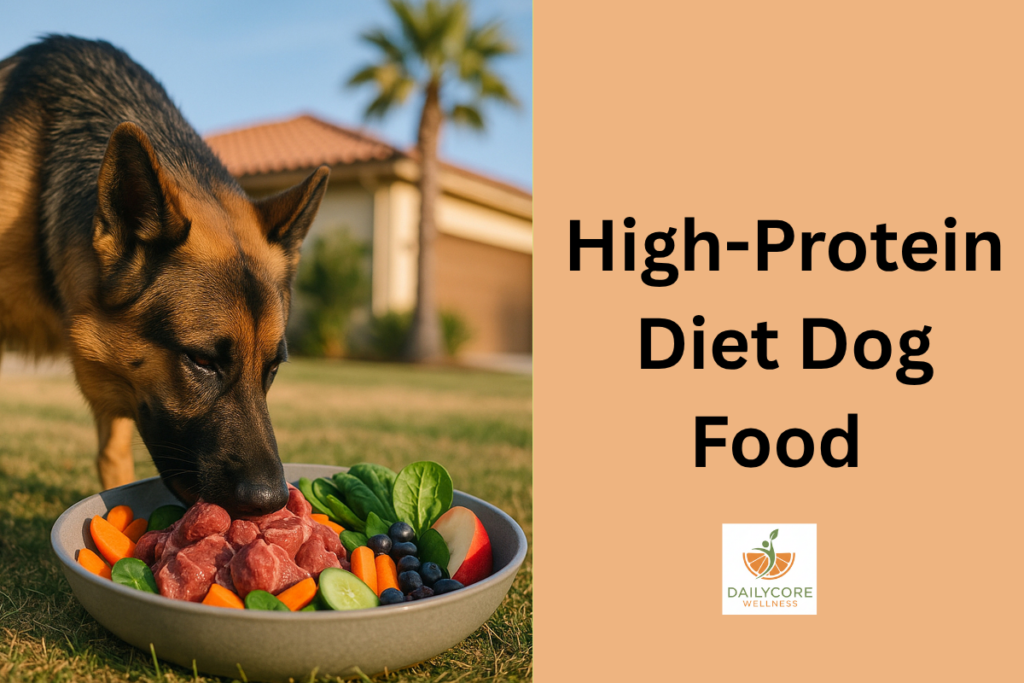
High-protein diet dog food plays a critical role in supporting a dog’s overall health, energy levels, and physical development. Protein is essential for muscle growth, tissue repair, immune function, and maintaining a healthy coat and skin. Dogs, especially active breeds and working dogs, require adequate protein intake to sustain their energy needs and maintain optimal performance.
Unlike low-quality dog foods that rely heavily on fillers and carbohydrates, high-protein dog food prioritizes animal-based or plant-based protein sources such as chicken, beef, fish, eggs, and legumes. These nutrient-dense ingredients provide essential amino acids that dogs need for proper bodily function and long-term health.
Choosing the right high-protein dog food can also help manage weight, improve digestion, and reduce health risks. Protein-rich diets promote satiety, helping dogs feel full longer and reducing overeating. They also support lean muscle maintenance, which is especially important for aging dogs or those recovering from illness.
Ultimately, feeding a high-protein diet is a proactive approach to improving your dog’s quality of life. With proper planning and consistency, pet owners can ensure their dogs receive balanced nutrition that supports long-term vitality and well-being.
Benefits of High-Protein Diet Dog Food
High-protein dog food supports muscle development and maintenance, making it essential for puppies, active dogs, and working breeds. Adequate protein ensures strong muscles, improved endurance, and faster recovery after physical activity.
Protein also plays a key role in maintaining healthy skin and a shiny coat. Amino acids contribute to hair growth and skin repair, reducing dryness, shedding, and irritation.
Another major benefit is improved satiety and weight management. High-protein meals help dogs feel full longer, reducing the likelihood of overeating and supporting a healthy body weight. This is particularly beneficial for overweight or less active dogs.
Additionally, protein supports immune function and overall metabolic health. It aids in the production of enzymes and hormones, helping dogs maintain energy, digestion, and resilience against illness. Consistent intake of high-quality protein ensures long-term health and vitality.
High-Protein Diet Dog Food Tips and Options, 4th September 2026
1. Choose Animal-Based Protein Sources
Animal proteins such as chicken, beef, turkey, and fish provide complete amino acid profiles that dogs need for optimal health. These proteins are highly digestible and support muscle growth, energy, and immune function. When selecting dog food, ensure that a high-quality animal protein is listed as the first ingredient. This guarantees that your dog receives sufficient nutrients for daily activity and long-term wellness.
2. Include Fish for Omega-3 Fatty Acids
Fish like salmon and sardines are excellent protein sources that also provide omega-3 fatty acids. These fats support brain health, reduce inflammation, and improve coat quality. Including fish-based meals in your dog’s diet enhances overall nutrition while supporting heart and joint health. Regular consumption helps maintain energy levels and promotes long-term vitality.
3. Opt for Lean Meats
Lean meats such as chicken breast and turkey are ideal for maintaining muscle without excessive fat intake. They provide high-quality protein while supporting weight management. Lean protein sources are especially beneficial for dogs prone to obesity or those on controlled diets. Including these options ensures balanced nutrition and sustained energy levels.
4. Incorporate Eggs
Eggs are a complete protein source rich in essential amino acids, vitamins, and minerals. They are easy to digest and support muscle repair, skin health, and overall vitality. Adding cooked eggs to your dog’s diet can enhance protein intake and provide additional nutrients that support long-term health and energy.
5. Add Plant-Based Protein Options
While animal protein is essential, plant-based sources like lentils, chickpeas, and peas can complement a high-protein diet. These ingredients provide fiber, vitamins, and additional protein. Including them in moderation supports digestion and overall nutrient balance while enhancing the variety of your dog’s meals.
6. Avoid Low-Quality Fillers
High-protein dog food should minimize fillers such as corn, wheat, and soy. These ingredients provide little nutritional value and can lead to weight gain or digestive issues. Choosing high-quality formulations ensures that your dog receives nutrient-dense meals focused on protein and essential nutrients.
7. Consider Age and Activity Level
Protein needs vary depending on a dog’s age, size, and activity level. Puppies and active dogs require more protein for growth and energy, while senior dogs may need moderate levels to maintain muscle mass. Tailoring protein intake ensures optimal health at every life stage.
8. Ensure Balanced Nutrition
While protein is important, a balanced diet should also include healthy fats, carbohydrates, vitamins, and minerals. High-protein dog food should be formulated to meet complete nutritional requirements, ensuring your dog receives all essential nutrients for long-term health.
9. Monitor Portion Sizes
Even with high-protein diets, portion control is essential. Overfeeding can lead to weight gain and health issues. Measuring meals and following feeding guidelines ensures your dog maintains a healthy weight while receiving adequate protein and nutrients.
10. Provide Fresh Water Always
High-protein diets can increase a dog’s need for hydration. Always provide fresh, clean water to support digestion, nutrient absorption, and overall health. Proper hydration complements a high-protein diet and ensures your dog stays active and healthy.
11. Rotate Protein Sources Regularly
Rotating different protein sources such as chicken, beef, fish, and turkey helps provide a wider range of amino acids and nutrients. Each protein source contains unique vitamins and minerals that contribute to overall health. Rotation also reduces the risk of food sensitivities or allergies that can develop from prolonged exposure to a single protein. By varying your dog’s protein intake, you support better digestion, improved immune response, and enhanced nutrient absorption. Consistently rotating proteins ensures a more balanced and diverse diet, promoting long-term vitality and reducing nutritional gaps.
12. Prioritize Whole Food Ingredients
High-protein dog food should include whole, minimally processed ingredients rather than artificial additives or by-products. Whole foods such as fresh meat, fish, eggs, and vegetables provide higher nutrient density and better digestibility. These ingredients supply essential amino acids, vitamins, and minerals that support muscle development, immune function, and overall wellness. Choosing whole food-based diets ensures your dog receives clean, high-quality nutrition that promotes sustained energy and long-term health. Avoiding overly processed foods reduces exposure to fillers and unnecessary chemicals.
13. Include Organ Meats for Nutrient Density
Organ meats such as liver, kidney, and heart are rich in high-quality protein and essential nutrients like iron, vitamin A, and B vitamins. These nutrients support blood health, metabolism, and immune function. Including small amounts of organ meats in a dog’s diet enhances nutritional value and complements muscle meat protein sources. Organ meats are highly bioavailable, meaning dogs can easily absorb and utilize their nutrients. Regular inclusion supports optimal health, improved energy levels, and stronger overall physiological function.
14. Check Protein Percentage on Labels
Understanding the protein content listed on dog food labels is crucial for selecting the right diet. High-protein dog foods typically contain at least 25–30% protein, depending on the dog’s age and activity level. Checking the guaranteed analysis ensures your dog is receiving adequate protein for muscle maintenance and energy. Avoid foods with misleading labels or unclear ingredient lists. Consistently choosing products with clearly stated, high protein levels supports balanced nutrition and long-term health outcomes.
15. Support Digestibility with Enzymes
High-protein diets can be optimized by including digestive enzymes or probiotics to support nutrient absorption. These additions help break down proteins more efficiently, reducing digestive strain and improving gut health. Dogs with sensitive stomachs particularly benefit from enhanced digestibility. Better digestion ensures that protein is effectively utilized for muscle repair, energy production, and overall health. Incorporating enzyme-rich foods or supplements promotes consistent energy and reduces digestive discomfort.
16. Adjust Protein Intake for Senior Dogs
Older dogs still require protein, but the focus should shift to highly digestible, moderate protein sources. Aging dogs benefit from protein that supports muscle preservation without overloading the kidneys. Lean meats, fish, and eggs are ideal options. Maintaining adequate protein intake helps prevent muscle loss, supports mobility, and enhances quality of life. Monitoring portion sizes and protein quality ensures senior dogs remain active, healthy, and well-nourished over time.
17. Balance Protein with Healthy Fats
While protein is essential, pairing it with healthy fats such as fish oil or chicken fat enhances energy and nutrient absorption. Fats provide concentrated energy and support skin, coat, and brain health. A balanced ratio of protein and fat ensures dogs receive sustained energy without relying on excessive carbohydrates. This combination supports metabolic health, satiety, and overall well-being, making meals more complete and effective.
18. Avoid Excessive Protein Overfeeding
Although protein is beneficial, excessive intake can lead to imbalances or unnecessary calorie consumption. Overfeeding high-protein foods may contribute to weight gain or strain in certain health conditions. It is important to provide the right amount based on your dog’s size, age, and activity level. Consulting feeding guidelines or a veterinarian ensures appropriate protein intake. Balanced feeding promotes optimal health, energy, and long-term sustainability of the diet.
19. Use High-Protein Treats Wisely
High-protein treats such as dried meat or fish can complement your dog’s diet, but they should be given in moderation. Treats should not replace balanced meals, but can support training and reward systems. Choosing natural, protein-rich treats without additives ensures your dog receives additional nutrients without unnecessary calories. Proper portioning of treats helps maintain weight, supports satiety, and reinforces healthy feeding habits.
20. Monitor Your Dog’s Response
Regularly observing your dog’s health, energy levels, coat condition, and digestion helps determine if a high-protein diet is effective. Signs of a good diet include strong muscles, a shiny coat, steady energy, and healthy digestion. Any negative changes, such as lethargy, weight gain, or digestive issues, may indicate the need for adjustments. Monitoring and adapting your dog’s diet ensures it continues to meet their nutritional needs, supporting long-term health and overall well-being.
21. Choose Grain-Free Options When Necessary
Some dogs may benefit from grain-free high-protein diets, especially those with sensitivities to wheat, corn, or soy. Grain-free formulas typically rely on protein-rich ingredients like meat, fish, and legumes while reducing potential allergens. However, grain-free does not automatically mean healthier for all dogs, so it should be chosen based on individual needs. Monitoring your dog’s digestion, coat condition, and energy levels helps determine suitability. When appropriate, grain-free high-protein diets can support better digestion, reduce inflammation, and improve overall comfort and health.
22. Include Bone Broth for Added Protein and Nutrients
Bone broth is a nutrient-dense addition to a high-protein dog diet. It contains collagen, amino acids, and minerals that support joint health, digestion, and immune function. Adding bone broth to meals enhances flavor and encourages hydration, especially in picky eaters. It also improves nutrient absorption and supports gut health. Regular inclusion provides an extra protein boost while promoting overall vitality and recovery, particularly for active or aging dogs.
23. Use Freeze-Dried Raw Protein Options
24. Incorporate Sardines for Protein and Healthy Fats
Sardines are a rich source of protein and omega-3 fatty acids. They support heart health, reduce inflammation, and improve coat condition. Adding sardines occasionally to your dog’s meals enhances nutrient intake and provides variety. Their soft bones also supply calcium, contributing to bone health. Regular inclusion in moderation supports overall wellness, energy, and long-term health benefits.
25. Avoid Artificial Preservatives and Additives
High-protein dog food should be free from artificial preservatives, colors, and flavors. These additives can negatively affect digestion, cause allergies, and reduce overall food quality. Choosing natural, minimally processed foods ensures better nutrient absorption and long-term health. Clean ingredients contribute to improved energy, coat condition, and digestive health, supporting a high-quality diet for your dog.
26. Incorporate Fresh Vegetables for Balance
While protein is essential, adding fresh vegetables like carrots, spinach, and green beans provides fiber, vitamins, and antioxidants. These nutrients support digestion, immune function, and overall health. Vegetables complement high-protein diets by enhancing nutrient diversity and improving gut health. Including them regularly ensures balanced meals that promote long-term wellness and sustained energy.
27. Ensure Proper Cooking Methods
Cooking methods affect protein quality and digestibility. Boiling, baking, or lightly steaming protein sources helps retain nutrients while making them easier to digest. Avoid frying or heavily processed preparations that add unhealthy fats or reduce nutritional value. Proper cooking ensures your dog receives high-quality protein that supports muscle maintenance, energy, and overall health.
28. Introduce New Proteins Gradually
When adding new protein sources to your dog’s diet, gradual introduction is essential to prevent digestive upset. Sudden changes can lead to diarrhea or discomfort. Slowly mixing new protein with the current diet allows the digestive system to adjust. This approach ensures better tolerance, improved digestion, and long-term dietary success while maintaining your dog’s comfort and health.
29. Maintain Consistent Feeding Schedule
Consistency in feeding times helps regulate digestion, metabolism, and energy levels. Feeding your dog high-protein meals at the same time each day supports routine and improves nutrient absorption. A structured schedule also helps monitor appetite and identify any changes in eating behavior. Consistency reinforces healthy habits and contributes to long-term dietary success.
30. Use Vet-Recommended High-Protein Diets
Consulting a veterinarian before switching to a high-protein diet ensures it meets your dog’s specific needs. Veterinarians can recommend appropriate protein levels based on age, breed, health conditions, and activity level. Professional guidance helps prevent nutritional imbalances and supports optimal health outcomes.
31. Support Joint Health with Protein and Supplements
High-protein diets can be enhanced with joint-supporting supplements like glucosamine and chondroitin. These nutrients work alongside protein to maintain muscle strength and joint integrity. This is particularly beneficial for active or aging dogs. Supporting joints ensures mobility, reduces discomfort, and promotes long-term physical health.
32. Include Variety to Prevent Food Boredom
Dogs can become bored with repetitive meals. Including a variety of high-protein ingredients keeps meals interesting and encourages consistent eating. Rotating flavors and textures ensures your dog remains engaged and satisfied. This approach also enhances nutrient diversity and supports long-term dietary adherence.
33. Monitor Protein for Dogs with Health Conditions
Dogs with kidney or liver issues may require adjusted protein intake. While protein is essential, excessive amounts can strain certain organs in sensitive dogs. Working with a veterinarian ensures the diet is tailored appropriately. Monitoring health conditions ensures your dog benefits from protein without compromising overall well-being.
34. Choose High-Quality Commercial Brands
Not all high-protein dog foods are equal. Selecting reputable brands with transparent ingredient lists ensures quality and safety. Look for brands that prioritize real meat, avoid fillers, and meet nutritional standards. High-quality commercial options provide convenience while maintaining optimal nutrition for your dog.
35. Use Homemade High-Protein Meals Carefully
Homemade dog food allows full control over ingredients, but it must be balanced properly. Including appropriate portions of protein, fats, and nutrients is essential. Consulting a veterinarian or pet nutritionist ensures that homemade meals meet all dietary requirements. Properly prepared homemade meals can support high-protein intake and long-term health.
36. Balance Protein with Fiber for Digestion
Fiber plays an important role in digestion alongside protein. Including fiber-rich foods like vegetables or small amounts of whole grains supports gut health and prevents digestive issues. A balanced combination of protein and fiber ensures smooth digestion, nutrient absorption, and overall well-being.
37. Adjust Portions Based on Activity Level
Active dogs require more protein and calories than sedentary ones. Adjusting portion sizes based on activity level ensures your dog receives adequate nutrition without overeating. Monitoring weight and energy levels helps maintain balance. Tailored feeding supports optimal performance, muscle health, and long-term wellness.
38. Store High-Protein Food Properly
Proper storage preserves the quality and safety of high-protein dog food. Keep dry food in airtight containers and refrigerate fresh or cooked meals promptly. Proper storage prevents spoilage, maintains nutrient integrity, and protects your dog from foodborne illness. Consistent storage practices ensure food remains safe and nutritious.
39. Combine Dry and Wet High-Protein Foods
Mixing dry kibble with wet high-protein food enhances flavor, texture, and hydration. Wet food often contains higher moisture content, supporting hydration and digestion. Combining both options provides balanced nutrition and keeps meals appealing, encouraging consistent eating habits.
40. Reassess Diet Regularly
A dog’s nutritional needs change over time. Regularly reassessing their diet ensures it continues to meet their health, age, and activity requirements. Monitoring weight, energy, and overall health helps guide adjustments. Consistent evaluation supports long-term wellness, ensuring your dog benefits from a high-protein diet throughout all life stages.