A vegetarian diet can be highly effective for fat loss when structured properly to provide adequate protein, fiber, and nutrient-dense foods. Unlike extreme calorie-restriction diets, a balanced vegetarian approach focuses on maintaining lean muscle while creating a moderate calorie deficit, which is essential for sustainable fat loss. Incorporating a variety of plant-based proteins, whole grains, vegetables, and healthy fats ensures that energy levels remain stable, metabolism is supported, and hunger is managed throughout the day.
For women and men alike, protein is a key component of any fat-loss diet. Plant-based proteins such as lentils, chickpeas, tofu, tempeh, and quinoa help preserve lean muscle mass, support recovery after exercise, and increase satiety. These protein sources, combined with fiber-rich vegetables and whole grains, create a balanced, filling, and nutrient-dense diet that supports gradual fat loss without compromising health.
Complex carbohydrates like brown rice, oats, and whole-grain bread provide sustained energy, fueling workouts and daily activity while preventing blood sugar spikes. Healthy fats from nuts, seeds, and avocados promote satiety and support hormonal balance, both of which are critical for long-term weight management.
Adopting a vegetarian fat-loss diet requires careful planning to ensure all essential nutrients are consumed. By combining plant-based protein sources, fiber-rich foods, and healthy fats, a vegetarian diet can be effective for fat loss, improve overall health, and create sustainable lifestyle habits that are easier to maintain over time.
Benefits of a Vegetarian Fat-Loss Diet
A well-designed vegetarian fat-loss diet provides numerous benefits beyond calorie control. It is naturally rich in fiber, vitamins, antioxidants, and minerals, which improve digestion, promote satiety, and support overall metabolic health.
High plant-based protein intake helps preserve lean muscle mass, which is crucial for maintaining metabolic rate during fat loss. Plant proteins are also low in saturated fat, reducing cardiovascular risks while supporting healthy weight management.
Vegetarian diets encourage the consumption of whole, minimally processed foods, which reduces excess sugar and unhealthy fat intake. This promotes a consistent calorie deficit while supplying the body with essential nutrients necessary for energy, recovery, and performance.
Finally, a vegetarian approach to fat loss is versatile and sustainable. It can include a wide variety of meals, snacks, and flavor profiles, making adherence easier and long-term success more achievable compared to restrictive diets.
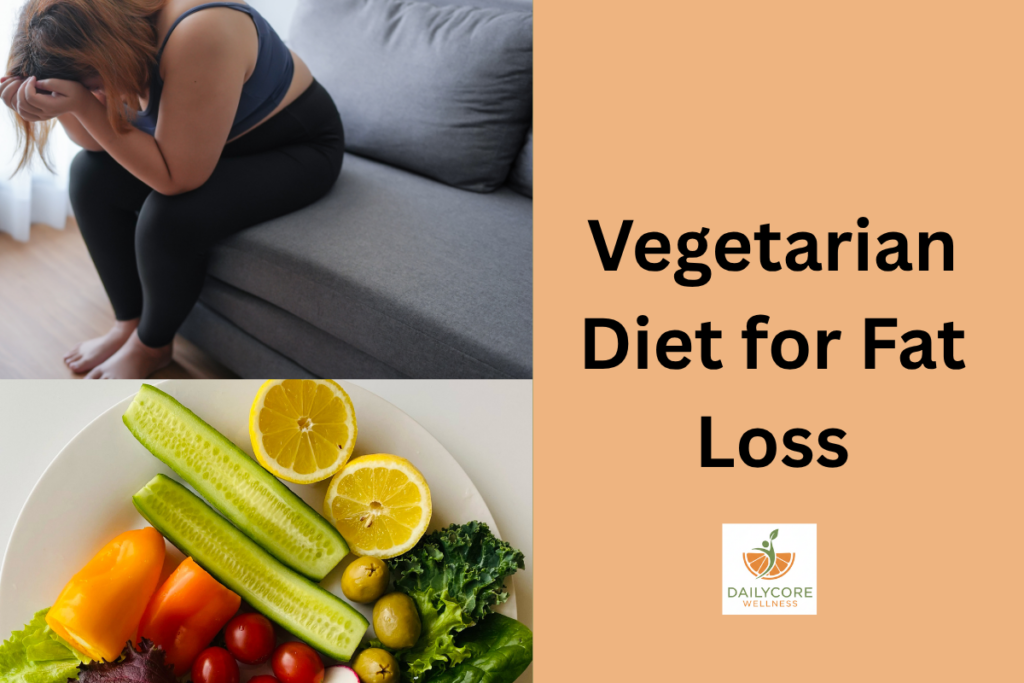
Key Foods for a Vegetarian Fat-Loss Diet, 4th September 2026
1. Lentils
Lentils are a plant-based protein source with approximately 9 grams of protein per 100 grams cooked. They are high in fiber, which promotes fullness, stabilizes blood sugar, and supports digestive health. Lentils can be used in soups, salads, and stews, providing a nutrient-dense, low-calorie option that preserves lean muscle while supporting fat loss.
2. Chickpeas
Chickpeas offer around 9 grams of protein per 100 grams and are rich in fiber, iron, and magnesium. They are versatile, easily incorporated into salads, hummus, or stews. The combination of protein and fiber enhances satiety, reduces cravings, and supports a calorie-controlled diet for sustainable fat loss.
3. Tofu
Tofu provides 8 grams of protein per 100 grams and contains all essential amino acids. It is low in fat and highly versatile, making it ideal for stir-fries, salads, or baked dishes. Including tofu helps preserve lean muscle mass while promoting fat loss and adds essential minerals like calcium and iron to the diet.
4. Tempeh
Tempeh is a fermented soy product providing 19 grams of protein per 100 grams. Its fermentation improves digestibility and gut health. Tempeh is ideal for stir-fries or salads and supports muscle preservation, satiety, and fat-loss goals in a vegetarian diet.
5. Quinoa
Quinoa is a complete protein containing all essential amino acids, with about 4 grams per 100 grams cooked. It also provides complex carbohydrates for sustained energy. Pairing quinoa with vegetables or legumes creates balanced meals that support fat loss while maintaining lean muscle.
6. Edamame
Edamame offers 11 grams of protein per 100 grams cooked and is high in fiber. It can be eaten as a snack, added to salads, or included in stir-fries. Edamame provides a nutrient-dense, low-calorie protein source, supporting satiety, muscle preservation, and fat-loss goals.
7. Greek Yogurt (Vegetarian Option)
Plain Greek yogurt provides 10 grams of protein per 100 grams. It is low in fat when chosen plain and adds probiotics to support gut health. Pairing yogurt with fruit or seeds creates a filling snack or breakfast, promoting satiety and lean muscle retention during fat loss.
8. Almonds
Almonds contain protein, fiber, and healthy fats. They are calorie-dense but highly satiating, making them ideal for portion-controlled snacks. Regular consumption helps maintain energy levels, reduce cravings, and support lean muscle during a vegetarian fat-loss diet.
9. Spinach and Leafy Greens
Leafy greens like spinach, kale, and arugula are low in calories but high in fiber, vitamins, and minerals. They increase meal volume, improve satiety, and provide essential nutrients for metabolism and fat loss.
10. Berries
Berries such as blueberries, strawberries, and raspberries are low-calorie fruits rich in antioxidants and fiber. They satisfy sweet cravings naturally, regulate blood sugar, and provide nutrients that support fat loss and overall health.
11. Black Beans
Black beans provide approximately 8 grams of protein per 100 grams and are high in fiber, which promotes fullness and stabilizes blood sugar. They also contain iron and magnesium, supporting energy metabolism and overall health. Black beans are versatile—they can be added to salads, soups, or veggie burgers. The combination of protein and fiber helps preserve lean muscle during a calorie deficit while enhancing satiety, reducing the risk of overeating. Regular inclusion of black beans in a vegetarian fat-loss diet supports nutrient adequacy, stabilizes energy, and contributes to sustainable fat-loss outcomes, making them an excellent choice for those seeking plant-based protein and fiber in their daily meals.
12. Kidney Beans
Kidney beans are rich in protein (about 8 grams per 100 grams cooked) and fiber. They support digestive health, improve satiety, and help regulate blood sugar. Including kidney beans in soups, stews, or salads adds a hearty, nutrient-dense element to meals. Their protein content aids in preserving lean muscle during weight loss, while fiber promotes fullness and reduces unnecessary snacking. Regularly consuming kidney beans ensures that women following a vegetarian diet maintain sufficient protein intake, support metabolism, and sustain energy levels throughout the day, contributing to long-term adherence to a fat-loss nutrition plan.
13. Green Peas
Green peas offer 5 grams of protein per 100 grams and are also high in fiber and vitamins such as vitamin K and C. They are low in calories but highly nutritious, making them ideal for fat-loss diets. Green peas can be steamed, added to soups, or included in stir-fries, providing both texture and flavor. The protein and fiber combination promotes satiety, helps preserve lean muscle during calorie restriction, and contributes to steady energy levels. Including green peas in a vegetarian fat-loss meal plan helps improve nutrient density, support metabolism, and maintain long-term adherence to a healthy eating routine.
14. Tempeh Stir-Fry
Tempeh stir-fried with broccoli, bell peppers, and mushrooms provides 19 grams of protein per 100 grams of tempeh and is rich in fiber, vitamins, and minerals. The fermentation in tempeh also supports gut health, enhancing nutrient absorption. This meal is low in calories but nutrient-dense, promoting satiety and muscle preservation. Pairing tempeh with fiber-rich vegetables stabilizes blood sugar and supports digestion. Regular inclusion of tempeh stir-fry in a vegetarian fat-loss plan ensures a consistent protein supply, helps maintain lean muscle during calorie restriction, and contributes to sustainable fat-loss results.
15. Edamame Salad
An edamame salad with tomatoes, cucumbers, and bell peppers offers around 11 grams of protein per 100 grams of edamame. High in fiber, it supports satiety and digestive health while stabilizing blood sugar levels. Adding a small amount of olive oil provides healthy fats that support hormone regulation and fat metabolism. This colorful, nutrient-rich salad is filling yet low in calories, making it an excellent choice for a vegetarian fat-loss plan. Regularly including edamame salads ensures sufficient protein intake, supports lean muscle preservation, and promotes adherence to a structured weight-loss plan.
16. Quinoa and Vegetable Bowl
A bowl of quinoa with roasted vegetables and chickpeas provides complete plant-based protein, fiber, and complex carbohydrates. Quinoa delivers all essential amino acids, supporting lean muscle preservation, while chickpeas add additional protein and fiber. Vegetables provide antioxidants, vitamins, and minerals essential for metabolism and fat loss. This meal stabilizes blood sugar, promotes satiety, and ensures sustained energy throughout the day. Incorporating quinoa bowls regularly supports a vegetarian fat-loss plan by providing nutrient-dense, balanced meals that are filling, flavorful, and supportive of long-term fat-loss goals.
17. Lentil and Vegetable Soup
18. Tofu Scramble
A tofu scramble with spinach, mushrooms, and bell peppers offers approximately 8 grams of protein per 100 grams of tofu and is rich in fiber, vitamins, and minerals. It is a low-calorie, nutrient-dense alternative to scrambled eggs, perfect for vegetarian diets. Regularly consuming tofu scrambles for breakfast or brunch supports lean muscle preservation, promotes satiety, and provides sustained energy. Including plant-based protein at the start of the day helps control hunger, stabilize blood sugar, and enhance adherence to a structured fat-loss nutrition plan.
19. Greek Yogurt with Flax Seeds and Berries
Greek yogurt combined with flax seeds and berries provides protein, fiber, omega-3 fatty acids, and antioxidants. Greek yogurt supplies 10 grams of protein per 100 grams, helping preserve muscle during a calorie deficit. Flax seeds provide healthy fats and additional fiber, enhancing satiety and supporting metabolism. Berries add natural sweetness and micronutrients. This snack or breakfast stabilizes blood sugar, reduces cravings, and supports sustainable fat loss. Regular consumption ensures women following a vegetarian plan meet protein requirements while maintaining nutrient balance and energy levels throughout the day.
20. Chia Seed Pudding
Chia seed pudding made with almond milk and a touch of fruit provides protein, fiber, and omega-3 fatty acids. Chia seeds absorb liquid to create a filling, low-calorie snack or breakfast option. Fiber promotes satiety, stabilizes blood sugar, and supports digestion, while protein helps preserve lean muscle during weight loss. This pudding can be prepared in advance, making it a convenient and nutrient-dense option. Regularly including chia seed pudding in a vegetarian fat-loss plan promotes adherence, supports energy, and enhances long-term fat-loss outcomes.
21. Spinach and Chickpea Curry
A curry made with chickpeas and spinach provides plant-based protein, fiber, and micronutrients. Chickpeas contribute approximately 9 grams of protein per 100 grams, supporting lean muscle preservation, while spinach adds vitamins, minerals, and antioxidants. Lightly cooking with olive oil adds healthy fats for satiety and hormone balance. Regularly including this curry supports nutrient-dense, filling meals that promote fat loss, stabilize energy, and improve adherence to a vegetarian weight-loss plan.
22. Veggie Burger with Black Beans
A black bean veggie burger provides plant-based protein, fiber, and complex carbohydrates. Black beans supply protein for muscle preservation, while fiber promotes fullness and digestive health. Pairing with whole-grain buns and vegetables creates a balanced, nutrient-dense meal suitable for lunch or dinner. Regular inclusion ensures sufficient protein intake, supports lean muscle, and promotes sustainable fat loss while providing variety in a vegetarian diet.
23. Roasted Vegetable and Quinoa Salad
A salad of roasted vegetables and quinoa delivers complete plant-based protein, fiber, and antioxidants. Quinoa supplies all essential amino acids, supporting muscle preservation, while fiber-rich vegetables promote satiety and digestive health. Regularly consuming this salad ensures nutrient-dense, filling meals that contribute to fat loss while maintaining energy levels and overall health.
24. Almond Butter and Banana on Whole Grain Toast
A snack of almond butter and banana on whole-grain toast provides protein, fiber, and healthy fats. Almond butter supplies satiety and micronutrients, while a banana provides slow-digesting carbohydrates for sustained energy. This combination is nutrient-dense, low in processed sugar, and supports lean muscle maintenance during a calorie deficit. Including this snack helps women adhere to a vegetarian fat-loss plan consistently.
25. Tempeh Buddha Bowl
26. Oatmeal with Almonds and Berries
Oatmeal prepared with almond milk, topped with almonds and berries, offers fiber, protein, and antioxidants. The combination stabilizes blood sugar, enhances satiety, and provides energy for daily activity or workouts. Including this breakfast regularly supports lean muscle preservation, promotes fat loss, and provides essential micronutrients in a vegetarian diet.
27. Lentil and Brown Rice Bowl
Combining lentils and brown rice provides a complete plant-based protein, fiber, and complex carbohydrates. This meal supports lean muscle retention, promotes satiety, and stabilizes blood sugar. Vegetables can be added for micronutrients and antioxidants. Regular inclusion supports sustainable fat loss and nutrient balance.
28. Greek Yogurt with Pumpkin Seeds
Greek yogurt paired with pumpkin seeds provides protein, fiber, and healthy fats. Protein supports lean muscle preservation, while fiber and fats stabilize blood sugar and promote satiety. This snack is nutrient-dense, low in calories, and ideal for women following a vegetarian fat-loss plan.
29. Tofu and Vegetable Skewers
Grilled tofu with vegetables like zucchini, peppers, and mushrooms provides protein, fiber, and vitamins. This low-calorie, nutrient-dense meal supports muscle retention, satiety, and energy levels. Regular inclusion ensures adherence to a vegetarian fat-loss diet and contributes to sustainable results.
30. Chickpea and Quinoa Patties
Chickpea and quinoa patties combine protein, fiber, and micronutrients in a versatile, low-calorie dish. Protein preserves lean muscle, while fiber promotes satiety. Ideal for lunch or dinner, these patties support fat loss and energy maintenance in a vegetarian plan.
31. Spinach and Mushroom Omelet
A vegetarian omelet with eggs or egg substitute, spinach, and mushrooms provides protein, fiber, and vitamins. This filling breakfast preserves muscle mass, stabilizes blood sugar, and supports fat loss. Consistent inclusion ensures energy for daily activity and exercise.
32. Vegan Protein Shake
A protein shake with plant-based protein powder, almond milk, and berries supplies 20–25 grams of protein per serving. This supports lean muscle preservation, satiety, and recovery post-workout. Shakes are convenient for women adhering to a vegetarian fat-loss plan.
33. Roasted Cauliflower and Tempeh Bowl
Roasted cauliflower and tempeh provide protein, fiber, and micronutrients. Tempeh supplies 19 grams of protein per 100 grams, preserving muscle, while fiber enhances satiety. Regular consumption promotes adherence and sustainable fat loss.
34. Edamame Hummus Wrap
A wrap with edamame hummus, spinach, and shredded carrots provides protein, fiber, and healthy fats. This portable meal supports lean muscle, stabilizes blood sugar, and enhances satiety, contributing to sustainable fat-loss results.
35. Chia Seed Smoothie Bowl
A smoothie bowl with chia seeds, almond milk, berries, and nuts provides protein, fiber, omega-3s, and antioxidants. Chia seeds and nuts enhance satiety and preserve lean muscle, while berries add micronutrients and flavor. Regular consumption supports nutrient adequacy, energy levels, and sustainable fat loss in a vegetarian diet.