Low-calorie, high-protein meals are one of the most effective nutritional strategies for individuals aiming to lose fat while preserving or building lean muscle. By reducing overall calorie intake while maintaining a high protein consumption, the body is encouraged to burn stored fat without sacrificing muscle tissue. This approach is widely used in fitness, weight management, and athletic performance because it supports both aesthetics and health. When implemented correctly, it creates a sustainable pathway toward improved body composition.
The foundation of low-calorie, high-protein meals lies in nutrient density. These meals prioritize foods that deliver maximum protein with minimal calories, such as lean meats, fish, eggs, legumes, and low-fat dairy. At the same time, they incorporate vegetables, whole grains, and healthy fats in controlled portions to maintain balance. This structure ensures that the body receives essential nutrients while staying within calorie targets, making it easier to maintain energy levels and prevent deficiencies.
Another key advantage of this approach is its ability to enhance satiety. Protein is known to increase feelings of fullness more effectively than carbohydrates or fats. This helps reduce hunger, minimize snacking, and improve adherence to a calorie-controlled diet. As a result, individuals are more likely to stay on track with their nutrition plan, leading to more consistent progress over time.
Additionally, low-calorie, high-protein meals support metabolic health and recovery. Protein plays a crucial role in muscle repair, hormone production, and enzyme function. By maintaining adequate protein intake, individuals can sustain performance during workouts while promoting recovery afterward. This combination of fat loss and muscle preservation makes this dietary strategy highly effective for long-term fitness success.
What Low-Calorie, High-Protein Meals Are and Why They Matter
Low-calorie, high-protein meals are carefully structured meals designed to deliver a high amount of protein while keeping overall calorie intake relatively low. These meals typically emphasize lean protein sources such as chicken breast, turkey, fish, egg whites, tofu, and legumes, while limiting high-calorie ingredients like added sugars and excessive fats. The goal is to provide the body with enough protein to support muscle maintenance and repair while creating a calorie deficit that promotes fat loss.
The importance of these meals lies in their dual function. They help reduce body fat while preserving lean muscle mass, which is essential for maintaining metabolic rate. When calorie intake is reduced without sufficient protein, the body may break down muscle tissue for energy. High-protein meals prevent this by supplying the necessary amino acids to maintain muscle integrity. This is particularly important for individuals engaging in resistance training or high-intensity workouts.
Another key benefit is improved appetite control. Protein-rich meals slow digestion and regulate hunger hormones, making it easier to avoid overeating. This supports better portion control and long-term adherence to a healthy diet. In addition, these meals help stabilize blood sugar levels, preventing energy crashes and cravings that can derail progress.
Structured Low-Calorie, High-Protein Meals
A> Lean Animal-Based Options
- Grilled Chicken Breast with Steamed Vegetables
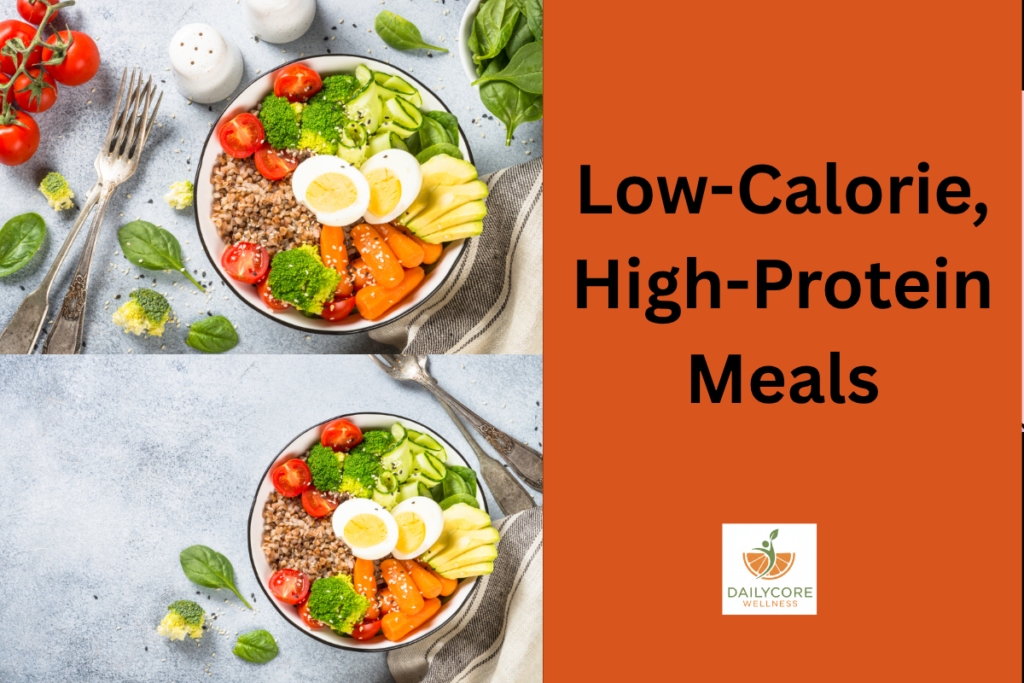
Grilled chicken breast is one of the most efficient lean protein sources, offering a high protein-to-calorie ratio with minimal fat. When paired with steamed vegetables such as broccoli, carrots, and green beans, this meal becomes nutrient-dense while remaining low in calories. The vegetables provide fiber, vitamins, and minerals that support digestion and overall health. This combination promotes satiety, reduces unnecessary calorie intake, and supports muscle repair after workouts. It is ideal for individuals focused on fat loss, as it delivers essential nutrients without excess energy intake, making it a staple in structured meal planning. - Baked Salmon with Asparagus
Baked salmon provides high-quality protein along with omega-3 fatty acids, which support heart health and reduce inflammation. Although slightly higher in calories than lean meats, its nutrient density makes it valuable in controlled portions. Asparagus complements salmon by adding fiber, antioxidants, and essential micronutrients while keeping the meal light. This combination supports muscle recovery, improves metabolic health, and enhances satiety. Including meals like this ensures that nutritional balance is maintained while still adhering to calorie goals, making it suitable for both fat loss and overall wellness. - Lean Turkey Mince with Zucchini Noodles
Lean turkey mince is a versatile, high-protein option that contains less fat compared to traditional red meats. When paired with zucchini noodles instead of pasta, the meal significantly reduces calorie intake while maintaining volume and satisfaction. Zucchini is low in calories but rich in water and fiber, which supports hydration and digestion. This meal is ideal for those aiming to reduce carbohydrate intake while still enjoying a filling dish. It supports muscle maintenance and helps regulate appetite, making it an effective choice for sustainable weight management. - Grilled Shrimp with Mixed Greens Salad
Shrimp is naturally low in calories and high in protein, making it an excellent choice for lean eating. Pairing it with a mixed greens salad, including spinach, lettuce, and cucumbers, adds fiber and micronutrients without significantly increasing calorie content. This meal is light yet satisfying, making it ideal for evening meals or post-workout recovery. The combination supports muscle repair, enhances digestion, and helps maintain a calorie deficit. Its simplicity and nutrient density make it a reliable option for individuals focused on maintaining lean body composition.
B> Dairy and Egg-Based Options
- Egg White Omelette with Spinach and Tomatoes
Egg whites are almost pure protein, making them one of the lowest-calorie protein sources available. Preparing an omelette with spinach and tomatoes adds vitamins, minerals, and antioxidants without increasing calorie load significantly. This meal is particularly beneficial for breakfast, as it provides sustained energy and helps control hunger throughout the day. The high protein content supports muscle maintenance, while the vegetables contribute to overall health. This combination is easy to prepare and highly effective for individuals following structured low-calorie diets. - Greek Yogurt with Berries and Chia Seeds
Greek yogurt is rich in protein and probiotics, which support digestion and gut health. Adding berries provides natural sweetness, fiber, and antioxidants, while chia seeds contribute healthy fats and additional fiber. This combination creates a balanced meal that supports recovery, satiety, and overall wellness. It is low in calories yet nutrient-dense, making it suitable for snacks or light meals. The mix of macronutrients ensures sustained energy release and helps maintain muscle mass during calorie restriction. - Cottage Cheese with Cucumber and Black Pepper
Cottage cheese contains casein protein, which digests slowly and provides a steady release of amino acids. Pairing it with cucumber adds hydration and crunch while keeping the meal low in calories. Black pepper enhances flavor without adding calories, making this a simple yet effective meal option. This combination is ideal for evening consumption, as it supports overnight muscle recovery. Its high protein content and low energy density make it suitable for individuals aiming to lose fat while preserving lean mass.
C> Plant-Based High-Protein Options
- Tofu Stir-Fry with Mixed Vegetables
Tofu is a plant-based protein source that is low in calories and highly versatile. Stir-frying it with vegetables such as bell peppers, broccoli, and carrots creates a nutrient-rich meal that supports muscle maintenance and overall health. Using minimal oil keeps calorie content low while preserving flavor. This meal is ideal for vegetarians and those seeking plant-based alternatives. It provides a balanced combination of protein, fiber, and micronutrients, making it effective for weight management and sustained energy. - Lentil and Vegetable Bowl
Lentils are an excellent source of plant-based protein and fiber, making them highly filling and nutritious. Combining lentils with vegetables creates a meal that is both satisfying and low in calories. The fiber content supports digestion and helps regulate blood sugar levels, while the protein aids muscle repair. This meal is cost-effective, easy to prepare, and suitable for a wide range of dietary preferences. It supports long-term health and sustainable fat loss by promoting fullness and reducing overall calorie intake.
D> Quick and Convenient Options
- Protein Smoothie with Almond Milk and Spinach
A protein smoothie is a convenient way to meet protein needs while keeping calories controlled. Using almond milk reduces calorie content compared to regular milk, while adding spinach increases nutrient density without affecting taste significantly. Protein powder ensures adequate amino acid intake, supporting muscle repair and recovery. This option is ideal for individuals with busy schedules or those who prefer liquid meals post-workout. It provides quick digestion, sustained energy, and an efficient way to maintain a structured nutrition plan.
90 Tips for Practicing Low-Calorie, High-Protein Meals
1. Prioritize Lean Protein Sources
Choosing lean protein sources such as chicken breast, turkey, fish, egg whites, and plant-based options like tofu ensures that you maximize protein intake while minimizing calories. These foods provide essential amino acids needed for muscle repair and maintenance without adding unnecessary fats. Lean proteins are easier to incorporate into calorie-controlled diets, making them ideal for fat loss. By focusing on these options, individuals can maintain muscle mass, improve satiety, and support metabolic health. This approach forms the foundation of effective low-calorie, high-protein meal planning and ensures sustainable progress toward fitness goals.
2. Control Portion Sizes Carefully
Managing portion sizes is essential when following a low-calorie, high-protein diet. Even healthy foods can contribute to excess calorie intake if consumed in large quantities. Measuring portions helps maintain a calorie deficit while ensuring adequate protein intake. Using tools such as food scales or portion guides can improve accuracy and consistency. Proper portion control also prevents overeating and supports better digestion. By maintaining balance, individuals can achieve steady fat loss while preserving muscle mass, making portion management a critical aspect of long-term success.
3. Include Vegetables in Every Meal
Vegetables are low in calories and high in fiber, making them an ideal addition to high-protein meals. They enhance satiety, support digestion, and provide essential vitamins and minerals. Including a variety of vegetables ensures nutrient diversity and helps maintain overall health. Their high volume also allows individuals to eat satisfying portions without exceeding calorie limits. Pairing vegetables with protein creates balanced meals that support fat loss and muscle maintenance. This habit improves meal quality and contributes to sustainable dietary practices.
4. Avoid High-Calorie Cooking Methods
Cooking methods significantly impact calorie intake. Frying foods or using excessive oils can add unnecessary calories, even to healthy ingredients. Opt for grilling, baking, steaming, or air frying to maintain low-calorie content while preserving nutrients. These methods enhance flavor without compromising dietary goals. By choosing healthier cooking techniques, individuals can maintain control over calorie intake and ensure that meals remain aligned with their fitness objectives.
5. Plan Meals Ahead of Time
Meal planning helps maintain consistency and prevents impulsive food choices. Preparing meals in advance ensures that you always have access to low-calorie, high-protein options. This reduces reliance on convenience foods, which are often high in calories and low in nutrients. Planning also allows for better portion control and balanced macronutrient distribution. By organizing meals ahead of time, individuals can stay aligned with their goals and avoid disruptions in their diet.
6. Increase Protein Density Without Increasing Calories
Protein density refers to how much protein you get per calorie consumed. Choosing foods like egg whites, skinless chicken breast, white fish, and low-fat dairy allows you to increase protein intake without significantly raising total calories. This is essential for fat loss while preserving muscle mass. By focusing on high-protein-density foods, you can meet daily protein requirements more efficiently, leaving room for other nutrients within your calorie limit. This strategy supports satiety, enhances muscle repair, and improves adherence to your diet. Over time, prioritizing protein density helps create a more effective and sustainable nutrition plan.
7. Replace High-Calorie Ingredients with Lower-Calorie Alternatives
Swapping calorie-dense ingredients for lighter alternatives is a practical way to reduce overall calorie intake without sacrificing meal satisfaction. For example, replacing mayonnaise with Greek yogurt, using lettuce wraps instead of bread, or choosing cauliflower rice instead of white rice can significantly cut calories. These substitutions maintain meal volume and flavor while aligning with dietary goals. This approach allows individuals to enjoy familiar meals in a healthier form. By making smart replacements, you can maintain consistency, reduce calorie intake, and improve overall diet quality without feeling restricted.
8. Use High-Protein Meal Combinations
Combining multiple protein sources within a single meal can enhance amino acid intake and improve overall nutritional value. For instance, pairing chicken with legumes or yogurt with seeds provides a more complete nutrient profile. This approach ensures that the body receives a broad range of essential amino acids necessary for muscle repair and growth. High-protein combinations also increase satiety, helping to control appetite throughout the day. Incorporating this strategy into meal planning supports recovery, enhances performance, and contributes to long-term adherence to a structured eating plan.
9. Avoid Mindless Snacking
Mindless snacking often leads to excess calorie intake without providing significant nutritional value. Eating while distracted, such as during screen time, can make it difficult to track portions and hunger cues. To maintain a low-calorie, high-protein diet, it is important to snack intentionally and choose nutrient-dense options. Planning snacks and focusing on protein-rich choices helps control hunger and prevent overeating. Developing awareness around eating habits improves portion control and supports consistent progress toward fitness goals. Eliminating mindless snacking is a simple yet powerful step in maintaining dietary discipline.
10. Track Your Protein Intake Daily
Monitoring protein intake ensures that you are meeting your daily requirements for muscle maintenance and recovery. Without tracking, it is easy to underestimate or overlook protein consumption, especially when focusing on calorie reduction. Using food tracking apps or simple meal logs can help maintain accuracy and consistency. Tracking also allows you to identify gaps and adjust your meals accordingly. This practice reinforces accountability and helps align your nutrition with your fitness goals. Maintaining adequate protein intake is essential for preserving lean muscle mass while promoting fat loss, making tracking a valuable habit.
11. Distribute Protein Intake Across Meals
Spreading protein intake evenly throughout the day enhances muscle protein synthesis and improves satiety. Instead of consuming most protein in one meal, aim to include a quality protein source in breakfast, lunch, dinner, and snacks. This approach ensures a steady supply of amino acids for muscle repair and maintenance, especially during calorie restriction. It also helps regulate hunger hormones, reducing cravings and overeating. By distributing protein intake, individuals can maintain energy levels, support metabolism, and maximize the benefits of a low-calorie, high-protein diet over time.
12. Choose Low-Fat Dairy Options
Low-fat dairy products such as skim milk, low-fat yogurt, and reduced-fat cheese provide high-quality protein without excess calories. These options are rich in calcium and other essential nutrients that support bone health and muscle function. Including low-fat dairy in meals helps increase protein intake while keeping fat and calorie levels controlled. This is particularly useful for individuals aiming to maintain a calorie deficit. Incorporating these foods into daily meals enhances satiety, supports recovery, and contributes to balanced nutrition without compromising dietary goals.
13. Use Herbs and Spices Instead of Sauces
Many sauces and dressings are high in calories, sugar, and unhealthy fats, which can quickly increase total calorie intake. Using herbs and spices such as garlic, turmeric, paprika, and black pepper adds flavor without adding calories. This approach allows you to enjoy meals while maintaining strict calorie control. Herbs and spices also provide antioxidants and anti-inflammatory properties, contributing to overall health. By replacing high-calorie condiments with natural flavor enhancers, individuals can improve meal quality and maintain consistency in their low-calorie, high-protein diet.
14. Incorporate High-Volume, Low-Calorie Foods
High-volume foods such as leafy greens, cucumbers, zucchini, and mushrooms allow you to eat larger portions without significantly increasing calorie intake. These foods are rich in water and fiber, which promote fullness and support digestion. Pairing them with protein sources creates meals that are both satisfying and nutritionally balanced. This strategy helps prevent hunger and reduces the likelihood of overeating. Including high-volume foods regularly makes it easier to adhere to a calorie-controlled diet while maintaining energy and satisfaction throughout the day.
15. Limit Added Sugars
Added sugars contribute calories without providing essential nutrients, making them counterproductive in a low-calorie diet. Foods high in sugar can lead to rapid spikes and drops in blood sugar, resulting in increased hunger and cravings. Reducing sugar intake helps stabilize energy levels and supports better appetite control. Instead, opt for natural sources of sweetness such as fruits, which also provide fiber and vitamins. Limiting added sugars ensures that calorie intake is focused on nutrient-dense foods, improving overall diet quality and supporting long-term fat loss goals.
16. Prepare Meals at Home
Cooking meals at home allows for better control over ingredients, portion sizes, and cooking methods. Restaurant meals often contain hidden calories from oils, sauces, and large portions. By preparing meals yourself, you can ensure that your food aligns with your low-calorie, high-protein goals. Home cooking also allows for customization based on personal preferences and dietary needs. Developing this habit supports consistency, reduces reliance on processed foods, and improves overall nutritional quality, making it a key strategy for sustainable progress.
17. Use Cooking Sprays Instead of Oils
Oils are calorie-dense, and even small amounts can significantly increase the calorie content of a meal. Using cooking sprays instead of pouring oil helps control fat intake while still preventing food from sticking. This simple substitution can save hundreds of calories over time without compromising taste or texture. Maintaining awareness of hidden calorie sources is essential for staying within daily targets. By reducing excess oil usage, individuals can create meals that are both flavorful and aligned with their dietary goals.
18. Prioritize Protein in Snacks
Snacking can either support or hinder progress depending on food choices. Choosing protein-rich snacks such as boiled eggs, Greek yogurt, or protein bars helps maintain satiety and prevents overeating during main meals. Protein snacks also support muscle maintenance and provide sustained energy between meals. Avoiding high-calorie, low-nutrient snacks ensures that your daily intake remains balanced. Making protein a priority in snacks strengthens adherence to a low-calorie, high-protein diet and supports consistent results.
19. Stay Hydrated Throughout the Day
Proper hydration supports metabolism, digestion, and overall health. Drinking water before and between meals can also help control appetite and reduce unnecessary calorie intake. Sometimes thirst is mistaken for hunger, leading to overeating. Staying hydrated ensures that the body functions efficiently and supports nutrient transport. Including water-rich foods such as fruits and vegetables further enhances hydration. Maintaining adequate fluid intake complements a low-calorie, high-protein diet and contributes to better overall performance and recovery.
20. Monitor Your Daily Calorie Intake
Tracking calorie intake helps ensure that you remain within your target range while meeting protein requirements. Using tools such as food journals or tracking apps improves awareness and accountability. Monitoring intake allows for adjustments based on progress and helps identify areas where calories may be unintentionally added. This practice supports consistency and prevents setbacks. By staying mindful of both calories and protein, individuals can maintain a structured approach that promotes fat loss while preserving lean muscle mass.
21. Focus on Whole, Unprocessed Foods
Whole, unprocessed foods provide higher nutritional value compared to processed alternatives. Foods such as fresh meats, fish, eggs, vegetables, fruits, and whole grains contain essential vitamins, minerals, and fiber that support overall health and recovery. Processed foods often include hidden sugars, unhealthy fats, and additives that increase calorie intake without providing sufficient nutrients. By focusing on whole foods, individuals can better control their calorie consumption while maximizing protein intake. This approach supports digestion, improves energy levels, and enhances long-term adherence to a low-calorie, high-protein diet, making it a foundational principle for sustainable health and fitness success.
22. Increase Fiber Intake Alongside Protein
Combining fiber with protein enhances satiety and supports digestive health. Fiber slows digestion, helping you feel full for longer periods and reducing the likelihood of overeating. Foods such as vegetables, legumes, and whole grains provide fiber while complementing protein sources. This combination stabilizes blood sugar levels and maintains consistent energy throughout the day. Increasing fiber intake also promotes gut health and supports nutrient absorption. When integrated into a low-calorie, high-protein plan, fiber-rich foods help create balanced meals that are both satisfying and nutritionally complete, improving adherence and overall effectiveness.
23. Avoid Liquid Calories from Sugary Drinks
Sugary beverages such as sodas, sweetened juices, and flavored coffees can significantly increase calorie intake without contributing to satiety. These drinks provide little to no protein and often lead to energy spikes followed by crashes. Replacing them with water, herbal teas, or low-calorie beverages helps maintain calorie control. If needed, opt for protein shakes or smoothies that provide nutritional value. Eliminating unnecessary liquid calories ensures that daily intake is focused on nutrient-dense foods, supporting fat loss and improving overall diet quality. This simple adjustment can have a significant impact on long-term results.
24. Choose High-Protein Breakfast Options
Starting the day with a high-protein breakfast helps regulate appetite and improve energy levels. Meals such as egg whites, Greek yogurt, or protein smoothies provide sustained energy and reduce mid-morning cravings. A protein-rich breakfast also supports muscle maintenance and enhances metabolic activity early in the day. This habit sets the tone for healthier food choices throughout the day, making it easier to adhere to a low-calorie diet. Prioritizing protein in the morning contributes to improved focus, better portion control, and consistent progress toward fitness goals.
25. Use Meal Prep Containers for Portion Control
Using meal prep containers helps standardize portion sizes and simplifies daily nutrition planning. Preparing meals in advance and storing them in pre-measured containers reduces the risk of overeating and ensures that calorie intake remains consistent. This method also saves time and minimizes reliance on convenience foods. By having ready-to-eat meals that align with your dietary goals, you can maintain structure and discipline. Meal prep containers are a practical tool for staying organized and committed to a low-calorie, high-protein lifestyle.
26. Include Legumes as Plant-Based Protein Sources
Legumes such as beans, lentils, and chickpeas are excellent sources of plant-based protein and fiber. They provide sustained energy and promote fullness, making them ideal for calorie-controlled diets. While slightly higher in carbohydrates, their fiber content helps regulate blood sugar levels and supports digestion. Incorporating legumes into meals adds variety and ensures a balanced intake of nutrients. They are also cost-effective and versatile, making them accessible to many individuals. Including legumes regularly supports muscle maintenance and contributes to long-term dietary sustainability.
27. Reduce Intake of Refined Carbohydrates
Refined carbohydrates such as white bread, pastries, and sugary cereals are low in nutrients and can lead to rapid spikes in blood sugar. These foods often increase hunger and make it harder to maintain a calorie deficit. Replacing refined carbs with whole grains or vegetables improves nutrient intake and supports stable energy levels. This adjustment enhances satiety and helps maintain consistent performance throughout the day. Reducing refined carbohydrates ensures that your diet remains focused on nutrient-dense, high-protein options that support fat loss and overall health.
28. Incorporate High-Protein Soups
High-protein soups made with lean meats, legumes, or broth-based recipes are an effective way to increase protein intake while keeping calories low. Soups are filling due to their high water content, which helps control portion sizes and reduce overall calorie consumption. Adding vegetables enhances nutrient density and provides additional fiber. This makes soups an excellent option for lunch or dinner, especially during calorie restriction. Including high-protein soups in your routine supports hydration, satiety, and balanced nutrition, contributing to sustainable dietary habits.
29. Choose Low-Calorie Protein Snacks
Selecting snacks that are both low in calories and high in protein helps maintain energy levels and prevent overeating. Options such as boiled eggs, low-fat yogurt, or protein bars provide essential nutrients without excessive calories. These snacks help bridge the gap between meals and support muscle maintenance. Avoiding high-calorie snacks ensures that your overall intake remains aligned with your goals. Incorporating smart snack choices strengthens dietary consistency and supports long-term success.
30. Stay Consistent with Meal Timing
Maintaining regular meal times helps regulate hunger and supports metabolic function. Eating at consistent intervals ensures that the body receives a steady supply of nutrients, preventing extreme hunger and overeating. This structure also helps maintain energy levels and supports better digestion. Aligning meal timing with your daily routine improves adherence and makes it easier to sustain a low-calorie, high-protein diet. Establishing a consistent eating pattern is a key factor in achieving reliable and long-lasting results.
31. Incorporate Seafood for Variety and Nutrients
Seafood such as cod, tuna, and shrimp is naturally high in protein and low in calories, making it an excellent addition to a low-calorie diet. These options provide essential omega-3 fatty acids, which support heart health, reduce inflammation, and enhance recovery after exercise. Seafood also contains micronutrients like selenium and iodine that support thyroid function and metabolism. Incorporating seafood adds variety to your meals, preventing monotony and improving adherence to dietary plans. Preparing seafood with minimal oil or baking it helps maintain low calories while delivering high-quality protein. Regular inclusion ensures balanced nutrition while promoting fat loss and lean muscle maintenance.
32. Combine Protein with Healthy Fats
Adding small amounts of healthy fats, such as avocado, nuts, or olive oil, alongside protein can improve nutrient absorption and increase satiety. Healthy fats are calorie-dense, so portions must be controlled, but when combined with lean protein, they create balanced meals that prevent blood sugar spikes and mid-meal cravings. This combination supports hormone production, including those involved in muscle repair and metabolism. Including fats strategically ensures meals are satisfying while remaining low-calorie overall. By integrating controlled healthy fats with protein-rich foods, individuals can enjoy better energy levels, improved taste, and sustainable progress toward fitness goals.
33. Utilize Frozen Vegetables for Convenience
Frozen vegetables retain most of their nutrients and are often more convenient than fresh options, allowing for quick meal preparation. Pairing frozen vegetables with lean protein sources like chicken, fish, or tofu creates nutrient-dense, low-calorie meals. These meals support satiety and digestion due to their high fiber content. Using frozen vegetables reduces meal preparation time, making it easier to adhere to structured eating plans even with a busy schedule. This habit ensures consistency, minimizes reliance on processed foods, and supports both fat loss and muscle maintenance by maintaining high protein intake in every meal.
34. Incorporate Protein Powder Wisely
Protein powders, such as whey, casein, or plant-based options, are a convenient way to meet daily protein goals without adding excessive calories. They are particularly useful for post-workout recovery or on busy days when whole foods aren’t practical. Mixing protein powder with water, almond milk, or unsweetened yogurt creates a low-calorie, high-protein shake. It’s important to monitor portions to avoid unnecessary calories from additives or sweeteners. Including protein powders strategically ensures adequate protein intake, supports muscle repair, and provides a flexible tool for maintaining structured nutrition in a low-calorie diet.
35. Focus on Colorful Vegetables
Including a variety of colorful vegetables ensures a broad spectrum of vitamins, minerals, and antioxidants. Vegetables such as red peppers, carrots, spinach, and purple cabbage add visual appeal and enhance flavor while remaining low in calories. Pairing these vegetables with lean protein improves meal satiety and nutrient density. Consuming a variety of colors supports immunity, reduces oxidative stress, and provides fiber for digestive health. Prioritizing colorful vegetables creates satisfying, low-calorie meals that complement high protein intake, making it easier to maintain a nutrient-rich diet that supports fat loss and muscle preservation.
36. Pre-Portion Snacks to Avoid Overeating
Pre-portioning protein snacks like nuts, yogurt, or boiled eggs into small containers prevents mindless eating and helps maintain calorie control. This strategy allows you to enjoy snacks without exceeding daily targets, supporting adherence to a structured diet. Pre-portioned snacks are especially useful for busy days or when traveling, ensuring that protein intake remains consistent. By controlling portion sizes, individuals can better manage hunger, maintain energy levels, and avoid unnecessary calorie consumption. Pre-portioned snacks are a practical habit that reinforces dietary discipline while supporting fat loss and muscle maintenance goals.
37. Incorporate Lean Cuts of Red Meat Sparingly
Lean cuts of beef or lamb, such as sirloin or tenderloin, are excellent sources of high-quality protein and essential nutrients like iron and zinc. These nutrients support energy production, muscle repair, and immune function. Because red meat can be higher in calories and saturated fat, it should be consumed in moderation and paired with vegetables to maintain a low-calorie profile. Choosing lean cuts and controlling portions ensures that meals remain balanced and high in protein without compromising fat loss goals. Integrating lean red meat strategically provides variety, nutrition, and flavor to a low-calorie, high-protein diet.
38. Combine Legumes with Whole Grains
Pairing legumes like lentils or chickpeas with whole grains such as quinoa or brown rice creates a complete plant-based protein profile. This combination provides all essential amino acids while maintaining a moderate calorie count. Including fiber from both sources enhances satiety and supports digestive health. This strategy is especially beneficial for vegetarians or those reducing animal protein intake. By combining plant-based protein sources, you can achieve nutrient balance, support muscle maintenance, and maintain fullness, making low-calorie, high-protein eating sustainable and enjoyable.
39. Use Non-Starchy Vegetables as Fillers
Non-starchy vegetables such as zucchini, cucumbers, and leafy greens can increase meal volume without significantly adding calories. They complement protein-rich foods by creating filling and nutrient-dense meals. This approach prevents overeating, improves digestion, and helps maintain a calorie deficit. Using vegetables as the base of meals also ensures higher intake of vitamins, minerals, and antioxidants. Integrating non-starchy vegetables into every meal is a practical strategy to enhance meal satisfaction while supporting fat loss and lean muscle maintenance.
40. Track Progress and Adjust as Needed
Monitoring progress by tracking weight, measurements, or performance ensures that your low-calorie, high-protein strategy is effective. If progress slows, adjustments in portion sizes, meal composition, or timing may be necessary. Tracking also helps identify patterns that affect hunger, energy, and recovery. Regular assessment allows for informed decisions to optimize nutrition and maintain results. By staying mindful and adaptable, individuals can refine their approach, sustain progress, and achieve long-term fat loss while preserving lean muscle mass. Tracking reinforces accountability and supports consistent dietary habits over time.
41. Include Quinoa as a High-Protein Grain
Quinoa is a unique grain that contains all nine essential amino acids, making it a complete plant-based protein source. It is also rich in fiber, magnesium, and antioxidants, supporting overall health and digestion. When paired with vegetables or lean protein sources, quinoa provides a balanced, low-calorie meal that keeps you full for longer periods. Its versatility allows it to be used in salads, bowls, or even breakfast porridges. Incorporating quinoa into your diet ensures adequate protein intake, improves meal variety, and promotes sustained energy levels, making it an excellent choice for individuals pursuing fat loss while maintaining lean muscle.
42. Swap High-Calorie Snacks for Protein-Rich Alternatives
Replacing snacks such as chips, cookies, or pastries with protein-rich options like boiled eggs, Greek yogurt, or protein shakes helps control calorie intake while maintaining satiety. Protein-rich snacks slow digestion, stabilize blood sugar levels, and reduce mid-meal cravings. By substituting low-nutrient, high-calorie foods with protein-dense alternatives, you can manage hunger effectively and support lean muscle maintenance. This practice also improves the overall nutritional quality of your diet, ensuring that each calorie contributes to your fitness goals. Making thoughtful snack choices is a simple yet powerful way to maintain consistency and progress in a low-calorie, high-protein plan.
43. Incorporate Edamame for Plant-Based Protein
Edamame, or young soybeans, is a high-protein, low-calorie snack that also provides fiber and essential micronutrients like folate and magnesium. Edamame supports muscle repair, promotes satiety, and contributes to stable energy levels throughout the day. It can be steamed, lightly salted, or added to salads, stir-fries, and bowls, offering both convenience and versatility. Including edamame in meals or snacks is an excellent strategy for vegetarians and those seeking plant-based protein sources. Its nutrient density and low-calorie profile make it a practical addition to a sustainable, high-protein diet that supports fat loss and lean muscle preservation.
44. Prioritize High-Protein Soups
High-protein soups made with lean meats, legumes, or broth-based protein powders provide a filling, low-calorie meal option. Soups are hydrating and volumetric, meaning you feel satisfied without consuming excess calories. Incorporating vegetables enhances fiber content and nutrient density, further supporting digestion and fullness. Protein-rich soups are especially beneficial during lunch or dinner, offering comfort and convenience without compromising dietary goals. By including soups in meal planning, you can maintain high protein intake, support muscle recovery, and sustain a structured low-calorie diet, making it easier to adhere to long-term fat loss objectives.
45. Make Protein-Packed Salads
Salads can be transformed into high-protein, low-calorie meals by adding sources like grilled chicken, boiled eggs, tofu, or beans. Using a variety of colorful vegetables enhances nutrient density and fiber content. Avoid calorie-dense dressings or limit them to small amounts of olive oil and vinegar. Protein-packed salads are highly satiating, support muscle maintenance, and improve overall meal quality. They also allow flexibility in ingredients, making it easier to stay consistent with a high-protein diet. Regularly consuming protein-rich salads promotes sustainable fat loss while delivering essential vitamins and minerals.
46. Opt for Low-Calorie Protein Bars
Protein bars can be convenient for on-the-go nutrition, provided you choose low-calorie, low-sugar options. They are excellent for post-workout recovery or as mid-day snacks to prevent overeating. Look for bars that provide at least 15–20 grams of protein with minimal added sugars or artificial ingredients. Incorporating protein bars strategically ensures that you meet your daily protein goals without exceeding calorie limits. They also provide consistency in protein intake, supporting muscle repair and recovery. Using them judiciously can strengthen adherence to your low-calorie, high-protein meal plan.
47. Use Lean Ground Meat in Recipes
Lean ground meats, such as turkey or chicken, are versatile and high in protein while being low in calories. They can be incorporated into stir-fries, meatballs, or taco bowls, offering variety and flavor without excess fat. Using lean ground meat ensures sufficient protein intake to support muscle maintenance and satiety. Controlling portions and pairing with vegetables or whole grains keeps meals nutrient-dense while remaining calorie-conscious. Incorporating lean ground meat into your weekly rotation helps maintain dietary diversity, ensures high protein availability, and supports structured fat loss strategies.
48. Plan Meals Ahead to Avoid Impulse Eating
Meal planning prevents last-minute food choices that may be high in calories or low in protein. Preparing meals in advance ensures that you have nutrient-dense options available, reducing reliance on processed foods or takeout. By planning meals, you can control portion sizes, include adequate protein, and balance other nutrients effectively. This proactive approach increases adherence to your low-calorie, high-protein strategy, improves consistency, and minimizes the risk of diet-related setbacks. It also allows for better budgeting and time management, creating a sustainable framework for long-term results.
49. Use Water-Rich Foods for Satiety
Including water-rich foods such as cucumbers, tomatoes, zucchini, and leafy greens adds volume to meals without adding calories. These foods enhance satiety, helping you feel full while consuming fewer calories. Pairing water-rich vegetables with protein sources improves digestion, provides essential nutrients, and supports energy balance. This strategy is particularly helpful when following a calorie-controlled diet, as it allows for larger portions without exceeding daily limits. Water-rich foods complement high-protein meals, making them more satisfying, nutritionally complete, and easier to adhere to over time.
50. Adjust Portion Sizes According to Goals
Portion control is critical for balancing protein intake with calorie goals. Even nutrient-dense, high-protein foods can contribute to excess calorie intake if portions are too large. Measuring portions using cups, food scales, or pre-portioned containers helps maintain precision. Adjust portions based on activity level, weight management goals, and meal timing. This approach ensures that protein intake is adequate while keeping calories in check. By mastering portion control, individuals can sustain fat loss, preserve lean muscle, and maintain flexibility in their eating habits without compromising the nutritional quality of meals.
51. Include Cottage Cheese as a Protein Source
Cottage cheese is an excellent high-protein, low-calorie dairy option that supports muscle maintenance and satiety. It is rich in casein protein, which digests slowly, providing a steady supply of amino acids over time, making it ideal for evening meals or snacks before bed. Cottage cheese is also high in calcium, supporting bone health, and can be paired with vegetables, fruits, or spices to enhance flavor without significantly increasing calories. Its versatility and nutrient density make it a practical choice for low-calorie, high-protein meal plans. Incorporating cottage cheese regularly promotes lean muscle preservation and helps maintain fullness between meals, supporting long-term dietary adherence.
52. Pair Protein with Complex Carbohydrates
Combining lean protein sources with complex carbohydrates such as oats, sweet potatoes, or brown rice ensures sustained energy release and improved satiety. Complex carbohydrates digest slowly, preventing rapid spikes in blood sugar while supporting energy levels for workouts or daily activities. This combination also enhances nutrient absorption and maintains muscle glycogen, which is crucial for performance and recovery. By balancing protein and complex carbs, meals become more filling and nutritionally complete. This strategy is essential for individuals following a low-calorie, high-protein diet as it prevents energy crashes, reduces cravings, and supports consistent fat loss while maintaining lean muscle mass.
53. Use Greek Yogurt in Recipes
Greek yogurt is naturally high in protein and lower in sugar compared to regular yogurt, making it ideal for low-calorie meal planning. It contains probiotics that support gut health, improve digestion, and enhance nutrient absorption. Greek yogurt can be incorporated into smoothies, dips, or breakfast bowls with fruits, seeds, or nuts, increasing meal variety while maintaining a low-calorie profile. Its creamy texture provides satisfaction, helping reduce cravings for higher-calorie foods. Including Greek yogurt regularly ensures adequate protein intake, supports recovery, promotes satiety, and contributes to a sustainable approach to fat loss and muscle preservation.
54. Include Tempeh for Plant-Based Protein
Tempeh is a fermented soy product that is rich in protein, fiber, and essential nutrients such as magnesium, iron, and calcium. Its fermentation process enhances digestibility and nutrient absorption. Tempeh can be baked, sautéed, or added to salads and stir-fries, offering versatility while maintaining a low-calorie profile. Incorporating tempeh in meals provides a high-quality plant-based protein source that supports muscle maintenance, satiety, and long-term dietary adherence. For vegetarians or those seeking protein variety, tempeh offers a nutrient-dense option that promotes fat loss and lean muscle preservation.
55. Use Spices and Herbs to Enhance Flavor
Flavorful meals are easier to stick to, and using spices and herbs such as garlic, paprika, turmeric, basil, and cilantro adds taste without increasing calories. Avoiding high-calorie sauces ensures meals remain low-calorie while still being satisfying. Spices also provide antioxidants and anti-inflammatory compounds, supporting overall health and recovery. Incorporating flavor through natural seasonings improves meal enjoyment and makes a structured low-calorie, high-protein diet more sustainable. This approach allows individuals to enjoy diverse and tasty meals while maintaining adherence to fat loss and muscle maintenance goals.
56. Limit High-Calorie Condiments
Condiments like mayonnaise, creamy dressings, and sugary sauces can add hidden calories that disrupt a low-calorie diet. Replacing these with mustard, vinegar, lemon juice, or yogurt-based alternatives reduces unnecessary calorie intake while maintaining flavor. Being mindful of condiments allows you to control total calorie consumption and stay within your dietary targets. This habit supports adherence to a structured, high-protein, low-calorie meal plan and ensures that protein sources and other nutrient-dense foods remain the focus of each meal. Adjusting condiment choices contributes significantly to long-term dietary success.
57. Prepare Lean Protein in Bulk
Cooking lean proteins such as chicken, turkey, or fish in bulk saves time and ensures high-protein meals are always available. Pre-prepared proteins can be stored in the refrigerator or freezer for quick access during busy days, reducing reliance on convenience foods. Bulk preparation promotes portion control, consistency in protein intake, and adherence to calorie targets. This strategy supports structured meal planning, helps maintain lean muscle mass, and ensures meals remain balanced, low-calorie, and nutritionally complete. Regular bulk preparation is a key habit for individuals committed to a sustainable, high-protein diet.
58. Include Egg Whites for Low-Calorie Protein
Egg whites are almost pure protein and extremely low in calories, making them ideal for individuals aiming to maximize protein intake without increasing total calories. They are versatile and can be used in omelets, scrambled eggs, or protein shakes. While egg yolks provide essential nutrients, consuming egg whites strategically allows for precise protein control and caloric management. Incorporating egg whites into meals or snacks supports muscle maintenance, enhances satiety, and allows flexibility in daily calorie allocation. They are a simple, effective tool for achieving fat loss and sustaining lean muscle in a low-calorie, high-protein plan.
59. Choose Lean Fish Like Tilapia or Cod
Lean fish options such as tilapia, cod, and haddock are low in calories, high in protein, and rich in essential nutrients. They are versatile for baking, grilling, or poaching, making them suitable for a variety. These fish support muscle repair, satiety, and overall nutrition while maintaining a low-calorie profile. Including lean fish in regular meal rotations provides high-quality protein, promotes fat loss, and helps preserve lean muscle. Their light taste and adaptability in recipes make them an effective addition to any structured, high-protein, low-calorie diet plan.
60. Maintain a Balanced Plate for Each Meal
Ensuring that each meal contains a combination of lean protein, high-fiber vegetables, and controlled portions of healthy fats or complex carbohydrates promotes satiety and optimal nutrient intake. A balanced plate supports sustained energy levels, aids digestion, and prevents overeating. This approach allows you to meet daily protein requirements while staying within calorie limits. Maintaining balanced meals simplifies portion control, encourages mindful eating, and improves adherence to a structured low-calorie, high-protein diet. Over time, consistent balanced plates help support fat loss, preserve lean muscle, and enhance overall health.
61. Include Tempeh or Tofu Stir-Fries
Tofu and tempeh are excellent plant-based protein sources that can be used in stir-fries with vegetables and spices. They are low in calories but high in protein, making them ideal for maintaining lean muscle while supporting fat loss. Stir-frying with minimal oil preserves their low-calorie content while enhancing flavor and texture. Adding a variety of colorful vegetables boosts fiber, vitamins, and minerals, improving satiety and digestion. Regularly incorporating tofu or tempeh stir-fries provides protein variety, supports plant-based nutrition, and ensures meals remain satisfying and nutritionally complete, helping adherence to a structured high-protein, low-calorie diet.
62. Use Protein-Enriched Oats for Breakfast
Oats can be combined with protein powder, Greek yogurt, or milk to create a high-protein, low-calorie breakfast. This combination provides sustained energy, promotes fullness, and supports muscle maintenance throughout the day. Adding fruits or seeds enhances nutrient diversity without significantly increasing calories. A protein-enriched oatmeal balances macronutrients, stabilizes blood sugar, and reduces mid-morning cravings. Starting the day with a high-protein breakfast improves adherence to dietary goals, supports fat loss, and contributes to consistent energy and focus. Regularly preparing protein-enriched oats is a practical strategy for sustainable nutrition.
63. Opt for Lean Poultry Over Dark Meat
Choosing lean poultry, such as chicken or turkey breast, over darker meat reduces saturated fat and calorie intake while providing high-quality protein. Lean poultry supports muscle repair, satiety, and recovery without exceeding calorie targets. It is versatile for grilling, baking, or poaching, and pairs well with vegetables and whole grains. Incorporating lean poultry consistently ensures protein needs are met while keeping meals low-calorie and nutrient-dense. This strategy enhances adherence to fat loss and muscle preservation goals by prioritizing lean protein sources.
64. Include Protein-Rich Legume Salads
Legumes such as lentils, chickpeas, or black beans can be added to salads with vegetables and herbs to create low-calorie, high-protein meals. Legumes provide fiber, promote satiety, and support stable blood sugar levels. Combining them with colorful vegetables enhances nutrient density and meal volume without increasing calories excessively. Legume salads are versatile, can be prepped ahead of time, and make meals convenient and satisfying. Including protein-rich legume salads regularly supports lean muscle maintenance, fat loss, and sustainable dietary adherence.
65. Replace Cream-Based Sauces with Yogurt
Swapping heavy cream-based sauces with plain or Greek yogurt reduces calories while maintaining creaminess and protein content. Yogurt-based sauces add flavor, enhance satiety, and contribute protein without excess fat. This substitution keeps meals nutrient-dense, low-calorie, and aligned with dietary goals. Yogurt also contains probiotics, supporting gut health and digestion. Using yogurt instead of cream is a simple, practical modification that improves meal quality, supports fat loss, and enhances adherence to a high-protein diet.
66. Incorporate Protein Pancakes
Protein pancakes made with eggs, oats, and protein powder offer a nutritious, low-calorie breakfast option. They are high in protein, provide energy, and promote satiety throughout the morning. Adding fruits or low-calorie toppings enhances flavor and nutrient content. Protein pancakes are versatile, quick to prepare, and support lean muscle maintenance while staying within calorie limits. Regular inclusion of protein pancakes in meal planning offers variety, improves adherence to a structured diet, and supports fat loss without compromising protein intake.
67. Focus on Portion-Controlled Protein Shakes
Protein shakes are effective for meeting daily protein requirements when portion sizes are controlled. Using measured scoops ensures adequate protein without exceeding calories. Protein shakes can be consumed post-workout, between meals, or as a convenient option during busy schedules. Combining shakes with fruits or vegetables increases nutrient diversity and fiber intake while maintaining a low-calorie profile. Using portion-controlled shakes ensures consistent protein intake, supports recovery, promotes satiety, and reinforces adherence to a structured, high-protein diet.
68. Add Seeds for Protein and Nutrients
Seeds such as chia, hemp, or flax provide protein, omega-3 fatty acids, and fiber. Incorporating them into yogurt, smoothies, or salads boosts protein content while improving nutrient density and satiety. Seeds are calorie-dense, so portions should be measured to maintain a low-calorie diet. They support digestion, heart health, and provide sustained energy. Including seeds strategically enhances protein intake, nutrient quality, and meal satisfaction, making them a valuable addition to a high-protein, low-calorie meal plan that supports fat loss and lean muscle preservation.
69. Prepare High-Protein Soups in Advance
Cooking protein-rich soups using lean meats, legumes, or tofu allows for convenient, low-calorie meals that are filling and nutritious. Soups provide hydration, fiber, and satiety, reducing the likelihood of overeating. Bulk preparation ensures that healthy, high-protein meals are readily available, supporting adherence to dietary goals. Including vegetables in soups enhances vitamins and minerals, improving overall nutrient density. Regularly preparing high-protein soups saves time, supports lean muscle maintenance, and contributes to sustainable fat loss.
70. Use Low-Fat Dairy Products
Low-fat dairy products, such as milk, cheese, and yogurt, provide high-quality protein while minimizing calorie and saturated fat intake. They can be included in meals, snacks, or smoothies to boost protein consumption without exceeding calorie targets. Low-fat dairy supports bone health, muscle repair, and satiety. Integrating these products into a low-calorie, high-protein diet enhances nutrient density, provides convenience, and supports sustainable adherence to fat loss and lean muscle maintenance goals.
71. Incorporate Lean Protein in Wraps
Using lean proteins like grilled chicken, turkey, or tofu in whole-grain wraps is an effective way to create low-calorie, high-protein meals. Pairing with vegetables and minimal sauces enhances nutrient density, fiber, and satiety. Wraps are portable and convenient, making them ideal for work or travel. They help meet daily protein requirements while controlling calories and maintaining a balanced macronutrient profile. This strategy supports lean muscle maintenance, reduces hunger, and ensures adherence to a structured, high-protein, low-calorie diet over time. By consistently including protein wraps, you improve dietary flexibility and meal satisfaction.
72. Prioritize Protein in Every Meal
Ensuring that every meal contains a high-quality protein source helps sustain muscle mass and promotes fullness. Lean meats, fish, dairy, legumes, or eggs should be included in breakfast, lunch, and dinner. Balanced protein distribution throughout the day enhances recovery, supports metabolism, and reduces overeating at later meals. This habit also ensures that calorie intake remains controlled while meeting daily protein goals. Prioritizing protein consistently strengthens dietary structure, supports fat loss, and preserves lean muscle, making it easier to achieve long-term results with a low-calorie, high-protein plan.
73. Use Low-Calorie Cooking Methods
Baking, grilling, steaming, or sautéing with minimal oil reduces unnecessary calories while preserving protein quality in meals. Avoid deep-frying or using heavy sauces that add calories without enhancing nutrition. Low-calorie cooking methods maintain the integrity of high-protein foods while providing flavor and texture. These methods also allow for meal variety and nutrient retention, especially in vegetables and lean meats. By adopting low-calorie cooking techniques, you can consistently enjoy high-protein, nutrient-dense meals that support fat loss and lean muscle maintenance while improving overall dietary quality.
74. Include Protein in Snacks Between Meals
High-protein snacks such as boiled eggs, Greek yogurt, protein shakes, or edamame help manage hunger and prevent overeating. Snacks distributed between meals stabilize blood sugar and provide amino acids for muscle repair. Choosing nutrient-dense, low-calorie protein snacks ensures energy levels remain consistent while keeping total calorie intake controlled. This habit supports lean muscle preservation, improves dietary adherence, and reduces reliance on high-calorie processed snacks. Incorporating protein in snacks is an effective way to maintain a structured, high-protein, low-calorie approach throughout the day.
75. Pair Protein with Fiber-Rich Foods
Combining protein with fiber-rich foods like vegetables, legumes, or whole grains enhances satiety and promotes digestive health. Fiber slows digestion, regulates blood sugar, and improves nutrient absorption, complementing the benefits of protein for muscle maintenance. This combination helps prevent overeating, keeps meals filling, and supports fat loss goals. Prioritizing fiber alongside protein ensures meals are balanced, nutritionally dense, and satisfying. By consistently pairing these macronutrients, you optimize energy levels, recovery, and adherence to a low-calorie, high-protein dietary plan.
76. Use Herbs to Enhance Satiety and Flavor
Incorporating fresh herbs such as cilantro, parsley, or rosemary improves flavor without adding calories. Herbs also provide antioxidants and other phytonutrients that support overall health. Flavorful meals increase satisfaction and reduce cravings for high-calorie additions, helping maintain dietary adherence. Using herbs strategically enhances meal variety and allows high-protein, low-calorie dishes to be enjoyable while preserving nutritional integrity. Consistently including herbs in meals supports sustainable dietary practices, fat loss, and lean muscle maintenance.
77. Limit Processed Protein Sources
Processed meats like sausages, hot dogs, or deli cuts may provide protein but are often high in sodium, saturated fats, and additives. Minimizing processed protein intake supports heart health, reduces inflammation, and maintains a clean, low-calorie diet. Choosing fresh, minimally processed protein sources ensures that meals remain nutrient-dense and aligned with fat loss and muscle preservation goals. Reducing processed proteins also encourages better food quality, consistency, and overall dietary adherence.
78. Include Protein in Breakfast
Starting the day with a high-protein breakfast, such as eggs, Greek yogurt, protein pancakes, or shakes, enhances satiety and supports lean muscle maintenance. A protein-rich breakfast stabilizes blood sugar, prevents mid-morning cravings, and promotes better adherence to calorie-controlled meals later in the day. Including protein in breakfast improves energy levels, focus, and performance during workouts or daily tasks. This simple habit supports structured nutrition, fat loss, and long-term success in maintaining a high-protein, low-calorie diet.
79. Opt for Lean Protein Smoothies
Smoothies made with protein powder, low-fat milk, Greek yogurt, and fruits provide a convenient, nutrient-dense option. They allow you to meet protein targets without excess calories. Adding vegetables like spinach or kale increases fiber and micronutrients while keeping calories low. Lean protein smoothies are ideal for post-workout recovery, breakfast, or on-the-go nutrition. They support satiety, muscle maintenance, and fat loss, making them a practical addition to a structured, high-protein diet plan.
80. Incorporate Protein into Evening Meals
Evening meals should maintain adequate protein intake to support overnight muscle repair and recovery. Lean meats, fish, eggs, or plant-based proteins like tofu and legumes ensure a sustained supply of amino acids. Pairing protein with vegetables or complex carbs creates a balanced, low-calorie meal that promotes fullness. Evening protein consumption supports lean muscle preservation, prevents nighttime cravings, and enhances overall adherence to a high-protein diet. Prioritizing protein in dinner routines strengthens long-term fat loss and muscle maintenance goals.
81. Include Protein in Soups and Stews
Adding lean protein sources such as chicken, turkey, tofu, or legumes to soups and stews makes them nutrient-dense, filling, and low in calories. Soups increase meal volume without excessive calories, enhancing satiety and supporting fat loss. Protein in soups aids muscle repair and recovery while maintaining lean muscle mass. Preparing large batches allows for convenience and consistent protein intake throughout the week. Including protein-rich soups ensures that meals remain satisfying, balanced, and aligned with a structured high-protein, low-calorie diet, making it easier to adhere to long-term nutrition goals.
82. Opt for Egg-Based Dishes
Eggs are an affordable, versatile source of high-quality protein. Incorporating whole eggs or egg whites into omelets, scrambles, or frittatas provides essential amino acids that support muscle repair and satiety. Pairing eggs with vegetables enhances fiber and micronutrient intake while keeping calories low. Eggs also promote fullness and energy balance, preventing overeating at subsequent meals. Including egg-based dishes regularly ensures protein needs are met, supports fat loss, and helps maintain lean muscle, making them a foundational component of a low-calorie, high-protein meal plan.
83. Choose Protein-Rich Snacks for Busy Days
High-protein snacks such as roasted chickpeas, protein bars, boiled eggs, or Greek yogurt help manage hunger when schedules are tight. These options provide convenient, nutrient-dense protein without excessive calories. Strategically using snacks ensures daily protein requirements are met, supports energy levels, and prevents unhealthy food choices. By maintaining protein intake even between meals, lean muscle is preserved, cravings are controlled, and adherence to a low-calorie, high-protein diet is strengthened. This practice is particularly valuable for individuals with active lifestyles or demanding routines.
84. Use Cottage Cheese in Salads or Bowls
Cottage cheese is high in casein protein, low in calories, and pairs well with vegetables, fruits, or spices. Including cottage cheese in salads or grain bowls increases protein content, promotes satiety, and supports lean muscle maintenance. It is also rich in calcium, contributing to bone health. Regularly incorporating cottage cheese provides a versatile and convenient protein source, helping maintain a structured, low-calorie diet. This habit ensures meals are balanced, filling, and aligned with fat loss and long-term muscle preservation goals.
85. Incorporate Protein in Breakfast Bowls
Breakfast bowls made with Greek yogurt, oats, protein powder, fruits, and seeds create high-protein, low-calorie meals. These bowls provide sustained energy, stabilize blood sugar, and prevent mid-morning cravings. Adding a variety of ingredients enhances nutrient density and flavor while keeping calorie intake controlled. Breakfast bowls also offer flexibility in macronutrient balance, making it easier to meet protein targets. Regularly consuming protein-rich breakfast bowls supports muscle maintenance, fat loss, and adherence to a structured high-protein diet.
86. Use Protein-Enriched Pasta
Protein-enriched pasta made from lentils, chickpeas, or whole grains offers higher protein content than regular pasta while maintaining moderate calorie levels. Pairing with vegetables and lean protein sources creates balanced, satisfying meals. This option supports satiety, muscle repair, and energy levels without exceeding calorie targets. Incorporating protein pasta into meals provides variety, enhances nutrient intake, and contributes to long-term adherence to a low-calorie, high-protein diet plan.
87. Include Lean Meats in Stir-Fries
Lean meats like chicken breast, turkey, or lean beef provide high-quality protein with minimal calories. Stir-frying with vegetables, garlic, and spices maintains flavor while preserving a low-calorie profile. This method supports protein intake, muscle maintenance, and satiety. Preparing lean meat stir-fries regularly allows for convenient, nutrient-dense meals that support fat loss and adherence to structured nutrition. Including lean meats in stir-fries ensures meals remain satisfying, high in protein, and aligned with dietary goals.
88. Incorporate Legumes in Every Meal
Legumes such as lentils, beans, or peas are high in protein and fiber while being low in calories. Including them in salads, soups, or bowls enhances satiety, supports digestion, and stabilizes blood sugar. Legumes complement other protein sources and provide plant-based amino acids, vitamins, and minerals. Regularly incorporating legumes ensures consistent protein intake, promotes fat loss, and preserves lean muscle, making them an essential component of a sustainable high-protein, low-calorie diet plan.
89. Plan Meals Around Protein Sources
Building meals around a protein source ensures that each meal meets macronutrient targets while remaining low in calories. Pair proteins with vegetables, whole grains, or healthy fats to create balanced plates. This strategy prevents over-reliance on high-calorie foods and promotes consistent satiety. Meal planning centered on protein supports fat loss, lean muscle maintenance, and adherence to structured nutrition. By prioritizing protein in every meal, individuals can achieve sustainable results and maintain dietary consistency.
90. Monitor and Adjust Protein Intake
Regularly tracking protein consumption helps ensure it aligns with fitness goals, activity level, and calorie targets. Adjusting protein intake according to changes in exercise volume, weight goals, or lean muscle preservation needs ensures meals remain effective and balanced. Monitoring intake allows for informed dietary adjustments, preventing deficiencies or excesses. Maintaining awareness of protein consumption supports fat loss, promotes lean muscle maintenance, and strengthens long-term adherence to a structured high-protein, low-calorie meal plan. Consistent monitoring ensures meals remain aligned with evolving fitness goals and nutritional needs.
Conclusion
Building a sustainable low-calorie, high-protein meal plan requires a strategic approach that balances nutrient density, protein intake, and calorie control. By prioritizing lean proteins, plant-based options, and fiber-rich vegetables, you create meals that support fat loss, preserve lean muscle, and maintain energy levels throughout the day. Small adjustments, such as choosing low-calorie cooking methods, including water-rich foods, and using herbs for flavor, make adherence easier and meals more enjoyable. Structured planning allows you to navigate daily nutrition without sacrificing taste or satiety.
Tracking progress and making informed adjustments is key to maintaining results over time. Monitoring protein intake, meal composition, and portion sizes allows you to refine your diet according to changing activity levels, goals, or preferences. This level of awareness empowers you to maintain a structured approach to nutrition, prevent plateaus, and optimize fat loss while sustaining muscle mass. Over time, these practices cultivate a reliable framework for long-term health and fitness outcomes.
Finally, the focus should be on creating habits that are realistic and sustainable. High-protein, low-calorie meals are most effective when they fit seamlessly into your lifestyle, align with personal preferences, and provide enjoyment alongside nutritional benefits. By adopting mindful meal preparation, diverse protein options, and strategic portioning, you can maintain energy, support lean muscle, and achieve fat loss goals. A disciplined yet flexible approach ensures that your efforts translate into lasting improvements in body composition, performance, and overall well-being.