Are you looking for a Meal Plan for Lean Muscle Gain? Building lean muscle requires more than just lifting weights—it demands a strategic nutrition plan that provides the right balance of macronutrients and micronutrients. A meal plan designed for lean muscle gain focuses on sufficient protein intake for muscle repair, complex carbohydrates for sustained energy, and healthy fats for hormone regulation. Consistency in meals ensures that the body has the fuel it needs to recover, synthesize new muscle tissue, and sustain high-intensity workouts.
Protein is essential for muscle repair and growth. High-quality sources like lean meats, eggs, dairy, legumes, and plant-based alternatives supply the essential amino acids needed to stimulate muscle protein synthesis. Distributing protein evenly throughout the day enhances recovery and helps prevent muscle breakdown.
Carbohydrates provide the energy necessary for performance in strength and resistance training. Complex carbohydrates such as oats, quinoa, brown rice, and sweet potatoes not only fuel workouts but also replenish glycogen stores post-exercise, supporting optimal recovery and performance in subsequent sessions.
Healthy fats from sources like nuts, seeds, avocados, and olive oil are vital for hormonal balance, particularly testosterone and growth hormone, which directly influence muscle growth. Incorporating these macronutrients strategically ensures a nutrient-dense, energy-balanced meal plan that maximizes lean muscle gains while minimizing fat accumulation.
Importance of a Structured Meal Plan for Muscle Gain
A well-structured meal plan ensures consistent nutrient intake to support energy balance, recovery, and muscle development. Adequate protein preserves existing muscle and promotes new tissue growth, while complex carbohydrates provide energy for high-intensity workouts.
Inclusion of fiber-rich vegetables and fruits improves digestion, micronutrient intake, and overall health. Healthy fats help regulate hormones, support brain function, and reduce inflammation, which is vital for optimal recovery.
Following a meal plan reduces guesswork, prevents nutritional gaps, and promotes consistency. Pairing a balanced diet with resistance training enables the body to effectively build lean muscle while maintaining low body fat, making meal planning a critical component of long-term muscle-building success.
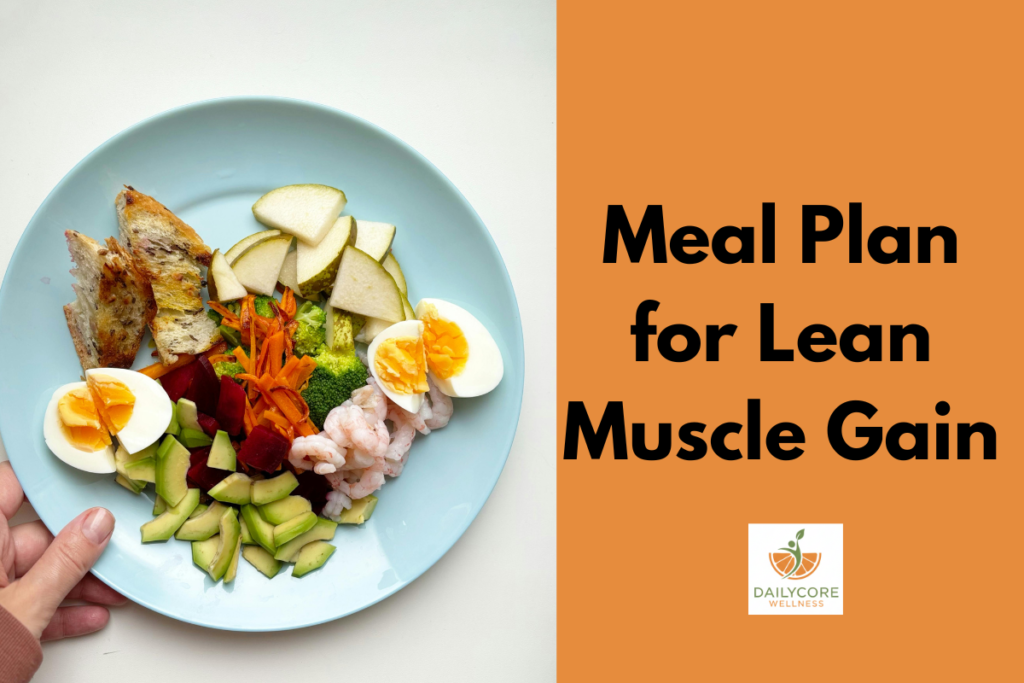
Key Foods for Lean Muscle Gain, 2026
1. Chicken Breast
Chicken breast is a staple for lean muscle gain due to its high protein content of approximately 31 grams per 100 grams and minimal fat. Protein from chicken provides all essential amino acids necessary for muscle repair and growth, helping to stimulate muscle protein synthesis after resistance training. It is versatile in preparation—grilled, baked, or stir-fried—and pairs well with vegetables and complex carbohydrates like brown rice or quinoa to form balanced meals. Regular consumption ensures consistent protein intake, supports recovery, and maintains energy levels during workouts. Chicken also helps preserve lean mass while minimizing fat gain, making it an essential component of structured meal plans for muscle building.
2. Eggs
Eggs are one of the most complete protein sources, containing all nine essential amino acids and nutrients like choline, selenium, and vitamin D. Each large egg provides around 6 grams of high-quality protein, making it ideal for muscle repair and growth. Eggs can be consumed boiled, scrambled, or incorporated into omelets with vegetables and whole grains for nutrient-dense meals. They also contain healthy fats that support hormone production, including testosterone, which is vital for lean muscle development. Including eggs consistently in a meal plan promotes muscle protein synthesis, supports recovery after intense workouts, and provides a steady supply of amino acids throughout the day.
3. Greek Yogurt
Greek yogurt is a high-protein dairy option providing about 10 grams of protein per 100 grams, with both fast-digesting whey and slow-digesting casein. Whey protein is excellent for post-workout recovery, while casein provides a sustained release of amino acids, supporting overnight muscle repair. Greek yogurt is also rich in calcium and probiotics, enhancing bone health and gut function. Pairing it with fruits, nuts, or seeds increases nutrient density, fiber, and healthy fats, creating balanced meals or snacks. Regular consumption of Greek yogurt ensures consistent protein intake, promotes satiety, and enhances recovery, making it a vital part of a lean muscle gain meal plan.
4. Salmon
Salmon is a high-quality protein source with about 20 grams of protein per 100 grams and is rich in omega-3 fatty acids. Omega-3s reduce inflammation, support joint health, and improve muscle protein synthesis. Additionally, salmon provides vitamins D and B12, which are critical for energy metabolism and overall health. Including salmon in meals enhances recovery after intense workouts and supports lean muscle growth while promoting cardiovascular health. It can be grilled, baked, or incorporated into salads, offering versatility in meal preparation. Regular consumption of salmon ensures adequate protein, essential fats, and nutrient density, supporting consistent gains in lean muscle mass.
5. Quinoa
Quinoa is a complete plant-based protein containing all essential amino acids, offering around 4 grams of protein per 100 grams cooked. It is also a complex carbohydrate, providing sustained energy for workouts while replenishing glycogen stores post-exercise. Quinoa is rich in fiber, magnesium, and iron, supporting digestion, energy production, and oxygen transport to muscles. Its versatility allows it to be used in salads, bowls, or side dishes with lean proteins. Regular inclusion of quinoa in meals ensures steady protein intake, supports energy for resistance training, and enhances recovery, making it an excellent addition to any muscle-building meal plan.
6. Lentils
Lentils provide about 9 grams of protein per 100 grams cooked, along with complex carbohydrates, fiber, and micronutrients like iron and magnesium. These nutrients support energy metabolism, sustained workouts, and muscle repair. Lentils are versatile and can be added to soups, stews, salads, or combined with grains for nutrient-dense meals. Their protein and fiber content also aid satiety, helping control appetite and maintain a consistent energy balance necessary for lean muscle growth. Including lentils regularly ensures adequate protein, supports recovery, and promotes sustainable lean muscle development, especially for plant-based or mixed diet meal plans.
7. Tofu
Tofu is a soy-based protein source providing about 8 grams of protein per 100 grams, with all essential amino acids. It is low in fat, making it ideal for lean muscle gain without excess calorie intake. Tofu is versatile and can be stir-fried, baked, grilled, or added to soups and salads. It is rich in calcium and iron, supporting bone health and oxygen transport for muscle performance. Incorporating tofu into meals ensures consistent protein intake, aids muscle repair, and is an effective option for vegetarians or those seeking variety in their lean muscle meal plan.
8. Brown Rice
Brown rice is a complex carbohydrate that fuels workouts and replenishes glycogen stores post-training. It provides fiber, magnesium, and B vitamins, supporting energy metabolism and digestive health. Pairing brown rice with lean proteins like chicken, tofu, or lentils creates balanced meals for optimal muscle repair and growth. Its slow-digesting carbohydrates ensure sustained energy during workouts and help prevent post-meal energy crashes. Regular inclusion of brown rice in a meal plan provides calorie control, nutrient density, and consistent energy levels, which are critical for effective lean muscle development and long-term adherence to a structured nutrition plan.
9. Almonds
Almonds are nutrient-dense, providing protein, healthy monounsaturated fats, fiber, and magnesium. Magnesium supports energy metabolism, muscle contraction, and recovery after workouts. Almonds are calorie-rich and can be consumed as snacks, added to oatmeal, salads, or smoothies to boost protein and energy intake. Their combination of protein and fats promotes satiety, hormone regulation, and lean muscle preservation. Incorporating almonds into a meal plan ensures nutrient diversity, supports training performance, and provides a convenient way to meet daily caloric and protein requirements for sustainable lean muscle growth.
10. Cottage Cheese
Cottage cheese is high in casein protein, offering a slow release of amino acids for extended muscle repair, especially overnight. It provides approximately 11 grams of protein per 100 grams and is low in fat, making it ideal for lean muscle gain without excessive calorie intake. Cottage cheese is also rich in calcium and phosphorus, supporting bone health and energy metabolism. Consuming cottage cheese as a snack or part of meals ensures consistent protein delivery, aids recovery, enhances satiety, and preserves lean muscle mass, making it a key component of any structured meal plan aimed at building and maintaining lean muscle.
11. Oats
Oats are a complex carbohydrate that provides sustained energy for workouts while offering fiber, magnesium, and B vitamins essential for energy metabolism. They are low in fat, help maintain stable blood sugar, and improve satiety. Combining oats with high-quality protein, such as Greek yogurt, milk, or protein powder, creates nutrient-dense meals that support post-workout recovery and muscle repair. Oats are versatile, suitable for breakfast, snacks, or pre-workout meals, and provide slow-digesting carbohydrates that fuel training sessions. Regular inclusion of oats ensures energy availability, supports lean muscle preservation, and promotes adherence to a structured nutrition plan aimed at consistent muscle growth.
12. Tempeh
Tempeh is a fermented soy product with approximately 19 grams of protein per 100 grams, providing all essential amino acids. Its fermentation enhances digestibility, gut health, and nutrient absorption. Tempeh is versatile and can be grilled, sautéed, or added to stir-fries and salads. It is low in fat and rich in iron and calcium, supporting energy metabolism and bone health. Regular consumption of tempeh ensures a steady supply of amino acids, aiding in muscle repair and growth. For vegetarian or mixed diets, tempeh is a critical component of a lean muscle gain meal plan, providing both protein and essential micronutrients.
13. Edamame
14. Sweet Potatoes
Sweet potatoes are nutrient-dense complex carbohydrates, rich in fiber, potassium, and vitamins A and C. They provide sustained energy for intense workouts and help replenish glycogen stores post-exercise, supporting recovery and muscle growth. Sweet potatoes can be roasted, boiled, mashed, or added to grain bowls, offering versatile meal options. Paired with protein sources like chicken, lentils, or tofu, they create balanced meals essential for lean muscle gain. Their low glycemic index ensures stable energy levels, preventing blood sugar spikes and crashes, which supports training performance, satiety, and long-term adherence to a muscle-building nutrition plan.
15. Peanut Butter
Peanut butter is calorie-dense and provides protein, healthy fats, and micronutrients such as magnesium and vitamin E. Each tablespoon contains approximately 4 grams of protein and 8 grams of fat, making it a convenient source of energy for individuals aiming to meet higher calorie requirements for lean muscle gain. It can be paired with whole-grain bread, oatmeal, or smoothies to increase both protein and caloric intake. The combination of protein and healthy fats supports hormone production, muscle recovery, and sustained energy, ensuring that workouts are effective while also maintaining nutrient balance throughout the day.
16. Spinach
Spinach is a leafy green rich in iron, magnesium, and nitrates, which enhance blood flow, oxygen delivery, and energy metabolism. It is low in calories but high in micronutrients and antioxidants, which support recovery, immune function, and overall health. Adding spinach to smoothies, salads, or cooked dishes boosts nutrient density without significantly increasing calorie intake. Its regular consumption supports lean muscle gain by aiding energy production, improving workout performance, and preventing nutrient deficiencies. Spinach also enhances satiety, allowing individuals to maintain a structured, nutrient-dense meal plan that supports consistent progress toward muscle-building goals.
17. Broccoli
Broccoli is a cruciferous vegetable providing fiber, vitamin C, vitamin K, and calcium. Its high nutrient density supports digestion, recovery, and hormone regulation, all of which are essential for lean muscle gain. Pairing broccoli with protein sources like chicken, tofu, or tempeh creates balanced meals that promote muscle repair while maintaining overall health. Broccoli is low in calories, allowing for high meal volume without excessive energy intake. Its antioxidant properties help reduce inflammation, improve recovery, and sustain performance during intense training sessions. Including broccoli consistently ensures nutrient adequacy, satiety, and support for lean mass development over time.
18. Chickpeas
Chickpeas provide approximately 9 grams of protein per 100 grams cooked and are rich in fiber and complex carbohydrates. They supply sustained energy for workouts, support satiety, and contribute to muscle repair and growth. Chickpeas are versatile and can be included in salads, soups, stews, or formed into patties. Their combination of protein and carbohydrates aids recovery, preserves lean muscle, and stabilizes energy levels throughout the day. Regular consumption ensures balanced nutrient intake, supports adherence to a structured meal plan, and enhances long-term progress in lean muscle development.
19. Whey Protein Powder
Whey protein is a fast-digesting complete protein, providing all essential amino acids necessary for muscle protein synthesis. A single serving typically contains 20–25 grams of protein, making it ideal for post-workout recovery. Whey protein accelerates muscle repair, reduces muscle breakdown, and supports lean muscle growth. Its versatility allows it to be consumed in shakes, smoothies, or recipes, ensuring daily protein targets are met. Including whey protein consistently enhances recovery, supports energy balance, and is a convenient option to maintain consistent protein intake for individuals pursuing structured muscle-building nutrition.
20. Avocado
Avocado provides healthy monounsaturated fats, fiber, and potassium, contributing to hormone regulation, energy metabolism, and muscle function. Fats are essential for producing testosterone and other anabolic hormones that promote lean muscle growth. Avocado also supports satiety and stabilizes blood sugar levels, preventing energy crashes during workouts. It can be added to salads, sandwiches, or smoothies to increase nutrient density. Regular inclusion in a meal plan ensures healthy calorie intake, supports recovery, and enhances adherence to a structured nutrition program designed for sustainable lean muscle development.