Magnesium is an essential mineral that plays a critical role in energy production, muscle function, and overall health. A well-structured list of foods high in magnesium helps individuals meet their daily nutritional requirements while supporting optimal physical and mental performance. Whether you are engaged in strength training, managing stress, or improving general wellness, magnesium intake is a key factor in achieving long-term health goals.
The body relies on magnesium for over 300 biochemical reactions, including muscle contraction, nerve signaling, and protein synthesis. Without adequate magnesium, these processes become less efficient, leading to fatigue, muscle cramps, and reduced performance. Including magnesium-rich foods in your diet ensures that your body functions effectively under both physical and mental demands.
Magnesium deficiency is increasingly common due to poor dietary habits and the consumption of processed foods. Individuals experiencing frequent muscle cramps, fatigue, irregular sleep patterns, or stress may be lacking sufficient magnesium. Recognizing these early warning signs allows for timely dietary adjustments that can restore balance and improve overall well-being.
A diverse list of foods high in magnesium includes leafy greens, nuts, seeds, whole grains, legumes, and certain fruits. Each category contributes unique nutrients that enhance magnesium absorption and utilization. Combining these foods strategically in your daily meals ensures a balanced intake of essential minerals and supports long-term health.
Building a diet centered around magnesium-rich foods promotes better recovery, improved energy levels, and enhanced metabolic function. By consistently incorporating these foods into your routine, you create a strong nutritional foundation that supports both fitness performance and overall health outcomes.
Why Magnesium is Necessary in the Body
1. Magnesium Supports Energy Production and Metabolism
Magnesium plays a central role in the body’s ability to produce and utilize energy efficiently. It is a critical cofactor in the production of adenosine triphosphate (ATP), which serves as the primary energy currency of the body. Every movement, from basic daily activities to intense strength training sessions, depends on ATP. Without sufficient magnesium, the body struggles to generate energy effectively, leading to fatigue, reduced endurance, and impaired performance.
In addition to ATP production, magnesium is involved in the metabolism of carbohydrates, fats, and proteins. It activates enzymes that break down these macronutrients into usable energy. This makes magnesium particularly important for individuals engaged in physical training, as their energy demands are significantly higher. When magnesium levels are adequate, the body can efficiently convert food into fuel, ensuring sustained energy levels throughout the day and during workouts.
Magnesium also contributes to glucose regulation and insulin sensitivity. Proper magnesium levels help maintain stable blood sugar levels, preventing sudden spikes and crashes that can lead to fatigue and decreased concentration. This is especially important for athletes and individuals aiming to maintain consistent energy levels during prolonged physical activity.
Furthermore, magnesium supports mitochondrial function, where energy production occurs at the cellular level. Healthy mitochondria ensure that cells receive adequate energy to perform their functions effectively. Without sufficient magnesium, mitochondrial efficiency declines, leading to reduced cellular performance and overall fatigue.
Incorporating foods high in magnesium into your diet ensures that your body can sustain energy production, improve endurance, and enhance overall metabolic efficiency. This makes magnesium a foundational nutrient for both physical performance and daily vitality.
2. Magnesium Enhances Muscle Function and Recovery
Magnesium is essential for proper muscle contraction and relaxation, making it a critical nutrient for strength training and physical performance. During muscle contraction, calcium enters muscle cells to stimulate movement, while magnesium works to counterbalance this action by promoting muscle relaxation. This balance between calcium and magnesium ensures smooth, coordinated muscle function.
When magnesium levels are insufficient, this balance is disrupted, leading to muscle cramps, spasms, and stiffness. Athletes and physically active individuals are particularly susceptible to these issues due to increased magnesium loss through sweat. Ensuring adequate magnesium intake helps prevent these symptoms and supports optimal muscle performance.
Magnesium also plays a vital role in protein synthesis, which is essential for muscle repair and growth. After intense exercise, muscles undergo stress and require proper nutrients to recover and rebuild. Magnesium facilitates the synthesis of new proteins, helping to repair damaged muscle fibers and promote strength gains over time.
In addition, magnesium helps reduce inflammation caused by intense physical activity. By regulating inflammatory responses, it minimizes muscle soreness and accelerates recovery. This allows individuals to maintain a consistent training routine without prolonged downtime due to fatigue or discomfort.
Another important function of magnesium is its role in electrolyte balance. It works alongside sodium, potassium, and calcium to maintain proper fluid balance within muscle cells. This balance is essential for preventing dehydration, maintaining muscle strength, and supporting endurance during workouts.
By consistently consuming magnesium-rich foods, individuals can improve muscle function, reduce the risk of cramps, and enhance recovery. This makes magnesium an indispensable component of any fitness-focused nutrition plan.
3. Magnesium Supports the Nervous System and Stress Regulation
Magnesium plays a significant role in maintaining a healthy nervous system and regulating stress responses. It acts as a natural relaxant by influencing neurotransmitters that control mood, sleep, and mental clarity. Adequate magnesium levels help calm the nervous system, reducing feelings of anxiety, tension, and irritability.
One of magnesium’s key functions is its ability to regulate the activity of the neurotransmitter gamma-aminobutyric acid (GABA), which promotes relaxation and reduces nerve excitability. When magnesium levels are low, the nervous system becomes overstimulated, leading to increased stress, difficulty sleeping, and heightened anxiety.
Magnesium also helps regulate cortisol, the body’s primary stress hormone. Chronic stress can deplete magnesium levels, creating a cycle where low magnesium leads to higher stress, which in turn further reduces magnesium levels. Maintaining adequate intake helps break this cycle, promoting a more balanced stress response and improved mental well-being.
Sleep quality is another area where magnesium plays a crucial role. It helps regulate melatonin production, the hormone responsible for controlling sleep cycles. Adequate magnesium intake supports deeper, more restorative sleep, which is essential for recovery, cognitive function, and overall health.
Additionally, magnesium supports nerve function by maintaining proper electrical activity in the brain and nervous system. It ensures efficient communication between neurons, which is essential for coordination, reaction time, and cognitive performance.
By incorporating magnesium-rich foods into your diet, you can support mental clarity, reduce stress levels, and improve sleep quality. This contributes to better overall performance, both physically and mentally, and enhances long-term well-being.
4. Magnesium Supports Bone Health and Structural Integrity
Magnesium plays a crucial role in maintaining strong and healthy bones. While calcium is often highlighted for bone health, magnesium is equally important because it helps regulate calcium levels and ensures proper bone formation. Approximately 50–60% of the body’s magnesium is stored in the bones, where it contributes to bone density and structural integrity. Without adequate magnesium, calcium cannot be effectively utilized, leading to weaker bones and an increased risk of fractures over time.
Magnesium also activates vitamin D, which is essential for calcium absorption. Without sufficient magnesium, even adequate vitamin D intake may not be fully effective. This interaction highlights the importance of magnesium in maintaining a balanced mineral system within the body.
In addition, magnesium influences the activity of osteoblasts and osteoclasts, the cells responsible for bone formation and breakdown. Proper magnesium levels ensure a balance between these processes, supporting long-term skeletal health.
For individuals engaged in strength training, strong bones are essential for supporting heavy loads and preventing injuries. Including magnesium-rich foods in your diet helps improve bone resilience, enhances recovery, and reduces the risk of long-term skeletal issues.
5. Magnesium Regulates Heart Health and Blood Pressure
Magnesium is vital for maintaining cardiovascular health. It helps regulate heart rhythm, supports proper muscle contraction of the heart, and ensures smooth blood flow throughout the body. One of its key roles is relaxing blood vessels, which helps lower blood pressure and reduce strain on the cardiovascular system.
Adequate magnesium intake contributes to maintaining normal blood pressure levels by balancing sodium and potassium in the body. This balance is essential for preventing hypertension and supporting overall heart function.
Magnesium also plays a role in preventing arterial stiffness, which can impair circulation and increase the risk of cardiovascular conditions. By promoting vascular relaxation, magnesium improves blood flow and oxygen delivery to tissues, including muscles, during exercise.
For physically active individuals, efficient blood circulation is critical for performance and recovery. Magnesium ensures that oxygen and nutrients are delivered effectively to working muscles, enhancing endurance and reducing fatigue. Maintaining proper magnesium levels supports heart health, reduces cardiovascular strain, and promotes long-term wellness.
6. Magnesium Aids in Protein Synthesis and Muscle Growth
Magnesium is essential for protein synthesis, the process by which the body builds and repairs muscle tissue. This function is particularly important for individuals involved in strength training, as muscle growth depends on the efficient repair of muscle fibers after exercise.
Magnesium activates enzymes that facilitate the synthesis of proteins from amino acids. Without sufficient magnesium, this process becomes less efficient, slowing down muscle recovery and limiting strength gains.
In addition to supporting protein synthesis, magnesium helps regulate nitrogen balance in the body, which is critical for maintaining a positive anabolic state. This state is necessary for building lean muscle mass and improving overall body composition.
Magnesium also works in conjunction with other nutrients such as zinc and vitamin B6 to optimize muscle-building processes. Ensuring adequate intake enhances recovery, supports muscle growth, and improves training outcomes.
For athletes and fitness enthusiasts, magnesium is a key nutrient that supports the physiological processes required for muscle development and long-term performance improvement.
Signs of Magnesium Deficiency
Recognizing the signs of magnesium deficiency is essential for maintaining optimal health and preventing long-term complications.
1. Persistent Fatigue and Low Energy
A common sign of magnesium deficiency is ongoing fatigue and reduced energy levels. Since magnesium is essential for ATP production, low levels directly impact the body’s ability to generate energy. Individuals may feel tired even after adequate rest, and physical performance may decline significantly. This can affect daily activities, workouts, and overall productivity.
2. Muscle Cramps and Spasms
Magnesium deficiency often leads to muscle cramps, spasms, and involuntary contractions. This occurs due to an imbalance between calcium and magnesium in muscle cells. These symptoms are particularly noticeable during exercise or at night and can interfere with performance and recovery.
3. Weakness and Reduced Strength
Low magnesium levels can cause noticeable muscle weakness and decreased strength output. This is due to impaired muscle contraction and reduced energy production. Individuals may find it difficult to maintain intensity during workouts or perform everyday physical tasks effectively.
4. Poor Sleep Quality
Magnesium plays a role in regulating sleep hormones and calming the nervous system. A deficiency can result in difficulty falling asleep, frequent waking during the night, or poor sleep quality. Over time, this affects recovery, cognitive function, and overall health.
5. Increased Stress and Anxiety
Low magnesium levels can lead to heightened stress, irritability, and anxiety. This is due to its role in regulating neurotransmitters and stress hormones. Individuals may feel mentally overwhelmed or unable to relax, even in non-stressful situations.
6. Irregular Heartbeat
Magnesium is essential for maintaining proper heart rhythm. A deficiency can cause irregular heartbeat or palpitations, which may be concerning if left unaddressed. This highlights the importance of maintaining adequate magnesium intake for cardiovascular health.
7. Numbness and Tingling
Deficiency may also result in numbness, tingling, or abnormal sensations in the body. This occurs due to magnesium’s role in nerve function and signal transmission. These symptoms indicate impaired nervous system activity.
8. Reduced Appetite
Loss of appetite is another sign of magnesium deficiency. Individuals may experience decreased interest in food, which can further worsen nutrient deficiencies and impact overall health.
9. Frequent Headaches or Migraines
Magnesium deficiency is often linked to frequent headaches and migraines. This occurs because magnesium helps regulate neurotransmitters and blood vessel function in the brain. Low levels can lead to constricted blood vessels and increased nerve sensitivity, triggering headaches. Individuals experiencing recurring migraines may benefit from increasing magnesium intake through diet.
10. Difficulty Concentrating and Mental Fog
Low magnesium levels can impair cognitive function, leading to difficulty concentrating, memory issues, and mental fatigue. Magnesium supports nerve signaling and brain function, and a deficiency disrupts these processes. This can affect productivity, decision-making, and overall mental clarity.
11. Increased Muscle Soreness After Exercise
While some soreness is normal after exercise, excessive or prolonged soreness may indicate inadequate magnesium levels. Magnesium helps reduce inflammation and supports muscle recovery. A deficiency can slow down recovery processes, leading to prolonged discomfort and reduced training frequency.
12. High Blood Pressure
Magnesium helps regulate blood pressure by relaxing blood vessels. A deficiency may contribute to elevated blood pressure levels, increasing the risk of cardiovascular strain. Monitoring magnesium intake is important for maintaining heart health and preventing long-term complications.
13. Irregular Bowel Movements
Magnesium plays a role in muscle contraction within the digestive system. Low levels can lead to sluggish digestion and constipation. Adequate magnesium intake supports healthy bowel movements and overall digestive function.
14. Increased Sensitivity to Stress
Individuals with low magnesium levels may experience heightened sensitivity to stress. This is due to magnesium’s role in regulating stress hormones and calming the nervous system. A deficiency can amplify the body’s response to stress, leading to increased tension and discomfort.
15. Weak Bones or Increased Risk of Fractures
Chronic magnesium deficiency can negatively impact bone density, increasing the risk of fractures and osteoporosis over time. This is particularly concerning for older adults or individuals engaged in high-impact activities.
16. Persistent Nausea
Nausea and general discomfort may be associated with low magnesium levels. This symptom often accompanies other signs such as fatigue and weakness, indicating an imbalance in essential nutrients.
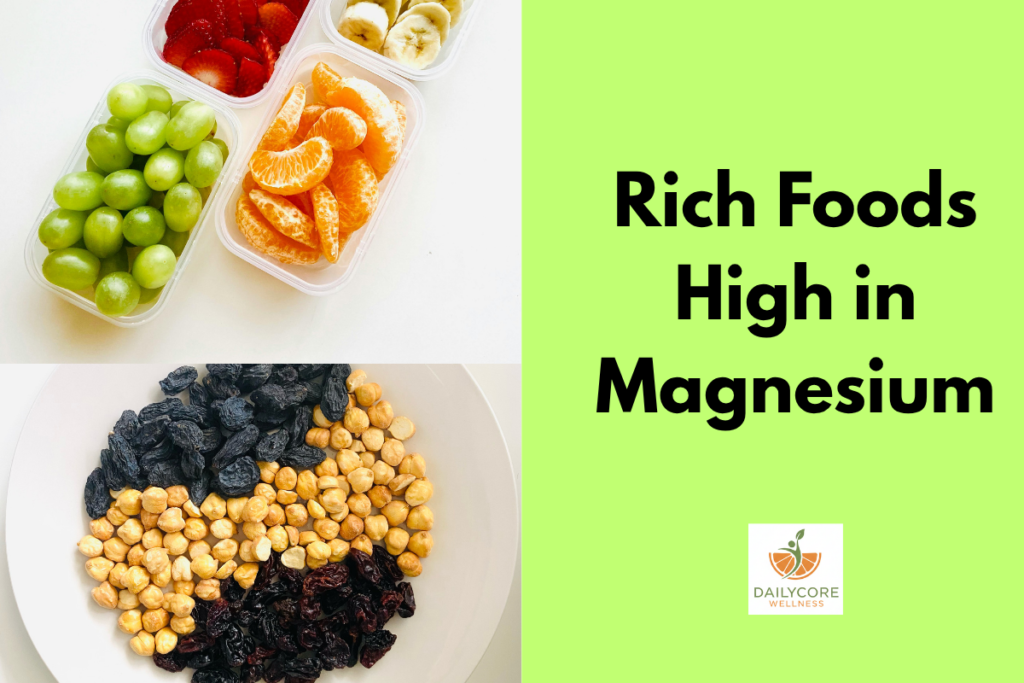
List of Foods High in Magnesium
1. Spinach
Spinach is one of the most magnesium-rich leafy greens, providing a substantial amount of this essential mineral per serving. It also contains iron, calcium, and antioxidants that support overall health and muscle function. Including spinach in salads, smoothies, or cooked dishes enhances magnesium intake while contributing to energy production and recovery. Its high nutrient density supports muscle contraction, reduces fatigue, and improves overall metabolic function. Regular consumption of spinach helps maintain electrolyte balance, supports bone health, and contributes to a well-rounded diet that promotes long-term wellness and physical performance.
2. Pumpkin Seeds
Pumpkin seeds are a concentrated source of magnesium, along with healthy fats, protein, and zinc. They support muscle recovery, immune function, and hormone balance. Consuming pumpkin seeds as a snack or adding them to meals increases magnesium intake and enhances overall nutrient density. Their combination of minerals and healthy fats makes them particularly beneficial for individuals engaged in strength training or high physical activity. Including pumpkin seeds in your diet supports energy production, reduces muscle cramps, and contributes to improved recovery and sustained performance.
3. Almonds
Almonds are rich in magnesium, healthy fats, and vitamin E, making them a nutrient-dense addition to any diet. They support muscle function, energy production, and antioxidant protection. Including almonds as a snack or in meals provides sustained energy and helps regulate blood sugar levels. Their magnesium content aids in reducing muscle fatigue and improving recovery after workouts. Almonds are also convenient for meal prep and portion control, making them an effective and practical source of magnesium for maintaining overall health and performance.
4. Black Beans
Black beans are an excellent plant-based source of magnesium, protein, and fiber. They support muscle recovery, digestion, and sustained energy levels. Including black beans in meals such as salads, soups, or side dishes enhances magnesium intake while providing essential nutrients for overall health. Their fiber content helps regulate blood sugar and improve digestion, while magnesium supports muscle function and energy metabolism. Black beans are particularly beneficial for individuals seeking plant-based nutrition options for maintaining strength and performance.
5. Avocado
Avocado is a nutrient-dense fruit rich in magnesium, healthy fats, and potassium. It supports heart health, muscle function, and energy production. Including avocado in meals helps improve nutrient absorption and provides sustained energy throughout the day. Its healthy fats contribute to hormone regulation and overall metabolic function. Avocado can be added to salads, sandwiches, or smoothies, making it a versatile and effective source of magnesium for enhancing recovery and maintaining long-term health.
6. Dark Chocolate
Dark chocolate, particularly varieties with high cocoa content, is a rich source of magnesium and antioxidants. It supports muscle recovery, reduces inflammation, and improves blood flow. Including moderate amounts of dark chocolate in your diet enhances magnesium intake while providing a satisfying treat. Its antioxidant properties help combat oxidative stress caused by physical activity. Dark chocolate can be incorporated into snacks or desserts, making it an enjoyable and beneficial addition to a magnesium-rich diet.
7. Quinoa
Quinoa is a whole grain rich in magnesium, protein, and fiber. It provides sustained energy for workouts and supports muscle recovery. Including quinoa in meals ensures a balanced intake of carbohydrates and essential nutrients. Its magnesium content aids in muscle function and reduces fatigue, making it ideal for active individuals. Quinoa is versatile and can be used in salads, bowls, or as a side dish, making it a practical addition to a structured nutrition plan.
8. Cashews
Cashews are a good source of magnesium, healthy fats, and protein. They support muscle recovery, energy production, and overall health. Including cashews in your diet provides sustained energy and helps regulate blood sugar levels. Their magnesium content aids in reducing muscle cramps and improving recovery. Cashews can be consumed as a snack or added to meals, making them a convenient and effective source of magnesium for maintaining optimal health.
9. Tofu
Tofu is a plant-based protein source rich in magnesium and calcium. It supports muscle repair, bone health, and overall metabolic function. Including tofu in meals provides a balanced source of protein and minerals, making it ideal for vegetarians and vegans. Its versatility allows it to be used in stir-fries, salads, or soups, enhancing magnesium intake and overall nutrition. Tofu supports muscle recovery and sustained energy, making it an important addition to a magnesium-rich diet.
10. Brown Rice
Brown rice is a whole grain that provides magnesium, fiber, and sustained energy. It supports muscle function, digestion, and overall metabolic health. Including brown rice in meals ensures steady energy levels and improved recovery. Its magnesium content aids in muscle contraction and reduces fatigue. Brown rice is easy to prepare and store, making it a convenient option for meal prep and consistent nutrient intake.
11. Chia Seeds
Chia seeds are a highly concentrated source of magnesium, making them an excellent addition to a nutrient-dense diet. They also provide omega-3 fatty acids, fiber, and plant-based protein, which collectively support muscle recovery, heart health, and sustained energy levels. The magnesium content in chia seeds helps regulate muscle contractions, prevent cramps, and enhance overall physical performance. Including chia seeds in smoothies, oatmeal, or yogurt allows for easy integration into daily meals. Their ability to absorb water and form a gel-like consistency also supports digestion and satiety. Regular consumption of chia seeds contributes to improved metabolic function, enhanced recovery, and long-term nutritional balance.
12. Sunflower Seeds
Sunflower seeds are rich in magnesium, healthy fats, and vitamin E, making them beneficial for muscle function and antioxidant protection. Magnesium supports energy production and reduces fatigue, while vitamin E helps combat oxidative stress caused by physical activity. Including sunflower seeds in snacks or meals enhances nutrient density and supports recovery. Their healthy fat content aids in hormone regulation and sustained energy release. Sunflower seeds are easy to portion and incorporate into meal prep, making them a convenient option for maintaining consistent magnesium intake. Regular consumption supports overall health, improves endurance, and contributes to balanced nutrition.
13. Kale
Kale is a nutrient-dense leafy green that provides magnesium along with vitamins A, C, and K. It supports muscle function, immune health, and recovery from physical activity. The antioxidants in kale help reduce inflammation and oxidative stress, while its fiber content promotes digestion and sustained energy. Including kale in salads, smoothies, or cooked dishes enhances magnesium intake and overall nutrient balance. Its low-calorie yet high-nutrient profile makes it ideal for individuals aiming to improve both health and performance. Regular consumption of kale contributes to long-term wellness and improved physical resilience.
14. Oats
Oats are a whole grain rich in magnesium, fiber, and complex carbohydrates, providing sustained energy for daily activities and workouts. Magnesium in oats supports muscle function and reduces fatigue, while fiber aids digestion and stabilizes blood sugar levels. Including oats in breakfast or meal prep ensures consistent energy throughout the day. They pair well with protein sources such as yogurt, milk, or nuts, creating balanced meals that support recovery and performance. Oats are versatile, affordable, and easy to prepare, making them an essential component of a magnesium-rich diet for long-term health and fitness goals.
15. Peanuts
Peanuts are a good source of magnesium, protein, and healthy fats, contributing to sustained energy and muscle recovery. Their magnesium content supports nerve function and reduces muscle cramps, while protein aids in tissue repair and growth. Including peanuts as a snack or adding them to meals helps improve overall nutrient intake. Their healthy fats support hormone balance and provide long-lasting energy. Peanuts are convenient, widely available, and easy to incorporate into meal plans, making them an effective addition to a balanced diet focused on maintaining magnesium levels and supporting physical performance.
16. Lentils
Lentils are a plant-based source of magnesium, protein, and complex carbohydrates, making them ideal for supporting energy and muscle recovery. They are also rich in iron and fiber, which contribute to oxygen transport and digestive health. Including lentils in meals helps maintain steady energy levels and supports overall metabolic function. Their versatility allows them to be used in soups, stews, and salads, making meal prep efficient and practical. Lentils are particularly beneficial for vegetarians and those seeking plant-based nutrition options. Regular consumption supports sustained energy, improved recovery, and long-term health.
17. Edamame
Edamame, or young soybeans, are rich in magnesium, plant-based protein, and fiber. They support muscle repair, energy production, and digestive health. The magnesium content helps regulate muscle function and reduces the risk of cramps, while protein supports recovery after exercise. Edamame can be consumed as a snack, added to salads, or incorporated into meals, making it a versatile and convenient option. Its nutrient density makes it particularly valuable for individuals seeking plant-based sources of magnesium. Regular inclusion in the diet supports balanced nutrition, improved recovery, and enhanced overall performance.
18. Whole Wheat Pasta
Whole wheat pasta is a source of magnesium, complex carbohydrates, and fiber, providing sustained energy for physical activity. It supports muscle function and recovery while maintaining stable blood sugar levels. Including whole wheat pasta in meals with lean proteins and vegetables creates a balanced diet that enhances performance and overall health. Its fiber content aids digestion, while magnesium contributes to muscle contraction and energy metabolism. Whole wheat pasta is easy to prepare and suitable for meal prep, making it a practical option for maintaining consistent magnesium intake and supporting long-term nutritional goals.
19. Yogurt (Plain)
Plain yogurt provides magnesium along with protein, calcium, and probiotics, supporting muscle recovery, bone health, and digestive function. The magnesium content helps regulate muscle contractions and improves overall metabolic efficiency. Including yogurt in meals or snacks enhances nutrient intake and supports recovery after physical activity. Its probiotics promote gut health, which is essential for nutrient absorption and overall well-being. Yogurt can be paired with fruits, nuts, or seeds for added nutritional value. Its convenience and versatility make it an effective addition to a magnesium-rich diet.
20. Mackerel
Mackerel is a fatty fish rich in magnesium, omega-3 fatty acids, and high-quality protein. It supports muscle recovery, heart health, and inflammation reduction. The magnesium content aids in muscle function and energy production, while omega-3s improve circulation and reduce soreness after exercise. Including mackerel in meals enhances nutrient density and supports overall performance. It can be grilled, baked, or added to salads for variety. Regular consumption of mackerel contributes to improved recovery, sustained energy, and long-term cardiovascular and metabolic health.
21. Sesame Seeds
Sesame seeds are a highly concentrated source of magnesium, along with calcium, iron, and healthy fats. Their magnesium content supports muscle contraction, nerve function, and energy production, making them particularly beneficial for physically active individuals. Including sesame seeds in meals helps enhance nutrient density and supports overall metabolic health. They can be sprinkled over salads, added to baked goods, or blended into sauces like tahini. Their healthy fats also contribute to hormone balance and sustained energy release. Regular consumption of sesame seeds helps reduce muscle fatigue, supports bone health, and improves recovery, making them a valuable addition to a magnesium-rich diet.
22. Brazil Nuts
Brazil nuts are rich in magnesium and also provide selenium, an essential mineral that supports immune function and antioxidant defense. The magnesium content in Brazil nuts helps regulate muscle function, improve energy production, and support cardiovascular health. Including Brazil nuts in your diet can help reduce inflammation and enhance recovery after physical activity. Due to their high nutrient density, they should be consumed in moderation. They are convenient as a snack and can be easily included in meal prep. Regular intake supports overall health, improves nutrient balance, and contributes to sustained physical and mental performance.
23. Swiss Chard
Swiss chard is a leafy green vegetable packed with magnesium, potassium, and antioxidants. It supports muscle function, reduces inflammation, and promotes cardiovascular health. The magnesium content aids in muscle contraction and relaxation, preventing cramps and enhancing recovery. Swiss chard can be sautéed, added to soups, or used in salads, making it a versatile option for increasing magnesium intake. Its antioxidants help combat oxidative stress, while its fiber supports digestion. Including Swiss chard in your diet contributes to improved energy levels, better recovery, and overall health maintenance.
24. Buckwheat
Buckwheat is a gluten-free whole grain rich in magnesium, fiber, and plant-based protein. It provides sustained energy and supports muscle recovery by maintaining stable blood sugar levels. The magnesium content helps regulate muscle function and reduce fatigue during physical activity. Buckwheat can be used in porridge, salads, or as a rice alternative, making it versatile for meal preparation. Its nutrient profile supports cardiovascular health and digestive function. Including buckwheat in your diet ensures a steady supply of essential nutrients, contributing to improved endurance, recovery, and long-term health.
25. Hazelnuts
Hazelnuts are a nutrient-dense source of magnesium, healthy fats, and antioxidants. They support muscle recovery, energy production, and heart health. The magnesium content helps prevent muscle cramps and supports nerve function, while healthy fats provide sustained energy. Hazelnuts can be consumed as a snack, added to meals, or used in spreads, making them easy to incorporate into daily nutrition. Their antioxidant properties help reduce oxidative stress, improving recovery after exercise. Regular consumption supports overall well-being, enhances nutrient intake, and contributes to a balanced magnesium-rich diet.
26. Pinto Beans
Pinto beans are a plant-based source of magnesium, protein, and fiber, making them ideal for supporting energy and muscle recovery. They help regulate blood sugar levels and improve digestion due to their high fiber content. Magnesium in pinto beans supports muscle function, reduces fatigue, and enhances overall metabolic processes. Including pinto beans in meals such as soups, stews, or salads ensures consistent nutrient intake. They are particularly beneficial for individuals following plant-based diets. Regular consumption contributes to improved energy levels, better digestion, and enhanced recovery after physical activity.
27. Barley
Barley is a whole grain rich in magnesium, fiber, and essential minerals that support energy production and digestive health. Its magnesium content aids in muscle contraction, reduces fatigue, and enhances recovery. The high fiber content promotes satiety and helps regulate blood sugar levels, ensuring sustained energy throughout the day. Barley can be used in soups, salads, or as a side dish, making it a versatile addition to meal plans. Including barley in your diet supports cardiovascular health, improves digestion, and contributes to long-term nutritional balance.
28. Fig (Dried)
Dried figs are a natural source of magnesium, fiber, and antioxidants. They provide quick energy and support muscle function and recovery. The magnesium content helps regulate muscle contractions and reduce fatigue, while fiber aids digestion and promotes gut health. Dried figs can be consumed as a snack or added to meals such as oatmeal or salads. Their natural sweetness makes them a healthier alternative to processed snacks. Including dried figs in your diet contributes to improved energy levels, better digestion, and enhanced overall health.
29. Banana
Bananas are a convenient source of magnesium, potassium, and carbohydrates, supporting energy production and muscle function. They help maintain electrolyte balance and prevent muscle cramps during physical activity. The magnesium content aids in muscle recovery and reduces fatigue, while natural sugars provide quick energy. Bananas can be consumed before or after workouts, making them a versatile option for active individuals. Including bananas in your diet supports sustained energy, improved recovery, and overall performance.
30. Shrimp
Shrimp provides magnesium along with high-quality protein and essential nutrients such as selenium and vitamin B12. It supports muscle repair, energy production, and overall metabolic function. The magnesium content aids in muscle contraction and reduces fatigue, while protein supports recovery and growth. Shrimp can be prepared in various ways, including grilling, sautéing, or adding to salads, making it easy to include in meals. Regular consumption contributes to improved recovery, sustained energy, and enhanced overall health.
content, helping maintain gut health and nutrient absorption. It can be consumed fresh, dried, or added to smoothies, desserts, and meals. Including coconut meat in your diet helps support recovery, enhances metabolic function, and contributes to overall well-being, particularly for individuals engaged in physical activity.
32. Raisins
Raisins are dried fruits that provide magnesium along with natural sugars, fiber, and antioxidants. They are an excellent source of quick energy, making them suitable for pre- or post-workout snacks. The magnesium content helps regulate muscle contractions and reduce fatigue, while antioxidants help combat oxidative stress caused by intense physical activity. Raisins can be added to cereals, yogurt, or salads, making them easy to incorporate into daily meals. Their natural sweetness makes them a healthier alternative to processed snacks. Regular consumption supports energy levels, digestion, and recovery, contributing to improved overall health.
33. Dates
Dates are nutrient-dense fruits rich in magnesium, potassium, and natural sugars. They provide immediate energy and support muscle function, making them ideal for active individuals. The magnesium content aids in muscle recovery and reduces the risk of cramps, while the fiber supports digestion. Dates can be consumed on their own or added to smoothies, oatmeal, or desserts. Their natural sweetness makes them a convenient and healthy snack option. Including dates in your diet helps maintain energy levels, supports recovery, and contributes to a balanced intake of essential nutrients.
34. Beet Greens
Beet greens are often overlooked but are an excellent source of magnesium, calcium, and antioxidants. They support muscle function, reduce inflammation, and improve overall health. The magnesium content helps regulate muscle contractions and enhances recovery after exercise. Beet greens can be sautéed, added to soups, or used in salads, providing versatility in meal preparation. Their high nutrient density makes them a valuable addition to a magnesium-rich diet. Regular consumption supports improved energy levels, better recovery, and enhanced overall nutritional balance.
35. Collard Greens
Collard greens are a leafy vegetable rich in magnesium, fiber, and essential vitamins. They support muscle function, digestion, and overall health. The magnesium content helps reduce muscle cramps and improves energy production, while fiber aids in maintaining digestive health. Collard greens can be cooked, sautéed, or added to various dishes, making them easy to include in meal plans. Their nutrient profile supports cardiovascular health and immune function. Including collard greens in your diet contributes to sustained energy, improved recovery, and long-term wellness.
36. Amaranth
Amaranth is a nutrient-rich grain that provides magnesium, protein, and fiber. It supports muscle recovery, energy production, and digestive health. The magnesium content helps regulate muscle contractions and reduces fatigue, making it beneficial for active individuals. Amaranth can be used in porridge, salads, or as a rice alternative, offering versatility in meal preparation. Its high protein content also supports muscle growth and repair. Including amaranth in your diet ensures a steady supply of essential nutrients, contributing to improved performance and overall health.
37. Millet
Millet is a whole grain rich in magnesium, fiber, and antioxidants. It supports sustained energy levels, digestive health, and muscle function. The magnesium content aids in muscle contraction and reduces fatigue, while fiber helps regulate blood sugar levels. Millet can be used in porridge, salads, or as a side dish, making it a versatile addition to meals. Its nutrient density supports overall health and performance. Including millet in your diet contributes to improved energy, better digestion, and enhanced nutritional balance.
38. Okra
Okra is a vegetable that provides magnesium, fiber, and vitamins essential for overall health. It supports muscle function, digestion, and energy production. The magnesium content helps regulate muscle contractions and reduces fatigue, while fiber promotes gut health. Okra can be added to soups, stews, or stir-fries, making it easy to incorporate into meals. Its nutrient profile supports recovery and overall well-being. Including okra in your diet contributes to improved digestion, sustained energy, and better health outcomes.
39. Peas
Peas are a plant-based source of magnesium, protein, and fiber, supporting muscle recovery and sustained energy levels. The magnesium content helps regulate muscle function and reduce fatigue, while protein supports tissue repair and growth. Peas can be added to soups, salads, or side dishes, making them versatile for meal preparation. Their fiber content aids digestion and promotes satiety. Including peas in your diet contributes to improved energy levels, better recovery, and overall nutritional balance.
40. Zucchini
Zucchini is a low-calorie vegetable that provides magnesium, fiber, and essential vitamins. It supports muscle function, digestion, and overall health. The magnesium content helps reduce muscle fatigue and supports energy production. Zucchini can be grilled, sautéed, or added to various dishes, making it easy to include in meals. Its high water content also supports hydration. Including zucchini in your diet can improve nutrient intake, support better recovery, and sustain energy levels.
41. Dark Leaf Lettuce
Dark leaf lettuce varieties such as romaine and red leaf lettuce are valuable sources of magnesium, along with vitamins A, C, and K. Although lighter than dense greens like spinach, they still contribute meaningfully to daily magnesium intake when consumed in adequate portions. Magnesium in lettuce supports muscle relaxation, nerve signaling, and energy metabolism, making it particularly beneficial for individuals engaged in regular physical activity. In addition, its high water content aids hydration, which complements magnesium’s role in maintaining electrolyte balance.
Lettuce is highly versatile and can be used as a base for salads, wraps, or sandwiches, making it easy to incorporate into daily meals. Pairing it with magnesium-rich toppings such as seeds, nuts, or lean proteins further enhances its nutritional value. Regular consumption of dark leaf lettuce supports digestion due to its fiber content, promotes satiety, and contributes to overall nutrient diversity. Including it consistently in your diet helps build a sustainable approach to meeting magnesium requirements while supporting long-term health and performance.
42. Artichokes
Artichokes are a nutrient-dense vegetable that provides a significant amount of magnesium along with fiber, antioxidants, and essential vitamins. Magnesium in artichokes supports muscle function, energy production, and nervous system health. The high fiber content promotes digestive health and helps regulate blood sugar levels, ensuring a steady supply of energy throughout the day.
Artichokes are particularly beneficial for individuals seeking to improve gut health, as they contain prebiotics that support beneficial gut bacteria. This enhances nutrient absorption, including magnesium, making them a valuable addition to a balanced diet. They can be steamed, grilled, or added to salads and pasta dishes, offering versatility in meal preparation.
Regular consumption of artichokes supports cardiovascular health by helping regulate blood pressure and reduce inflammation. Their antioxidant content further protects cells from oxidative stress. Including artichokes in your diet contributes to improved digestion, sustained energy, and better overall metabolic function.
43. Flaxseeds
Flaxseeds are a powerful source of magnesium, omega-3 fatty acids, fiber, and plant-based protein. The magnesium content plays a crucial role in muscle contraction, nerve function, and energy production, while omega-3 fatty acids help reduce inflammation and support heart health. These combined benefits make flaxseeds particularly valuable for individuals involved in strength training or endurance activities.
The high fiber content in flaxseeds supports digestion and helps regulate blood sugar levels, preventing energy fluctuations. Flaxseeds are best consumed ground to improve nutrient absorption and can be easily added to smoothies, oatmeal, yogurt, or baked goods.
In addition to supporting physical performance, flaxseeds contribute to hormone balance and overall metabolic health. Their antioxidant properties help combat oxidative stress, enhancing recovery after exercise. Including flaxseeds in your diet provides a convenient and effective way to increase magnesium intake while supporting long-term health and performance.
44. Pecans
Pecans are nutrient-dense nuts rich in magnesium, healthy fats, and antioxidants. They support energy production, muscle function, and cardiovascular health. The magnesium content helps regulate muscle contractions and reduces fatigue, while healthy fats provide sustained energy and support hormone balance.
Pecans are also rich in antioxidants that help reduce inflammation and protect cells from oxidative stress. This is particularly beneficial for individuals who engage in intense physical activity, as it supports recovery and overall well-being.
They can be consumed as a snack, added to salads, or used in cooking and baking, making them easy to incorporate into daily nutrition. Due to their calorie density, portion control is important. Regular consumption of pecans contributes to improved nutrient intake, better recovery, and enhanced overall health.
45. Sardines
Sardines are a nutrient-rich seafood option that provides magnesium along with high-quality protein, omega-3 fatty acids, calcium, and vitamin D. This combination makes them highly beneficial for muscle recovery, bone health, and cardiovascular function. Magnesium in sardines supports muscle contraction and energy production, while omega-3 fatty acids help reduce inflammation and improve recovery after exercise.
Sardines are particularly valuable because they are consumed whole, including bones, which enhances their mineral content. They can be added to salads, sandwiches, or eaten on their own, offering convenience and versatility.
Regular consumption of sardines supports heart health, improves bone strength, and contributes to sustained energy levels. Their nutrient density makes them an excellent addition to a magnesium-rich diet, particularly for individuals focused on performance and recovery.
46. Spinach (Cooked)
Cooked spinach provides an even higher concentration of magnesium compared to its raw form due to reduced volume and increased nutrient density per serving. It supports muscle function, energy production, and overall metabolic health. Magnesium in spinach helps regulate muscle contractions, reduce fatigue, and enhance recovery after physical activity.
Cooking spinach also improves the bioavailability of certain nutrients, making it easier for the body to absorb magnesium. It can be added to a variety of dishes, including soups, stews, and stir-fries, making it highly versatile.
In addition to magnesium, cooked spinach provides iron, calcium, and antioxidants, supporting overall health and immune function. Including cooked spinach regularly in your diet ensures consistent magnesium intake, improved nutrient absorption, and better support for long-term physical performance.
47. Whole Grain Bread
Whole-grain bread is a practical source of magnesium, fiber, and complex carbohydrates. It supports sustained energy levels, making it ideal for both daily activities and physical training. The magnesium content aids in muscle function and reduces fatigue, while fiber promotes digestive health and stable blood sugar levels.
Whole-grain bread can be paired with protein sources such as eggs, lean meats, or nut butters to create balanced meals. This combination enhances nutrient intake and supports recovery and performance.
Its convenience and accessibility make it easy to include in meal plans, particularly for individuals with busy schedules. Regular consumption contributes to improved energy levels, better digestion, and overall nutritional balance.
48. Green Beans
Green beans are a low-calorie vegetable that provides magnesium, fiber, and essential vitamins. They support muscle function, digestion, and overall health. The magnesium content helps regulate muscle contractions and reduce fatigue, while fiber promotes gut health and satiety.
Green beans can be steamed, sautéed, or added to various dishes, making them versatile for meal preparation. Their high water content also supports hydration, which complements magnesium’s role in maintaining electrolyte balance.
Including green beans in your diet contributes to improved nutrient intake, sustained energy levels, and better recovery. Their balanced nutrient profile makes them a valuable addition to a magnesium-rich diet.
49. Pumpkin
Pumpkin is a nutrient-rich food that provides magnesium, fiber, and antioxidants. It supports energy production, muscle function, and immune health. The magnesium content helps regulate muscle contractions and reduce fatigue, while fiber aids digestion and promotes satiety.
Pumpkin can be used in soups, purees, or baked dishes, offering versatility in meal preparation. Its natural sweetness makes it an appealing addition to both savory and sweet recipes.
Regular consumption of pumpkin supports overall health, improves digestion, and contributes to balanced nutrient intake. Including it in your diet helps maintain energy levels and supports long-term wellness.
50. Corn (Whole)
Whole corn provides magnesium, fiber, and carbohydrates that support energy production and overall health. The magnesium content aids in muscle function and reduces fatigue, while carbohydrates provide fuel for daily activities and exercise.
Corn can be consumed in various forms, including boiled, grilled, or added to salads and dishes. Its fiber content supports digestion and helps maintain stable blood sugar levels.
Including whole corn in your diet contributes to sustained energy, improved digestion, and overall nutritional balance. Its versatility and accessibility make it a practical addition to a magnesium-rich diet.
51. Soybeans
Soybeans are one of the richest plant-based sources of magnesium, providing a strong combination of protein, fiber, and essential minerals. Magnesium in soybeans supports muscle contraction, nerve signaling, and energy production, making them highly beneficial for physically active individuals. In addition to magnesium, soybeans contain isoflavones, which support hormone balance and overall metabolic health.
Soybeans can be consumed in various forms, including boiled, roasted, or processed into foods like tofu and soy milk. This versatility makes them easy to incorporate into daily meals. Their high protein content also supports muscle repair and growth, making them particularly useful for strength training and recovery.
Regular consumption of soybeans contributes to improved cardiovascular health, stable energy levels, and enhanced recovery. Their nutrient density ensures that the body receives a wide range of essential nutrients, making soybeans a valuable addition to a magnesium-rich diet focused on long-term health and performance.
52. Tempeh
Tempeh is a fermented soybean product that provides a highly bioavailable source of magnesium, protein, and probiotics. The fermentation process improves digestibility and enhances nutrient absorption, making tempeh particularly beneficial for gut health. Magnesium in tempeh supports muscle function, reduces fatigue, and contributes to overall metabolic efficiency.
Tempeh is versatile and can be grilled, sautéed, or added to stir-fries and salads. Its firm texture makes it an excellent plant-based protein substitute in a variety of dishes. In addition to magnesium, tempeh provides beneficial bacteria that support digestion and nutrient absorption.
Including tempeh in your diet supports muscle recovery, improves gut health, and enhances overall nutrient utilization. Its combination of protein, magnesium, and probiotics makes it a powerful addition to a balanced nutrition plan aimed at improving performance and long-term well-being.
53. Seaweed
Seaweed is a mineral-rich food that provides magnesium along with iodine, calcium, and antioxidants. It supports thyroid function, energy production, and overall metabolic health. Magnesium in seaweed contributes to muscle function, nerve signaling, and recovery, making it beneficial for individuals with active lifestyles.
Seaweed can be consumed in various forms, including dried snacks, soups, or salads. Its unique nutrient profile supports hydration and electrolyte balance, complementing magnesium’s role in maintaining muscle function.
Regular consumption of seaweed helps improve nutrient intake, supports thyroid health, and enhances overall metabolic processes. Its high mineral content makes it a valuable addition to a magnesium-rich diet focused on maintaining energy levels and supporting long-term health.
54. Molasses (Blackstrap)
Blackstrap molasses is a concentrated source of magnesium, iron, and calcium, making it a powerful natural sweetener with nutritional benefits. Magnesium in molasses supports muscle function, energy production, and nerve health. It also helps reduce fatigue and improve recovery after physical activity.
Molasses can be added to smoothies, baked goods, or warm beverages, providing a natural way to enhance nutrient intake. Its rich mineral content makes it particularly beneficial for individuals with increased nutritional needs.
Including blackstrap molasses in moderation supports improved energy levels, better nutrient balance, and enhanced overall health. Its combination of minerals makes it a practical addition to a magnesium-rich diet, particularly for those seeking natural sources of essential nutrients.
55. Prunes
Prunes are dried plums that provide magnesium, fiber, and antioxidants, supporting digestion and overall health. Magnesium in prunes helps regulate muscle contractions and reduce fatigue, while fiber promotes healthy bowel movements and gut function.
Prunes are commonly known for their digestive benefits, but they also contribute to sustained energy levels and improved recovery. They can be consumed as a snack or added to meals such as oatmeal or salads.
Regular consumption of prunes supports digestive health, enhances nutrient absorption, and contributes to overall well-being. Their combination of magnesium and fiber makes them an effective addition to a balanced diet focused on maintaining energy and supporting long-term health.
56. Apricots (Dried)
Dried apricots are a nutrient-dense food that provides magnesium, potassium, and natural sugars for energy. Magnesium supports muscle function and reduces fatigue, while potassium helps maintain electrolyte balance.
These fruits are convenient and portable, making them ideal for snacks or pre-workout energy boosts. Their natural sweetness also makes them a healthier alternative to processed snacks.
Including dried apricots in your diet supports sustained energy, improved muscle function, and better recovery. Their nutrient profile contributes to overall health, making them a valuable addition to a magnesium-rich diet.
57. Mustard Greens
Mustard greens are leafy vegetables rich in magnesium, vitamins, and antioxidants. They support muscle function, reduce inflammation, and promote overall health. The magnesium content helps regulate muscle contractions and enhances recovery after exercise.
Mustard greens can be sautéed, steamed, or added to soups and salads, offering versatility in meal preparation. Their nutrient density supports immune function and cardiovascular health.
Regular consumption contributes to improved energy levels, better digestion, and enhanced overall nutritional balance. Including mustard greens in your diet supports long-term wellness and physical performance.
58. Turnip Greens
Turnip greens are another leafy vegetable high in magnesium, fiber, and essential vitamins. They support muscle function, digestion, and overall metabolic health. Magnesium in turnip greens helps reduce fatigue and improve energy production.
They can be prepared in a variety of ways, including sautéing or adding to soups and stews. Their fiber content supports digestion and promotes satiety.
Including turnip greens in your diet contributes to improved nutrient intake, better recovery, and sustained energy levels. Their versatility and nutrient density make them a valuable addition to a magnesium-rich diet.
59. Okra (Cooked)
Cooked okra provides magnesium, fiber, and antioxidants that support digestion, muscle function, and overall health. The magnesium content helps regulate muscle contractions and reduce fatigue, while fiber promotes gut health.
Cooking okra improves its digestibility and makes it easier to incorporate into meals such as soups and stews. Its nutrient profile supports hydration and metabolic function.
Regular consumption contributes to improved digestion, sustained energy, and better recovery. Including cooked okra in your diet supports overall health and long-term wellness.
60. Cabbage
Cabbage is a low-calorie vegetable that provides magnesium, fiber, and antioxidants. It supports digestion, muscle function, and overall health. The magnesium content helps reduce fatigue and supports energy production.
Cabbage can be eaten raw, cooked, or fermented, offering versatility in meal preparation. Its fiber content aids digestion and promotes gut health.
Including cabbage in your diet contributes to improved nutrient intake, better digestion, and sustained energy levels. Its accessibility and versatility make it a practical addition to a magnesium-rich diet.
61. Carrots
Carrots provide magnesium along with beta-carotene, fiber, and essential vitamins. They support vision, immune function, and overall health. Magnesium in carrots contributes to muscle function and energy production.
Carrots can be eaten raw, cooked, or added to various dishes, making them easy to incorporate into daily meals. Their fiber content supports digestion and satiety.
Regular consumption contributes to improved health, sustained energy, and better nutrient balance. Including carrots in your diet supports overall well-being and long-term performance.
62. Tomatoes
Tomatoes are a source of magnesium, potassium, and antioxidants such as lycopene. They support cardiovascular health, muscle function, and recovery. Magnesium helps regulate muscle contractions and energy production.
Tomatoes can be used in salads, sauces, or cooked dishes, offering versatility in meal preparation. Their antioxidant content helps reduce inflammation and oxidative stress.
Including tomatoes in your diet contributes to improved heart health, better recovery, and enhanced overall nutrition. Their nutrient profile makes them a valuable addition to a magnesium-rich diet.
63. Mushrooms
Mushrooms provide magnesium along with B vitamins and antioxidants that support energy production and immune function. Magnesium helps regulate muscle function and reduces fatigue, while B vitamins support metabolic processes.
Mushrooms can be sautéed, grilled, or added to various dishes, making them easy to incorporate into meals. Their unique nutrient profile supports overall health and recovery.
Regular consumption contributes to improved energy levels, better nutrient intake, and enhanced overall well-being. Including mushrooms in your diet supports long-term health and performance.
64. Potatoes (With Skin)
Potatoes with skin are a valuable source of magnesium, potassium, and complex carbohydrates. They support energy production, muscle function, and recovery. The magnesium content helps regulate muscle contractions and reduce fatigue, while carbohydrates provide sustained energy.
The skin contains a significant portion of the nutrients, making it important to consume potatoes unpeeled when possible. They can be baked, boiled, or roasted, offering versatility in meal preparation.
Including potatoes in your diet contributes to improved energy levels, better recovery, and overall nutritional balance. Their accessibility and nutrient density make them a practical and effective addition to a magnesium-rich diet.
Conclusion
Magnesium plays an essential role in maintaining overall health, supporting energy production, muscle function, and nervous system balance. Incorporating a diverse list of foods high in magnesium into your daily routine ensures that your body receives the necessary nutrients to perform efficiently. From leafy greens and whole grains to nuts, seeds, and seafood, each food category contributes uniquely to meeting your magnesium requirements. Building meals around these nutrient-dense options allows for improved physical performance, better recovery, and enhanced metabolic function over time.
Maintaining variety in your food choices is key to achieving balanced nutrition. Relying on a wide range of magnesium-rich foods not only prevents deficiencies but also provides additional vitamins, minerals, and antioxidants that support overall well-being. Combining plant-based and animal-based sources, along with whole and minimally processed foods, helps optimize nutrient absorption and ensures that your diet remains both effective and sustainable. This approach supports long-term health while keeping your meals enjoyable and adaptable to different lifestyles.
Recognizing the early signs of magnesium deficiency, such as fatigue, muscle cramps, poor sleep, and increased stress, allows for timely dietary adjustments. Addressing these symptoms through intentional food choices helps restore balance and prevent more serious health concerns. Paying attention to how your body responds to your diet is an important step in maintaining optimal health and performance. Small, consistent improvements in your nutritional habits can significantly impact your energy levels, recovery, and overall quality of life.
Achieving lasting results requires a structured and disciplined approach to nutrition. Planning meals, preparing food in advance, and prioritizing magnesium-rich options create a strong foundation for sustained health and performance. Over time, these habits support improved endurance, better recovery, and enhanced overall well-being. A well-balanced diet that consistently includes foods high in magnesium ensures steady progress, promotes long-term vitality, and reinforces a lifestyle focused on health, strength, and continuous improvement.