Weight loss for females requires a strategic approach that balances nutrition, metabolism, and lifestyle. A diet for weight loss in females is not only about reducing calories but also about providing essential nutrients that support overall health. Properly designed meals help regulate blood sugar, improve energy levels, and promote lean muscle retention, which is critical for sustainable weight loss. By focusing on nutrient-dense foods, women can achieve weight management goals without compromising health or wellness.
The female body has unique metabolic and hormonal needs that must be addressed in a weight loss plan. Factors such as menstrual cycles, hormonal fluctuations, and nutrient requirements influence appetite, energy expenditure, and fat storage. A diet tailored for female weight loss takes these elements into account, incorporating foods that stabilize blood sugar, reduce cravings, and provide essential micronutrients to support metabolism. This personalized approach enhances long-term adherence and success.
In addition to regulating weight, a diet for weight loss in females provides multiple health benefits. Foods rich in fiber, protein, healthy fats, and complex carbohydrates improve digestive health, promote satiety, and maintain energy levels throughout the day. A carefully planned diet reduces the risk of nutrient deficiencies, supports heart and bone health, and aids in hormonal balance. These factors collectively contribute to improved physical and mental wellness.
Ultimately, adopting a structured diet plan empowers women to take control of their health. It fosters consistency, encourages healthy eating habits, and supports sustainable lifestyle changes. By prioritizing nutrient-rich foods and avoiding processed, high-sugar options, women can achieve their weight loss goals while maintaining optimal health. This approach ensures that the journey toward weight management is both safe and effective.
How the Right Foods Support Health
The right foods for female weight loss provide essential nutrients while promoting fat loss and energy regulation. Protein-rich foods like lean poultry, fish, eggs, and legumes increase satiety, help preserve lean muscle mass, and boost metabolism through thermogenesis. Adequate protein intake supports exercise performance and recovery, which is especially important for women engaging in strength training or cardiovascular activities to accelerate weight loss.
Complex carbohydrates, including whole grains, vegetables, and fruits, provide sustained energy while preventing rapid blood sugar spikes that trigger hunger and overeating. High-fiber foods slow digestion, regulate appetite, and improve gut health, supporting long-term metabolic balance. Incorporating these foods into meals promotes steady energy levels and reduces cravings for high-calorie snacks.
Healthy fats, such as those from avocados, nuts, seeds, and olive oil, play a critical role in hormone production and nutrient absorption. These fats improve insulin sensitivity, reduce inflammation, and support cardiovascular health. Including moderate amounts of healthy fats in meals enhances satiety, helping women adhere to a calorie-controlled diet without feeling deprived.
Hydration and nutrient-dense beverages, including water, herbal teas, and low-sugar drinks, also support weight loss efforts. Proper hydration improves metabolic efficiency, reduces fluid retention, and aids in digestion. By combining protein, fiber, healthy fats, and hydration strategies, women can optimize their diet for weight loss while supporting overall health and wellness.
Key Nutrients That Support Health
Protein is essential for weight loss in females, helping preserve lean muscle mass, improve satiety, and support metabolism. Adequate protein intake is particularly important during calorie restriction, as it prevents muscle breakdown and ensures sustainable fat loss. Sources include lean meat, fish, dairy, legumes, and plant-based protein alternatives.
Fiber is critical for regulating blood sugar and appetite, slowing carbohydrate absorption, and promoting digestive health. High-fiber foods such as vegetables, fruits, whole grains, and legumes reduce hunger, support gut microbiota, and prevent overeating. Daily fiber intake improves satiety and contributes to weight management success.
Healthy fats, including monounsaturated and polyunsaturated fats, support hormone balance, cardiovascular health, and fat metabolism. Omega-3 fatty acids from fatty fish, chia seeds, and flaxseeds reduce inflammation, improve insulin sensitivity, and enhance overall metabolic function, supporting long-term weight loss goals.
Micronutrients such as calcium, magnesium, iron, and vitamin D are vital for metabolism, bone health, and energy regulation. Women often require higher levels of certain nutrients due to hormonal cycles and potential deficiencies. Ensuring adequate intake through diet or supplements supports optimal health while promoting effective weight loss.
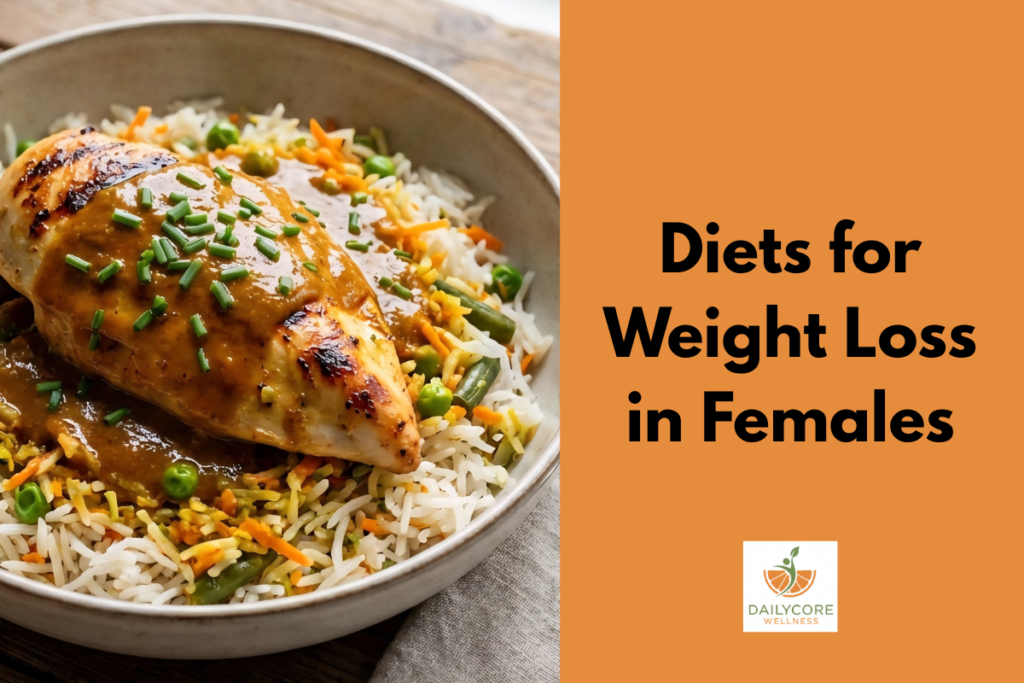
35 Diets for Weight Loss in Females, 2026
1. Spinach
Spinach is a low-calorie, nutrient-dense leafy green packed with vitamins A, C, K, and minerals like magnesium and iron. Its high fiber content slows digestion, helps stabilize blood sugar, and promotes satiety, reducing the likelihood of overeating. Spinach can be added to salads, smoothies, omelets, or sautéed as a side dish. Incorporating spinach regularly supports metabolism, provides essential micronutrients, and enhances overall health, making it an ideal food for female weight loss plans.
2. Chicken Breast
Chicken breast is a lean source of high-quality protein that helps preserve lean muscle mass during calorie restriction. Protein increases thermogenesis, promotes satiety, and stabilizes blood sugar levels. Chicken can be grilled, baked, or added to salads, wraps, and stir-fries. Regular inclusion of chicken breast in meals supports metabolism, aids fat loss, and provides essential amino acids necessary for recovery and hormone production.
3. Salmon
Salmon is rich in omega-3 fatty acids, high-quality protein, and essential vitamins. Omega-3s improve insulin sensitivity, reduce inflammation, and support cardiovascular health. Protein content promotes satiety and muscle preservation during weight loss. Salmon can be baked, grilled, or added to salads and grain bowls. Incorporating salmon regularly helps optimize fat metabolism, enhance hormonal balance, and provide essential nutrients for female health during weight loss.
4. Greek Yogurt
Greek yogurt is high in protein and probiotics, supporting digestive health, satiety, and stable blood sugar levels. Low in sugar and carbohydrates, it is ideal for a calorie-controlled diet. Greek yogurt can be eaten alone, with berries, or used in smoothies and dressings. Regular consumption helps reduce cravings, supports gut health, and maintains lean muscle mass, making it a valuable addition to a female weight loss diet.
5. Eggs
Eggs are nutrient-dense, providing high-quality protein, healthy fats, and essential vitamins and minerals. They increase satiety, stabilize blood sugar, and support muscle retention during weight loss. Eggs can be boiled, scrambled, poached, or added to salads and breakfast dishes. Incorporating eggs in daily meals promotes metabolism, provides essential nutrients, and reduces appetite, supporting sustainable female weight loss efforts.
6. Quinoa
Quinoa is a gluten-free, high-protein whole grain rich in fiber, vitamins, and minerals. Its fiber content slows digestion, supports blood sugar control, and promotes satiety. Quinoa can be used in salads, bowls, stir-fries, or as a rice alternative. Regular inclusion in meals aids weight management, improves energy levels, and provides essential nutrients to support metabolic health during a female-focused weight loss plan.
7. Almonds
Almonds are rich in healthy fats, protein, fiber, and micronutrients like magnesium and vitamin E. These nutrients improve satiety, regulate blood sugar, and support heart health. Almonds can be eaten as a snack, added to salads, oatmeal, or smoothies. Including almonds regularly supports appetite control, enhances metabolism, and provides nutrient-dense calories that complement a female weight loss diet.
8. Blueberries
Blueberries are low-glycemic, antioxidant-rich fruits that help regulate blood sugar, reduce inflammation, and support heart health. The fiber slows digestion, promoting satiety and reducing cravings for high-sugar foods. Blueberries can be eaten fresh, added to smoothies, oatmeal, or yogurt. Regular consumption supports metabolism, enhances nutrient intake, and provides natural sweetness, making them ideal for weight loss for females.
9. Avocado
Avocado is high in monounsaturated fats, fiber, and potassium, which support satiety, metabolism, and heart health. Healthy fats improve hormone balance and reduce inflammation, aiding weight loss. Avocado can be added to salads, smoothies, toast, or used as a spread. Including avocados in meals promotes fullness, supports insulin sensitivity, and provides essential nutrients, making it an excellent choice in a female-focused weight loss diet.
10. Broccoli
Broccoli is a low-calorie, high-fiber vegetable rich in vitamins C, K, and antioxidants. Fiber helps regulate blood sugar, improve satiety, and support digestive health. Broccoli can be steamed, roasted, added to salads, or incorporated into stir-fries. Regular consumption aids metabolism, provides essential nutrients, and supports fat loss, making it a staple food in an effective diet for weight loss for females.
11. Chia Seeds
Chia seeds are a powerful addition to a female weight loss diet due to their high fiber, protein, and omega-3 fatty acid content. The soluble fiber absorbs water and expands in the stomach, promoting satiety and reducing overeating. Chia seeds also support stable blood sugar levels and cardiovascular health. They can be added to smoothies, oatmeal, yogurt, or used to make chia puddings. Regular consumption of chia seeds helps curb cravings, support digestion, and provide essential nutrients that enhance metabolic efficiency, making them an effective and versatile ingredient in a female-focused weight loss plan.
12. Lentils
Lentils are a nutrient-dense, plant-based protein source rich in fiber, iron, and complex carbohydrates. The fiber content slows digestion and stabilizes blood sugar, promoting prolonged satiety and reducing overeating. Lentils are also beneficial for digestive health and provide essential micronutrients that support energy and metabolic function. They can be cooked into soups, stews, salads, or incorporated into grain bowls. Regular inclusion of lentils in a female weight loss diet supports weight management, preserves lean muscle mass, and contributes to overall health.
13. Oats
Oats are a whole grain high in soluble fiber, particularly beta-glucan, which helps slow carbohydrate absorption and stabilize blood sugar levels. They increase satiety, reducing the urge to snack between meals. Oats are also a source of vitamins, minerals, and antioxidants that support heart and digestive health. They can be consumed as oatmeal, added to smoothies, or used in baking. Incorporating oats regularly into a female-focused weight loss plan promotes sustainable energy, appetite control, and overall metabolic wellness.
14. Cottage Cheese
Cottage cheese is a high-protein, low-fat dairy product that supports satiety, lean muscle retention, and metabolism during weight loss. Rich in calcium and phosphorus, it also contributes to bone health, which is particularly important for females. Cottage cheese can be eaten alone, paired with fruits or nuts, or added to salads and snacks. Regular consumption promotes fullness, supports fat loss, and provides essential nutrients without excess calories, making it a practical addition to a female weight loss diet.
15. Walnuts
Walnuts are packed with healthy fats, protein, fiber, and antioxidants, which promote satiety, stabilize blood sugar, and reduce inflammation. They support cardiovascular and brain health while enhancing fat metabolism. Walnuts can be eaten as a snack, added to oatmeal, salads, or baked goods. Including walnuts in a female weight loss plan provides nutrient-dense calories, supports long-term appetite control, and enhances overall metabolic efficiency while helping maintain hormonal balance.
16. Green Tea
Green tea is rich in catechins and polyphenols that promote fat oxidation, improve metabolism, and support insulin sensitivity. Drinking green tea can enhance calorie expenditure and assist in weight management. It also provides antioxidants that reduce inflammation and support cardiovascular health. Green tea can be consumed hot or cold, plain or lightly flavored without added sugar. Regular consumption helps improve energy metabolism, stabilize glucose levels, and complement a structured female-focused weight loss diet.
17. Brown Rice
Brown rice is a whole grain rich in fiber, B vitamins, and essential minerals. The fiber slows glucose absorption, helping regulate blood sugar levels and promote satiety. It provides a low-glycemic carbohydrate source that supports energy levels without causing rapid spikes in insulin. Brown rice can be incorporated into bowls, salads, or served with lean proteins and vegetables. Consistent consumption aids in sustained energy, appetite control, and effective weight management for females.
18. Bell Peppers
Bell peppers are low-calorie, high-fiber vegetables packed with vitamin C, antioxidants, and phytonutrients. The fiber content helps regulate appetite, while antioxidants reduce oxidative stress associated with weight-related inflammation. Bell peppers can be eaten raw in salads, roasted, stir-fried, or added to soups. Regular inclusion supports satiety, enhances nutrient intake, and provides versatile options for flavorful, healthy meals, making them an effective component of a female weight loss diet.
19. Tomatoes
Tomatoes are nutrient-dense, low-calorie foods rich in vitamins A, C, potassium, and antioxidants such as lycopene. The fiber slows digestion, helping regulate blood sugar and maintain fullness. Tomatoes can be eaten raw, roasted, in sauces, or incorporated into salads and soups. Regular consumption supports cardiovascular health, reduces inflammation, and provides essential nutrients while complementing a calorie-controlled female weight loss plan. Their versatility makes them an easy and flavorful addition to daily meals.
20. Apples
21. Pears
Pears are fiber-rich, low-glycemic fruits that stabilize blood sugar and prolong satiety. They contain vitamins, minerals, and antioxidants that support metabolic health and reduce inflammation. Pears can be eaten fresh, baked, or added to salads and smoothies. Including pears in a female weight loss diet promotes appetite control, supports digestive health, and provides a naturally sweet, nutrient-dense option that complements overall caloric goals and sustainable weight management strategies.
22. Carrots
Carrots are low-calorie root vegetables high in fiber, beta-carotene, and antioxidants. Fiber slows digestion, reduces hunger, and supports blood sugar regulation. Carrots can be eaten raw as snacks, steamed, roasted, or incorporated into soups and salads. Regular consumption aids in appetite control, provides essential micronutrients, and contributes to overall metabolic wellness. Their natural sweetness makes them a satisfying alternative to processed snacks while supporting female-focused weight loss goals.
23. Cucumbers
Cucumbers are hydrating, low-calorie vegetables high in water content and fiber, which promote fullness and help reduce overall caloric intake. They provide antioxidants and micronutrients such as potassium, supporting cardiovascular and metabolic health. Cucumbers can be eaten raw in salads, as snacks with dips, or added to smoothies and sandwiches. Regular consumption aids hydration, appetite control, and weight management, making cucumbers an ideal addition to a female weight loss diet.
24. Zucchini
Zucchini is a low-calorie, high-fiber vegetable that supports satiety, blood sugar control, and digestive health. Rich in vitamins, minerals, and antioxidants, it promotes overall metabolic balance. Zucchini can be spiralized as noodles, grilled, roasted, or added to soups and stir-fries. Including zucchini regularly provides versatile, nutrient-dense options that support reduced caloric intake while maintaining essential nutrient levels, making it an effective addition to female-focused weight loss plans.
25. Strawberries
Strawberries are low-glycemic fruits rich in fiber, vitamin C, and antioxidants that help regulate blood sugar and support cardiovascular health. Their natural sweetness reduces cravings for sugary foods, while fiber promotes satiety and digestive health. Strawberries can be eaten fresh, in smoothies, added to yogurt, or incorporated into salads and desserts. Regular consumption provides nutrient-dense calories, supports metabolic function, and complements a female-focused weight loss diet with both flavor and health benefits.
26. Flaxseeds
Flaxseeds are rich in fiber, omega-3 fatty acids, and lignans, which support fat metabolism and hormonal balance in females. The high soluble fiber content forms a gel-like consistency in the digestive tract, slowing digestion and promoting satiety. This helps reduce overall calorie intake and stabilize blood sugar levels. Flaxseeds can be added to smoothies, oatmeal, yogurt, or baked goods, preferably in ground form for better absorption. Regular inclusion supports digestive health, reduces inflammation, and enhances metabolic efficiency, making flaxseeds a valuable addition to a female weight loss diet.
27. Sweet Potatoes
Sweet potatoes are a nutrient-dense carbohydrate source rich in fiber, vitamins A and C, and antioxidants. Their low glycemic index helps regulate blood sugar levels, preventing energy crashes and cravings. The fiber content promotes fullness and supports digestive health. Sweet potatoes can be baked, roasted, or mashed as a healthier alternative to refined carbohydrates. Including them in meals provides sustained energy, supports metabolic health, and helps maintain satiety, making them an excellent component of a balanced female weight loss diet.
28. Lean Turkey
Lean turkey is a high-protein, low-fat food that supports muscle maintenance and fat loss. Protein increases thermogenesis and promotes satiety, helping reduce overall calorie intake. Turkey also provides essential nutrients such as B vitamins and selenium, which support metabolism and immune health. It can be grilled, roasted, or added to salads and wraps. Regular consumption of lean turkey helps maintain lean muscle mass, improve metabolic rate, and support effective weight management in females.
29. Tofu
Tofu is a plant-based protein source rich in essential amino acids, calcium, and iron. It is low in calories and helps promote satiety, making it ideal for weight loss. Tofu also supports hormonal balance due to its phytoestrogen content, which may benefit female health. It can be stir-fried, grilled, or added to soups and salads. Including tofu regularly provides a versatile, nutrient-dense option that supports muscle maintenance, metabolic health, and sustainable weight loss.
30. Black Beans
Black beans are high in fiber, protein, and complex carbohydrates, making them effective for appetite control and blood sugar regulation. The combination of fiber and protein promotes satiety and reduces cravings, while supporting digestive health. Black beans can be added to soups, salads, wraps, or grain bowls. Regular consumption supports sustained energy, improves gut health, and contributes to effective weight management for females by reducing overall calorie intake.
31. Watermelon
Watermelon is a hydrating, low-calorie fruit with high water content that promotes fullness and reduces calorie consumption. It provides vitamins A and C, antioxidants, and natural sweetness, making it a healthy alternative to sugary snacks. Although it has a higher glycemic index, its water content balances its effect on blood sugar when consumed in moderation. Watermelon can be eaten fresh or added to salads and smoothies. Including it in a female weight loss diet supports hydration, reduces cravings, and enhances overall nutrient intake.
32. Pineapple
Pineapple is a tropical fruit rich in vitamin C, antioxidants, and bromelain, an enzyme that supports digestion and reduces inflammation. Its natural sweetness helps satisfy sugar cravings, while fiber aids in satiety and blood sugar regulation. Pineapple can be consumed fresh, added to smoothies, or included in fruit salads. Moderate consumption supports digestion, boosts immunity, and provides a refreshing, nutrient-rich option for females aiming to lose weight effectively.
33. Cabbage
Cabbage is a low-calorie, high-fiber vegetable that supports digestion, satiety, and weight management. It contains antioxidants and vitamins such as vitamin C and K, which promote overall health and reduce inflammation. Cabbage can be eaten raw in salads, fermented as sauerkraut, or cooked in soups and stir-fries. Regular consumption helps regulate appetite, improve gut health, and provide essential nutrients while maintaining a calorie deficit, making it a beneficial addition to a female weight loss diet.
34. Celery
Celery is a low-calorie vegetable with high water and fiber content, making it effective for appetite control and hydration. It provides vitamins, minerals, and antioxidants that support metabolic health and reduce inflammation. Celery can be eaten raw, added to salads, or used in soups and smoothies. Including celery in meals or snacks helps promote fullness, reduce calorie intake, and support overall digestive health, contributing to sustainable weight loss in females.
35. Herbal Teas
Herbal teas, such as chamomile, peppermint, and ginger tea, are low-calorie beverages that support digestion, reduce bloating, and promote relaxation. They help manage cravings and improve hydration without adding extra calories. Certain herbal teas also support metabolism and reduce stress, which can influence weight gain. Herbal teas can be consumed throughout the day as a substitute for sugary beverages. Regular inclusion enhances hydration, supports metabolic balance, and complements a structured female weight loss diet effectively.