Successful weight loss begins with smart grocery shopping. Choosing the right foods ensures that your diet is nutrient-dense, low in empty calories, and conducive to fat loss. A healthy weight loss grocery list emphasizes fresh produce, lean proteins, whole grains, and healthy fats, all of which support metabolism and appetite control.
Planning your grocery list prevents impulsive purchases of processed, calorie-dense foods that can derail weight loss goals. Selecting foods rich in fiber, protein, and essential nutrients helps you feel full longer, reduces cravings, and provides sustained energy throughout the day.
A well-structured grocery list also encourages variety and balance in your meals. Incorporating a wide range of vegetables, fruits, lean meats, and whole grains ensures that your body receives the vitamins, minerals, and antioxidants necessary for optimal metabolic function and overall health.
Ultimately, a healthy grocery list is a tool for long-term success. It empowers individuals to make conscious, informed food choices, promotes portion control, and supports a structured approach to sustainable weight loss, ensuring consistent results without sacrificing nutritional quality.
Key Categories for a Healthy Weight Loss Grocery List
Fresh Vegetables: Leafy greens like spinach, kale, and romaine provide fiber, vitamins, and antioxidants. Cruciferous vegetables such as broccoli, cauliflower, and Brussels sprouts aid satiety and support metabolism. Peppers, zucchini, and carrots offer low-calorie volume to meals.
Fresh Fruits: Berries, apples, oranges, and pears are nutrient-dense and high in fiber, while naturally sweet, satisfying sugar cravings without excess calories. Citrus fruits supply vitamin C, while bananas and mangoes provide quick energy for workouts.
Lean Proteins: Chicken breast, turkey, fish, lean beef, eggs, tofu, and legumes provide essential amino acids necessary for muscle maintenance and fat loss. Protein-rich foods help control appetite and promote satiety.
Whole Grains: Brown rice, quinoa, oats, whole-grain bread, and pasta supply fiber, energy, and sustained fullness. They prevent blood sugar spikes and provide essential micronutrients such as magnesium and B vitamins.
Healthy Fats: Avocados, nuts, seeds, and olive oil provide calorie-dense nutrition without promoting fat gain when consumed in moderation. Healthy fats support hormone balance, nutrient absorption, and satiety.
Dairy & Alternatives: Greek yogurt, low-fat milk, and plant-based alternatives provide protein, calcium, and probiotics that support digestion and metabolism while contributing to overall nutrient intake.
Beverages & Condiments: Water, herbal teas, and unsweetened beverages keep you hydrated. Spices, herbs, vinegar, and lemon juice add flavor without extra calories, encouraging variety and enjoyment of meals.
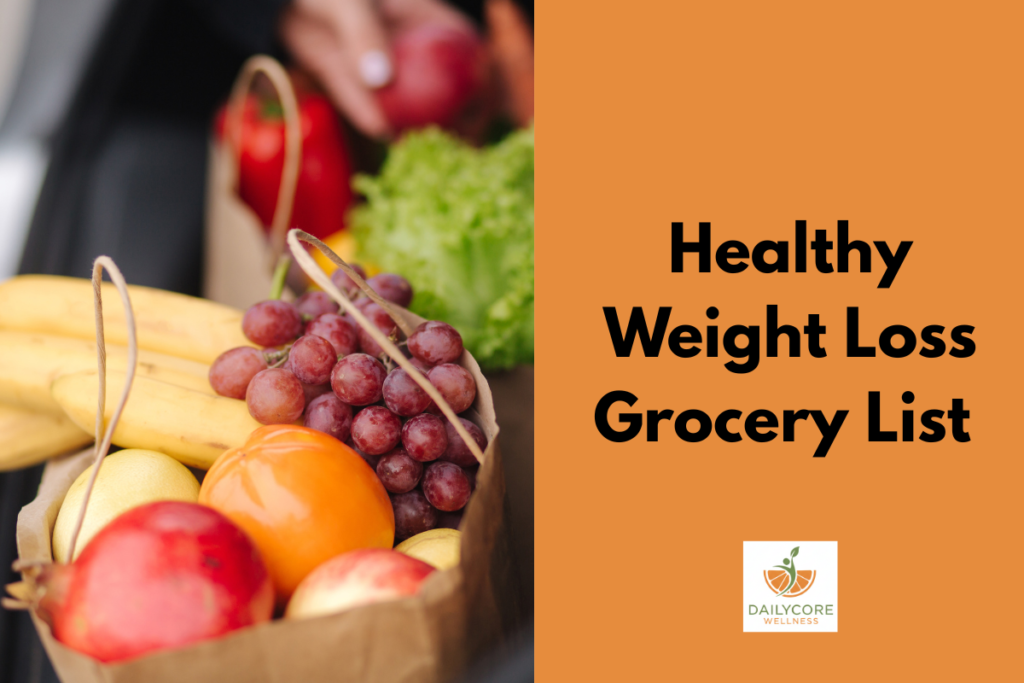
40 Active Healthy Weight Loss Grocery List, 2026
1. Spinach
Spinach is a nutrient-dense leafy green that supports weight loss due to its low-calorie content and high fiber levels. The fiber promotes satiety, helping you feel full for longer periods, which can reduce overall calorie intake. Spinach is also rich in vitamins A, C, and K, and minerals like iron and magnesium, which aid metabolism and energy production. It can be used in salads, smoothies, omelets, soups, or sautéed as a side dish. Its versatility makes it easy to incorporate into daily meals. Regular consumption ensures a nutrient-rich diet while supporting fat loss, making spinach an essential item on any healthy weight loss grocery list.
2. Kale
Kale is a powerhouse of vitamins A, C, and K, fiber, and antioxidants, making it ideal for weight loss. The high fiber content slows digestion, keeping you fuller longer and helping control hunger between meals. Kale also supports metabolism and detoxification due to its antioxidant profile. It can be eaten raw in salads, blended into smoothies, or lightly sautéed as a side. Its low calorie density allows large portion sizes without adding excess calories, making it ideal for calorie-controlled diets. Including kale in your grocery list ensures you get nutrient-rich vegetables that support fat loss, metabolic health, and overall wellness.
3. Broccoli
Broccoli is a cruciferous vegetable high in fiber, vitamins C and K, and antioxidants. Its low-calorie, high-water content makes it excellent for promoting satiety and reducing overeating. Fiber in broccoli supports healthy digestion, stabilizes blood sugar, and encourages fat loss by keeping you full longer. Broccoli can be steamed, roasted, added to stir-fries, soups, or salads. Its versatility allows it to be a staple in a weight-loss-focused grocery list. Regular consumption ensures nutrient intake, improves metabolism, and provides antioxidants that protect the body from oxidative stress while supporting long-term fat loss.
4. Bell Peppers
Bell peppers are colorful, low-calorie vegetables rich in vitamin C, fiber, and antioxidants. They provide volume and flavor to meals without adding excess calories, supporting satiety and weight control. Bell peppers aid digestion due to their fiber content and promote metabolism through their antioxidant compounds. They can be eaten raw, roasted, grilled, or sautéed in stir-fries and salads. Including bell peppers in your grocery list ensures variety and nutrient density in your meals. Their versatility, combined with their low-calorie, high-nutrient profile, makes bell peppers an excellent food for supporting fat loss and maintaining a balanced, healthy diet.
5. Carrots
Carrots are a low-calorie, fiber-rich vegetable that promotes fullness and supports digestive health. The high fiber content slows digestion, helping to maintain stable blood sugar and reduce cravings. Carrots are rich in beta-carotene, vitamin A, and antioxidants, which support immune function and overall health. They can be eaten raw as a snack, roasted, or added to soups and salads. Their natural sweetness provides a healthier alternative to sugary snacks. Regular inclusion of carrots in a grocery list ensures a nutrient-dense, low-calorie food that promotes satiety, aids in fat loss, and enhances the overall nutritional quality of meals.
6. Apples
Apples are fiber-rich fruits low in calories that help promote satiety and curb cravings, making them ideal for weight loss. The soluble fiber pectin slows digestion, stabilizes blood sugar, and supports gut health. Apples also provide vitamin C, antioxidants, and phytonutrients that boost overall health. They can be eaten raw, sliced with nut butter, added to salads, or blended into smoothies. Including apples in your grocery list ensures a convenient, portable, and nutrient-dense option for snacking or adding natural sweetness to meals. Their combination of fiber, water content, and micronutrients supports fat loss and overall wellness.
7. Blueberries
Blueberries are low-calorie berries rich in fiber, antioxidants, and vitamins that support weight loss and metabolic health. The fiber content promotes fullness, while antioxidants help reduce oxidative stress and inflammation in the body. Blueberries also provide vitamin C and manganese, which aid energy metabolism and overall wellness. They can be eaten fresh, added to yogurt, oatmeal, or smoothies, providing natural sweetness without excess sugar. Including blueberries in your grocery list ensures nutrient-dense snacks and meal additions that support satiety, fat loss, and long-term metabolic health, making them a key fruit for any weight-loss-focused diet.
8. Oranges
Oranges are low-calorie, high-fiber fruits rich in vitamin C, antioxidants, and water content, which promote fullness and hydration. Their soluble fiber slows digestion, helping control appetite and maintain stable blood sugar levels. Oranges can be consumed as snacks, added to salads, or included in smoothies for a refreshing, nutrient-dense option. They are naturally sweet, reducing the need for high-calorie desserts or processed sugars. Regular inclusion in a grocery list supports satiety, provides essential nutrients for metabolism, and enhances overall dietary quality. Oranges are an excellent fruit choice for anyone aiming for fat loss and long-term healthy eating habits.
9. Bananas
Bananas are nutrient-dense fruits rich in potassium, fiber, and natural sugars that provide quick energy while promoting satiety. The fiber content helps regulate digestion, maintain stable blood sugar, and reduce cravings between meals. Bananas can be eaten alone, added to smoothies, or paired with nut butter for a calorie-controlled snack. Their versatility and natural sweetness make them ideal for healthy weight loss meal plans. Including bananas in a grocery list ensures energy supply, supports metabolic function, and provides essential vitamins and minerals, contributing to sustainable fat loss and overall nutritional balance.
10. Chicken Breast
Chicken breast is a lean protein source essential for supporting muscle maintenance and satiety during weight loss. High-quality protein helps preserve lean mass while promoting fullness, preventing overeating. Chicken breast is low in fat and versatile, making it suitable for grilling, baking, stir-frying, or adding to salads and soups. Its nutrient density includes B vitamins and essential minerals that support energy metabolism. Including chicken breast in a grocery list ensures consistent protein intake, supports fat loss goals, and promotes a nutrient-rich, structured approach to weight-loss-focused meals.
11. Turkey Breast
Turkey breast is a lean, high-protein meat that supports fat loss by promoting satiety and preserving lean muscle. Its low-fat content ensures calorie-controlled meals, while its rich B-vitamin profile aids energy metabolism. Turkey breast can be grilled, roasted, or added to salads and wraps, providing versatile options for weight-loss-friendly meals. Including turkey in your grocery list ensures consistent protein intake, helps control appetite, and supports a nutrient-rich diet that encourages sustainable fat loss. Regular consumption also aids in maintaining lean mass during calorie restriction, making it an essential item for healthy, structured meal planning.
12. Salmon
Salmon is a nutrient-dense fish rich in protein and omega-3 fatty acids, which support satiety, fat metabolism, and heart health. Omega-3s can help reduce inflammation and enhance metabolic function, making salmon an excellent choice for weight loss. It provides vitamin D and B vitamins to support energy and overall wellness. Salmon can be baked, grilled, poached, or added to salads. Its high protein and healthy fat content make it ideal for preserving lean muscle while maintaining a calorie deficit. Including salmon in your grocery list ensures nutrient-rich meals that promote fat loss and long-term health.
13. Eggs
Eggs are a low-calorie, high-protein food that supports satiety, muscle maintenance, and weight loss. They are rich in vitamins like B12 and choline, which support metabolism and brain function. Eggs are versatile and can be boiled, scrambled, poached, or used in omelets and salads. Their high-quality protein content helps maintain lean muscle during calorie restriction and keeps you full longer. Including eggs in a grocery list ensures convenient, nutrient-dense options for breakfast, lunch, or snacks, making them a core item for structured, healthy weight loss meal planning.
14. Greek Yogurt
Greek yogurt is high in protein and probiotics, supporting satiety, digestive health, and weight management. It contains calcium, which aids fat metabolism, and provides a nutrient-dense alternative to high-sugar dairy. Greek yogurt can be eaten plain, mixed with berries or nuts, or blended into smoothies for added flavor and calorie control. Its protein content helps preserve lean muscle during fat loss, and its probiotics improve gut health. Including Greek yogurt in your grocery list ensures a versatile, nutrient-rich food that contributes to fullness, supports metabolic function, and enhances sustainable fat loss strategies.
15. Tofu
Tofu is a plant-based protein rich in essential amino acids and low in calories, making it an excellent food for weight loss. Its protein supports lean muscle preservation and satiety, while its versatility allows it to be baked, stir-fried, grilled, or added to soups and salads. Tofu contains calcium and iron, supporting bone health and energy metabolism. Including tofu in a grocery list provides a nutrient-dense, low-calorie protein source suitable for vegetarian or vegan weight loss plans. Regular consumption helps maintain fullness, balance macronutrient intake, and supports sustainable fat loss while meeting protein needs.
16. Lentils
Lentils are high in protein, fiber, and complex carbohydrates, promoting satiety and supporting steady energy levels during weight loss. They also supply iron, folate, and magnesium to support metabolism and overall health. Lentils can be used in soups, stews, salads, or as a side dish, providing versatility in meal planning. Their low-calorie, nutrient-rich profile helps maintain a calorie deficit while ensuring adequate protein and micronutrient intake. Including lentils in a grocery list provides plant-based, high-fiber, and protein-dense options that promote fullness, support lean muscle, and enhance sustainable fat loss.
17. Chickpeas
Chickpeas are a fiber- and protein-rich legume that supports satiety and stable blood sugar, making them ideal for weight loss. They are low in calories but nutrient-dense, providing iron, magnesium, and folate. Chickpeas can be roasted for snacks, blended into hummus, or added to salads and soups. Their versatility makes them suitable for both meals and snacks, helping maintain fullness between meals. Including chickpeas in a grocery list provides a sustainable, plant-based protein source that supports lean muscle maintenance, energy metabolism, and long-term fat loss strategies.
18. Quinoa
Quinoa is a complete protein and complex carbohydrate source that supports satiety, muscle preservation, and energy balance during weight loss. Its fiber content stabilizes blood sugar, while essential minerals like magnesium and manganese aid metabolism. Quinoa can be used as a base for salads, side dishes, or grain bowls. It is low in fat, nutrient-dense, and versatile for meal preparation. Including quinoa in a grocery list ensures a high-protein, fiber-rich, and energy-sustaining ingredient that supports a structured weight-loss plan, helps maintain fullness, and promotes overall metabolic health.
19. Oats
Oats are a high-fiber, complex carbohydrate food that supports fullness, steady energy, and digestive health. They contain beta-glucan, which slows digestion and helps control appetite. Oats can be prepared as oatmeal, overnight oats, or added to smoothies, providing a low-calorie, nutrient-rich breakfast or snack option. Their versatility and high fiber content make them essential for a grocery list focused on weight loss. Regular consumption of oats promotes satiety, stabilizes blood sugar, and contributes to sustainable fat loss while providing essential minerals and vitamins.
20. Brown Rice
Brown rice is a whole-grain carbohydrate source high in fiber and micronutrients like magnesium, manganese, and B vitamins. Its slow-digesting carbohydrates provide steady energy and help maintain fullness. Brown rice can be served with vegetables, lean proteins, or beans for a balanced meal. Including brown rice in a grocery list supports nutrient-dense, low-fat meals that promote satiety and sustainable fat loss. Its versatility, fiber content, and nutrient density make it a staple carbohydrate source for anyone aiming for healthy, structured weight loss.
21. Almonds
Almonds are nutrient-dense nuts rich in healthy fats, protein, fiber, and vitamin E. Their combination of protein and fiber promotes satiety, helping prevent overeating and snacking on high-calorie foods. Almonds can be eaten raw, roasted, or added to oatmeal, salads, or yogurt for extra crunch and nutrition. Despite being calorie-dense, portion-controlled servings support fat loss by enhancing fullness and maintaining steady energy. Including almonds in a grocery list ensures a convenient, nutrient-rich snack that contributes to heart health, metabolic function, and sustainable weight management while adding variety to a structured weight-loss plan.
22. Walnuts
Walnuts are packed with omega-3 fatty acids, protein, and antioxidants, supporting fat metabolism, satiety, and overall health. They provide healthy fats that regulate hormones involved in hunger and fullness, helping control appetite. Walnuts can be eaten as a snack, added to salads, or included in oatmeal and smoothies. Portion-controlled intake ensures they contribute to energy without excess calories. Including walnuts in a grocery list adds a nutrient-rich, versatile ingredient that supports fat loss, heart health, and anti-inflammatory benefits while maintaining a balanced, weight-loss-focused diet.
23. Chia Seeds
Chia seeds are tiny, nutrient-dense seeds rich in fiber, omega-3 fatty acids, and protein. Their soluble fiber absorbs water, forming a gel-like consistency that promotes satiety and slows digestion. Chia seeds can be added to smoothies, oatmeal, yogurt, or puddings, providing texture and nutritional benefits. Regular consumption helps control appetite, stabilize blood sugar, and support fat loss while maintaining a balanced diet. Including chia seeds in a grocery list ensures a convenient, versatile, and high-fiber ingredient that enhances fullness, supports metabolism, and contributes to sustainable weight-loss goals.
24. Flaxseeds
Flaxseeds are high in fiber, protein, and omega-3 fatty acids, supporting digestion, satiety, and metabolic health. Their soluble fiber helps regulate appetite and stabilize blood sugar, aiding fat loss. Flaxseeds can be ground and added to smoothies, oatmeal, yogurt, or baked goods, increasing fiber and nutrient density. Including flaxseeds in a grocery list ensures a versatile, nutrient-rich ingredient that promotes fullness, supports lean mass, and contributes to a structured, sustainable weight-loss plan. Their anti-inflammatory and heart-protective properties further enhance overall health while aiding in fat management.
25. Olive Oil
Olive oil is a healthy fat rich in monounsaturated fatty acids and antioxidants, supporting heart health and metabolic function. Adding small amounts to salads, roasted vegetables, or cooking can enhance satiety and flavor without excess calories. Despite being calorie-dense, moderate use of olive oil promotes fullness and supports nutrient absorption from vegetables and other foods. Including olive oil in a grocery list ensures a nutrient-rich, versatile ingredient that helps maintain a balanced diet, supports fat loss, and enhances overall health while contributing to structured, sustainable weight-loss strategies.
26. Avocado
Avocado is a nutrient-dense fruit high in monounsaturated fats, fiber, and potassium. Its healthy fats support satiety, reduce cravings, and enhance nutrient absorption from other foods. Avocado can be added to salads, smoothies, or eaten as a spread on whole-grain toast. Its fiber content promotes fullness, helping maintain calorie control, while the healthy fat content supports hormone regulation essential for fat metabolism. Including avocado in a grocery list ensures a versatile, nutrient-rich option that contributes to a balanced diet, promotes sustainable fat loss, and supports long-term weight management.
27. Green Tea
Green tea contains catechins and antioxidants that can support fat metabolism and overall health. Regular consumption may enhance calorie burning, improve digestion, and provide hydration without added calories. Green tea can be consumed hot or cold and incorporated into daily routines as a beverage replacement for sugary drinks. Including green tea in a grocery list ensures a calorie-free, metabolism-supporting option that aids fat loss while offering antioxidant benefits. Its mild caffeine content also supports energy and focus, making it an effective addition to a structured weight-loss plan.
28. Cucumbers
Cucumbers are a low-calorie, high-water vegetable rich in fiber and antioxidants. Their water content promotes hydration, while fiber supports satiety and digestive health. Cucumbers can be eaten raw in salads, sliced as snacks, or blended into smoothies for added volume without extra calories. Including cucumbers in a grocery list ensures nutrient-dense, hydrating options that enhance fullness, reduce snacking on high-calorie foods, and support sustainable fat loss. Their versatility and low calorie density make them an ideal vegetable for structured weight-loss meal plans.
29. Tomatoes
Tomatoes are low in calories but rich in fiber, vitamins, and antioxidants like lycopene. They support satiety, metabolic health, and provide nutrients that aid overall wellness during weight loss. Tomatoes can be eaten raw, roasted, or blended into soups, sauces, or salads. Their high water content and nutrient density enhance fullness and reduce calorie intake. Including tomatoes in a grocery list ensures a versatile, flavorful, and nutrient-rich vegetable that promotes fat loss, supports hydration, and contributes to balanced, healthy meal planning.
30. Zucchini
Zucchini is a low-calorie, high-fiber vegetable that adds volume to meals without excess calories. Its fiber content supports fullness and helps regulate digestion and blood sugar. Zucchini can be grilled, roasted, spiralized as “zoodles,” or added to soups and stir-fries. Including zucchini in a grocery list ensures a versatile, nutrient-dense vegetable that enhances satiety, supports fat loss, and provides essential vitamins and antioxidants for overall health. Its low-calorie, hydrating properties make it an excellent addition to any structured weight-loss diet.
31. Garlic
Garlic is a low-calorie, nutrient-dense ingredient that supports metabolism and overall health. It contains compounds like allicin, which may promote fat metabolism, improve digestion, and enhance cardiovascular health. Garlic can be added to sauces, roasted vegetables, soups, or dressings to enhance flavor without extra calories. Including garlic in a grocery list ensures a versatile, flavorful, and nutrient-rich ingredient that supports satiety, metabolic function, and sustainable weight-loss strategies. Its antioxidant and anti-inflammatory properties further promote overall wellness while contributing to a structured, balanced diet for fat loss.
32. Ginger
Ginger is a natural, low-calorie root that supports digestion, reduces inflammation, and may aid fat metabolism. Its thermogenic properties can slightly boost calorie burning, while its flavor enhances meals and beverages. Ginger can be added to teas, smoothies, stir-fries, or soups. Including ginger in a grocery list provides a versatile ingredient that promotes fullness, supports digestion, and contributes to a structured, healthy weight-loss plan. Its antioxidant content and potential appetite-regulating effects make it a beneficial addition to a nutrient-rich, low-calorie diet.
33. Mushrooms
Mushrooms are low-calorie, nutrient-rich fungi that provide fiber, vitamins, and antioxidants. They promote satiety and can replace higher-calorie ingredients in meals, making them ideal for weight-loss-focused diets. Mushrooms contain B vitamins, selenium, and potassium, which support metabolism and overall health. They can be sautéed, roasted, grilled, or added to soups, salads, and omelets. Including mushrooms in a grocery list ensures versatile, nutrient-dense meals that enhance fullness, provide essential nutrients, and contribute to sustainable fat loss. Their low-calorie profile and umami flavor make them an excellent addition to structured, healthy meal planning.
34. Cauliflower
Cauliflower is a low-calorie, high-fiber vegetable that promotes satiety and supports digestion. Its versatility allows it to replace higher-calorie ingredients, such as rice or mashed potatoes, making meals more weight-loss-friendly. Cauliflower is rich in vitamins C and K, antioxidants, and phytonutrients that enhance metabolism and overall health. It can be roasted, steamed, mashed, or incorporated into soups and stir-fries. Including cauliflower in a grocery list ensures nutrient-dense, low-calorie meals that aid fullness, maintain balanced nutrition, and support structured fat-loss strategies.
35. Asparagus
Asparagus is a low-calorie vegetable high in fiber, vitamins A, C, and K, and antioxidants. Its fiber content promotes satiety and supports digestive health, while its nutrient profile aids metabolism and overall wellness. Asparagus can be steamed, roasted, or grilled and added to salads or side dishes. Including asparagus in a grocery list ensures nutrient-rich, low-calorie meals that enhance fullness and contribute to sustainable fat loss. Its versatility and health-promoting compounds make it an ideal vegetable for structured, weight-loss-focused meal planning.
36. Cabbage
Cabbage is a low-calorie, high-fiber cruciferous vegetable that promotes satiety and supports digestive health. It contains vitamins C and K, antioxidants, and glucosinolates that may aid metabolism and fat loss. Cabbage can be eaten raw in salads, fermented as sauerkraut, or cooked in soups and stir-fries. Including cabbage in a grocery list ensures nutrient-dense, versatile meals that enhance fullness, reduce calorie intake, and support sustainable weight loss while maintaining a balanced, healthy diet.
37. Celery
Celery is an extremely low-calorie vegetable high in fiber and water, promoting hydration, fullness, and satiety. Its crunch and versatility make it suitable for snacks, salads, or soups without adding excess calories. Celery contains antioxidants, vitamins, and minerals that support metabolism and overall health. Including celery in a grocery list provides a convenient, nutrient-rich ingredient that contributes to calorie control, supports digestive health, and enhances structured, sustainable fat-loss strategies. Its hydrating and low-calorie properties make it a staple in weight-loss-focused grocery planning.
38. Green Beans
Green beans are a low-calorie, fiber-rich vegetable that helps maintain fullness and digestive health. They are a good source of vitamins A, C, and K, as well as minerals like folate and manganese. Green beans can be steamed, roasted, sautéed, or added to salads and stir-fries. Including green beans in a grocery list ensures nutrient-dense, versatile meals that support satiety, calorie control, and sustainable fat loss. Their low-calorie profile makes them an ideal vegetable for structured weight-loss meal planning.
39. Bell Peppers (Red, Yellow, Orange)
Colored bell peppers are low in calories and high in vitamins A and C, fiber, and antioxidants. Their vibrant colors and natural sweetness enhance meal appeal while supporting satiety. They aid digestion, reduce cravings, and promote metabolic health. Bell peppers can be eaten raw, roasted, grilled, or incorporated into salads, stir-fries, and soups. Including them in a grocery list ensures variety, nutrient density, and low-calorie volume in meals, supporting structured, sustainable fat-loss strategies and overall wellness.
40. Lemons
Lemons are low-calorie fruits rich in vitamin C, antioxidants, and flavonoids that aid digestion, hydration, and metabolism. Their natural acidity enhances flavor without added calories and supports nutrient absorption from other foods. Lemons can be added to water, teas, salads, or used in dressings and marinades. Including lemons in a grocery list ensures a versatile, nutrient-dense ingredient that promotes hydration, fullness, and sustainable fat loss. Their digestive and flavor-enhancing properties make them an excellent addition to structured, healthy weight-loss meal plans.
Conclusion
A well-structured grocery list is the foundation of successful weight loss. By choosing nutrient-dense, low-calorie, and fiber-rich foods, individuals can control hunger, reduce cravings, and maintain a calorie deficit without sacrificing essential nutrients. Incorporating a variety of fruits, vegetables, lean proteins, whole grains, and healthy fats ensures that meals are balanced, satisfying, and supportive of long-term fat loss goals. A thoughtfully planned grocery list empowers individuals to make informed choices and maintain consistency in their diet.
Consistency is key to achieving sustainable fat loss. Regularly shopping for and consuming the foods on your grocery list helps create predictable, healthy eating patterns. This minimizes impulsive purchases of processed or high-calorie foods and ensures that nutrient-rich meals are always available. Over time, these habits reinforce appetite control, support metabolism, and contribute to lean muscle preservation, making weight loss more effective and manageable.
A holistic approach to grocery shopping also considers variety, flavor, and nutrient quality. Selecting colorful fruits and vegetables, high-quality proteins, and versatile whole grains ensures that meals are enjoyable, nutritionally adequate, and tailored to individual preferences. Including spices, herbs, and natural flavor enhancers can make healthy meals satisfying without adding unnecessary calories, supporting adherence to the weight-loss plan over time.
Ultimately, success in weight loss comes from combining consistent, nutrient-rich grocery shopping with structured meal planning and mindful eating. Following a carefully curated grocery list allows individuals to maintain fullness, optimize metabolism, and achieve sustainable fat loss. By prioritizing healthful, whole foods, individuals not only reach their weight-loss goals but also establish lifelong habits that support overall wellness and vitality.