Adopting a vegetarian diet for weight loss can be both effective and enjoyable. By focusing on nutrient-dense, low-calorie foods such as vegetables, legumes, whole grains, and plant-based proteins, individuals can manage hunger, boost metabolism, and achieve sustainable fat loss. Vegetarian diets are rich in fiber and antioxidants, supporting digestive health, stabilizing blood sugar, and promoting fullness, all of which are essential for weight management.
A key advantage of vegetarian weight-loss recipes is their naturally low-calorie density. Plant-based ingredients allow for larger portion sizes, helping you feel satisfied without exceeding daily caloric goals. Incorporating a variety of colorful vegetables, fruits, and legumes also ensures a wide spectrum of vitamins and minerals to support overall health.
Vegetarian meals can be incredibly versatile, ranging from hearty soups and salads to protein-packed stir-fries and nutrient-rich smoothies. This variety prevents dietary boredom, making it easier to adhere to a structured weight-loss plan. Creative use of herbs, spices, and healthy fats enhances flavor while keeping calorie counts low.
Ultimately, healthy vegetarian recipes for weight loss provide a sustainable approach to fat loss. By prioritizing plant-based, nutrient-rich foods and mindful meal planning, individuals can achieve their weight-loss goals while enjoying flavorful, balanced meals that support long-term health and wellness.
How Vegetarian Recipes Support Weight Loss
Vegetarian recipes promote fat loss primarily through nutrient density and low-calorie content. Vegetables, legumes, and whole grains provide fiber, which slows digestion, maintains blood sugar stability, and promotes satiety. Protein from plant-based sources like lentils, tofu, and chickpeas supports lean muscle preservation, which is critical for maintaining metabolism during calorie restriction.
Low-calorie, high-volume foods, such as leafy greens, cruciferous vegetables, and zucchini, allow individuals to consume satisfying portions while staying within a caloric deficit. This helps prevent overeating and supports long-term adherence to a weight-loss diet. Additionally, plant-based meals are rich in antioxidants and phytonutrients that reduce inflammation and improve overall metabolic health, making fat loss more efficient.
The combination of fiber, protein, and micronutrients in vegetarian meals ensures balanced nutrition while supporting energy levels. Healthy fats from nuts, seeds, and avocados provide satiety and essential fatty acids without promoting fat gain. Including these ingredients in recipes helps regulate appetite, stabilize hormones, and enhance nutrient absorption, all of which contribute to sustainable fat loss.
By using diverse ingredients, vegetarian recipes can be tailored to individual tastes and preferences. This variety encourages dietary adherence, reduces monotony, and provides essential nutrients to support weight loss. With proper planning, vegetarian recipes can provide all macronutrients and micronutrients needed for fat loss while maintaining meal satisfaction.
Key Nutrients in Vegetarian Recipes for Weight Loss
Protein: Plant-based proteins like tofu, tempeh, lentils, chickpeas, and quinoa are critical for preserving lean muscle during calorie restriction. Protein also promotes fullness and supports metabolism, making it an essential macronutrient in vegetarian weight-loss diets.
Fiber: High-fiber vegetables, fruits, legumes, and whole grains slow digestion, increase satiety, and stabilize blood sugar. Fiber-rich meals help prevent overeating, reduce cravings, and support digestive health, all of which are key to sustainable fat loss.
Healthy Fats: Nuts, seeds, avocado, and olive oil provide essential fatty acids that promote satiety, regulate hunger hormones, and support nutrient absorption. These fats enhance meal satisfaction without excessive calories when portioned correctly.
Vitamins and Minerals: Vegetables, fruits, and legumes provide essential vitamins (A, C, K, folate) and minerals (iron, magnesium, potassium) that support metabolism, energy production, and overall health during weight loss.
Antioxidants and Phytonutrients: Colorful vegetables and fruits supply antioxidants that reduce oxidative stress and inflammation, improving metabolic function and supporting fat loss. Incorporating a variety of plant colors ensures maximum nutrient diversity.
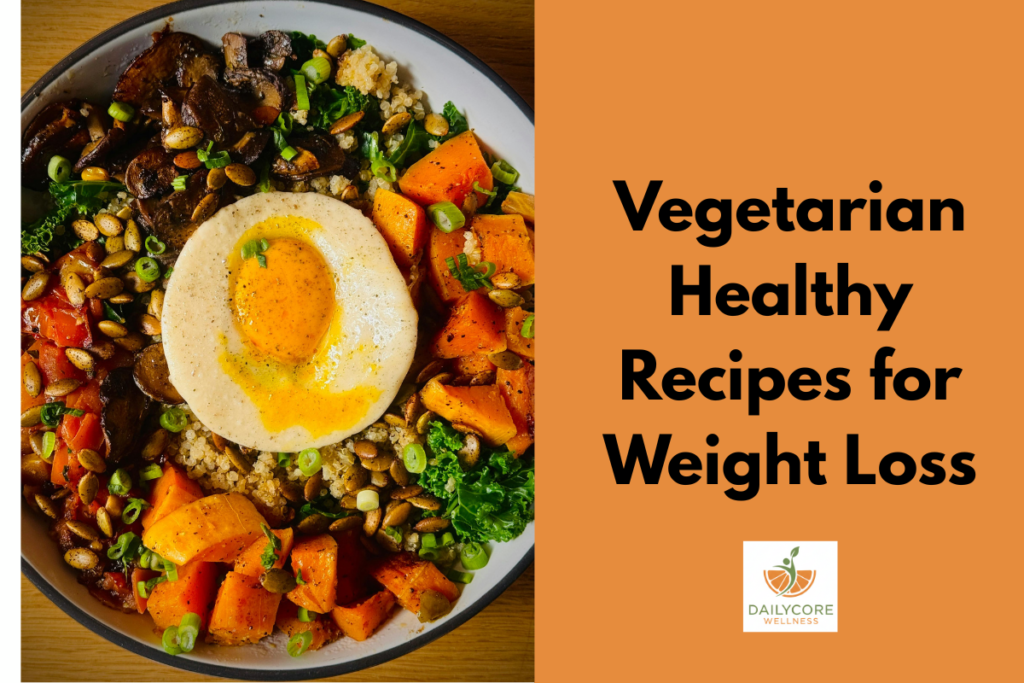
Vegetarian Healthy Recipes, 2026
1. Lentil and Vegetable Soup
A hearty lentil and vegetable soup combines protein-rich lentils with low-calorie, fiber-rich vegetables like carrots, celery, and spinach. This meal promotes satiety while providing essential vitamins and minerals. Lentils supply plant-based protein to preserve lean muscle during weight loss, and the fiber content stabilizes blood sugar. It can be seasoned with garlic, cumin, and herbs for flavor without added calories. This soup is versatile, filling, and easy to prepare in bulk, making it ideal for meal prepping and structured vegetarian weight-loss plans.
2. Quinoa Salad with Chickpeas and Veggies
Quinoa is a complete protein that pairs perfectly with fiber-rich chickpeas and colorful vegetables. This salad supports fullness, balances macronutrients, and provides steady energy. Adding cucumbers, tomatoes, and bell peppers increases volume without adding calories, while olive oil and lemon juice enhance satiety and flavor. This dish can be prepared ahead of time, making it convenient for lunches or dinner. The combination of fiber, protein, and healthy fats ensures a nutrient-rich, satisfying meal that supports weight loss and sustainable eating habits.
3. Tofu Stir-Fry with Broccoli and Bell Peppers
A tofu stir-fry combines plant-based protein from tofu with fiber-rich vegetables like broccoli and bell peppers. Stir-frying in minimal olive oil preserves nutrients while providing flavor. Tofu supplies essential amino acids for lean muscle maintenance, and the vegetables promote satiety and provide antioxidants. Spices such as ginger, garlic, and chili can enhance flavor without added calories. This recipe is quick, versatile, and nutrient-dense, supporting weight loss by balancing protein, fiber, and healthy fats in a low-calorie, filling meal.
4. Spinach and Chickpea Curry
Spinach and chickpea curry is a protein- and fiber-rich meal that promotes fullness and stabilizes blood sugar. Chickpeas supply plant-based protein, while spinach adds vitamins, minerals, and antioxidants. Using spices like turmeric, cumin, and coriander enhances flavor without extra calories. This curry can be paired with a small portion of brown rice or eaten alone for a low-calorie, nutrient-dense dinner. Regularly including such meals in a vegetarian weight-loss plan supports satiety, metabolism, and sustainable fat loss.
5. Zucchini Noodles with Tomato Sauce
Zucchini noodles, or “zoodles,” are a low-calorie, high-fiber alternative to pasta. Combined with a homemade tomato sauce rich in antioxidants and flavor, this dish provides volume and satisfaction without excess calories. Adding tofu or tempeh provides protein, making it a balanced, nutrient-rich meal. Herbs like basil and oregano enhance taste without sugar or fat. This recipe supports fullness, stabilizes blood sugar, and promotes a structured vegetarian weight-loss plan while offering a flavorful and satisfying alternative to traditional high-calorie pasta dishes.
6. Veggie-Packed Omelet with Spinach and Mushrooms
A vegetarian omelet with eggs or plant-based egg alternatives, spinach, and mushrooms provides protein and fiber to support satiety and muscle maintenance. The inclusion of vegetables adds volume, micronutrients, and antioxidants while keeping calorie content low. Minimal olive oil can be used for cooking. This meal is versatile for breakfast, brunch, or dinner, supporting steady energy and fullness throughout the day. Regularly including such meals helps maintain a balanced vegetarian weight-loss diet while promoting nutrient diversity and sustainable fat loss.
7. Cauliflower Rice Stir-Fry
Cauliflower rice is a low-calorie, fiber-rich alternative to traditional rice. Stir-frying it with colorful vegetables, tofu, or tempeh creates a nutrient-dense meal that supports satiety and stabilizes blood sugar. Using minimal olive oil and spices enhances flavor without adding excess calories. This recipe is quick, versatile, and ideal for meal prepping. Including cauliflower rice stir-fry in a vegetarian grocery rotation ensures low-calorie, high-fiber meals that promote fullness and sustainable weight loss.
8. Sweet Potato and Black Bean Chili
Sweet potato and black bean chili is a filling, nutrient-rich vegetarian meal. Sweet potatoes provide complex carbohydrates and fiber, while black beans supply protein and additional fiber. Combined, they promote satiety, stabilize blood sugar, and support energy during weight loss. The chili can be seasoned with cumin, paprika, and chili powder for flavor without added calories. This recipe is ideal for batch cooking, making it convenient for structured meal planning. Its balance of protein, fiber, and vitamins supports a sustainable vegetarian weight-loss plan.
9. Mediterranean Chickpea Salad
A Mediterranean chickpea salad combines protein- and fiber-rich chickpeas with cucumbers, tomatoes, red onions, and a small amount of olive oil and lemon juice. This low-calorie, nutrient-dense dish supports satiety, stabilizes blood sugar, and provides antioxidants. Herbs like parsley and oregano add flavor without excess calories. This salad is versatile, easy to prepare, and perfect for lunches or light dinners. Including it in a vegetarian weight-loss plan ensures balanced nutrition and long-term adherence while promoting fullness and fat loss.
10. Veggie Smoothie with Spinach, Berries, and Chia Seeds
A green smoothie with spinach, berries, chia seeds, and unsweetened plant-based milk is a nutrient-dense, low-calorie option for breakfast or snacks. Spinach provides fiber and vitamins, berries supply antioxidants and natural sweetness, and chia seeds add protein, fiber, and healthy fats for satiety. Blending these ingredients creates a filling, hydrating meal that supports metabolism, stabilizes blood sugar, and aids weight loss. Including smoothies in a vegetarian weight-loss plan ensures convenience, nutrient density, and fullness while maintaining a low-calorie, structured approach to fat loss.
11. Roasted Vegetable Buddha Bowl
A roasted vegetable Buddha bowl combines nutrient-dense vegetables like broccoli, carrots, zucchini, and bell peppers with a base of quinoa or brown rice. Tofu or tempeh provides protein to preserve lean muscle during weight loss. Roasting enhances flavor without added calories, while a drizzle of olive oil and lemon juice adds satiety and micronutrients. The fiber and water content from vegetables promote fullness and stabilize blood sugar, making this meal ideal for a structured vegetarian weight-loss plan. Buddha bowls are versatile, easy to prepare, and perfect for meal prepping, offering a satisfying, nutrient-rich, low-calorie option for lunch or dinner.
12. Spinach and Lentil Salad
Spinach and lentil salad is a fiber- and protein-rich option for weight loss. Lentils supply plant-based protein and slow-digesting carbohydrates, while spinach adds vitamins, minerals, and antioxidants. Additional ingredients such as cherry tomatoes, cucumbers, and red onions enhance volume and nutrient density without extra calories. A light dressing made from olive oil, lemon, and herbs adds flavor and healthy fats for satiety. This salad can be prepared in advance, making it convenient for lunches or snacks. Regular consumption of this dish supports fullness, blood sugar stability, and sustainable fat loss while providing essential nutrients for overall health.
13. Stuffed Bell Peppers with Quinoa and Black Beans
Stuffed bell peppers with quinoa and black beans are a nutrient-rich, low-calorie meal that supports weight loss. Quinoa provides complete protein, while black beans add fiber and additional protein to enhance satiety. The bell peppers themselves are low in calories but rich in vitamins and antioxidants. Seasonings like garlic, cumin, and paprika add flavor without adding unnecessary calories. Baking the stuffed peppers locks in nutrients and creates a satisfying dish for lunch or dinner. This meal is perfect for meal prepping and promotes fullness, supports lean muscle preservation, and contributes to sustainable vegetarian fat-loss strategies.
14. Broccoli and Cauliflower Stir-Fry
Broccoli and cauliflower stir-fry is a low-calorie, fiber-rich meal ideal for weight loss. Both vegetables provide volume, essential vitamins, antioxidants, and minerals while keeping calorie content minimal. Adding tofu or tempeh supplies protein, supporting lean muscle maintenance and satiety. A drizzle of olive oil with garlic, ginger, and soy sauce enhances flavor without adding excessive calories. This stir-fry can be served as a main dish or a side, making it versatile for meal planning. Regularly including such recipes ensures nutrient-dense, filling meals that stabilize blood sugar and contribute to sustainable fat-loss-focused vegetarian diets.
15. Zucchini and Chickpea Patties
Zucchini and chickpea patties are a fiber- and protein-rich vegetarian option for weight loss. Chickpeas provide plant-based protein, while zucchini adds volume, hydration, and essential micronutrients with very few calories. Spices like cumin, paprika, and garlic enhance flavor without adding calories. Patties can be baked instead of fried to reduce fat content, making them ideal for a structured weight-loss plan. They are versatile, convenient for meal prep, and pair well with salads or light sauces. This recipe promotes satiety, supports blood sugar regulation, and contributes to sustainable fat loss while offering a satisfying, nutrient-rich alternative to higher-calorie meals.
16. Eggplant and Tomato Bake
Eggplant and tomato bake is a low-calorie, nutrient-dense vegetarian dish ideal for weight loss. Eggplant provides fiber and antioxidants, while tomatoes add vitamins and flavor. Layered with spices like oregano, basil, and garlic, this dish enhances satiety without excess calories. A small drizzle of olive oil adds healthy fats that support fullness and nutrient absorption. This bake can be prepared in bulk and reheated, making it perfect for meal prep. Including eggplant and tomato bake in a weight-loss plan ensures a filling, flavorful, and nutrient-rich meal that supports metabolism, blood sugar regulation, and sustainable vegetarian fat-loss strategies.
17. Carrot and Lentil Soup
Carrot and lentil soup combines fiber-rich carrots and protein-packed lentils to create a satisfying, low-calorie meal. Lentils preserve lean muscle during weight loss, while carrots provide antioxidants, vitamins, and natural sweetness without extra calories. Seasoned with garlic, ginger, cumin, and coriander, this soup enhances flavor while supporting metabolism and satiety. It is ideal for meal prep and can be eaten for lunch or dinner. Regularly including carrot and lentil soup in a vegetarian weight-loss plan promotes fullness, stabilizes blood sugar, and ensures nutrient-rich meals that support long-term fat-loss goals.
18. Cauliflower and Chickpea Curry
Cauliflower and chickpea curry is a fiber- and protein-rich meal that supports vegetarian weight loss. Chickpeas provide plant-based protein, while cauliflower adds volume and essential micronutrients with minimal calories. Using spices like turmeric, cumin, and coriander enhances flavor and metabolic function. Light coconut milk or tomato base can be used for richness without excessive calories. This curry can be paired with a small portion of brown rice or eaten on its own. Regular consumption helps maintain fullness, supports lean muscle, stabilizes blood sugar, and contributes to sustainable fat-loss-focused vegetarian meal planning.
19. Spinach and Mushroom Stir-Fry
Spinach and mushroom stir-fry is a quick, low-calorie, and nutrient-dense vegetarian meal. Mushrooms provide volume and umami flavor with minimal calories, while spinach supplies vitamins, minerals, and antioxidants. Adding tofu or tempeh boosts protein content for satiety and lean muscle maintenance. Minimal olive oil, garlic, and soy sauce can enhance flavor without adding excessive calories. This stir-fry is versatile and can be served over quinoa, brown rice, or cauliflower rice. Including this dish in a vegetarian weight-loss plan promotes fullness, stabilizes blood sugar, and provides a convenient, nutrient-rich option for lunch or dinner.
20. Sweet Potato and Spinach Frittata
A sweet potato and spinach frittata is a protein- and fiber-rich vegetarian option that supports fat loss. Eggs or plant-based egg alternatives provide protein for satiety and lean muscle preservation, while sweet potatoes offer complex carbohydrates and fiber for steady energy. Spinach adds antioxidants, vitamins, and minerals that support metabolism and overall wellness. Minimal olive oil or cooking spray can be used to reduce calorie intake. This frittata can be baked or cooked on the stovetop, making it convenient for meal prep. Including this recipe in a weight-loss plan supports fullness, nutrient diversity, and sustainable vegetarian fat-loss strategies.
21. Roasted Brussels Sprouts with Chickpeas
Roasted Brussels sprouts with chickpeas are a low-calorie, high-fiber meal ideal for weight loss. Brussels sprouts provide antioxidants and vitamins, while chickpeas supply plant-based protein to support satiety and lean muscle maintenance. Roasting enhances flavor without excess calories, and seasoning with garlic, paprika, and lemon juice adds taste and nutrient absorption. This dish is perfect as a side or main course and can be prepared in bulk for meal prep. Including it in a vegetarian weight-loss plan promotes fullness, supports metabolism, and contributes to long-term sustainable fat-loss goals.
22. Quinoa and Veggie Stuffed Zucchini
Quinoa and veggie-stuffed zucchini is a nutrient-dense, low-calorie meal that supports weight loss. Quinoa provides complete protein, while zucchini adds fiber and volume to promote satiety. Additional vegetables like bell peppers, onions, and tomatoes enhance nutrient diversity and flavor. Minimal olive oil and herbs can be used for seasoning without adding excess calories. This recipe is versatile, perfect for meal prepping, and provides a filling, satisfying, and nutrient-rich meal. Including it in a vegetarian weight-loss plan ensures steady energy, fullness, and sustainable fat-loss support.
23. Broccoli and Tofu Bowl
24. Red Lentil and Vegetable Stew
Red lentil and vegetable stew is a filling, high-protein, and fiber-rich vegetarian meal ideal for weight loss. Lentils provide protein to support lean muscle maintenance, while vegetables such as carrots, zucchini, and spinach add fiber and vitamins. Using spices like cumin, paprika, and turmeric enhances flavor and antioxidant intake without extra calories. This stew can be prepared in bulk for meal prep, making it convenient for structured meal planning. Including this dish in a vegetarian weight-loss plan promotes satiety, nutrient diversity, and sustainable fat-loss strategies.
25. Cabbage and Tofu Stir-Fry
Cabbage and tofu stir-fry is a low-calorie, high-fiber vegetarian meal that promotes fullness and weight loss. Cabbage provides volume and antioxidants, while tofu supplies plant-based protein to preserve lean muscle. Minimal olive oil with garlic, ginger, and soy sauce adds flavor without excess calories. This stir-fry can be served over quinoa or cauliflower rice for a complete, nutrient-rich meal. Regular consumption supports satiety, stabilizes blood sugar, and contributes to structured, sustainable vegetarian fat-loss strategies while providing essential nutrients for overall health.
26. Cauliflower and Spinach Gratin
Cauliflower and spinach gratin is a low-calorie, nutrient-rich vegetarian meal. Cauliflower provides fiber and volume, while spinach adds vitamins, minerals, and antioxidants. A light cheese or plant-based alternative can add flavor without excessive calories, and herbs like thyme or garlic enhance taste. Baking this dish preserves nutrients and creates a satisfying texture. Including it in a weight-loss plan promotes satiety, stabilizes blood sugar, and supports lean muscle maintenance when paired with other protein sources. This gratin is ideal for lunch or dinner and can be prepared in advance for convenient, nutrient-dense, low-calorie meals.
27. Zucchini and Lentil Soup
Zucchini and lentil soup is a fiber- and protein-rich meal perfect for vegetarian weight loss. Lentils supply plant-based protein to preserve lean muscle, while zucchini provides hydration and volume without adding calories. Garlic, onion, and spices enhance flavor and metabolism, while a vegetable broth base keeps the dish light. This soup can be prepared in bulk for meal prep and reheated for easy meals. Regular inclusion supports fullness, stable blood sugar, and nutrient diversity, making it a convenient and effective option for sustainable fat-loss strategies.
28. Mediterranean Quinoa Bowl
A Mediterranean quinoa bowl combines quinoa, chickpeas, cucumber, tomato, olives, and herbs for a protein- and fiber-rich vegetarian meal. Quinoa supplies complete protein, while vegetables add volume, vitamins, and antioxidants to promote satiety and metabolic health. A small drizzle of olive oil and lemon juice adds healthy fats and flavor without excess calories. This dish can be eaten for lunch or dinner and is ideal for meal prep. Including it in a weight-loss plan ensures balanced nutrition, fullness, and nutrient diversity while supporting structured, sustainable vegetarian fat-loss strategies.
29. Roasted Carrots and Chickpeas
Roasted carrots and chickpeas are a simple, flavorful, and nutrient-dense vegetarian option. Chickpeas provide plant-based protein and fiber, while carrots offer antioxidants, vitamins, and natural sweetness. Roasting enhances flavor without adding excess calories, and seasoning with cumin, paprika, and garlic provides depth. This dish can be eaten as a side or main course and is perfect for meal prepping. Regular consumption supports fullness, stable blood sugar, and nutrient diversity, making it a satisfying and effective component of a structured vegetarian weight-loss plan.
30. Eggplant and Lentil Stew
Eggplant and lentil stew is a fiber- and protein-rich vegetarian meal that supports weight loss. Lentils provide plant-based protein for lean muscle maintenance, while eggplant adds volume, fiber, and antioxidants with minimal calories. Tomato base and spices like cumin, paprika, and garlic enhance flavor and nutrient density. This stew can be prepared in bulk and stored for easy, nutrient-rich meals throughout the week. Including it in a vegetarian weight-loss plan promotes satiety, stabilizes blood sugar, and supports sustainable fat-loss strategies.
31. Tofu and Vegetable Skewers
Tofu and vegetable skewers are a versatile, low-calorie vegetarian meal perfect for weight loss. Tofu provides protein, while vegetables like bell peppers, zucchini, and cherry tomatoes add fiber, vitamins, and antioxidants. Grilling enhances flavor without extra calories, and a light marinade of olive oil, lemon, and herbs adds satiety. Skewers are convenient for meal prep or entertaining, making healthy eating enjoyable. Including this recipe in a structured vegetarian weight-loss plan ensures fullness, balanced nutrition, and sustainable fat-loss support.
32. Butternut Squash and Chickpea Curry
Butternut squash and chickpea curry is a nutrient-dense, low-calorie vegetarian dish. Chickpeas supply protein, while butternut squash adds fiber, antioxidants, and complex carbohydrates for steady energy. Spices like turmeric, cumin, and coriander enhance flavor and support metabolism. Using a small amount of coconut milk or tomato base keeps the dish light yet creamy. This curry is ideal for batch cooking, providing filling, nutrient-rich meals that stabilize blood sugar, promote satiety, and support sustainable vegetarian fat-loss strategies.
33. Spinach and Feta Stuffed Mushrooms
Spinach and feta stuffed mushrooms are a flavorful, low-calorie vegetarian appetizer or meal component. Spinach adds fiber, vitamins, and antioxidants, while feta contributes protein and flavor in moderation. Mushrooms provide volume and low-calorie bulk, enhancing satiety. Herbs and spices can be added to increase flavor without calories. Baking preserves nutrients and texture. Including this recipe in a weight-loss plan provides a satisfying, nutrient-dense option that supports fullness, metabolic health, and sustainable fat-loss-focused vegetarian meal planning.
34. Sweet Potato and Black Bean Tacos
Sweet potato and black bean tacos are a fiber- and protein-rich vegetarian option that promotes satiety and weight loss. Sweet potatoes provide complex carbohydrates and vitamins, while black beans supply plant-based protein and fiber. Using whole-grain or corn tortillas keeps calorie content moderate. Toppings like salsa, avocado, and lime juice add flavor and nutrients without excess calories. Regular consumption supports steady energy, fullness, and blood sugar control, making these tacos a delicious, nutrient-dense option for a structured vegetarian weight-loss plan.
35. Broccoli and Cauliflower Soup
Broccoli and cauliflower soup is a low-calorie, high-fiber vegetarian meal that promotes satiety and weight loss. Both vegetables are nutrient-dense, providing antioxidants, vitamins, and minerals while keeping calorie content low. Blending them into a creamy soup using vegetable broth creates a filling, smooth meal without added fat. Herbs and spices can enhance flavor, while optional plant-based milk adds creaminess without excess calories. Regular inclusion in a vegetarian weight-loss plan supports fullness, stable blood sugar, and nutrient diversity.
36. Quinoa and Roasted Veggie Wrap
A quinoa and roasted veggie wrap combines protein-rich quinoa with fiber-dense roasted vegetables like zucchini, peppers, and eggplant. Using a whole-grain or low-carb wrap provides volume without excess calories. A small drizzle of olive oil or a light yogurt-based sauce adds healthy fats and flavor. This wrap can be prepared in advance for lunches or snacks. Including it in a vegetarian weight-loss plan ensures nutrient-rich, filling meals that promote satiety, stabilize blood sugar, and support sustainable fat-loss strategies.
37. Chickpea and Spinach Stew
Chickpea and spinach stew is a high-protein, fiber-rich vegetarian meal that promotes satiety and weight loss. Chickpeas supply protein and slow-digesting carbohydrates, while spinach adds vitamins, minerals, and antioxidants. Spices like cumin, turmeric, and paprika enhance flavor without adding calories. This stew can be made in bulk, stored, and reheated for convenient, nutrient-dense meals. Regular consumption supports fullness, stabilizes blood sugar, and provides nutrient diversity, making it a practical and satisfying option for a structured vegetarian weight-loss plan.
38. Zucchini and Tomato Gratin
Zucchini and tomato gratin is a low-calorie, nutrient-dense vegetarian dish. Zucchini provides fiber and volume, while tomatoes add antioxidants, vitamins, and flavor. Minimal olive oil and herbs like thyme or basil enhance taste without adding excessive calories. Baking preserves nutrients and creates a satisfying, flavorful texture. This recipe can be prepared in bulk for meal prep and is perfect for lunch or dinner. Including it in a vegetarian weight-loss plan supports fullness, nutrient diversity, and sustainable fat-loss strategies.
39. Tofu and Spinach Salad
Tofu and spinach salad is a protein- and fiber-rich vegetarian option ideal for weight loss. Tofu supplies plant-based protein, while spinach provides vitamins, minerals, and antioxidants. Adding colorful vegetables such as tomatoes, cucumbers, and bell peppers enhances volume and nutrient diversity. A light dressing of olive oil and lemon juice adds satiety without excess calories. This salad can be prepared ahead of time for lunch or dinner. Including it in a structured vegetarian weight-loss plan promotes fullness, stabilizes blood sugar, and supports sustainable fat-loss strategies.
40. Roasted Veggie Quinoa Bowl
A roasted veggie quinoa bowl combines fiber-rich roasted vegetables like carrots, zucchini, and bell peppers with protein-packed quinoa. Roasting enhances flavor without adding excessive calories, while quinoa provides essential amino acids for lean muscle maintenance. Herbs, garlic, and lemon juice can be used for seasoning to increase satiety and nutrient absorption. This meal is ideal for meal prep and can be eaten for lunch or dinner. Including it in a vegetarian weight-loss plan ensures nutrient density, fullness, and sustainable fat-loss support while maintaining variety and flavor in daily meals.
Conclusion
Adopting a vegetarian approach to weight loss allows individuals to enjoy nutrient-dense, low-calorie meals that promote fullness, stabilize blood sugar, and support overall health. By prioritizing vegetables, legumes, whole grains, and plant-based proteins, these recipes provide essential vitamins, minerals, and antioxidants while helping to create a sustainable calorie deficit. Including a variety of meals ensures that nutrient diversity is maintained, making adherence to a weight-loss plan both achievable and enjoyable.
Consistency in meal planning and preparation is key to sustainable fat loss. Regularly incorporating these vegetarian recipes into daily routines reduces the temptation for high-calorie, processed foods and ensures that satisfying, nutrient-rich meals are always available. By structuring meals around protein, fiber, and healthy fats, individuals can maintain energy levels, support lean muscle, and enhance metabolic function throughout the day.
The versatility of vegetarian recipes allows for creativity, flavor, and adaptability in a weight-loss journey. By experimenting with herbs, spices, and plant-based ingredients, individuals can enjoy meals that are both satisfying and low in calories. Planning meals ahead of time, prepping in bulk, and balancing macronutrients ensures that every meal contributes to long-term fat loss goals while supporting overall health and wellness.
Ultimately, sustainable weight loss through vegetarian recipes relies on mindful eating, consistent habits, and nutrient-rich choices. By integrating these recipes into a structured plan, individuals can achieve their fat-loss goals without compromising flavor, satisfaction, or essential nutrition. Adopting this approach establishes long-term healthy eating habits, improves overall well-being, and makes the journey toward weight loss more effective and sustainable.