High cholesterol is a major risk factor for heart disease and stroke, making dietary strategies essential for maintaining cardiovascular health. LDL cholesterol, often called “bad cholesterol,” contributes to arterial plaque buildup, while HDL cholesterol supports cholesterol transport and removal from the bloodstream. Choosing the right foods can help regulate these levels, reduce inflammation, and protect the heart.
Nutrition plays a crucial role in managing cholesterol naturally. Fiber-rich foods, healthy fats, and antioxidant-packed fruits and vegetables have been proven to improve lipid profiles and support vascular health. Incorporating these foods into a balanced diet can prevent complications and promote long-term heart wellness.
In addition to improving cholesterol levels, these foods provide essential vitamins, minerals, and antioxidants that reduce oxidative stress and improve endothelial function. Maintaining healthy cholesterol also supports optimal blood flow, lowers blood pressure, and reduces the risk of atherosclerosis.
Adopting a diet that focuses on cholesterol-lowering foods is a practical, evidence-based approach to cardiovascular prevention. Combined with lifestyle factors such as regular exercise, stress management, and weight control, this dietary strategy empowers individuals to take control of their heart health and overall well-being.
How Cholesterol-Lowering Foods Protect the Heart
Cholesterol-lowering foods help reduce LDL levels while supporting HDL cholesterol, promoting a healthy lipid balance. Soluble fiber binds cholesterol in the digestive tract, facilitating its removal and preventing arterial plaque accumulation. Foods such as oats, beans, lentils, fruits, and vegetables are particularly effective in this process.
Healthy fats, including monounsaturated and polyunsaturated fats from olive oil, avocados, and nuts, reduce LDL cholesterol and inflammation while increasing HDL cholesterol. Omega-3 fatty acids from fatty fish improve triglyceride levels, stabilize heart rhythm, and enhance arterial flexibility, providing cardiovascular protection.
Antioxidant-rich foods protect arteries from oxidative stress, reduce inflammation, and support vascular repair. Polyphenols, carotenoids, and vitamin C found in colorful fruits and vegetables improve endothelial function, reduce arterial stiffness, and lower cardiovascular risk.
Limiting trans fats, processed foods, and excessive sodium complements cholesterol-lowering foods. Reducing these harmful dietary components helps prevent LDL elevation and vascular damage, making a nutrient-dense, whole-food diet the cornerstone of cholesterol management.
Key Nutrients That Lower Cholesterol
Soluble fiber is essential for reducing LDL cholesterol and supporting healthy digestion. Foods rich in fiber include oats, barley, beans, lentils, and fruits such as apples and berries.
Monounsaturated fats help improve cholesterol balance by lowering LDL and raising HDL. Sources include olive oil, avocados, and almonds.
Polyunsaturated fats, including omega-3 fatty acids, reduce inflammation and triglycerides. Fatty fish, flaxseeds, chia seeds, and walnuts are prime sources.
Antioxidants and phytonutrients protect blood vessels from oxidative damage, reduce inflammation, and improve lipid metabolism. Berries, citrus fruits, leafy greens, and colorful vegetables are highly effective sources.
Best Foods That Lower Cholesterol, 2026
1. Oats
Oats are a rich source of soluble fiber, specifically beta-glucan, which binds LDL cholesterol in the digestive tract and promotes its removal. Regular consumption helps reduce arterial plaque buildup, improves blood sugar control, and supports weight management. Oats can be enjoyed as oatmeal, added to smoothies, or incorporated into baked goods. They provide essential minerals like magnesium and phosphorus, which support vascular function and overall cardiovascular health, making oats a cornerstone of a cholesterol-lowering diet.
2. Barley
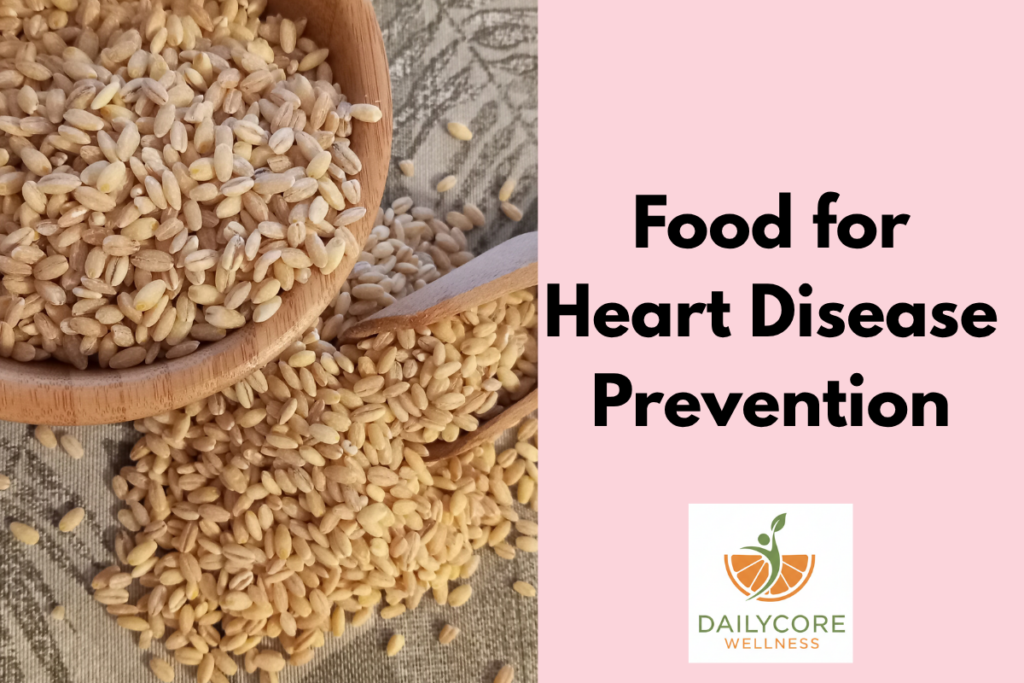
Barley is high in soluble fiber and beta-glucans, which lower LDL cholesterol and improve heart health. Its fiber slows the absorption of cholesterol and reduces plaque formation in arteries. Barley can be used in soups, stews, salads, or as a side dish. Regular consumption supports blood sugar regulation, promotes satiety, and provides essential nutrients such as selenium and B vitamins. Incorporating barley consistently contributes to long-term cardiovascular protection and effective cholesterol management.
3. Beans
Beans, including black beans, kidney beans, and chickpeas, are packed with soluble fiber and plant-based protein. Soluble fiber binds cholesterol in the intestines, promoting its excretion and lowering LDL levels. Beans are versatile and can be added to soups, salads, stews, or pureed into dips. Regular consumption improves lipid profiles, supports weight management, and contributes to overall vascular health. Including beans in a balanced diet is an evidence-based strategy for cholesterol reduction and heart disease prevention.
4. Lentils
Lentils are rich in soluble fiber, folate, and protein, which help reduce LDL cholesterol and improve endothelial function. Their low glycemic index stabilizes blood sugar, supporting metabolic and heart health. Lentils can be incorporated into soups, salads, or main dishes. Regular consumption helps manage cholesterol, reduces inflammation, and contributes to vascular repair, making them an essential component of a heart-healthy, cholesterol-lowering diet.
5. Apples
Apples are high in soluble fiber, particularly pectin, which binds cholesterol for removal. They also contain polyphenols that reduce oxidative stress and inflammation, supporting heart health. Apples can be eaten raw, added to oatmeal, or used in baking. Regular consumption improves lipid profiles, enhances vascular function, and supports long-term cholesterol management. Their natural sweetness also provides a healthier alternative to processed sugary snacks, reinforcing adherence to a heart-healthy diet.
6. Citrus Fruits (Oranges, Grapefruits, Lemons)
Citrus fruits are rich in vitamin C, flavonoids, and soluble fiber, all of which help lower LDL cholesterol and reduce arterial inflammation. Potassium content supports blood pressure regulation, while antioxidants protect arteries from oxidative damage. Citrus fruits can be eaten fresh, juiced without added sugar, or added to salads. Regular intake strengthens blood vessels, improves circulation, and reduces cardiovascular risk, making citrus a powerful food for cholesterol management.
7. Avocado
Avocados are high in monounsaturated fats, which help lower LDL cholesterol and raise HDL cholesterol. They also provide potassium and antioxidants that support blood pressure regulation and reduce arterial inflammation. Avocados can be added to salads, sandwiches, or smoothies. Their nutrient density promotes satiety, aiding weight management, and their consistent inclusion in meals contributes to long-term cholesterol reduction and cardiovascular protection.
8. Almonds
Almonds contain monounsaturated fats, fiber, and vitamin E, which help reduce LDL cholesterol and improve heart health. Regular consumption supports vascular function and reduces inflammation. Almonds can be consumed as snacks, incorporated into salads, or added to breakfast meals. Their nutrient profile promotes satiety, aiding weight management, and contributes to effective cholesterol-lowering dietary strategies.
9. Walnuts
Walnuts are rich in omega-3 fatty acids, fiber, and antioxidants. These nutrients reduce LDL cholesterol, lower triglycerides, and protect arteries from oxidative stress. Walnuts can be eaten as a snack, added to oatmeal, salads, or baked goods. Regular inclusion enhances endothelial function, improves lipid profiles, and supports long-term heart health, making walnuts a key component of a cholesterol-lowering diet.
10. Fatty Fish (Salmon, Mackerel, Sardines)
Fatty fish are rich in EPA and DHA, omega-3 fatty acids that lower triglycerides, reduce inflammation, and improve HDL cholesterol. Regular consumption supports arterial flexibility, reduces plaque buildup, and stabilizes heart rhythm. Fatty fish can be grilled, baked, or added to salads. Including two servings per week is recommended for optimal cholesterol management and overall cardiovascular protection.
11. Flaxseeds
Flaxseeds are rich in soluble fiber and alpha-linolenic acid (ALA), a plant-based omega-3 fatty acid. Soluble fiber binds LDL cholesterol in the intestines, promoting its excretion and lowering blood levels. ALA reduces inflammation, improves arterial function, and supports cardiovascular health. Flaxseeds also contain lignans, which act as antioxidants to protect blood vessels from oxidative damage. They can be ground and added to oatmeal, smoothies, yogurt, or baked goods to enhance nutrient absorption. Consistent consumption of flaxseeds helps improve lipid profiles, supports vascular repair, and complements other cholesterol-lowering foods in a balanced, heart-healthy diet.
12. Chia Seeds
Chia seeds provide omega-3 fatty acids, fiber, and antioxidants, making them effective for reducing LDL cholesterol and improving heart health. Soluble fiber slows digestion, stabilizes blood sugar, and binds cholesterol for removal. Omega-3s reduce inflammation, enhance endothelial function, and lower triglycerides. Chia seeds can be added to smoothies, oatmeal, yogurt, puddings, or baked into bread. Regular inclusion helps maintain a healthy lipid profile, improves arterial flexibility, and supports overall cardiovascular wellness. Their nutrient density makes them a practical addition to a heart-healthy, cholesterol-lowering diet.
13. Soy Products (Tofu, Edamame)
Soy contains plant-based protein and isoflavones, which have been shown to reduce LDL cholesterol and improve arterial health. Isoflavones mimic estrogen, enhancing endothelial function and reducing inflammation, particularly in postmenopausal women. Soy protein can be incorporated into meals through tofu, tempeh, soy milk, or edamame. Regular consumption helps improve lipid profiles, lower blood pressure, and support long-term cardiovascular protection. Including soy as part of a balanced diet provides a plant-based strategy for effective cholesterol management.
14. Barley
Barley is rich in soluble fiber, particularly beta-glucan, which binds cholesterol and reduces LDL levels. Its fiber content slows glucose absorption, stabilizes blood sugar, and supports weight management. Barley can be added to soups, stews, salads, or used as a side dish. Regular consumption reduces arterial plaque formation, improves endothelial function, and lowers cardiovascular risk. Additionally, barley provides vitamins and minerals such as magnesium, selenium, and B vitamins, which support vascular and overall heart health. Incorporating barley into the diet consistently is an evidence-based strategy for cholesterol-lowering and long-term cardiovascular wellness.
15. Okra
Okra is a vegetable high in soluble fiber, which helps reduce LDL cholesterol and improve heart health. Its mucilaginous fiber binds cholesterol in the gut, aiding in excretion. Okra also contains antioxidants, vitamin C, and magnesium that protect blood vessels and regulate blood pressure. It can be steamed, stir-fried, added to soups, or roasted as a side dish. Regular consumption of okra supports lipid management, reduces inflammation, and enhances endothelial function. Including okra in a balanced diet contributes to effective cholesterol-lowering and supports long-term cardiovascular protection.
16. Spinach
Spinach is a dark leafy green packed with fiber, potassium, magnesium, and antioxidants, all of which support heart health. Soluble fiber helps lower LDL cholesterol, while potassium and magnesium regulate blood pressure. Spinach contains lutein and other phytonutrients that reduce arterial inflammation and oxidative stress. It can be eaten raw in salads, sautéed, or added to smoothies. Regular consumption promotes endothelial function, supports vascular repair, and contributes to long-term cholesterol management. Including spinach in meals consistently strengthens cardiovascular health and complements other heart-healthy, cholesterol-lowering foods.
17. Broccoli
Broccoli provides fiber, vitamins, minerals, and antioxidants that support cholesterol management and vascular health. Soluble fiber binds LDL cholesterol, while sulforaphane and other phytonutrients reduce oxidative stress and inflammation in arteries. Broccoli can be steamed, roasted, or added to stir-fries and salads. Regular consumption improves endothelial function, lowers LDL levels, and reduces cardiovascular risk. Including broccoli as a staple vegetable ensures consistent intake of nutrients essential for cholesterol-lowering, arterial protection, and long-term heart disease prevention.
18. Berries (Blueberries, Strawberries, Raspberries)
Berries are rich in soluble fiber, polyphenols, and antioxidants that help lower LDL cholesterol and reduce oxidative stress. They improve endothelial function, protect arteries, and reduce inflammation, all contributing to cardiovascular health. Berries can be eaten fresh, added to oatmeal, smoothies, or yogurt. Regular consumption helps regulate lipid profiles, enhances vascular repair, and supports overall heart health. Their natural sweetness also makes them an excellent alternative to processed sugary snacks, helping maintain a cholesterol-lowering, heart-friendly diet.
19. Tomatoes
Tomatoes contain lycopene, fiber, potassium, and antioxidants that support cholesterol management and heart health. Lycopene reduces LDL oxidation, which prevents arterial plaque buildup. Fiber binds cholesterol, aiding in excretion, while potassium helps regulate blood pressure. Tomatoes can be eaten raw, roasted, or blended into sauces, soups, and salads. Regular inclusion improves vascular function, reduces oxidative stress, and lowers cardiovascular risk. Incorporating tomatoes consistently complements other cholesterol-lowering foods and strengthens a heart-healthy diet.
20. Olive Oil
Olive oil is rich in monounsaturated fats and polyphenols that reduce LDL cholesterol, lower inflammation, and support vascular health. Using olive oil as a primary cooking oil or salad dressing improves lipid profiles, enhances endothelial function, and provides antioxidants that protect arteries. Regular inclusion supports cholesterol-lowering goals, reduces plaque formation, and promotes long-term cardiovascular wellness. Incorporating olive oil in place of saturated or trans fats is a simple, effective strategy for maintaining heart health and preventing heart disease.
21. Green Tea
Green tea contains catechins and polyphenols that reduce LDL cholesterol and improve HDL levels. These antioxidants protect blood vessels from oxidative stress, reduce inflammation, and enhance endothelial function. Drinking 1–3 cups daily supports arterial health, lowers triglycerides, and contributes to long-term cardiovascular protection. Green tea can be consumed hot or cold and is a healthy alternative to sugary beverages. Regular inclusion in a cholesterol-lowering diet complements fiber-rich foods and healthy fats, providing a comprehensive approach to heart disease prevention while improving overall vascular function and supporting metabolic health.
22. Dark Chocolate
Dark chocolate with at least 70% cocoa is rich in flavonoids and antioxidants that reduce LDL oxidation and improve endothelial function. Flavonoids enhance nitric oxide production, which relaxes blood vessels and improves circulation. Consumed in moderation, dark chocolate can lower blood pressure, reduce inflammation, and improve lipid profiles. It can be eaten as small squares or incorporated into desserts. Regular inclusion supports cardiovascular health, protects arteries from oxidative damage, and complements other nutrient-dense, cholesterol-lowering foods in a balanced diet.
23. Edamame
Edamame, young green soybeans, are rich in plant protein, fiber, and isoflavones. Soluble fiber helps reduce LDL cholesterol, while isoflavones improve arterial flexibility and reduce inflammation. Edamame can be steamed, added to salads, or served as a snack. Regular consumption supports lipid management, enhances endothelial function, and contributes to overall heart health. Including edamame as part of a plant-based diet is an effective evidence-based strategy for lowering cholesterol and maintaining cardiovascular wellness.
24. Artichokes
Artichokes are high in soluble fiber and antioxidants, which help lower LDL cholesterol and protect arteries. Fiber binds cholesterol in the gut for excretion, while antioxidants reduce oxidative stress and inflammation. Artichokes can be steamed, grilled, roasted, or added to salads and dips. Regular consumption improves lipid profiles, supports vascular repair, and contributes to long-term heart health. Including artichokes in a cholesterol-lowering diet adds variety while providing essential nutrients that protect the cardiovascular system.
25. Pistachios
Pistachios provide monounsaturated fats, fiber, and antioxidants that help reduce LDL cholesterol and inflammation. Regular intake improves HDL cholesterol, supports endothelial function, and stabilizes blood sugar. They are ideal as snacks, added to salads, or incorporated into breakfast meals. Consistent consumption contributes to heart disease prevention, plaque reduction, and overall cardiovascular wellness, making pistachios a valuable component of a cholesterol-lowering dietary plan.
26. Walnuts
Walnuts are rich in omega-3 fatty acids, fiber, and polyphenols. These nutrients reduce LDL cholesterol, lower triglycerides, and protect arteries from oxidative stress. Walnuts can be eaten as snacks, added to oatmeal, salads, or baked goods. Regular inclusion enhances endothelial function, improves lipid profiles, and supports long-term heart health. Their nutrient-dense composition makes them a key cholesterol-lowering food in a heart-healthy diet.
27. Soy Milk
Soy milk is a plant-based source of protein and isoflavones that reduce LDL cholesterol and support vascular health. Isoflavones improve endothelial function and reduce inflammation, particularly in postmenopausal women. Soy milk can replace dairy milk in smoothies, cereals, or coffee. Regular consumption supports cholesterol management, improves lipid profiles, and contributes to long-term cardiovascular protection when integrated into a balanced diet.
28. Kidney Beans
Kidney beans are high in soluble fiber and plant protein, which help lower LDL cholesterol and maintain healthy blood sugar levels. Fiber binds cholesterol in the intestines for removal, reducing plaque buildup. Kidney beans can be added to soups, stews, salads, or side dishes. Regular inclusion supports vascular health, aids weight management, and contributes to long-term cholesterol-lowering and heart disease prevention.
29. Brussels Sprouts
30. Barley
Barley is rich in soluble fiber, particularly beta-glucan, which binds LDL cholesterol and promotes its excretion. Its fiber slows glucose absorption, stabilizes blood sugar, and supports weight management. Barley can be used in soups, salads, or as a side dish. Regular consumption reduces plaque formation, improves endothelial function, and lowers cardiovascular risk, making it an effective cholesterol-lowering food.
31. Flaxseed Oil
Flaxseed oil contains alpha-linolenic acid (ALA), a plant-based omega-3 fatty acid that reduces LDL cholesterol and inflammation. It supports arterial flexibility, improves endothelial function, and lowers triglycerides. Flaxseed oil can be used in salad dressings, smoothies, or drizzled over vegetables. Regular consumption enhances lipid profiles, contributes to vascular repair, and complements other nutrient-dense foods in a cholesterol-lowering diet.
32. Green Peas
Green peas are high in soluble fiber, which helps bind cholesterol for removal from the body. They are also rich in vitamins, minerals, and antioxidants that protect blood vessels from oxidative stress. Peas can be added to soups, stews, salads, or side dishes. Regular consumption improves lipid profiles, supports endothelial function, and contributes to long-term cardiovascular health, making them an effective food for cholesterol management.
33. Pumpkin Seeds
Pumpkin seeds contain healthy fats, fiber, magnesium, and antioxidants that support cholesterol reduction. They lower LDL cholesterol, improve HDL cholesterol, and reduce inflammation in arteries. Pumpkin seeds can be eaten as snacks, added to salads, oatmeal, or smoothies. Regular inclusion promotes vascular health, supports endothelial repair, and enhances overall heart disease prevention, making them a valuable cholesterol-lowering food.
34. Carrots
Carrots are rich in soluble fiber, antioxidants, and beta-carotene. Fiber binds cholesterol in the intestines, reducing LDL levels, while antioxidants protect arteries from oxidative damage. Carrots can be eaten raw, roasted, or added to soups and salads. Regular consumption supports vascular health, improves lipid profiles, and contributes to long-term cholesterol-lowering and heart disease prevention.
35. Eggplant
Eggplant contains soluble fiber, antioxidants, and phytonutrients that help reduce LDL cholesterol and improve heart health. Fiber binds cholesterol for excretion, while antioxidants protect arteries from oxidative stress and inflammation. Eggplant can be roasted, grilled, or added to stews and stir-fries. Regular consumption enhances endothelial function, reduces plaque formation, and supports long-term cardiovascular wellness, making it an effective food for cholesterol management.
Conclusion
Adopting a diet rich in cholesterol-lowering foods is a highly effective strategy for supporting cardiovascular health. Incorporating soluble fiber, healthy fats, plant-based proteins, and antioxidant-rich fruits and vegetables helps reduce LDL cholesterol, improve HDL levels, and protect blood vessels from oxidative stress. Consistently including foods like oats, beans, fatty fish, nuts, and leafy greens promotes long-term heart disease prevention.
Consistency is essential when managing cholesterol through diet. Small, sustainable changes, such as replacing saturated fats with olive oil, adding legumes and whole grains, and snacking on nuts or seeds, yield significant long-term benefits. These habits support lipid balance, reduce arterial plaque, and improve overall vascular function over time.
A holistic approach combines cholesterol-lowering foods with regular physical activity, adequate hydration, stress management, and sufficient sleep. Together, these lifestyle measures enhance endothelial function, reduce inflammation, and maintain healthy blood pressure, creating a comprehensive strategy for cardiovascular wellness.
Ultimately, focusing on nutrient-dense, whole foods empowers individuals to take control of their heart health. Prioritizing evidence-based dietary choices helps lower cholesterol naturally, reduces the risk of heart disease, and supports long-term wellness, making it a practical and sustainable approach to achieving optimal cardiovascular function.