Cancer-fighting foods have gained significant attention in recent years due to their potential role in reducing cancer risk and supporting overall health. These foods are rich in essential nutrients, antioxidants, and bioactive compounds that help protect cells from damage. As lifestyle and dietary habits are closely linked to chronic diseases, including cancer, incorporating cancer-fighting foods into daily meals has become an important preventive strategy supported by growing scientific evidence.
The importance of cancer-fighting foods lies in their ability to combat oxidative stress and inflammation, two major contributors to cancer development. Many of these foods contain compounds that help neutralize harmful free radicals, regulate cellular processes, and support immune function. By consistently consuming these foods, individuals may strengthen their body’s natural defense systems and create an internal environment less conducive to disease progression.
In addition to prevention, cancer-fighting foods can also play a supportive role during treatment and recovery. Proper nutrition helps maintain strength, improve energy levels, and support the body’s ability to repair damaged tissues. While these foods are not a cure, they contribute significantly to overall wellness and may enhance the effectiveness of conventional medical treatments when used as part of a balanced diet.
How the Right Foods Support Health
Cancer-fighting foods influence the body at a cellular level by reducing oxidative damage and supporting normal cell function. Many plant-based foods are rich in antioxidants such as flavonoids, carotenoids, and polyphenols, which help neutralize free radicals. Free radicals are unstable molecules that can damage DNA and contribute to the development of cancer. By minimizing this damage, these foods play a critical role in maintaining cellular integrity and preventing mutations.
Another important function of cancer-fighting foods is their ability to regulate inflammation. Chronic inflammation has been linked to several types of cancer, as it can promote tumor growth and weaken immune defenses. Foods such as leafy greens, berries, and fatty fish contain anti-inflammatory compounds that help modulate the body’s inflammatory response. Consistent consumption of these foods may reduce long-term inflammation and support a healthier internal environment.
Cancer-fighting foods also contribute to improved metabolic health, including better blood sugar regulation. High blood sugar and insulin resistance have been associated with an increased risk of certain cancers. Whole foods rich in fiber, such as legumes, vegetables, and whole grains, help stabilize blood glucose levels by slowing digestion and improving insulin sensitivity. This metabolic balance is essential for reducing stress on the body and lowering disease risk.
Additionally, these foods support the immune system, which plays a crucial role in identifying and eliminating abnormal cells. Nutrients such as vitamins A, C, and E, along with zinc and selenium, enhance immune function and help the body respond effectively to potential threats. A strong immune system is essential for early detection and prevention of cancerous growths, making nutrition a key component of long-term health maintenance.
Key Nutrients That Support Health
A wide range of nutrients found in cancer-fighting foods contributes to their protective effects. Antioxidants are among the most important, as they help prevent oxidative stress by neutralizing free radicals. Common antioxidants include vitamin C, vitamin E, and beta-carotene. These compounds are widely found in fruits and vegetables and are essential for protecting cellular structures and maintaining overall health.
Phytochemicals are another critical group of compounds found in plant-based cancer-fighting foods. These naturally occurring substances, such as sulforaphane, lycopene, and flavonoids, have been shown to influence various biological processes. They may help detoxify harmful substances, regulate hormone levels, and inhibit the growth of cancer cells. Their presence in whole foods makes them an essential part of a preventive diet.
Dietary fiber plays a significant role in digestive health and cancer prevention, particularly in reducing the risk of colorectal cancer. Fiber supports healthy gut bacteria, improves digestion, and helps eliminate toxins from the body. It also contributes to better blood sugar control and weight management, both of which are important factors in reducing cancer risk.
Healthy fats, especially omega-3 fatty acids, are also essential components of cancer-fighting foods. These fats help reduce inflammation, support brain health, and improve cardiovascular function. Found in foods such as fatty fish, nuts, and seeds, omega-3s contribute to a balanced diet that supports overall wellness. Together, these nutrients create a comprehensive defense system that promotes long-term health and resilience.
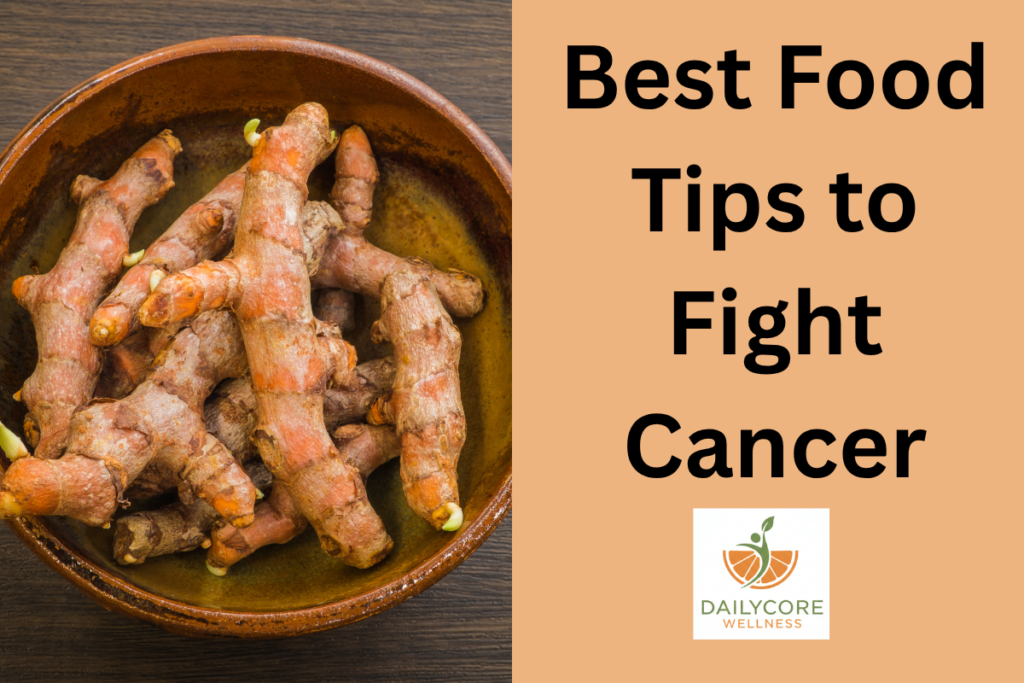
29 Best Foods Tips to Fight Cancer
1. Broccoli
Broccoli is one of the most well-researched cancer-fighting foods due to its high concentration of sulforaphane, a powerful phytochemical known for its anti-cancer properties. Sulforaphane supports the body’s natural detoxification processes and helps eliminate carcinogens before they can cause harm. Additionally, broccoli is rich in vitamin C, fiber, and antioxidants, which contribute to immune function and cellular protection.
The effectiveness of broccoli lies in its ability to activate enzymes that neutralize harmful compounds. It also plays a role in reducing inflammation and supporting hormonal balance, which is particularly important in hormone-related cancers. Regular consumption of cruciferous vegetables like broccoli has been associated with a lower risk of certain cancers, including breast and prostate cancer.
Incorporating broccoli into daily meals is simple and versatile. It can be steamed, roasted, or added to stir-fries, soups, and salads. Light cooking is recommended to preserve its beneficial compounds. Consuming broccoli several times a week can significantly enhance the intake of cancer-fighting nutrients.
2. Blueberries
Blueberries are rich in antioxidants, particularly anthocyanins, which give them their deep blue color. These compounds are known for their ability to protect cells from oxidative damage and reduce inflammation. As cancer-fighting foods, blueberries help strengthen the body’s defense system and support overall cellular health.
The high antioxidant content in blueberries helps combat free radicals, which are a major contributor to cancer development. Additionally, they may improve immune function and reduce DNA damage. Their natural compounds have also been studied for their potential to inhibit tumor growth and promote healthy cell function.
Blueberries are easy to incorporate into a balanced diet. They can be consumed fresh, frozen, or added to smoothies, oatmeal, yogurt, and salads. Including a serving of blueberries in daily meals provides a convenient and effective way to boost antioxidant intake and support long-term health.
3. Garlic
Garlic has been used for centuries for its medicinal properties, and modern research supports its role as a powerful cancer-fighting food. It contains sulfur compounds such as allicin, which have been shown to enhance immune function and reduce inflammation. These compounds also support the body’s ability to detoxify harmful substances.
Garlic is particularly effective in reducing the risk of gastrointestinal cancers. Its bioactive compounds help inhibit the growth of cancer cells and may prevent the formation of carcinogens during digestion. Additionally, garlic supports cardiovascular health, which contributes to overall well-being.
To maximize its benefits, garlic should be crushed or chopped and allowed to sit for a few minutes before cooking. This process activates its beneficial compounds. Garlic can be added to a wide variety of dishes, including soups, sauces, and vegetables, making it an easy addition to a cancer-fighting diet.
4. Spinach
Spinach is a nutrient-dense leafy green that provides a wide range of vitamins, minerals, and antioxidants. It is particularly rich in folate, vitamin C, and beta-carotene, all of which contribute to its role as a cancer-fighting food. These nutrients help protect cells from damage and support immune function.
The effectiveness of spinach lies in its ability to reduce oxidative stress and inflammation. It also supports healthy cell division and DNA repair, which are essential processes in preventing cancer development. Regular consumption of leafy greens like spinach has been linked to a reduced risk of several chronic diseases.
Spinach can be easily incorporated into meals by adding it to salads, smoothies, omelets, and soups. It can be consumed raw or lightly cooked to preserve its nutrient content. Including spinach in daily meals is a simple way to enhance nutrient intake and support overall health.
5. Salmon
Salmon is an excellent source of omega-3 fatty acids, which play a crucial role in reducing inflammation and supporting overall health. As a cancer-fighting food, salmon helps regulate immune function and may reduce the risk of certain cancers, particularly those linked to chronic inflammation.
Omega-3 fatty acids found in salmon help inhibit the growth of cancer cells and promote healthy cell function. Additionally, salmon provides high-quality protein and essential nutrients such as vitamin D and selenium, which further support immune health and cellular protection.
Incorporating salmon into the diet can be done through grilling, baking, or steaming. It is recommended to consume fatty fish like salmon at least twice a week to maximize its health benefits. Choosing wild-caught options may provide higher nutrient levels and fewer contaminants.
6. Turmeric
Turmeric is a spice known for its active compound, curcumin, which has strong anti-inflammatory and antioxidant properties. As one of the most potent cancer-fighting foods, turmeric helps reduce inflammation and may inhibit cancer cell growth.
Curcumin has been studied extensively for its ability to interfere with cancer cell signaling pathways. It may also enhance the effectiveness of certain treatments and support the body’s natural defense mechanisms. Its anti-inflammatory effects make it particularly beneficial for long-term health.
Turmeric can be added to a variety of dishes, including soups, curries, and teas. Combining it with black pepper enhances curcumin absorption. Regular use of turmeric in cooking can provide consistent health benefits and support a balanced diet.
7. Tomatoes
Tomatoes are rich in lycopene, a powerful antioxidant that has been linked to a reduced risk of certain cancers, particularly prostate cancer. Lycopene helps protect cells from damage and supports overall cellular health, making tomatoes an essential cancer-fighting food.
The effectiveness of tomatoes increases when they are cooked, as heat enhances the bioavailability of lycopene. This makes tomato-based products such as sauces and soups particularly beneficial. Tomatoes also provide vitamin C and potassium, which support immune function and overall health.
Incorporating tomatoes into daily meals is easy, as they can be used in salads, sauces, and a variety of dishes. Regular consumption of tomatoes can contribute to a nutrient-rich diet that supports long-term wellness.
8. Green Tea
Green tea is widely recognized for its high content of catechins, a type of antioxidant that supports cellular health. As a cancer-fighting food, green tea helps reduce oxidative stress and may inhibit cancer cell growth.
Catechins in green tea have been shown to improve immune function and reduce inflammation. They may also support metabolic health and contribute to weight management, which is an important factor in reducing cancer risk. Regular consumption of green tea has been associated with numerous health benefits.
Green tea can be consumed daily as a beverage, either hot or cold. Replacing sugary drinks with green tea is a simple and effective way to improve overall health and increase antioxidant intake.
9. Walnuts
Walnuts are rich in healthy fats, antioxidants, and plant-based omega-3 fatty acids. These nutrients contribute to their role as cancer-fighting foods by reducing inflammation and supporting cellular health.
Walnuts contain compounds that may help slow the growth of cancer cells and support overall immune function. They also provide fiber and essential nutrients that contribute to heart health and metabolic balance.
Incorporating walnuts into the diet can be done by adding them to salads, oatmeal, or snacks. A small daily serving can provide significant health benefits and support a balanced diet.
10. Carrots
Carrots are an excellent source of beta-carotene, an antioxidant that the body converts into vitamin A. This nutrient plays a key role in maintaining healthy cells and supporting immune function, making carrots valuable cancer-fighting foods.
Beta-carotene helps protect cells from oxidative damage and supports proper cell growth and differentiation. Carrots have also been associated with a reduced risk of certain cancers, particularly lung cancer.
Carrots can be consumed raw, cooked, or juiced, making them a versatile addition to meals. Including carrots in daily snacks or dishes is an easy way to increase nutrient intake and support overall health.
11. Avocados
Avocados are nutrient-dense fruits rich in healthy monounsaturated fats, fiber, and a variety of vitamins, including vitamin E and folate. As cancer-fighting foods, they contribute to reducing inflammation and protecting cells from oxidative stress. The presence of antioxidants such as lutein and glutathione further enhances their ability to neutralize harmful free radicals that may contribute to cancer development.
The effectiveness of avocados lies in their combination of healthy fats and bioactive compounds that support nutrient absorption and cellular repair. These fats also help regulate hormone levels and improve heart health, both of which are important in reducing long-term disease risk. Additionally, their fiber content supports digestive health and helps eliminate toxins from the body.
Avocados can be easily incorporated into daily meals by adding them to salads, smoothies, sandwiches, or as a spread. Regular consumption supports a balanced diet and enhances the intake of cancer-fighting nutrients.
12. Sweet Potatoes
Sweet potatoes are rich in beta-carotene, fiber, and essential vitamins, making them powerful cancer-fighting foods. Beta-carotene acts as an antioxidant that helps protect cells from damage and supports immune function. The vibrant orange color of sweet potatoes is a strong indicator of their high antioxidant content.
These root vegetables are effective in supporting overall health due to their ability to reduce oxidative stress and promote healthy cell growth. Their fiber content also aids digestion and helps maintain stable blood sugar levels, which is important for metabolic health and cancer prevention. Additionally, sweet potatoes provide vitamin C and potassium, contributing to overall wellness.
Sweet potatoes can be baked, boiled, or roasted and used in a variety of dishes. Incorporating them into meals regularly provides a nutritious and satisfying way to support long-term health.
13. Flaxseeds
Flaxseeds are small but highly nutritious seeds that are rich in omega-3 fatty acids, lignans, and fiber. As cancer-fighting foods, they are particularly known for their potential to reduce the risk of hormone-related cancers due to their lignan content, which may help balance estrogen levels.
The effectiveness of flaxseeds comes from their anti-inflammatory properties and their ability to support digestive health. They promote a healthy gut microbiome, which plays a critical role in immune function and toxin elimination. Additionally, their fiber content helps regulate blood sugar and cholesterol levels.
To incorporate flaxseeds into daily meals, they can be ground and added to smoothies, oatmeal, yogurt, or baked goods. Consuming them regularly can enhance overall nutrient intake and support cancer prevention strategies.
14. Mushrooms
Mushrooms are unique cancer-fighting foods due to their content of beta-glucans and other bioactive compounds that support immune function. Certain varieties, such as shiitake and maitake, have been studied for their potential to enhance the body’s ability to fight abnormal cell growth.
These compounds help stimulate immune cells and improve the body’s natural defense mechanisms. Mushrooms also contain antioxidants that reduce inflammation and protect cells from damage. Their low-calorie and high-nutrient profile makes them an excellent addition to a healthy diet.
Mushrooms can be incorporated into meals by adding them to soups, stir-fries, salads, or as a meat substitute in various dishes. Including a variety of mushrooms in the diet can provide diverse health benefits and support overall wellness.
15. Pomegranates
Pomegranates are rich in polyphenols and antioxidants, particularly punicalagins, which contribute to their strong cancer-fighting properties. These compounds help reduce oxidative stress and may inhibit the growth of cancer cells.
The effectiveness of pomegranates lies in their ability to support cardiovascular health and reduce inflammation. Their antioxidants help protect DNA from damage and improve overall cellular function. Regular consumption has been associated with a reduced risk of certain cancers.
Pomegranates can be consumed fresh, as juice, or added to salads and yogurt. Incorporating them into daily meals provides a flavorful and nutrient-rich way to support long-term health.
16. Kale
Kale is a leafy green vegetable packed with vitamins A, C, and K, along with powerful antioxidants. As one of the most nutrient-dense cancer-fighting foods, kale supports detoxification processes and helps protect cells from oxidative damage.
Its effectiveness is linked to its high concentration of glucosinolates, which are compounds that may help prevent cancer by supporting the body’s detox pathways. Kale also supports immune health and reduces inflammation, contributing to overall disease prevention.
Kale can be added to salads, smoothies, soups, or sautéed as a side dish. Regular consumption provides a wide range of nutrients that support long-term wellness.
17. Ginger
Ginger is widely known for its anti-inflammatory and antioxidant properties, making it a valuable cancer-fighting food. It contains bioactive compounds such as gingerol, which may help reduce inflammation and inhibit cancer cell growth.
The effectiveness of ginger lies in its ability to support digestion, reduce nausea, and enhance immune function. It also helps combat oxidative stress and may play a role in reducing the risk of certain cancers.
Ginger can be incorporated into daily life through teas, smoothies, or as a spice in cooking. Regular use adds both flavor and health benefits to meals.
18. Whole Grains
Whole grains such as brown rice, oats, and quinoa are rich in fiber, vitamins, and minerals. As cancer-fighting foods, they support digestive health and help reduce the risk of colorectal cancer.
Their high fiber content promotes healthy gut bacteria and aids in the elimination of toxins. Whole grains also help regulate blood sugar levels and support metabolic health, which is essential for reducing cancer risk.
Incorporating whole grains into daily meals can be done by replacing refined grains with whole-grain options. This simple change can significantly improve overall health and nutrient intake.
19. Citrus Fruits
Citrus fruits such as oranges, lemons, and grapefruits are rich in vitamin C and flavonoids. These nutrients make them effective cancer-fighting foods by supporting immune function and protecting cells from oxidative damage.
The antioxidants in citrus fruits help neutralize free radicals and reduce inflammation. They also support collagen production and overall cellular health.
Citrus fruits can be consumed fresh, juiced, or added to meals and beverages. Including them in daily diets provides a refreshing and beneficial boost to health.
20. Dark Chocolate (High Cocoa Content)
Dark chocolate with high cocoa content is rich in flavonoids, which have strong antioxidant properties. As a cancer-fighting food, it helps reduce oxidative stress and supports cardiovascular health.
The effectiveness of dark chocolate lies in its ability to improve blood flow and reduce inflammation. It also contains compounds that may help protect cells from damage.
Consuming dark chocolate in moderation can be a healthy addition to the diet. Choosing options with at least 70% cocoa ensures higher antioxidant content and greater health benefits.
21. Beans and Legumes
Beans and legumes, including lentils, chickpeas, and black beans, are excellent cancer-fighting foods due to their high fiber, protein, and antioxidant content. They play a significant role in supporting digestive health and reducing the risk of colorectal cancer. Their rich nutrient profile helps regulate blood sugar levels and supports overall metabolic balance.
The effectiveness of beans and legumes lies in their fiber content, which promotes healthy gut bacteria and aids in the elimination of toxins from the body. They also contain phytochemicals that may help inhibit the growth of cancer cells and reduce inflammation. Additionally, their low glycemic index helps prevent insulin spikes, which is important for long-term health.
Incorporating beans and legumes into daily meals is simple, as they can be added to soups, salads, stews, or used as a protein substitute in various dishes. Regular consumption supports a balanced and nutrient-rich diet.
22. Apples
Apples are widely available fruits that contain a variety of antioxidants, including quercetin, which contributes to their role as cancer-fighting foods. These compounds help protect cells from oxidative damage and support immune function. Apples also provide dietary fiber, which is essential for digestive health.
The effectiveness of apples comes from their ability to reduce inflammation and support detoxification processes. The fiber in apples helps maintain a healthy gut environment and aids in the removal of harmful substances from the body. Regular consumption has been associated with a lower risk of certain chronic diseases.
Apples can be consumed fresh, sliced into salads, or added to smoothies and baked dishes. Eating whole apples with the skin provides the maximum nutritional benefit.
23. Red Grapes
Red grapes are rich in resveratrol, a powerful antioxidant known for its cancer-fighting properties. This compound helps protect cells from damage and may inhibit the growth of cancer cells. Red grapes also support cardiovascular health and reduce inflammation.
The effectiveness of red grapes lies in their ability to improve blood circulation and enhance cellular function. Resveratrol has been studied for its potential to regulate gene expression and support healthy aging. These benefits make red grapes a valuable addition to a preventive diet.
Red grapes can be consumed fresh as a snack or added to salads and desserts. Including them regularly in the diet provides a natural and enjoyable way to increase antioxidant intake.
24. Onions
Onions are rich in sulfur compounds and flavonoids, particularly quercetin, which contribute to their role as cancer-fighting foods. These compounds help reduce inflammation and support the body’s natural detoxification processes.
The effectiveness of onions lies in their ability to inhibit the growth of cancer cells and improve immune function. They also support cardiovascular health and may help regulate blood sugar levels. Their antioxidant properties help protect cells from oxidative stress.
Onions can be used in a wide variety of dishes, including soups, stews, salads, and stir-fries. Incorporating them into daily cooking enhances both flavor and nutritional value.
25. Chia Seeds
Chia seeds are small but highly nutritious, offering a rich source of omega-3 fatty acids, fiber, and antioxidants. As cancer-fighting foods, they help reduce inflammation and support digestive health.
The effectiveness of chia seeds comes from their ability to promote a healthy gut microbiome and stabilize blood sugar levels. Their high fiber content aids in toxin elimination and supports overall metabolic health. Additionally, their antioxidants help protect cells from damage.
Chia seeds can be easily added to smoothies, yogurt, oatmeal, or used to make chia pudding. Including them in daily meals is a simple way to boost nutrient intake.
26. Bell Peppers
Bell peppers, especially red varieties, are rich in vitamin C, carotenoids, and antioxidants. These nutrients make them effective cancer-fighting foods by supporting immune function and protecting cells from oxidative damage.
The effectiveness of bell peppers lies in their ability to reduce inflammation and support healthy skin and tissue repair. Their high vitamin C content enhances the body’s ability to fight infections and maintain cellular health.
Bell peppers can be eaten raw, roasted, or added to salads, stir-fries, and various dishes. Including them regularly in meals provides a colorful and nutritious boost to the diet.
27. Seaweed
Seaweed is a nutrient-rich food that contains iodine, antioxidants, and unique bioactive compounds. As cancer-fighting foods, certain types of seaweed have been studied for their potential to inhibit cancer cell growth and support immune function.
The effectiveness of seaweed lies in its ability to support thyroid health and provide anti-inflammatory benefits. Its compounds may help detoxify the body and protect cells from damage. Additionally, seaweed is low in calories and high in essential nutrients.
Seaweed can be incorporated into the diet through soups, salads, or as snacks such as dried seaweed sheets. Including it occasionally can add variety and nutritional value to meals.
28. Yogurt (Probiotic-Rich)
Yogurt, particularly that contains live and active cultures, is beneficial for gut health and plays a role as a cancer-fighting food. Probiotics support a healthy microbiome, which is essential for immune function and digestion.
The effectiveness of yogurt lies in its ability to balance gut bacteria and reduce inflammation. A healthy gut environment helps the body eliminate toxins and supports overall immune response. These factors contribute to reduced cancer risk, especially in the digestive system.
Yogurt can be consumed on its own or added to smoothies, fruits, and meals. Choosing unsweetened varieties with live cultures ensures maximum health benefits.
29. Olive Oil (Extra Virgin)
Extra virgin olive oil is a staple of healthy diets and is rich in monounsaturated fats and antioxidants. As a cancer-fighting food, it helps reduce inflammation and supports cardiovascular health.
The effectiveness of olive oil comes from its polyphenols, which protect cells from oxidative damage and may inhibit cancer cell growth. It also supports healthy cholesterol levels and overall metabolic function.
Olive oil can be used in cooking, salad dressings, or as a finishing oil for dishes. Using it regularly as a primary fat source can significantly improve dietary quality and support long-term health.
Conclusion
Cancer-fighting foods play a vital role in promoting long-term health and reducing the risk of chronic diseases. By incorporating nutrient-rich foods such as vegetables, fruits, healthy fats, and whole grains into daily meals, individuals can support their body’s natural defense systems. These foods work together to reduce oxidative stress, regulate inflammation, and enhance immune function, all of which are essential for maintaining cellular health.
Consistency is key when it comes to benefiting from cancer-fighting foods. Rather than relying on occasional healthy meals, a sustained approach to nutrition is necessary for long-term results. Making small, consistent changes to dietary habits can lead to significant improvements in overall health and well-being over time.
A holistic approach that combines proper nutrition, regular physical activity, and a healthy lifestyle further enhances the effectiveness of cancer-fighting foods. Avoiding processed foods, reducing sugar intake, and maintaining a balanced diet are important steps in creating a supportive environment for the body.