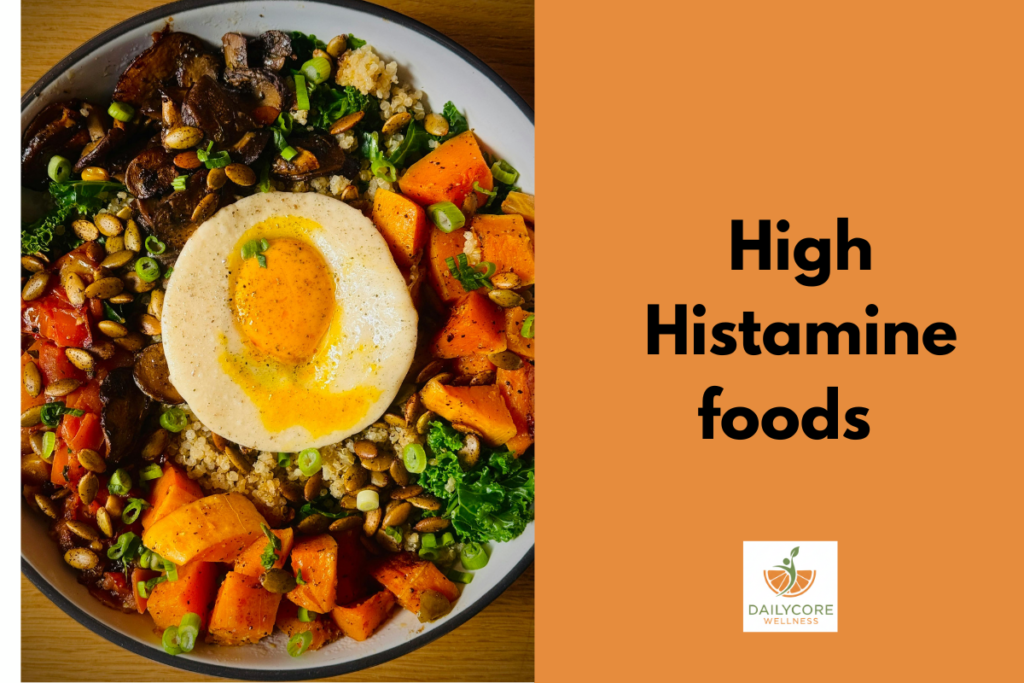
High-histamine foods can trigger uncomfortable symptoms in people who are sensitive to histamine or who have histamine intolerance. Histamine is a natural chemical involved in immune response, digestion, and nervous system function. While the body normally breaks down histamine efficiently, some individuals may have difficulty processing large amounts, leading to a buildup that causes symptoms.
Histamine intolerance occurs when the body cannot effectively break down histamine due to reduced activity of enzymes such as diamine oxidase (DAO). When histamine accumulates, it may lead to headaches, skin irritation, digestive problems, nasal congestion, and fatigue. Symptoms can vary widely and are often mistaken for allergies or food sensitivities.
Many foods naturally contain histamine, while others trigger its release in the body. Fermented, aged, smoked, and processed foods tend to have the highest histamine levels because histamine increases as foods age or undergo bacterial fermentation. Understanding these foods is important for managing symptoms and improving overall comfort.
A low-histamine diet is often used temporarily to identify trigger foods and reduce symptoms. Learning which foods are high in histamine can help individuals make informed dietary choices and support better digestive and immune health.
What Causes Histamine Buildup?
Histamine buildup can occur for several reasons. One common cause is reduced DAO enzyme activity, which limits the body’s ability to break down histamine from food. Certain medications, digestive disorders, stress, alcohol, and chronic inflammation may also interfere with histamine metabolism.
Fresh foods generally contain lower histamine levels, while aged or fermented foods contain higher amounts. Storage time also matters because histamine levels increase as foods sit for long periods. Even healthy foods can become problematic for individuals who are sensitive to histamine.
Symptoms often appear shortly after eating high-histamine foods and may include flushing, itching, headaches, rapid heartbeat, bloating, diarrhea, or nasal congestion. Keeping a food journal can help identify patterns and specific triggers.
Managing histamine intolerance usually involves reducing intake of high-histamine foods, supporting gut health, and improving overall digestive function. In some cases, medical guidance may be needed to identify underlying causes and create an appropriate dietary plan.
20 Common High Histamine Foods 2026
1. Aged Cheese
Aged cheeses such as cheddar, parmesan, blue cheese, and gouda contain high levels of histamine due to the fermentation and aging process. As cheese matures, bacteria produce increasing amounts of histamine. Individuals with histamine intolerance may experience headaches, flushing, skin irritation, or digestive discomfort after consuming these products. Fresh cheeses such as ricotta or cream cheese generally contain lower histamine levels. Limiting aged cheeses is often recommended for people trying to reduce histamine exposure and manage symptoms more effectively.
2. Processed Meats
Processed meats, including salami, sausages, bacon, pepperoni, and smoked meat,s are common high-histamine foods. Curing, smoking, and preserving processes increase histamine content over time. These foods may also contain additives that trigger histamine release in sensitive individuals. Regular consumption can worsen symptoms such as congestion, headaches, and skin reactions. Choosing fresh, unprocessed meat is typically a better option for people following a low-histamine diet.
3. Fermented Foods
Fermented foods such as sauerkraut, kimchi, soy sauce, miso, and kombucha are naturally high in histamine because bacteria produce histamine during fermentation. Although these foods are often considered healthy for gut health, they can trigger symptoms in histamine-sensitive individuals. Reactions may include digestive discomfort, itching, or fatigue. Reducing fermented foods may help improve symptoms while identifying tolerance levels over time.
4. Alcoholic Beverages
Alcohol, especially wine, beer, and champagne, contains high levels of histamine and can also block DAO enzyme activity. This makes it harder for the body to break down histamine effectively. Red wine is particularly problematic because it contains both histamine and other compounds that stimulate histamine release. Symptoms after alcohol consumption may include flushing, headaches, nasal congestion, or rapid heartbeat. Limiting alcohol intake can significantly reduce histamine-related reactions.
5. Canned Fish and Smoked Fish
Fish such as tuna, sardines, mackerel, and anchovies can become high in histamine when canned, smoked, or improperly stored. Histamine levels rise rapidly in fish after harvesting if not kept extremely fresh. Histamine poisoning from spoiled fish can cause severe symptoms, including flushing, nausea, headaches, and skin reactions. Freshly prepared fish is usually better tolerated than canned or processed varieties for those sensitive to histamine.
6. Tomatoes
Tomatoes are considered histamine liberators, meaning they can trigger the release of histamine within the body even if they are not extremely high in histamine themselves. Tomato sauces, ketchup, and processed tomato products may worsen symptoms in sensitive individuals. Common reactions include skin flushing, itching, and digestive discomfort. Some people tolerate small amounts, while others may need to avoid tomatoes entirely during elimination diets.
7. Spinach
Spinach naturally contains relatively high histamine levels compared to many other vegetables. Cooking and storage time may increase histamine concentration further. Individuals with histamine intolerance may notice symptoms such as headaches or digestive upset after consuming spinach. Fresh, low-histamine vegetables such as lettuce or zucchini are often better tolerated alternatives.
8. Eggplant
Eggplant is another vegetable associated with higher histamine levels and histamine release. It belongs to the nightshade family and may trigger reactions in sensitive individuals. Symptoms can include itching, headaches, or digestive issues. Reducing eggplant intake during low-histamine dietary trials may help identify whether it contributes to symptoms.
9. Vinegar and Pickled Foods
Vinegar and pickled foods contain elevated histamine levels because of fermentation processes. Pickles, olives, and vinegar-based dressings may trigger reactions in sensitive individuals. These foods are often overlooked but can contribute significantly to total histamine intake. Choosing fresh foods and avoiding heavily preserved products can help reduce exposure.
10. Chocolate
Chocolate contains compounds that may trigger histamine release and interfere with histamine breakdown. Dark chocolate is often more problematic because it contains higher concentrations of these compounds. Sensitive individuals may experience headaches, skin reactions, or digestive symptoms after consumption. Limiting chocolate intake may help reduce histamine-related discomfort.
10. Chocolate
Chocolate is considered a common trigger food for individuals with histamine intolerance because it may stimulate histamine release and interfere with histamine breakdown in the body. Dark chocolate tends to be more problematic because it contains higher concentrations of cocoa compounds that may worsen symptoms. Some people experience headaches, flushing, itching, digestive discomfort, or nasal congestion after eating chocolate. Chocolate also contains caffeine and other stimulants that may contribute to reactions in sensitive individuals. Processed chocolate products often contain additives, milk, and preservatives that can further increase symptoms. Reducing chocolate intake during a low-histamine diet can help determine whether it contributes to discomfort. Choosing fresh, minimally processed snacks may help reduce histamine exposure and support symptom management.
11. Avocados
Avocados are known as histamine liberators, meaning they can encourage the body to release histamine even if their histamine content is not extremely high. Although avocados are rich in healthy fats, potassium, and fiber, sensitive individuals may experience symptoms such as bloating, skin flushing, headaches, or itching after consumption. Riper avocados may trigger stronger reactions because histamine-related compounds increase as the fruit matures. Some people tolerate small portions, while others react strongly even to minimal amounts. During a low-histamine elimination diet, avocados are often temporarily removed to evaluate their effect on symptoms. Reintroducing them gradually later can help determine personal tolerance levels while maintaining a balanced and nutritious diet.
12. Citrus Fruits
Citrus fruits including oranges, lemons, limes, grapefruits, and tangerines can trigger histamine release in some individuals. While they are rich in vitamin C and antioxidants, they may worsen symptoms for people with histamine intolerance. Reactions can include itching, headaches, skin redness, nasal congestion, or digestive discomfort. Citrus fruits are also acidic, which may irritate sensitive digestive systems. Juices made from citrus fruits may trigger reactions more quickly because they are consumed in concentrated amounts. During low-histamine dietary periods, many individuals replace citrus fruits with lower-histamine alternatives such as pears, apples, or blueberries. Tracking reactions carefully after consumption helps identify whether citrus fruits are significant triggers for symptoms.
13. Strawberries
Strawberries are commonly associated with histamine release and can trigger symptoms even though they are not extremely high in histamine themselves. These berries may stimulate mast cells to release histamine into the bloodstream, causing reactions in sensitive individuals. Common symptoms include itching, hives, flushing, headaches, or digestive upset. Strawberries are also highly acidic, which may worsen discomfort in some people. Fresh strawberries may still cause symptoms, especially when consumed in large amounts. During a low-histamine elimination diet, strawberries are often removed temporarily to evaluate their effect on the body. Lower-histamine fruit options such as apples and pears may provide safer alternatives while still offering valuable nutrients and antioxidants.
14. Bananas
Bananas may contribute to histamine-related symptoms because they can stimulate histamine release in certain individuals. Fully ripe bananas tend to contain more naturally occurring compounds that may trigger reactions compared to less ripe bananas. Symptoms may include headaches, bloating, fatigue, itching, or digestive discomfort. Although bananas are generally considered healthy and rich in potassium, some people with histamine intolerance notice worsening symptoms after consumption. Personal tolerance levels vary significantly, and some individuals may tolerate small amounts without issues. Keeping a food journal can help identify whether bananas contribute to symptoms. Replacing bananas with lower-histamine fruits may help reduce discomfort during elimination phases.
15. Shellfish
Shellfish such as shrimp, crab, lobster, mussels, and clams are considered high-risk foods for histamine intolerance because histamine levels can rise quickly during storage. Even slight delays in refrigeration after harvesting may lead to histamine buildup. Shellfish may also trigger allergic-type reactions that resemble histamine intolerance symptoms. Common reactions include flushing, headaches, swelling, itching, rapid heartbeat, and digestive discomfort. Freshness is extremely important when consuming seafood, especially for sensitive individuals. Many people following low-histamine diets avoid shellfish entirely during elimination phases to minimize symptoms. Choosing freshly prepared protein sources may help improve comfort and reduce exposure to excess histamine.
16. Leftover Foods
Leftover foods can become surprisingly high in histamine as they age in the refrigerator. Histamine levels increase naturally due to bacterial activity over time, especially in protein-rich foods such as meat, fish, poultry, and soups. Even foods that were initially low in histamine may trigger symptoms after sitting for several days. Individuals with histamine intolerance may experience headaches, bloating, flushing, or skin irritation after eating leftovers. Freezing meals immediately after cooking can help reduce histamine buildup compared to prolonged refrigeration. Preparing smaller portions and eating meals fresh whenever possible are helpful strategies for reducing total histamine exposure and supporting better symptom management.
17. Soy Products
Soy products such as soy sauce, tofu, tempeh, miso, and edamame may worsen histamine intolerance symptoms in sensitive individuals. Fermented soy products are especially high in histamine due to bacterial fermentation processes. Soy may also act as a histamine liberator in some people, increasing reactions further. Symptoms may include bloating, headaches, itching, nasal congestion, or digestive discomfort. Processed foods often contain hidden soy ingredients, making label reading important. During low-histamine dietary trials, soy products are frequently reduced or avoided to determine their impact on symptoms. Alternative protein sources such as fresh poultry, eggs, or certain legumes may be better tolerated.
18. Nuts
Certain nuts, particularly walnuts, cashews, peanuts, and pistachios, may trigger histamine-related symptoms in sensitive individuals. Some nuts naturally contain histamine, while others stimulate histamine release in the body. Improper storage can also lead to mold growth, which may worsen reactions further. Symptoms may include itching, headaches, digestive discomfort, fatigue, or skin irritation. Freshly stored nuts in small amounts may be tolerated by some individuals, but others may need to avoid them completely during elimination phases. Monitoring symptoms after eating nuts helps identify personal tolerance levels. Choosing fresh, minimally processed foods can help support better histamine management overall.
19. Energy Drinks
20. Artificial Preservatives and Additives
Artificial preservatives, food dyes, flavor enhancers, and additives commonly found in processed foods may trigger histamine release or worsen inflammation. Ingredients such as sulfites, benzoates, and artificial colorings are often associated with adverse reactions in sensitive individuals. Packaged snacks, instant meals, processed meats, soft drinks, and flavored products frequently contain these compounds. Symptoms may include headaches, skin irritation, digestive discomfort, fatigue, or nasal congestion. Reducing intake of heavily processed foods and focusing on fresh, whole ingredients can help lower exposure to potential triggers. Reading ingredient labels carefully is an important step for individuals managing histamine intolerance and improving overall dietary quality.
Conclusion
High histamine foods can significantly affect individuals with histamine intolerance or histamine sensitivity. Fermented foods, processed meats, alcohol, aged cheeses, and certain vegetables are common triggers that may contribute to headaches, skin irritation, digestive problems, and other uncomfortable symptoms. Understanding these foods is an important step toward managing reactions and improving overall well-being.
A low-histamine diet is often most effective when focused on fresh, minimally processed foods. Since histamine levels increase with aging and storage, freshness plays an important role in symptom management. Keeping a food journal can also help identify personal triggers and patterns over time.
It is important to remember that tolerance levels vary from person to person. Some individuals may react strongly to certain foods while tolerating others without difficulty. Working with a healthcare professional or registered dietitian can help create a balanced and sustainable dietary plan.
Ultimately, awareness and consistency are key. Reducing exposure to high-histamine foods while supporting overall digestive and immune health can help improve comfort, reduce symptoms, and support long-term wellness.