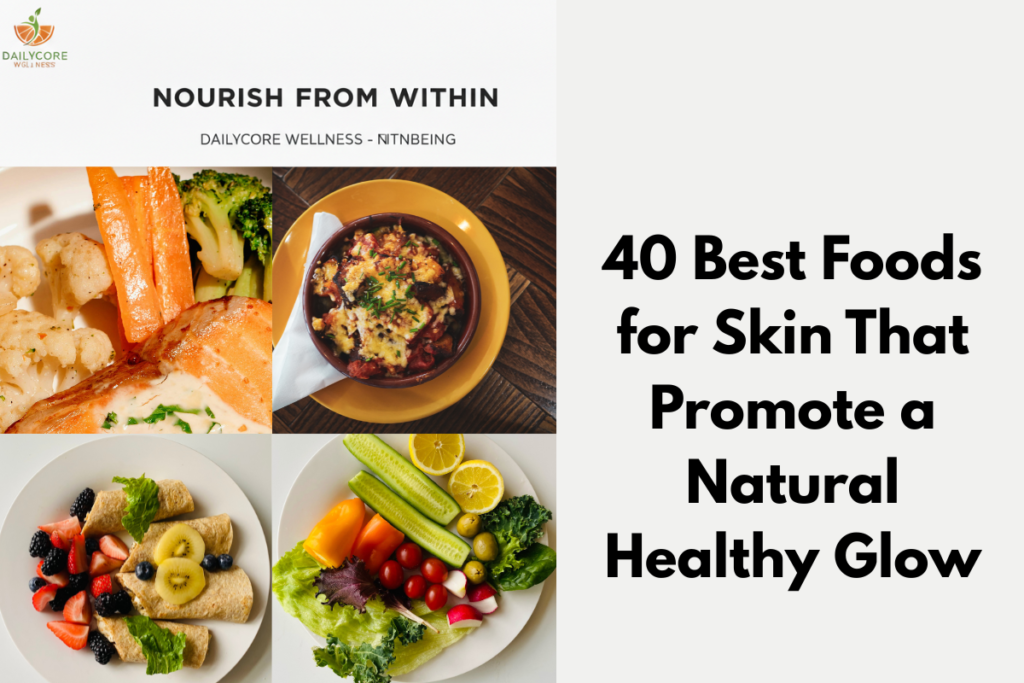
Best foods for skin are more than just beauty trends — they are powerful nutritional tools that nourish your body from within and help you achieve clear, radiant, and youthful-looking skin naturally.
Healthy skin begins on your plate. While skincare products can help externally, what you eat plays a major role in hydration, elasticity, collagen production, and protection against premature aging. Nutrient-rich foods supply antioxidants, vitamins, and healthy fats that support your skin at the cellular level, helping it repair and renew itself daily.
Many people focus only on creams and serums, but true skin transformation happens from the inside out. Diets rich in processed foods, excess sugar, and unhealthy fats can contribute to dullness, breakouts, and early wrinkles. On the other hand, eating the right skin-supporting foods can improve texture, reduce inflammation, and give you that natural glow everyone wants.
In this guide, you’ll discover the best foods for skin that dermatologists and nutrition experts consistently recommend. Adding these foods to your routine can help you build stronger, clearer, and more resilient skin over time.
Why the Best Foods for Skin Matter
Your skin is your body’s largest organ, and it requires constant nourishment to stay healthy and vibrant. The foods you eat provide the building blocks for collagen, elastin, and new skin cells. Without adequate nutrients, your skin may become dry, dull, or prone to irritation.
Antioxidant-rich foods help protect your skin from environmental damage caused by pollution, UV exposure, and oxidative stress. Vitamins such as vitamin C, vitamin E, and beta-carotene play essential roles in repairing damaged skin tissue and maintaining a smooth complexion. When your diet lacks these nutrients, your skin’s natural defence system weakens.
Hydration also depends heavily on diet. Foods with high water content and healthy fats help maintain your skin’s moisture barrier, preventing dryness and flakiness. Consistently eating the right foods creates a strong nutritional foundation that supports long-term skin health rather than quick, temporary fixes.
30 Best Foods for Skin Health, 5th September 2026
1. Avocados
Avocados are rich in healthy monounsaturated fats that help keep skin soft, supple, and well-moisturized. They also contain vitamin E, a powerful antioxidant that protects the skin from oxidative damage. Regular consumption supports skin elasticity and may help reduce signs of aging.
2. Sweet Potatoes
Sweet potatoes are loaded with beta-carotene, which your body converts into vitamin A. This nutrient acts as a natural sun protectant and supports skin cell turnover, helping maintain smooth and healthy-looking skin.
3. Fatty Fish
Fatty fish like salmon and mackerel provide omega-3 fatty acids that reduce inflammation and support the skin’s moisture barrier. These healthy fats help prevent dryness and may reduce redness and irritation.
4. Oranges
Oranges are excellent sources of vitamin C, which is essential for collagen production. Collagen keeps skin firm and youthful, making citrus fruits a must-have for glowing skin.
5. Strawberries
Strawberries deliver a strong dose of antioxidants and vitamin C. They help fight free radicals that contribute to premature aging while supporting skin brightness.
6. Spinach
Spinach contains iron, vitamin C, and beta-carotene, all of which support healthy blood flow to the skin. Better circulation helps your skin look naturally vibrant and refreshed.
7. Walnuts
Walnuts provide a balanced mix of omega-3 and omega-6 fatty acids along with zinc. These nutrients help strengthen the skin barrier and support healing.
8. Tomatoes
Tomatoes are rich in lycopene, an antioxidant known for protecting the skin from sun damage. They also support smoother skin texture over time.
9. Carrots
Carrots are another excellent source of beta-carotene, which promotes skin renewal and helps maintain an even skin tone.
10. Green Tea
Green tea contains catechins that help improve skin hydration and elasticity. Regular consumption may also reduce inflammation.
11. Bell Peppers
Especially red and yellow varieties, bell peppers are packed with vitamin C and antioxidants that support collagen formation.
12. Almonds
Almonds are rich in vitamin E and healthy fats that protect skin cells from damage and support moisture retention.
13. Blueberries
Blueberries are antioxidant powerhouses that help fight oxidative stress and support youthful-looking skin.
14. Cucumber
Cucumbers have high water content, which helps hydrate the skin and reduce puffiness.
15. Papaya
Papaya contains enzymes and vitamins that support gentle skin renewal and improved complexion.
16. Broccoli
Broccoli provides vitamins A, C, and zinc, which work together to support skin repair and protection.
17. Dark Chocolate (70% and above)
High-quality dark chocolate contains flavonoids that may improve skin hydration and blood flow.
18. Sunflower Seeds
These seeds supply vitamin E and selenium, both important for protecting skin cells.
19. Kiwi
Kiwi is extremely rich in vitamin C, helping boost collagen production and skin firmness.
20. Olive Oil
Extra virgin olive oil contains healthy fats and antioxidants that support skin softness.
21. Pumpkin
Pumpkin is rich in beta-carotene and vitamin C, both beneficial for skin renewal.
22. Pomegranate
Pomegranate provides polyphenols that help protect skin from environmental stress.
23. Eggs
Eggs supply high-quality protein needed for skin repair and regeneration.
24. Yogurt
Yoghurt contains probiotics that support gut health, which is closely linked to clearer skin.
25. Mango
Mango offers vitamin A and vitamin C that support skin brightness and repair.
26. Oats
Oats help stabilize blood sugar levels, which may reduce acne flare-ups.
27. Chia Seeds
Chia seeds are rich in omega-3s that help maintain skin hydration.
28. Mushrooms
Mushrooms provide selenium and antioxidants that support skin protection.
29. Beetroot
Beetroot supports healthy circulation, giving skin a natural glow.
30. Watermelon
Watermelon is hydrating and contains lycopene that supports skin protection.
Tips for Getting the Most From Your Foods Naturally
“Eat Healthy Fats Regularly”
Healthy fats help maintain your skin’s moisture barrier and prevent dryness. Include avocados, nuts, seeds, and olive oil in your daily meals for best results.
“Stay Consistently Hydrated”
Even the best foods for skin work better when your body is properly hydrated. Drink enough water daily to support skin plumpness and elasticity.
“Limit Excess Sugar Intake”
High sugar intake can contribute to collagen breakdown through glycation. Reducing sugary foods helps maintain firmer, smoother skin.
“Eat a Rainbow of Produce”
Different colors provide different antioxidants. The more colorful your plate, the broader the skin benefits.
“Be Consistent With Your Diet”
Skin renewal takes time. Consistently eating skin-friendly foods for several weeks produces the best visible improvements.
“Combine Vitamin C Foods With Collagen Sources”
Vitamin C plays a major role in collagen synthesis, which keeps your skin firm and youthful. Pair foods like citrus fruits, strawberries, or bell peppers with protein sources such as eggs, yogurt, or fish. This combination supports stronger skin structure and may help reduce the appearance of fine lines over time.
“Avoid Frequent Highly Processed Foods”
Highly processed foods often contain excess sugar, unhealthy fats, and additives that can trigger inflammation and dull the skin’s appearance. Reducing your intake of packaged snacks and fast food allows your skin to benefit more fully from the nutrients in whole, skin-supportive foods.
“Support Your Gut for Clearer Skin”
Gut health and skin health are closely connected. Including probiotic-rich foods like yogurt and fiber-rich foods like oats, fruits, and vegetables helps maintain a balanced gut environment, which may reduce breakouts and improve overall skin clarity.
“Eat Zinc-Rich Foods for Skin Repair”
Zinc supports wound healing and helps regulate oil production in the skin. Foods like pumpkin seeds, nuts, legumes, and whole grains can help your skin recover faster and maintain a balanced complexion.
“Time Your Antioxidant Intake Throughout the Day”
Instead of consuming all your nutrient-rich foods in one meal, spread them across breakfast, lunch, and dinner. This provides your skin with a steady supply of protective antioxidants throughout the day, supporting continuous repair and protection.
“Choose Seasonal Fresh Produce When Possible”
Seasonal fruits and vegetables are often fresher and more nutrient-dense. Eating produce closer to harvest time can help maximise vitamin content, which directly benefits your skin’s health and glow.
“Protect Your Skin With Healthy Lifestyle Habits”
Even the best foods for skin work best when combined with good sleep, stress management, and sun protection. Chronic stress and poor sleep can counteract nutritional benefits, so aim for a balanced wellness routine.
“Be Patient With Skin Nutrition Changes”
Skin renewal cycles typically take several weeks. Consistently eating skin-supportive foods for at least 4–8 weeks gives your body enough time to reflect visible improvements in hydration, smoothness, and brightness.
“Include Hydrating Foods Daily”
Foods with high water content — like watermelon, cucumber, and oranges — help support internal hydration. This contributes to plumper, fresher-looking skin and may reduce dryness.
“Build Balanced Meals Not Single Superfoods”
No single food can transform your skin overnight. Focus on balanced meals that combine healthy fats, antioxidants, protein, and fibre. This comprehensive approach delivers the most reliable and long-lasting skin benefits.