Best foods to gain weight are essential for anyone struggling to add healthy body mass, build muscle, or overcome being underweight in a safe and sustainable way.
Many people struggle with gaining weight in a healthy, controlled way, even though the wellness community largely concentrates on weight loss. Eating more is not always sufficient, whether the reason is a fast metabolism, a busy lifestyle, the recovery from an illness, or the desire to gain muscle. When your objective is to gain weight without compromising your health, the quality of calories is just as important as the number.
Healthy weight gain requires nutrient-dense foods that provide calories along with protein, healthy fats, vitamins, and minerals. Relying on junk food may increase weight quickly, but it often leads to poor energy levels, digestive issues, and unwanted fat gain. In contrast, the best foods to gain weight help you build lean mass, improve strength, and maintain overall wellness.
In this comprehensive guide, you’ll discover powerful high-calorie foods that support healthy weight gain, plus practical tips to help you increase your daily calorie intake consistently and effectively.
Why the Best Foods to Gain Weight Matter
Gaining weight the right way is about more than simply increasing body fat. Your goal should be to add quality mass — including muscle, healthy tissue, and sustainable energy stores. Nutrient-dense foods provide the building blocks your body needs to grow stronger while maintaining metabolic health.
Your immune system, hormone balance, and post-workout recovery are all enhanced when you prioritise eating complete, calorie-dense foods. Complex carbs power your everyday activities and workouts, protein aids in muscle repair, and healthy fats offer focused energy. This well-rounded strategy avoids the inflammation and lethargy that are sometimes linked to subpar bulking diets.
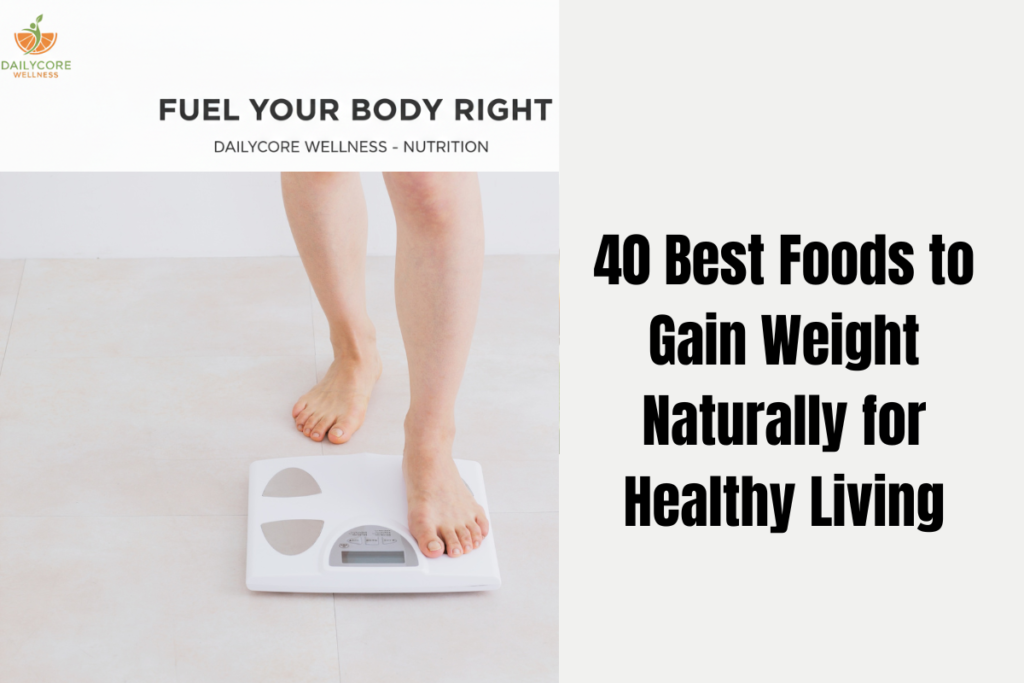
30 Best Foods to Gain Weight, 10th July 2026
1. Avocados
Avocados are calorie-dense and rich in healthy monounsaturated fats. One medium avocado provides substantial energy along with potassium and fibre, making it excellent for healthy weight gain.
2. Whole Milk
Whole milk delivers protein, fat, and carbohydrates in one convenient drink. It is especially helpful for increasing daily calorie intake without feeling overly full.
3. Peanut Butter
Peanut butter is one of the easiest high-calorie foods to add to meals. It provides healthy fats, plant protein, and sustained energy for muscle growth.
4. Almonds
Almonds are nutrient-dense and portable. A small handful provides a significant calorie boost along with vitamin E and healthy fats.
5. Rice
White or brown rice is an excellent carbohydrate source that helps increase total calorie intake, especially for those with smaller appetites.
6. Fatty Fish
Fish like salmon and mackerel provide omega-3 fats and high-quality protein that support healthy mass gain.
7. Eggs
Eggs are rich in complete protein and healthy fats, making them ideal for muscle-building weight gain.
8. Potatoes
Potatoes provide complex carbohydrates that fuel workouts and help increase daily calorie intake.
9. Oats
Oats are calorie-dense when prepared with milk, nut butter, or seeds, making them excellent for weight-gain breakfasts.
10. Dark Chocolate
High-quality dark chocolate (70%+) provides calories and antioxidants. It is a helpful addition in moderation.
11. Greek Yogurt (Full Fat)
Full-fat Greek yoghurt provides protein and calories that support muscle growth and recovery.
12. Cheese
Cheese is energy-dense and rich in protein and fats, making it useful for boosting meal calories.
13. Bananas
Bananas provide quick carbohydrates and are easy to add to smoothies or snacks.
14. Whole Grain Bread
Whole-grain bread helps increase calorie intake and pairs well with calorie-dense toppings.
15. Nuts and Trail Mix
Mixed nuts and dried fruits provide a powerful calorie punch in small portions.
16. Pasta
Pasta is an easy way to increase carbohydrate intake and overall calories.
17. Smoothies and Shakes
Homemade shakes with milk, oats, peanut butter, and fruit are excellent for controlled weight gain.
18. Olive Oil
Adding olive oil to meals increases calories without increasing portion size significantly.
19. Chia Seeds
Chia seeds provide healthy fats and can easily boost the calorie content of meals.
20. Quinoa
Quinoa provides both carbohydrates and protein, supporting balanced weight gain.
21. Dried Fruits
Raisins, dates, and dried mango are concentrated calorie sources that are easy to snack on.
22. Coconut Milk
Coconut milk is rich in calories and healthy fats, ideal for smoothies and cooking.
23. Granola
Granola is calorie-dense and works well with yogurt or milk.
24. Protein Bars
High-quality protein bars help increase both calorie and protein intake conveniently.
25. Lean Red Meat
Provides high-quality protein and iron that support muscle-building weight gain.
26. Nut Butters (All Types)
Almond, cashew, and peanut butter are all excellent calorie boosters.
27. Beans and Legumes
Provide plant protein and carbohydrates for steady weight gain.
28. Butter or Ghee
Adding small amounts to meals increases calorie density effectively.
29. Homemade Mass Gain Shakes
Blending calorie-dense whole foods is one of the fastest ways to increase intake.
30. Energy-Dense Breakfast Bowls
Combining oats, nuts, seeds, milk, and fruit creates powerful weight-gain meals.
Tips for Getting the Most From Your Foods Naturally
“Eat More Frequently Throughout the Day”
Instead of relying on three large meals, aim for 5–6 smaller meals and snacks. This makes it easier to increase calorie intake without feeling overly full.
“Add Healthy Fats to Every Meal”
Healthy fats are calorie-dense and help you increase intake efficiently. Drizzle olive oil, add avocado, or include nut butter regularly.
“Drink Your Calories When Needed”
If you struggle with appetite, smoothies and shakes can help you consume more calories comfortably.
“Focus on Strength Training”
To ensure the weight gained is quality mass, combine your diet with resistance training.
“Be Consistent and Patient”
Healthy weight gain takes time. Aim for gradual increases rather than rapid weight spikes.
“Increase Your Portion Sizes Gradually”
One of the safest ways to support healthy weight gain is to slowly increase your portion sizes rather than forcing very large meals at once. Your appetite and digestion will adjust over time, making it easier to consume more calories comfortably and consistently without feeling overly stuffed.
“Never Skip Breakfast”
Breakfast is a powerful opportunity to add extra calories early in the day. Starting with a nutrient-dense meal — such as oats with milk, nuts, and fruit — helps set the tone for meeting your daily calorie goals and prevents playing catch-up later.
“Choose Calorie-Dense Foods First”
When your appetite is limited, focus on foods that pack more calories into smaller portions. Options like nut butters, avocados, whole milk, granola, and trail mix help you increase intake efficiently without needing to eat large volumes of food.
“Use Smoothies Between Meals”
Liquid calories are often easier to consume than solid food. Homemade smoothies with milk, oats, peanut butter, yogurt, and fruit can significantly boost your daily calorie intake without making you feel overly full.
“Add Healthy Extras to Everyday Meals”
Small additions can make a big difference. Drizzle olive oil on vegetables, add cheese to eggs, mix nut butter into oatmeal, or include seeds in yogurt. These simple upgrades quietly increase calories while keeping meals nutritious.
“Eat Even When You’re Not Very Hungry”
For healthy weight gain, you may need to eat on a schedule rather than waiting for strong hunger signals. Gentle consistency helps train your body to expect more fuel and gradually improves appetite over time.
“Prioritize Protein With Your Calories”
While increasing calories is important, pairing them with adequate protein helps ensure the weight gained supports muscle rather than excess body fat. Include protein sources in most meals and snacks.
“Limit Filling Low-Calorie Foods Before Meals”
Very high-fiber, low-calorie foods right before main meals can reduce your appetite. If weight gain is your goal, eat your calorie-dense foods first and enjoy lighter foods afterward.
“Support Your Plan With Strength Training”
Resistance training signals your body to use extra calories for muscle growth instead of storing them primarily as fat. Even a simple strength routine can improve the quality of your weight gain.
“Track Your Progress Weekly”
Healthy weight gain is gradual. Monitor your body weight, strength levels, and energy weekly so you can adjust your food intake if progress slows. Consistent tracking keeps your strategy effective and intentional.
Conclusion
Choosing the best foods to gain weight is the smartest and healthiest way to build sustainable body mass. Rather than relying on empty-calorie junk foods, focusing on nutrient-dense, high-calorie whole foods helps you increase weight while supporting muscle growth, energy levels, and overall wellness. The right combination of proteins, healthy fats, and complex carbohydrates provides your body with the building blocks it needs to grow stronger and more resilient.
Consistency is the true secret to success. By eating frequently, incorporating calorie-dense ingredients into your meals, and supporting your nutrition with strength training, you create the ideal environment for healthy weight gain. Small daily improvements — like adding nut butter to breakfast or drinking a nutrient-rich smoothie — can compound into significant progress over time.
In the end, healthily gaining weight takes time and effort. Continue prioritising the greatest foods to gain weight as part of a balanced lifestyle, be patient, and monitor your progress. You may naturally and consistently reach your wellness goals, increase your power, and gain quality mass with the correct approach and dedication.