A healthy meal plan to lose weight fast is not about extreme restriction or skipping meals. It is about creating a structured system that reduces excess calories while maintaining proper nutrition. When meals are balanced and planned intentionally, the body can reduce stored fat efficiently without sacrificing energy or muscle mass. Speed in weight loss comes from consistency, not desperation.
A structured meal plan creates clarity. It removes daily guesswork, controls portions before hunger takes over, and ensures every meal supports fat loss. When you consistently combine lean protein, high-fiber carbohydrates, healthy fats, and vegetables, your body receives the nutrients it needs while operating in a calorie deficit.
Most importantly, a fast weight loss plan must still be realistic. Sustainable fat loss happens when the system is simple enough to repeat daily. The goal is not perfection but controlled consistency that accelerates progress safely.
Build a Calorie-Controlled but Nutrient-Dense Framework
Fast weight loss requires a calorie deficit, but that deficit must be strategic. Severely restricting food intake often slows metabolism and increases cravings. Instead, reducing portion sizes while maintaining protein and fiber intake allows fat loss without extreme hunger.
Protein plays a central role in rapid fat loss. It supports muscle preservation and increases fullness, helping you naturally reduce overall calorie intake. Including lean sources such as chicken breast, fish, eggs, Greek yogurt, tofu, and legumes in every meal helps stabilize appetite.
Fiber-rich foods such as vegetables, oats, brown rice, berries, and legumes slow digestion and improve satiety. When meals combine protein and fiber, you stay full longer, which reduces snacking and impulsive eating.
Structure Your Daily Meals for Fat Burning Efficiency
A simple daily structure can accelerate weight loss. Aim for three balanced meals and one planned snack, spaced evenly throughout the day. This approach prevents extreme hunger that often leads to overeating at night.
Use the balanced plate method for portion control: half vegetables, one quarter lean protein, and one quarter smart carbohydrates. Adding a small portion of healthy fats improves satisfaction without significantly increasing calories.
Hydration also supports fat loss. Drinking enough water helps regulate appetite and may reduce unnecessary calorie intake. Sometimes what feels like hunger is mild dehydration.
Reduce Hidden Calories and Improve Food Quality
Fast weight loss is often delayed by hidden calories in beverages, sauces, dressings, and processed snacks. Reducing sugary drinks, limiting high-calorie condiments, and cooking more meals at home significantly improves calorie control.
Processed foods are often calorie-dense and less filling. Replacing them with whole foods improves nutrient density and appetite regulation. Whole foods naturally contain fiber and protein, which support weight management.
Small daily improvements compound quickly. Replacing fried foods with grilled options, choosing whole grains over refined grains, and measuring portions carefully can noticeably accelerate results.
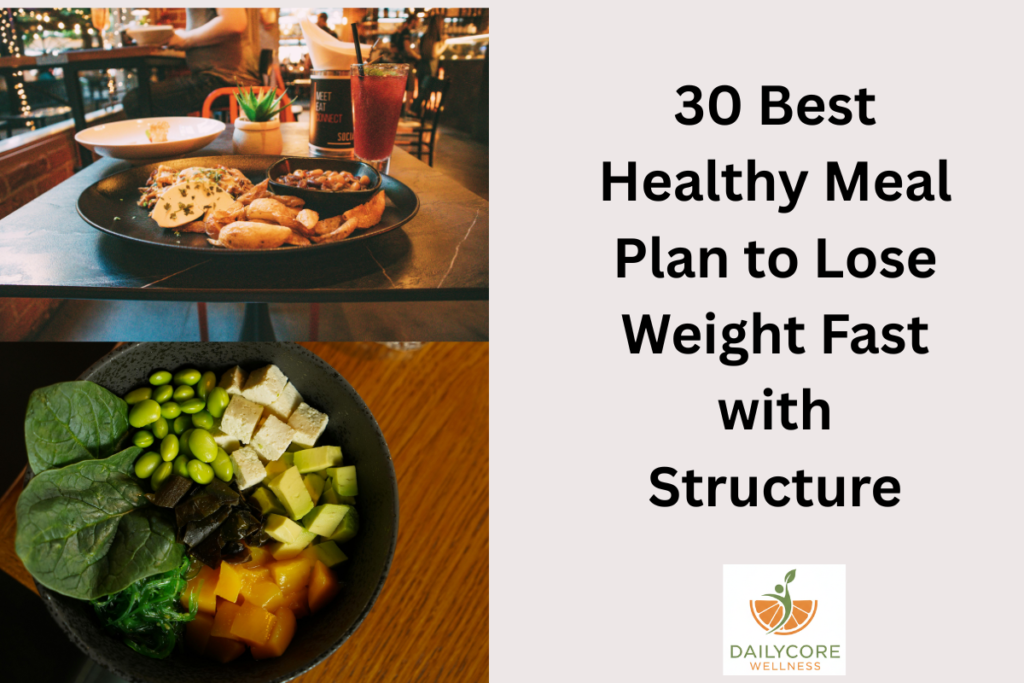
30 Smart Healthy Meal Plan to Lose Weight Fast Tips, 4th September 2026
Build every meal around a strong lean protein foundation.
Protein should be the anchor of your weight loss meal plan because it directly supports fullness, muscle preservation, and metabolic stability. When you consume adequate protein, you naturally reduce hunger hormones and feel satisfied for longer periods. This makes it easier to maintain a calorie deficit without feeling deprived. Lean sources such as chicken breast, fish, eggs, Greek yogurt, tofu, and legumes provide high nutritional value without excessive calories. By consistently prioritizing protein at every meal, you reduce cravings, prevent muscle loss during fat reduction, and create a more efficient fat-burning environment.
Fill half your plate with high-volume vegetables.
Vegetables allow you to eat satisfying portions while keeping calorie intake controlled. Because they are high in fiber and water content, they create fullness without adding significant calories. This strategy helps prevent overeating while ensuring your body receives essential vitamins, minerals, and antioxidants. Non-starchy vegetables like broccoli, spinach, zucchini, peppers, and leafy greens are especially effective for weight loss. Making vegetables the largest portion of every lunch and dinner increases satiety, supports digestion, and naturally reduces room on your plate for higher-calorie foods.
Control portions before hunger makes decisions for you.
Fast weight loss requires awareness of portion sizes. Even healthy foods can slow progress if consumed in large amounts. Instead of eating directly from packages or serving dishes, portion meals intentionally using measuring tools or visual guidelines. Structuring portions before you begin eating prevents emotional or impulsive overeating. Over time, this habit trains your appetite to align with your calorie goals. Portion control is not about restriction; it is about creating consistency and predictability in your intake so that fat loss becomes steady and manageable.
Eliminate liquid calories immediately.
Sugary beverages, sweetened coffee drinks, fruit juices, and sodas add calories without contributing to fullness. These drinks can significantly increase daily calorie intake without reducing hunger. Replacing them with water, sparkling water, black coffee, or unsweetened tea creates an immediate calorie deficit without changing food portions. This single adjustment can accelerate weight loss quickly. Staying hydrated also supports appetite regulation, as mild dehydration is often mistaken for hunger. Removing liquid calories is one of the simplest and fastest ways to improve fat loss results.
Plan your meals before the week begins.
A structured weekly meal plan removes daily guesswork and reduces the likelihood of impulsive eating. When meals are pre-decided, you are less likely to choose convenience foods that are higher in calories. Planning also allows you to shop intentionally and avoid unnecessary purchases. Batch cooking proteins, grains, and vegetables in advance saves time and increases adherence. A clear weekly structure creates accountability and reduces reliance on fluctuating motivation. Consistency with planning is often the difference between temporary dieting and sustainable weight loss progress.
Choose high-fiber carbohydrates over refined options.
Fiber plays a crucial role in weight loss because it slows digestion and improves satiety. Whole grains, legumes, fruits, and vegetables provide sustained energy without the rapid blood sugar spikes associated with refined carbohydrates. When blood sugar remains stable, cravings decrease and portion control becomes easier. Replacing white bread, pastries, and sugary cereals with oats, brown rice, quinoa, and whole fruits strengthens your fat loss plan. High-fiber carbohydrates allow you to maintain energy levels while keeping hunger manageable throughout the day.
Eat at consistent times each day.
Skipping meals often leads to extreme hunger, which increases the likelihood of overeating later. Establishing a consistent eating schedule helps regulate appetite hormones and stabilize energy levels. When your body expects meals at predictable times, cravings and impulsive decisions decrease. Structured meal timing supports portion control and reduces late-night overeating. Fast weight loss becomes more manageable when your body operates on a predictable rhythm rather than reacting to irregular eating patterns.
Reduce added sugars across all meals.
Added sugars contribute excess calories without supporting fullness or nutrition. They can increase cravings and lead to rapid spikes and crashes in energy. Reading ingredient labels and limiting sugar in sauces, snacks, cereals, and beverages significantly improves calorie control. Gradual reduction is often more sustainable than complete elimination. By lowering added sugar intake consistently, you improve insulin sensitivity, reduce calorie intake, and create a more stable environment for fat loss.
Prepare for high-risk situations in advance.
Busy days, social events, and travel can disrupt even the best meal plan. Preparing portable snacks or pre-planned meals reduces reliance on fast food or convenience options. Having a strategy before entering challenging environments increases control. Weight loss success often depends on preparation rather than willpower. Anticipating obstacles and planning alternatives strengthens consistency and protects progress.
Focus on consistency instead of extreme restriction.
Extreme calorie cuts may produce rapid short-term results but often lead to burnout and rebound weight gain. Sustainable fast weight loss comes from moderate calorie reduction applied consistently. Small daily improvements repeated week after week produce lasting change. When you focus on maintaining structure rather than chasing perfection, results accumulate steadily. Consistency builds habits that protect long-term progress and prevent cycling between strict dieting and overeating.