Healthy diet plan vegan is more than simply removing animal products from your plate. It is a structured approach to nourishing your body with plant-based foods that support energy, digestion, heart health, and sustainable weight management. When designed correctly, a vegan diet can provide high levels of fiber, antioxidants, healthy fats, and quality plant proteins that work together to promote long-term wellness.
A well-designed vegan diet plan solves this problem by creating a repeatable framework. Instead of guessing what to eat each day, you build meals around core food groups such as legumes, whole grains, vegetables, fruits, nuts, and seeds. This system ensures nutritional balance while simplifying daily decisions. When structure replaces uncertainty, consistency becomes easier.
Most importantly, a healthy vegan diet must be flexible and realistic. It should adapt to busy schedules, family life, and personal preferences. The goal is not perfection. It is to create sustainable eating habits that you can maintain comfortably for months and years. Long-term consistency always produces stronger results than short-term intensity.
Build a Balanced Plant-Based Foundation
Every effective vegan diet begins with balance. Each main meal should include a reliable source of plant protein, fiber-rich carbohydrates, healthy fats, and a generous portion of vegetables. This combination supports steady blood sugar levels, promotes fullness, and maintains stable energy throughout the day. Without this balance, even plant-based meals can leave you feeling unsatisfied.
Protein deserves focused attention in a vegan plan. Foods such as lentils, chickpeas, black beans, tofu, tempeh, edamame, and quinoa provide substantial protein while also delivering fiber and essential minerals. Rotating these protein sources across the week improves nutrient diversity and prevents meal fatigue. Anchoring meals around protein improves satiety and supports muscle maintenance.
Healthy fats from avocados, nuts, seeds, and olive oil enhance flavor and improve nutrient absorption. When combined with whole grains like brown rice, oats, barley, and whole wheat products, meals become more complete and satisfying. A balanced plant-based foundation transforms vegan eating into a stable and energizing routine.
Create Structure and Weekly Simplicity
Consistency is the foundation of long-term success with any healthy diet plan. One of the most powerful strategies for vegan eating is developing a repeatable weekly structure. For example, rotating two or three breakfast options, preparing similar lunch bowls during workdays, and varying dinner vegetables and sauces keeps planning simple while preventing boredom.
Batch preparation plays a key role in maintaining this structure. Cooking grains, beans, and roasted vegetables at the start of the week reduces daily cooking time and removes decision fatigue. When core ingredients are prepared in advance, assembling balanced meals becomes quick and effortless. Preparation supports discipline without requiring constant effort.
Simplicity should guide meal design. A quinoa bowl with roasted vegetables, baked tofu, and a tahini dressing can be more sustainable than complicated multi-step recipes. Practical meals that fit into real-life schedules are far more powerful than elaborate plans that are difficult to maintain.
Prioritize Nutrient Awareness and Long-Term Sustainability
While a vegan diet offers many benefits, mindful planning ensures nutritional adequacy. Nutrients such as vitamin B12, iron, calcium, iodine, vitamin D, and omega-3 fatty acids require attention. Fortified plant milks, nutritional yeast, leafy greens, legumes, flaxseeds, and chia seeds can help support these needs when included regularly.
Hydration also supports the effectiveness of a plant-based diet. Because vegan meals are naturally high in fiber, drinking adequate water helps digestion function smoothly. Small supportive habits, such as consistent hydration and portion awareness, enhance overall success and comfort.
Above all, sustainability matters most. A healthy vegan diet is not about strict rules or rigid elimination. It is about building a structured system that fits your lifestyle and allows flexibility when needed. When your approach is balanced, realistic, and consistent, plant-based eating becomes a powerful long-term wellness strategy rather than a temporary change.
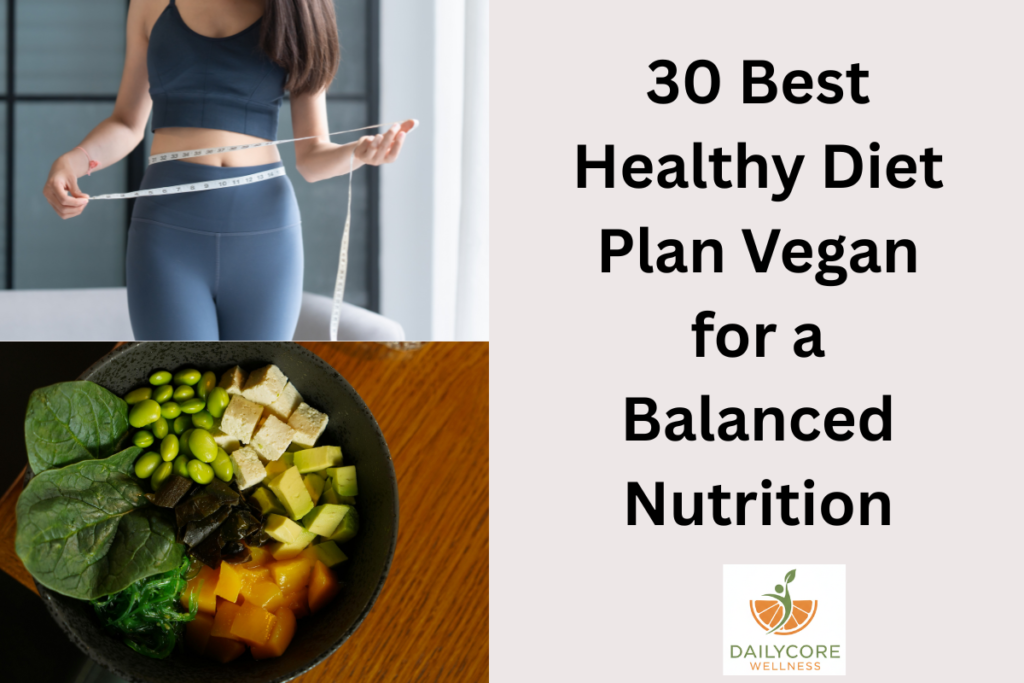
30 Best Healthy Diet Plan Vegan for a Balanced Nutrition, 5th September 2026
1. Build every meal around a strong plant protein source
A healthy vegan diet plan becomes balanced and sustainable when each meal is anchored by a reliable plant protein. Foods such as lentils, chickpeas, tofu, tempeh, black beans, and edamame provide structure to your plate and help maintain fullness between meals. Without adequate protein, plant-based eating can feel unsatisfying and lead to frequent snacking. Distributing protein across breakfast, lunch, and dinner improves energy stability and supports muscle maintenance. When protein becomes the foundation of your meals, the rest of your food choices naturally fall into better balance.
2. Structure your week before grocery shopping
Planning your meals before entering the grocery store creates clarity and prevents impulsive purchases. A simple weekly outline for breakfasts, lunches, and dinners ensures you buy ingredients that align with your health goals. Without a plan, it is easy to rely on convenience foods or repeat unbalanced meals. A structured grocery strategy strengthens consistency and reduces waste. Over time, this system makes vegan eating predictable, organized, and easier to maintain.
3. Rotate legumes for nutritional diversity
Different legumes provide slightly different nutrient profiles, including iron, magnesium, fiber, and plant protein. Rotating lentils, kidney beans, chickpeas, black beans, and split peas across the week enhances dietary variety and prevents boredom. This diversity supports overall micronutrient intake and improves long-term adherence. Structured variety keeps meals interesting without requiring complicated recipes.
4. Batch cook whole grains for efficiency
Preparing grains such as quinoa, brown rice, barley, or farro in advance saves time and strengthens consistency. Cooked grains can be quickly added to bowls, salads, and stir-fries throughout the week. This preparation reduces daily effort and helps you avoid refined carbohydrate alternatives. A prepared foundation supports better portion control and simplifies balanced meal assembly.
5. Include leafy greens daily
Leafy greens like spinach, kale, and arugula provide iron, calcium, antioxidants, and fiber with minimal calories. Including them daily strengthens the nutrient density of your meals. They can be blended into smoothies, added to soups, or used as salad bases. Making greens a non-negotiable part of your plan builds micronutrient consistency and long-term health support.
6. Use fortified plant milk strategically
Fortified plant milks provide calcium, vitamin D, and often vitamin B12, which are important in a vegan diet. Including them regularly supports nutrient adequacy without complexity. Choosing unsweetened versions helps control added sugars. Structured inclusion of fortified foods simplifies nutritional planning and improves long-term sustainability.
7. Add omega-3 seeds regularly
Chia seeds, flaxseeds, and hemp seeds supply plant-based omega-3 fatty acids that support heart and brain health. Including one to two tablespoons daily enhances fat balance within your plan. Adding them to oatmeal or smoothies makes consistency easy. Small daily habits strengthen nutritional completeness over time.
8. Prepare balanced snacks in advance
Healthy snacks prevent extreme hunger and reduce the risk of overeating during main meals. Pairing fruit with nuts or vegetables with hummus creates balanced options that combine fiber and healthy fats. Preparing snacks in advance strengthens discipline and protects your daily structure.
9. Balance carbohydrates with protein and healthy fats
Plant-based meals can become overly carbohydrate-heavy without intentional balance. Pairing grains with legumes and healthy fats improves satiety and stabilizes energy. This structure reduces cravings and prevents energy crashes. Balanced composition strengthens long-term adherence.
10. Monitor vitamin B12 intake carefully
Vitamin B12 is one of the most important nutrients to monitor in a vegan diet because it is not naturally available in reliable amounts from plant foods. This vitamin plays a central role in nerve function, red blood cell production, and energy metabolism. Without consistent intake, deficiency can develop gradually and lead to fatigue, weakness, or neurological issues. A structured vegan meal plan should include fortified foods such as plant milks, nutritional yeast, or breakfast cereals, or a properly dosed supplement when necessary. Treating B12 as a non-negotiable part of your system ensures your plant-based lifestyle remains safe, sustainable, and supportive of long-term health.
11. Limit highly processed vegan convenience foods
While many packaged vegan products are marketed as healthy alternatives, they can often be high in sodium, refined oils, and additives. Relying heavily on processed meat substitutes, snack bars, and ready-made meals may reduce the overall nutrient density of your diet. A strong vegan system prioritizes whole foods such as legumes, vegetables, fruits, whole grains, nuts, and seeds as the foundation. Processed items can be included occasionally for convenience, but they should not replace minimally processed staples. Maintaining this balance improves energy stability, supports digestion, and keeps your meal plan aligned with long-term wellness goals.
12. Prepare lunches in advance for busy days
Workdays and busy schedules often determine whether a meal plan succeeds or fails. Without preparation, it becomes easy to depend on takeout or unbalanced convenience foods. Preparing lunches in advance, such as grain bowls, lentil salads, or tofu wraps, creates structure and eliminates daily decision fatigue. When balanced meals are ready and accessible, consistency improves significantly. Advance preparation also helps control portions and maintain nutrient balance. This proactive habit strengthens discipline while reducing stress, making your vegan diet plan more realistic and sustainable over time.
13. Repeat simple breakfasts to reduce decision fatigue
Morning decisions can set the tone for the entire day. Rotating two or three balanced breakfast options simplifies planning and reinforces consistency. Options like oatmeal with seeds, tofu scramble with vegetables, or a smoothie with plant protein provide reliable structure. Repetition reduces mental effort and increases adherence. A predictable breakfast routine supports steady energy and helps prevent rushed, unbalanced choices. Over time, simplifying mornings strengthens your entire nutritional system.
14. Incorporate colorful vegetables across the week
Different colored vegetables provide a wide range of antioxidants, vitamins, and phytonutrients that support immune function and overall health. Including green, red, orange, purple, and yellow vegetables across the week enhances dietary diversity without complicated tracking. Structuring your meals around variety ensures broader nutrient coverage and greater visual satisfaction. Color diversity encourages mindful eating and improves the overall quality of your vegan plan.
15. Control portions of calorie-dense plant foods
Healthy plant foods such as nuts, seeds, oils, and nut butters provide valuable nutrients but are energy-dense. Without portion awareness, calories can accumulate quickly. Structured moderation allows you to benefit from healthy fats while maintaining balance. Measuring servings occasionally builds awareness and prevents accidental overconsumption. A sustainable vegan diet includes all food groups in appropriate amounts rather than eliminating beneficial options.
16. Increase fiber gradually when transitioning
Switching to a vegan diet significantly increases fiber intake, which benefits digestion and blood sugar control. However, increasing fiber too quickly may cause bloating or discomfort. Gradually introducing high-fiber foods allows the digestive system to adapt smoothly. Pairing fiber intake with adequate hydration improves comfort and effectiveness. A structured transition supports long-term adherence and reduces unnecessary setbacks.
17. Keep frozen vegetables as reliable backups
Frozen vegetables are practical, affordable, and nutritionally comparable to fresh produce. Keeping them stocked ensures you can prepare balanced meals even when fresh options are unavailable. They reduce waste and simplify cooking. Having reliable backups prevents reliance on processed alternatives during busy periods, strengthening overall consistency.
18. Use herbs and spices to improve satisfaction
Flavor significantly influences adherence to any meal plan. Herbs, spices, citrus, and natural seasonings enhance meals without excessive calories. When food tastes satisfying, consistency improves. Experimenting with different flavor profiles prevents boredom and increases enjoyment. Sustainable eating must be enjoyable to maintain long-term commitment.
19. Prepare simple plant-based sauces in advance
Preparing simple plant-based sauces at the beginning of the week can dramatically improve consistency and meal satisfaction. A basic tahini dressing, peanut sauce, tomato-based sauce, or cashew cream can transform plain grains, legumes, and vegetables into flavorful, appealing meals. When healthy food tastes good, adherence becomes significantly easier. Sauces also encourage higher vegetable intake because they enhance texture and enjoyment. The key is keeping ingredients simple and portions controlled to avoid excess calories. By preparing one or two versatile sauces weekly, you create variety without complexity, making your vegan meal plan more sustainable and enjoyable long term.
20. Stay hydrated consistently throughout the day
Hydration plays a critical role in the success of a healthy vegan diet plan, especially because plant-based eating naturally increases fiber intake. Fiber requires adequate water to support digestion and prevent discomfort. Without proper hydration, you may experience bloating, sluggish digestion, or fatigue. Drinking water consistently throughout the day supports nutrient transport, energy production, and appetite regulation. Many people mistake mild dehydration for hunger, which can lead to unnecessary snacking. Establishing a hydration routine, such as drinking water with each meal and between meals, strengthens overall structure and improves the effectiveness of your entire nutrition plan.
21. Monitor energy levels and adjust portions thoughtfully
A structured vegan diet should support steady energy rather than leave you feeling fatigued or overly full. Paying attention to your physical cues allows you to adjust portion sizes appropriately. If you consistently feel tired, you may need more calories, protein, or balanced carbohydrates. If you feel heavy or sluggish after meals, portions may need slight reduction. Adjustments should be gradual and measured rather than extreme. This flexible but structured approach ensures that your plan adapts to your lifestyle, activity level, and goals. Long-term sustainability comes from refinement, not rigid adherence to a fixed template.
22. Include fermented plant foods regularly
Fermented foods such as sauerkraut, kimchi, tempeh, and plant-based yogurts with live cultures contribute beneficial bacteria that support gut health. A balanced gut microbiome enhances digestion, nutrient absorption, and immune function. Including small servings several times per week strengthens digestive resilience and overall wellbeing. These foods do not need to be consumed in large amounts to be effective. Even modest, consistent inclusion can provide meaningful benefits. A well-rounded vegan diet goes beyond macronutrients and considers gut support as part of a comprehensive wellness strategy.
23. Use a balanced plate method for portion guidance
The balanced plate method offers a simple visual framework for structuring meals without complicated tracking. Filling half your plate with vegetables, one quarter with plant-based protein, and one quarter with whole grains creates built-in balance. This approach supports stable blood sugar, adequate protein intake, and sufficient fiber. It also simplifies decision-making and reduces the need for constant calorie counting. Over time, this visual habit becomes automatic and reinforces portion awareness naturally. Structured visual guidance provides clarity while maintaining flexibility within your vegan meal plan.
24. Schedule one flexible meal per week
Building flexibility into your vegan diet plan improves psychological sustainability. Allowing one intentional flexible meal per week can reduce feelings of restriction and prevent impulsive overeating. The key is planning it consciously rather than using it as an excuse for uncontrolled indulgence. After the flexible meal, return immediately to your structured plan. This balanced approach reinforces discipline while supporting mental comfort. Sustainable nutrition includes moderation, not rigidity. A controlled flexible meal strengthens long-term adherence by making the system realistic.
25. Keep staple ingredients stocked at all times
A well-stocked kitchen is one of the strongest predictors of dietary consistency. Keeping staples such as canned beans, lentils, whole grains, frozen vegetables, nuts, seeds, and plant milk readily available ensures you can assemble balanced meals quickly. When essential ingredients are missing, convenience foods become more tempting. Stocking your kitchen strategically reduces decision fatigue and protects your structure during busy days. Preparation eliminates excuses and strengthens your commitment to long-term wellness.
26. Avoid skipping meals regularly
Skipping meals may seem convenient, but it often leads to excessive hunger later in the day. Extreme hunger increases the likelihood of overeating or choosing less balanced foods. Structured meal timing supports blood sugar stability and consistent energy. Eating balanced meals at predictable intervals strengthens appetite regulation and reduces cravings. Regular nourishment enhances focus and productivity while protecting your long-term goals. Consistency in timing is just as important as food quality within a sustainable vegan plan.
27. Prepare plant proteins in bulk
Cooking larger portions of beans, lentils, tofu, or tempeh in advance simplifies daily meal preparation. Bulk preparation reduces time spent cooking and removes barriers to balanced eating. When protein sources are ready, building complete meals becomes faster and more efficient. This strategy supports portion control and reduces reliance on processed alternatives. Structured preparation strengthens discipline and helps maintain momentum throughout the week.
28. Review and refine your plan weekly
Taking time each week to evaluate what worked and what needs improvement strengthens your overall system. Reflect on energy levels, meal satisfaction, and consistency. Small adjustments, such as increasing protein portions or diversifying vegetables, can improve results gradually. This ongoing review process prevents stagnation and supports continuous improvement. Sustainable success comes from refinement rather than drastic overhauls.
29. Focus on consistency instead of perfection
Perfection is unrealistic and often discouraging. A sustainable vegan diet thrives on repeated balanced behaviors rather than flawless execution. Missing one ideal meal does not erase progress. Returning to your structured routine at the next opportunity preserves momentum. Consistency builds habits, and habits create lasting transformation. Steady repetition of balanced choices is more powerful than short bursts of extreme discipline.
30. Commit to long-term sustainability above all
The ultimate goal of a healthy vegan diet plan is not short-term results but long-term wellness. Extreme restriction or complicated systems often lead to burnout. Building habits that fit comfortably into your lifestyle ensures durability. Sustainable structure transforms daily choices into automatic routines. When your approach is realistic and repeatable, plant-based nutrition becomes a lifelong foundation for health rather than a temporary experiment.
Conclusion
A healthy vegan diet plan becomes truly effective when it is built on structure, balance, and repeatable habits rather than temporary motivation. By organizing meals around plant proteins, whole grains, vegetables, healthy fats, and mindful portion control, you create a system that supports steady energy, strong digestion, and long-term wellness. The power of this approach lies not in restriction, but in intentional planning and consistent execution.
Sustainability should always remain the priority. Flexible planning, batch preparation, nutrient awareness, and simple meal repetition remove daily guesswork and reduce overwhelm. When your system is clear and practical, healthy eating becomes automatic rather than exhausting. Small, structured actions repeated consistently will always outperform extreme, short-lived efforts.
Stay patient, stay consistent, and focus on building habits that fit your real life. A balanced vegan diet is not about perfection. It is about creating a realistic framework you can maintain confidently for years to come.
Share this:
- Share on Facebook (Opens in new window) Facebook
- Share on X (Opens in new window) X
- Share on WhatsApp (Opens in new window) WhatsApp
- Share on Threads (Opens in new window) Threads
- Share on LinkedIn (Opens in new window) LinkedIn
- Share on Telegram (Opens in new window) Telegram
- Email a link to a friend (Opens in new window) Email
- Share on Pinterest (Opens in new window) Pinterest