Healthy meal plan while pregnant is one of the most important foundations for supporting both maternal wellbeing and healthy baby development. During pregnancy, your body works continuously to nourish, protect, and grow new life. This increased demand requires intentional nutrition that provides adequate protein, healthy fats, fiber, vitamins, and minerals. A structured meal plan helps ensure that both mother and baby receive consistent nourishment without relying on guesswork.
A well-designed pregnancy meal plan removes that uncertainty. Instead of reacting to hunger or cravings, you build balanced meals around essential food groups that support steady energy and optimal development. Structured eating also helps manage blood sugar, reduce excessive weight gain, and maintain digestive comfort. When meals are planned intentionally, nutrition becomes supportive rather than stressful.
Most importantly, a healthy pregnancy meal plan must be flexible and realistic. Every trimester brings different physical changes and appetite patterns. The goal is not perfection or strict dieting. It is about creating a nourishing rhythm of meals and snacks that adapt to your body’s needs while maintaining balance and consistency.
Build a Nutrient-Dense Foundation for Pregnancy
Pregnancy increases the need for several critical nutrients, including protein, iron, folate, calcium, iodine, and omega-3 fatty acids. Structuring meals around nutrient-dense whole foods helps meet these needs naturally. Lean proteins such as eggs, poultry, fish low in mercury, beans, and Greek yogurt support tissue growth and development. Including protein in every meal also helps maintain steady blood sugar and reduce nausea-related hunger swings.
Iron becomes especially important during pregnancy due to increased blood volume. Foods such as lean red meat, lentils, spinach, and fortified cereals help support healthy iron levels. Pairing iron-rich foods with vitamin C sources like citrus fruits or bell peppers improves absorption. This intentional pairing strengthens the effectiveness of your meal plan.
Calcium and healthy fats also play key roles in supporting bone development and brain growth. Dairy products, fortified plant milks, leafy greens, nuts, seeds, and fatty fish like salmon contribute essential nutrients. A structured approach ensures that these elements appear consistently throughout the week rather than occasionally.
Create Structured Meals and Smart Snacks
Balanced meals during pregnancy should include protein, complex carbohydrates, healthy fats, and fiber. For example, a meal might include grilled chicken, brown rice, roasted vegetables, and avocado. This balance supports steady energy and reduces sudden hunger spikes. Structured composition is especially helpful for managing pregnancy-related fatigue.
Snacking becomes more important during pregnancy because smaller, more frequent meals can help manage nausea and heartburn. Nut butter with whole grain toast, yogurt with fruit, or hummus with vegetables are practical snack options. Planning snacks in advance prevents reaching for highly processed convenience foods.
Hydration should also be structured. Drinking water consistently throughout the day supports amniotic fluid levels, digestion, and circulation. Keeping a water bottle nearby can serve as a simple reminder to stay hydrated. Small habits like this strengthen overall wellness.
Support Steady Energy and Healthy Weight Gain
Weight gain during pregnancy is natural and necessary, but balance remains important. Structured meals help regulate portion sizes without restrictive dieting. Instead of focusing on eating significantly more, concentrate on eating more nutrient-dense foods. Quality matters more than quantity.
Fiber-rich foods such as whole grains, fruits, vegetables, and legumes support digestion and reduce constipation, a common pregnancy concern. Including these foods daily improves comfort and nutrient absorption. Consistency reduces discomfort and supports long-term wellbeing.
Above all, pregnancy nutrition should feel supportive rather than overwhelming. A flexible but structured meal plan adapts to your needs while maintaining nutritional integrity. When meals are balanced and consistent, your body is better equipped to sustain energy and support healthy development throughout each trimester.
Conclusion
A healthy meal plan while pregnant provides structure, clarity, and confidence during a time of significant physical change. By focusing on nutrient-dense foods, balanced meals, and steady eating patterns, you support both your own wellbeing and your baby’s development. The key is not perfection but consistency.
Small, intentional habits—such as including protein at every meal, pairing iron with vitamin C, staying hydrated, and planning snacks—create a powerful foundation for a healthy pregnancy. Structured nourishment removes guesswork and replaces it with reassurance.
Stay flexible, listen to your body, and prioritize balanced meals each day. With a sustainable system in place, healthy eating during pregnancy becomes a steady and empowering part of your journey.
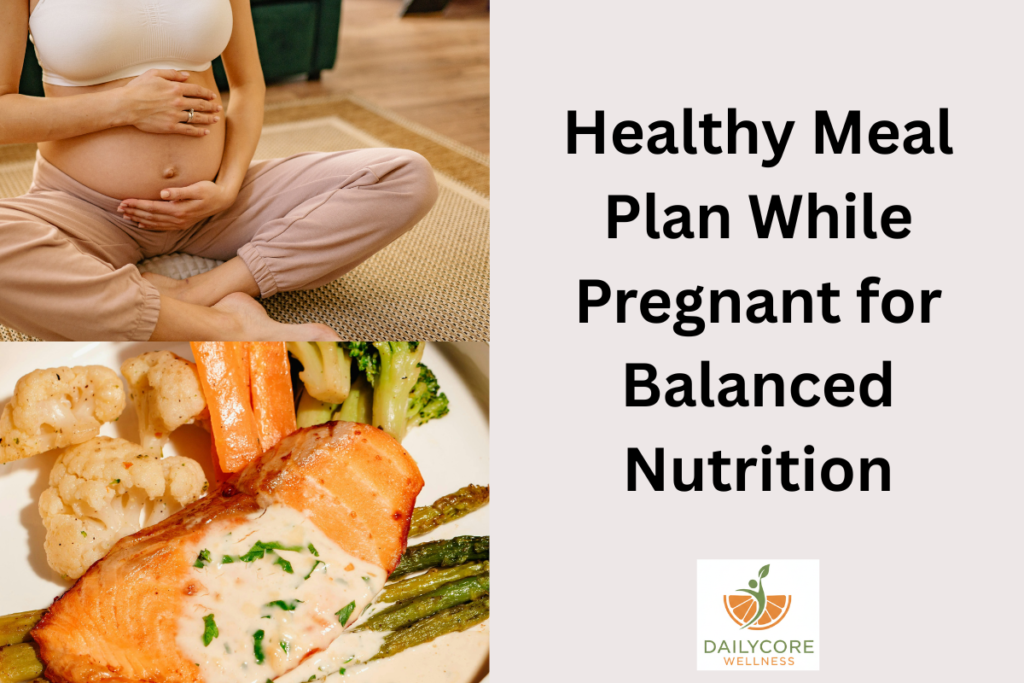
20 Best Healthy Meal Plan While Pregnant for Balanced Nutrition, 11th July 2026
1. Balanced Protein and Whole Grain Breakfast Plan
Start your day with scrambled eggs cooked in olive oil, whole grain toast, and a side of fresh berries. This breakfast provides high-quality protein for fetal tissue growth, complex carbohydrates for sustained energy, and antioxidants for immune support. Add a glass of fortified milk or calcium-enriched plant milk to support bone development. If morning nausea is present, eat slowly and keep portions moderate. This meal helps stabilize blood sugar levels early in the day, reducing fatigue and cravings later. Preparing ingredients the night before can make mornings easier and more consistent.
2. Iron-Rich Lunch Support Plan
For lunch, build a plate with grilled lean beef or lentils, quinoa, sautéed spinach, and roasted bell peppers. This combination provides iron, plant or animal protein, and vitamin C to enhance iron absorption. Iron is essential during pregnancy because blood volume increases significantly. Including whole grains like quinoa adds fiber and supports digestion. Keep portions balanced and include a healthy fat source such as avocado or olive oil. Preparing this meal in batches allows you to maintain consistent iron intake throughout the week without daily cooking stress.
3. Calcium-Focused Midday Plan
A nourishing midday meal could include baked salmon, steamed broccoli, sweet potatoes, and a side of Greek yogurt. Salmon provides omega-3 fatty acids for brain development, while broccoli and yogurt support calcium intake. Sweet potatoes offer complex carbohydrates and beta-carotene for overall immune function. This meal is balanced and gentle on digestion. Keep sodium moderate and prioritize fresh ingredients. Planning this type of calcium-rich meal at least two to three times per week strengthens bone support for both mother and baby while maintaining steady energy levels.
4. Plant-Based Nourishment Plan
For those preferring plant-forward meals, combine chickpea curry, brown rice, sautéed kale, and sliced oranges. Chickpeas provide protein and iron, brown rice offers sustained energy, and kale adds folate and calcium. The vitamin C from oranges improves iron absorption. Cooking with minimal oil and moderate seasoning supports digestion and reduces heartburn risk. This plant-based meal is filling without being heavy. Preparing large portions allows leftovers for future meals, maintaining nutritional consistency while reducing daily effort in the kitchen.
5. Small Frequent Meal Plan for Nausea Relief
If nausea is present, divide meals into smaller portions throughout the day. Start with whole grain crackers and almond butter, followed by a mid-morning banana smoothie with yogurt and spinach. Lunch could be grilled chicken with rice and carrots, while dinner remains light with vegetable soup and whole grain bread. Smaller portions prevent an empty stomach, which can worsen nausea. Keeping protein included in each mini-meal stabilizes blood sugar. Planning meals this way creates a gentle rhythm that supports energy without overwhelming digestion.
6. Fiber and Digestion Support Plan
Constipation is common during pregnancy, so a fiber-rich plan can help. Begin with oatmeal topped with chia seeds and sliced apples. Lunch might include lentil soup with whole grain bread and a side salad. Dinner could consist of baked chicken, roasted vegetables, and barley. Fiber supports healthy digestion and prevents discomfort. Drinking adequate water alongside fiber is essential to avoid bloating. Structuring meals around whole grains, fruits, and vegetables ensures consistent digestive support while maintaining balanced nutrition for overall wellbeing.
7. Omega-3 Brain Development Plan
Include fatty fish such as salmon or sardines twice weekly to support baby’s brain and eye development. A meal might include grilled salmon, wild rice, asparagus, and a side salad with olive oil dressing. Add walnuts or flaxseeds to snacks for additional omega-3 intake. Choose low-mercury fish and cook thoroughly. Pairing healthy fats with complex carbohydrates ensures long-lasting energy. Planning omega-3 meals intentionally throughout the week prevents accidental nutrient gaps and supports optimal fetal growth.
8. High-Protein Energy Stability Plan
To combat fatigue, focus on protein distribution across the day. Breakfast could include Greek yogurt with nuts and berries. Lunch may consist of turkey and avocado whole grain wrap with a side of vegetables. Dinner could include baked tofu or grilled chicken with quinoa and steamed greens. Protein supports muscle maintenance, tissue development, and steady blood sugar. Keeping protein consistent reduces energy crashes and supports fullness. Meal prepping proteins in advance helps maintain structure and prevents reliance on less nutritious convenience foods.
9. Hydration and Electrolyte Support Plan
Proper hydration supports circulation, amniotic fluid levels, and digestion. Start the day with water before coffee or tea. Include hydrating foods like watermelon, cucumber, and oranges in meals. Lunch might include vegetable-rich soup, while dinner includes lean protein with steamed vegetables. Coconut water can be used occasionally for natural electrolytes. Keep a refillable bottle nearby and set reminders if necessary. Structured hydration habits improve energy levels and reduce common pregnancy discomforts such as headaches and constipation.
10. Balanced Dinner for Restful Sleep Plan
Dinner should be nourishing but not overly heavy. Consider baked chicken or tofu, roasted sweet potatoes, and sautéed spinach. Include a small serving of whole grains for steady overnight blood sugar. Avoid excessive spicy or fried foods that may worsen heartburn. A warm cup of milk or fortified plant milk before bed can support relaxation. Eating dinner at a consistent time each evening improves digestion and sleep quality. This structured evening plan supports overnight recovery and prepares the body for the next day.
11. Folate-Focused Early Pregnancy Plan
Folate plays a critical role in early fetal development, particularly in supporting neural tube formation. A daily meal plan can include spinach and mushroom omelet for breakfast, lentil salad with mixed greens for lunch, and black beans with brown rice and roasted vegetables for dinner. Leafy greens, legumes, and fortified whole grains are reliable folate sources. Pairing these foods with vitamin C-rich produce improves nutrient absorption. Maintaining consistent folate intake throughout pregnancy supports steady development. Planning folate-rich meals weekly ensures you meet increased needs without relying solely on supplements.
12. Steady Blood Sugar Balance Plan
Pregnancy can affect blood sugar regulation, making balanced meals essential. Start with oatmeal topped with nuts and seeds, followed by grilled chicken, quinoa, and vegetables for lunch. Dinner could include baked salmon and steamed broccoli with a small sweet potato. Combining protein, fiber, and healthy fats slows digestion and prevents energy spikes. Avoid skipping meals, as long gaps can cause fatigue or dizziness. Structured meal timing every three to four hours helps maintain stability. Consistency in balanced portions supports both maternal energy and overall metabolic health.
13. Healthy Weight Gain Structure Plan
Healthy weight gain during pregnancy is gradual and intentional. A structured plan includes three balanced meals and two nutrient-dense snacks daily. Breakfast might feature eggs and whole grain toast, lunch a turkey and avocado salad, and dinner grilled fish with vegetables and brown rice. Snacks could include yogurt, fruit, or nuts. This approach focuses on nutrient quality rather than excess calories. Avoid highly processed foods and prioritize whole ingredients. Maintaining this rhythm supports appropriate weight gain while ensuring baby receives consistent nourishment.
14. Vegetarian Pregnancy Balance Plan
A vegetarian pregnancy plan can be highly nutritious when carefully structured. Include plant proteins such as tofu, lentils, chickpeas, and tempeh across meals. Breakfast may include fortified cereal with milk, lunch lentil soup with whole grain bread, and dinner tofu stir-fry with vegetables and quinoa. Add nuts and seeds for healthy fats and additional protein. Monitor iron and vitamin B12 intake carefully. Planning diverse plant-based proteins daily ensures balanced amino acid intake and supports healthy development without relying on animal products.
15. Heartburn-Friendly Pregnancy Plan
Heartburn is common, especially in later trimesters. Structure meals to be smaller and spaced evenly throughout the day. Choose baked or grilled proteins, steamed vegetables, and whole grains rather than fried or heavily spiced foods. Oatmeal, bananas, rice, and yogurt are often well tolerated. Avoid lying down immediately after meals and keep evening portions moderate. Planning lighter dinners reduces nighttime discomfort. Maintaining gentle food choices consistently can significantly improve digestion and make pregnancy more comfortable.
16. Iron and Vitamin C Combination Plan
To maximize iron absorption, combine iron-rich foods with vitamin C sources. A sample day could include fortified cereal with strawberries for breakfast, spinach and grilled chicken salad with citrus dressing for lunch, and lentils with roasted red peppers for dinner. This pairing enhances the body’s ability to utilize iron efficiently. Avoid consuming high-calcium foods simultaneously with iron-heavy meals, as calcium can inhibit absorption. Structured planning of nutrient pairings improves overall effectiveness and reduces risk of iron deficiency during pregnancy.
17. Protein Distribution Across the Day Plan
Instead of concentrating protein in one meal, distribute it evenly. Breakfast might include Greek yogurt with seeds, lunch grilled turkey and quinoa bowl, and dinner baked salmon with vegetables. Snacks could include nuts or cottage cheese. This steady distribution supports tissue growth and helps maintain energy. Consistent protein intake reduces excessive hunger and stabilizes blood sugar levels. Preparing protein sources in advance ensures availability and prevents missed opportunities for balanced intake during busy days.
18. Anti-Inflammatory Whole Food Plan
Focus on whole foods rich in antioxidants and healthy fats. Breakfast could include berries and chia pudding, lunch a leafy green salad with olive oil dressing and grilled chicken, and dinner baked fish with roasted vegetables. Include turmeric, ginger, and garlic in cooking for additional support. Avoid heavily processed snacks and refined sugars. This whole-food approach supports immune function and overall wellbeing during pregnancy. Structured weekly planning ensures anti-inflammatory foods remain a consistent part of your routine.
19. Energy-Boosting Complex Carbohydrate Plan
Fatigue is common in pregnancy, particularly during the first and third trimesters. Include complex carbohydrates such as brown rice, oats, sweet potatoes, and whole grain bread in each meal. Pair them with protein and healthy fats for balance. For example, oatmeal with almond butter for breakfast, quinoa bowl with vegetables and chicken for lunch, and baked sweet potato with salmon for dinner. These carbohydrates provide slow-releasing energy. Structured carbohydrate planning prevents sudden energy crashes and supports sustained daily productivity.
20. Weekly Meal Prep Consistency Plan
Planning meals weekly reduces stress and improves nutritional consistency. Dedicate one day to preparing grains, proteins, and chopped vegetables. Store them in portioned containers for quick assembly throughout the week. Having balanced components ready makes it easier to build complete meals even on low-energy days. This approach reduces reliance on takeout or processed foods. Structured preparation saves time, improves nutrient balance, and supports steady eating habits throughout pregnancy. Consistency in preparation leads to consistent nourishment.
Conclusion
A healthy meal plan during pregnancy is not about strict rules or perfection. It is about creating a structured, nourishing system that consistently supports both mother and baby. When meals are built around balanced proteins, complex carbohydrates, healthy fats, fiber, and essential vitamins and minerals, the body receives steady fuel for growth, development, and daily energy. Thoughtful planning reduces guesswork and helps prevent common challenges like fatigue, nutrient deficiencies, and blood sugar fluctuations.
Consistency matters far more than occasional perfection. Preparing simple meals, spacing them evenly throughout the day, and focusing on whole, nutrient-dense foods creates a strong foundation for a healthy pregnancy. Small daily habits — such as including iron-rich foods, staying hydrated, and balancing portions — compound over time into meaningful benefits for both maternal wellbeing and fetal development.
Stay flexible, listen to your body, and adjust your plan as your pregnancy progresses. With structure, preparation, and realistic expectations, healthy eating during pregnancy becomes manageable and sustainable. Steady, mindful nourishment is one of the most powerful investments you can make for a healthy start.
Share this:
- Share on Facebook (Opens in new window) Facebook
- Share on X (Opens in new window) X
- Share on WhatsApp (Opens in new window) WhatsApp
- Share on Threads (Opens in new window) Threads
- Share on LinkedIn (Opens in new window) LinkedIn
- Share on Telegram (Opens in new window) Telegram
- Email a link to a friend (Opens in new window) Email
- Share on Pinterest (Opens in new window) Pinterest