A home workout plan beginner routine is one of the most practical ways to start your fitness journey. It removes the pressure of gym environments and allows you to build strength, endurance, and confidence in a comfortable space. For beginners, the goal is not extreme intensity but learning proper movement patterns and building consistent habits that support long-term progress.
Many beginners struggle because they try to do too much too quickly. They follow advanced routines, train with excessive intensity, or skip foundational exercises. This often leads to soreness, frustration, or quitting altogether. A structured beginner plan focuses on simple, repeatable exercises that gradually improve strength and coordination without overwhelming the body.
Simplicity builds confidence. When workouts are manageable and realistic, consistency improves. Over time, consistent moderate effort leads to noticeable improvements in energy, muscle tone, and overall fitness.
Build a Simple Weekly Structure
Beginners benefit from a clear and repeatable weekly schedule. For example, you might train on Monday, Wednesday, and Friday with rest or light activity on other days. This spacing allows muscles to recover and adapt. Each session should focus on full-body movements to maximize efficiency.
A typical beginner session can include bodyweight squats, wall or knee push-ups, glute bridges, assisted lunges, and planks. These movements train major muscle groups and improve coordination. Perform two to three sets of each exercise with controlled repetitions.
Keep sessions between 20 and 30 minutes. Short workouts reduce overwhelm and make it easier to stay consistent. The goal during the first few weeks is to master form and create a habit of showing up regularly.
Focus on Proper Form and Controlled Movement
For beginners, technique is more important than intensity. Slow, controlled repetitions ensure that muscles are activated correctly and joints are protected. Avoid rushing through exercises. Quality movement builds a strong foundation for future progression.
Using a mirror or recording yourself can help improve alignment. Pay attention to posture during squats and push-ups. Keep the core engaged and maintain steady breathing. Controlled breathing supports endurance and reduces fatigue.
When movements feel comfortable, gradually increase repetitions rather than rushing to advanced variations. Proper form prevents injury and builds confidence, allowing safe progression over time.
Add Light Cardio and mobility work.
Cardiovascular activity improves heart health and supports weight management. Beginners can start with brisk walking, marching in place, low-impact step movements, or light cycling. Twenty minutes of moderate activity on non-strength days is sufficient in the beginning.
Mobility exercises such as hamstring stretches, hip openers, and shoulder rotations improve flexibility and reduce stiffness. These movements enhance recovery and make strength exercises feel smoother.
Recovery is essential. Rest days allow muscles to rebuild and energy levels to stabilize. Sleep, hydration, and balanced nutrition support the body’s adaptation process.
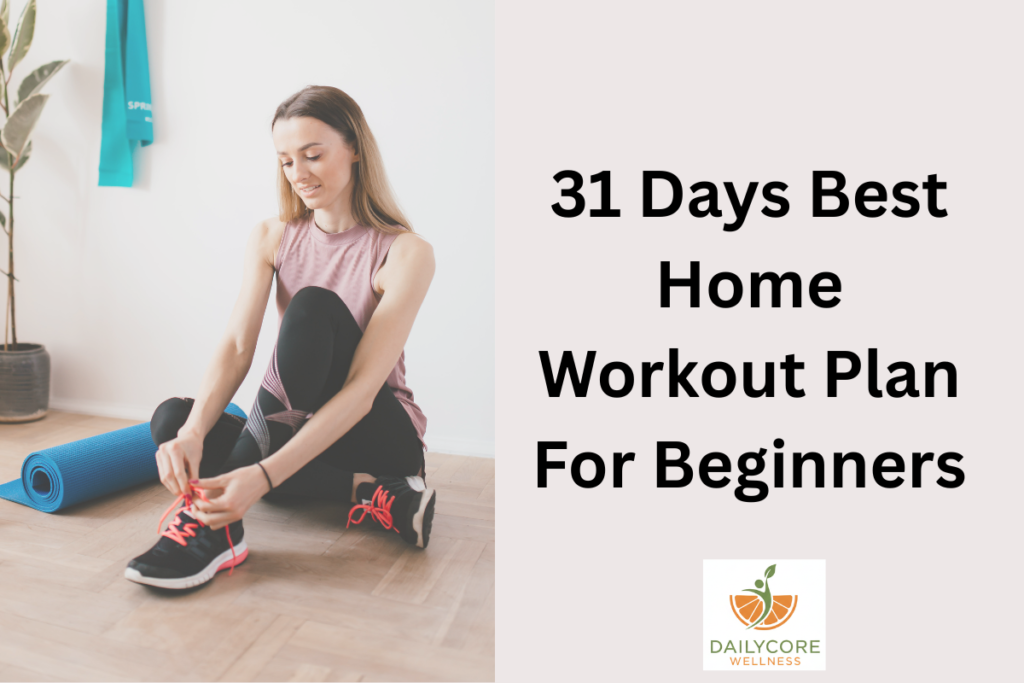
31 Days Best Home Workout Plan For Beginners, 5th September 2026