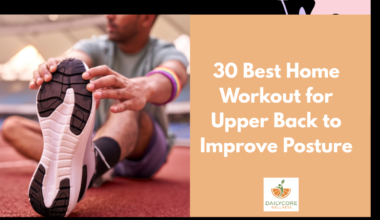
A home workout for the core is essential for building strength, stability, and overall functional fitness. The core is not limited to visible abdominal muscles. It includes the rectus abdominis, obliques, transverse abdominis, lower back, and deep stabilizing muscles surrounding the spine and pelvis. Strengthening these muscles improves posture, balance, and movement efficiency while reducing the risk of injury during daily activities and workouts.
Training your core at home can be highly effective because most exercises rely on body weight and controlled positioning. Planks, leg raises, mountain climbers, and rotational movements can provide significant resistance when performed with proper form. The key is maintaining tension and avoiding momentum.
For best results, train your core three to four times per week. Sessions can be short but intense, focusing on quality contractions and structured progression. With consistency and discipline, a home workout for the core builds strength that enhances every other movement in your fitness routine.
Structure of an Effective Core Routine
A balanced core workout should include:
-
One stability exercise (plank variations)
-
One lower abdominal movement
-
One rotational or oblique exercise
-
One dynamic movement for endurance
-
Optional lower back strengthening exercise
Perform exercises in circuits for 3–4 rounds, resting 30–60 seconds between rounds. Focus on maintaining constant tension and controlled breathing throughout.
Progressive Overload for Core Development
Core muscles adapt quickly, so progression is necessary. You can increase difficulty by:
-
Extending plank duration
-
Slowing tempo
-
Adding pauses
-
Increasing repetitions
-
Incorporating resistance bands
-
Elevating feet for added leverage
Tracking duration and repetitions ensures steady improvement over time.

30 Smart Home Workouts for Core Strength, 11th July 2026
1. Master the basic plank first.
The plank is foundational for core stability. Maintain a straight line from shoulders to heels, engage your abdominal muscles, and avoid letting your hips sag. Focus on breathing steadily while keeping your core tight. Start with 20–30 seconds and gradually increase duration. Proper plank form builds endurance in deep stabilizing muscles and protects the lower back. Avoid rushing progression; prioritize alignment and tension. Consistent plank training improves posture and strengthens the entire midsection.
2. Engage your transverse abdominis.
The transverse abdominis is a deep core muscle that acts like a natural corset. To activate it, gently draw your belly button inward while maintaining steady breathing. This activation stabilizes the spine and enhances control during exercises. Training this muscle improves overall core strength and reduces lower back strain. Practice engaging it during planks, leg raises, and standing movements. Over time, strong deep core activation enhances performance and posture.
3. Include leg raises for lower abs.
Leg raises effectively target the lower portion of the abdominal muscles. Perform them slowly while keeping your lower back pressed into the floor. Avoid swinging your legs, as momentum reduces effectiveness. If needed, bend your knees to reduce difficulty. Controlled leg raises increase lower abdominal strength and improve pelvic stability. Gradual progression can include straightening the legs or slowing the tempo.
4. Train obliques with rotational control.
Oblique muscles support rotation and lateral stability. Exercises such as Russian twists and side planks strengthen these muscles effectively. Focus on controlled rotation rather than speed. Avoid excessive spinal twisting; instead, engage your core to guide movement. Strong obliques improve balance and protect the spine during daily activities and sports.
5. Add mountain climbers for endurance.
Mountain climbers combine core activation with cardiovascular intensity. Maintain plank alignment while driving knees toward your chest in a controlled rhythm. Avoid bouncing or lifting hips excessively. This movement strengthens the core while increasing heart rate. Structured intervals, such as 30 seconds on and 30 seconds off, enhance endurance and fat-burning potential.
6. Focus on controlled breathing.
Breathing technique significantly impacts core engagement. Exhale during exertion and maintain steady inhalation throughout each movement. Controlled breathing stabilizes the spine and improves endurance. Avoid holding your breath for extended periods. Proper breathing patterns increase effectiveness and prevent unnecessary tension.
7. Strengthen the lower back.
A balanced core includes the lower back muscles. Exercises like supermans or bird-dogs strengthen posterior stabilizers. Controlled movement is essential to avoid strain. Strengthening the lower back improves spinal support and reduces injury risk. Balanced development ensures functional stability.
8. Increase plank variations gradually.
Once standard planks become manageable, progress to side planks, plank shoulder taps, or elevated planks. Variation challenges stability and prevents adaptation. Structured progression enhances muscle endurance and strength without requiring equipment.
9. Avoid excessive crunch repetitions.
High-repetition crunches often strain the neck and provide limited functional benefit. Instead, focus on controlled, moderate repetitions with proper tension. Quality outweighs quantity in core training. Structured sets produce better results than rushed movements.
10. Train core consistently.
Consistency builds visible and functional strength. Three to four sessions weekly create measurable progress. Short, focused workouts are more effective than occasional long sessions. Steady practice strengthens stability and improves overall fitness performance.
1. Master the basic plank first.
The plank is foundational for core stability. Maintain a straight line from shoulders to heels, engage your abdominal muscles, and avoid letting your hips sag. Focus on breathing steadily while keeping your core tight. Start with 20–30 seconds and gradually increase duration. Proper plank form builds endurance in deep stabilizing muscles and protects the lower back. Avoid rushing progression; prioritize alignment and tension. Consistent plank training improves posture and strengthens the entire midsection.
2. Engage your transverse abdominis.
The transverse abdominis is a deep core muscle that acts like a natural corset. To activate it, gently draw your belly button inward while maintaining steady breathing. This activation stabilizes the spine and enhances control during exercises. Training this muscle improves overall core strength and reduces lower back strain. Practice engaging it during planks, leg raises, and standing movements. Over time, strong deep core activation enhances performance and posture.
3. Include leg raises for lower abs.
Leg raises effectively target the lower portion of the abdominal muscles. Perform them slowly while keeping your lower back pressed into the floor. Avoid swinging your legs, as momentum reduces effectiveness. If needed, bend your knees to reduce difficulty. Controlled leg raises increase lower abdominal strength and improve pelvic stability. Gradual progression can include straightening the legs or slowing the tempo.
4. Train obliques with rotational control.
Oblique muscles support rotation and lateral stability. Exercises such as Russian twists and side planks strengthen these muscles effectively. Focus on controlled rotation rather than speed. Avoid excessive spinal twisting; instead, engage your core to guide movement. Strong obliques improve balance and protect the spine during daily activities and sports.
5. Add mountain climbers for endurance.
Mountain climbers combine core activation with cardiovascular intensity. Maintain plank alignment while driving knees toward your chest in a controlled rhythm. Avoid bouncing or lifting hips excessively. This movement strengthens the core while increasing heart rate. Structured intervals, such as 30 seconds on and 30 seconds off, enhance endurance and fat-burning potential.
6. Focus on controlled breathing.
Breathing technique significantly impacts core engagement. Exhale during exertion and maintain steady inhalation throughout each movement. Controlled breathing stabilizes the spine and improves endurance. Avoid holding your breath for extended periods. Proper breathing patterns increase effectiveness and prevent unnecessary tension.
7. Strengthen the lower back.
A balanced core includes the lower back muscles. Exercises like supermans or bird-dogs strengthen posterior stabilizers. Controlled movement is essential to avoid strain. Strengthening the lower back improves spinal support and reduces injury risk. Balanced development ensures functional stability.
8. Increase plank variations gradually.
Once standard planks become manageable, progress to side planks, plank shoulder taps, or elevated planks. Variation challenges stability and prevents adaptation. Structured progression enhances muscle endurance and strength without requiring equipment.
9. Avoid excessive crunch repetitions.
High-repetition crunches often strain the neck and provide limited functional benefit. Instead, focus on controlled, moderate repetitions with proper tension. Quality outweighs quantity in core training. Structured sets produce better results than rushed movements.
10. Train core consistently.
Consistency builds visible and functional strength. Three to four sessions weekly create measurable progress. Short, focused workouts are more effective than occasional long sessions. Steady practice strengthens stability and improves overall fitness performance.
24. Use timed intervals strategically.
Timed intervals help structure your core workouts and maintain consistent intensity. Instead of counting repetitions, perform each exercise for a set duration, such as 30 to 45 seconds, followed by 15 to 30 seconds of rest. This approach improves muscular endurance while keeping your heart rate elevated. Timed circuits are especially effective for planks, mountain climbers, and flutter kicks. Using a timer ensures accountability and prevents undertraining. As your endurance improves, gradually extend the work period or reduce rest time. Structured intervals create measurable progression and keep your home core workouts efficient and focused.
25. Combine static and dynamic exercises.
A balanced core routine should include both static holds and dynamic movements. Static exercises like planks and hollow holds build endurance and deep stabilizing strength. Dynamic movements such as leg raises and bicycle crunches develop controlled motion and muscular coordination. Combining both methods ensures comprehensive core activation. Static work trains stability, while dynamic exercises improve movement efficiency. This combination enhances functional strength and supports athletic performance. Rotating between static and dynamic exercises within the same session keeps muscles challenged and prevents adaptation. Structured variation leads to better long-term results and improved overall core development.
26. Avoid overtraining your core.
Although the core muscles are resilient, they still require recovery to grow stronger. Training intensely every day can lead to fatigue, decreased performance, and potential strain. Schedule at least one or two rest days per week between challenging core sessions. Active recovery such as light stretching or walking can support circulation without overloading the muscles. Recovery allows muscle fibers to repair and adapt, which leads to improved strength and endurance. Balanced programming ensures sustainable progress. Overtraining often slows development, so prioritize consistency with proper rest rather than excessive daily intensity.
27. Progress gradually with difficulty.
Core exercises should become progressively more challenging as your strength improves. Instead of making sudden jumps in intensity, increase difficulty gradually. Extend plank durations by 10 to 15 seconds, slow down tempo, or incorporate more advanced variations such as side plank leg lifts. Gradual progression maintains proper form and reduces injury risk. Sudden increases in workload often compromise technique. Steady advancement ensures muscles adapt effectively without excessive strain. Tracking improvements weekly provides structure and motivation. Progressive overload remains essential for continued growth, even in bodyweight-based home core routines.
28. Maintain consistent breathing patterns.
Breathing properly during core exercises improves endurance and muscle activation. Many people hold their breath unconsciously, which increases tension and reduces performance. Instead, inhale steadily through your nose and exhale during exertion. Controlled breathing stabilizes the spine and supports deeper abdominal engagement. Proper oxygen flow also enhances stamina during longer holds such as planks. Practicing consistent breathing reduces fatigue and prevents dizziness. Developing this habit improves overall workout efficiency and supports better long-term progress in your home core training program.
29. Track your progress weekly.
Monitoring your performance helps maintain motivation and ensure steady improvement. Record plank durations, repetition counts, and total sets completed during each session. Tracking data allows you to identify patterns and adjust intensity appropriately. Small improvements over time accumulate into significant strength gains. Without tracking, it becomes difficult to measure progress accurately. Structured documentation reinforces accountability and keeps workouts goal-oriented. Reviewing your progress weekly provides clarity and encourages consistent effort. A systematic approach ensures your home core training remains effective and progressive.
30. Stay consistent long term.
Consistency is the foundation of core strength development. Short, focused sessions performed regularly are more effective than occasional intense workouts. Establish a weekly routine and commit to it regardless of fluctuations in motivation. Core muscles respond best to steady training combined with adequate recovery. Over time, consistent effort improves posture, balance, and overall functional performance. Visible abdominal definition also depends on nutrition and overall body composition, so maintain a balanced approach. Long-term discipline transforms simple home exercises into lasting strength and stability improvements.