Home workouts for women’s abs make provision for a practical and sustainable way to build core strength, improve posture, and enhance overall body definition without relying on gym equipment. Strong abdominal muscles are not only important for aesthetic goals but also for supporting spinal stability, balance, and functional movement. When properly structured, core training at home can produce measurable improvements in endurance, control, and muscle tone.
Consistency plays a central role in achieving results. Visible abdominal definition is influenced by body composition, which depends on both structured training and nutritional discipline. Core exercises strengthen and tone the muscles, while balanced dietary habits support fat management. Together, these elements create sustainable and long-term progress.
Developing strong abs at home requires patience and structured programming. Random workouts may produce temporary fatigue but rarely lead to lasting change. A disciplined plan that integrates stability exercises, dynamic movements, and gradual progression ensures effective development and long-term success.
Why Core Training Is Crucial For Women
Core strength supports nearly every daily movement, from lifting objects to maintaining proper posture during prolonged sitting. Weak abdominal muscles may contribute to lower back discomfort, poor posture, and reduced balance. A structured home workout for women’s abs strengthens the muscles responsible for stabilizing the spine, enhancing both functional performance and injury prevention. Improved core stability also supports other fitness activities, including strength training and cardiovascular exercise.
Beyond functional benefits, abdominal strength contributes to improved body confidence and alignment. Strong core muscles enhance posture by reducing forward shoulder rounding and supporting spinal alignment. Balanced training ensures that both superficial and deep abdominal muscles develop proportionally. This comprehensive approach promotes structural health while supporting aesthetic goals sustainably.
Core Concept of Effective Ab Training at Home
An effective home workout for women’s abs prioritizes quality over quantity. Controlled tempo, proper breathing, and deliberate muscle engagement ensure optimal activation. Exercises such as planks, leg raises, and rotational movements stimulate different regions of the core. Progression can be achieved by increasing hold duration, adding repetitions, or incorporating more challenging variations.
Equally important is recovery. Core muscles require adequate rest to repair and strengthen. Training two to three times per week provides sufficient stimulus without overtraining. When combined with balanced nutrition and consistent scheduling, these principles support sustainable core development and long-term results.
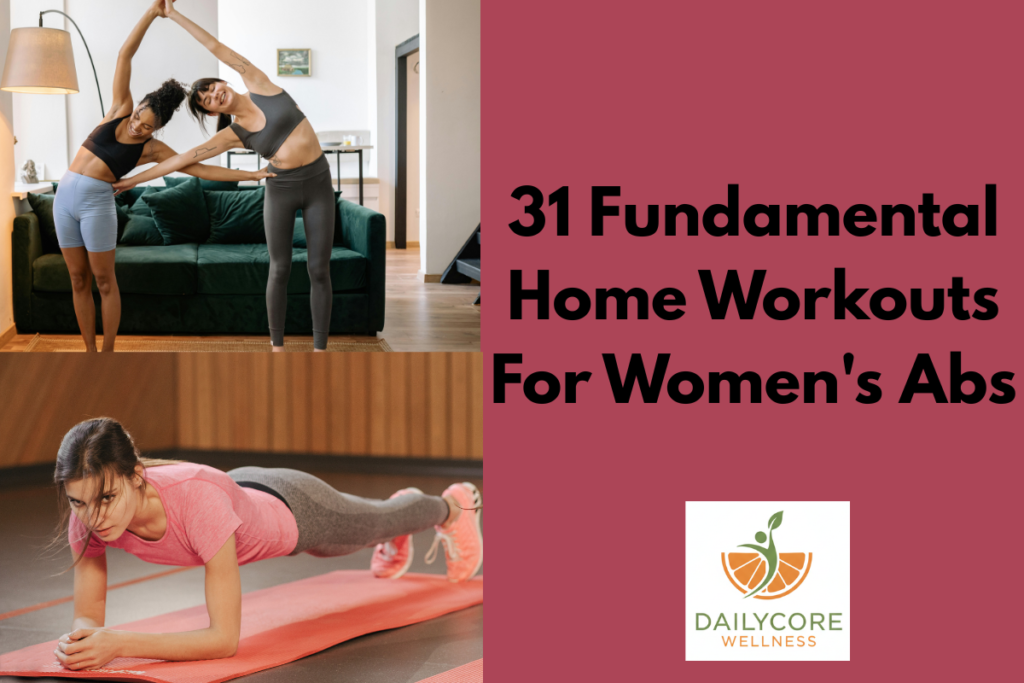
31 Fundamental Tips For Effective Home Workouts For Women’s Abs, 6th September 2026
1. Establish Clear and Realistic Fitness Goals
An effective home workout for women begins with clearly defined and realistic fitness goals. Without direction, workouts can become inconsistent and unstructured, leading to slow or minimal progress. Identify whether your focus is fat loss, muscle toning, strength development, endurance, or overall wellness. Specific goals allow you to choose appropriate exercises, determine training frequency, and measure improvement over time. For example, strength-focused routines may emphasize progressive overload, while endurance goals may require higher repetitions and shorter rest periods. Clear objectives also enhance motivation and accountability. When women understand what they are working toward, they are more likely to remain consistent and committed to long-term success.
2. Build a Structured Weekly Workout Plan
Consistency is easier to maintain when workouts are planned. A structured weekly home workout schedule helps balance strength training, cardiovascular activity, mobility, and recovery. Instead of exercising randomly, designate specific days for upper body, lower body, core, and full-body sessions. This approach prevents overtraining one muscle group while neglecting others. Planning also allows adequate rest, which is essential for muscle repair and growth. Women who follow a structured routine experience better progression because workouts are intentional rather than reactive. Writing down the plan or tracking it digitally increases adherence. A well-organized weekly framework promotes discipline, reduces guesswork, and improves measurable results over time.
3. Prioritize Proper Form and Technique
Proper form is essential for maximizing results and minimizing injury risk. In a home workout for women, it can be tempting to rush through movements or focus solely on repetition counts. However, technique determines effectiveness. Engaging the correct muscles during squats, lunges, push-ups, and core exercises ensures targeted stimulation and balanced development. Poor form can lead to joint strain, muscle imbalances, and long-term setbacks. Taking time to understand alignment, posture, and controlled movement significantly improves training quality. Slower, deliberate repetitions enhance muscle engagement and stability. Women who prioritize technique build strength safely and sustainably, laying a strong foundation for more advanced exercises in the future.
4. Incorporate Progressive Overload
Progressive overload is the principle of gradually increasing workout intensity to stimulate continued improvement. Without progression, the body adapts and results plateau. Women can apply progressive overload at home by increasing repetitions, extending workout duration, adding resistance bands, using light dumbbells, or slowing tempo to increase time under tension. Even small increments create meaningful change over time. Consistent progression challenges muscles, improves endurance, and enhances strength. It is important to progress gradually to avoid strain or burnout. Tracking performance allows for strategic adjustments. When applied correctly, progressive overload ensures that a home workout for women remains effective and aligned with long-term fitness goals.
5. Balance Strength Training with Cardiovascular Exercise
An effective home workout for women should combine strength training and cardiovascular activity. Strength exercises build lean muscle, improve metabolism, and enhance bone density, while cardio supports heart health and assists with fat management. Integrating both creates a comprehensive and balanced fitness approach. For example, alternating strength sessions with moderate-intensity cardio such as brisk walking, skipping, or bodyweight circuits improves endurance and recovery. This combination also prevents monotony and promotes overall conditioning. Women who balance these components often experience improved body composition and functional fitness. A well-rounded routine enhances energy levels, supports hormonal balance, and contributes to sustainable, long-term health outcomes.
6. Prioritize Consistency Over Intensity
One of the most important principles of an effective home workout for women is consistency. Many beginners start with high intensity and unrealistic expectations, only to lose momentum after a few weeks. Sustainable progress comes from showing up regularly rather than pushing to exhaustion occasionally. Establish a manageable routine that fits your schedule and energy levels. Even moderate sessions performed consistently yield better long-term results than sporadic extreme workouts. Consistency strengthens habits, improves neuromuscular coordination, and builds endurance gradually. Over time, small, repeated efforts compound into a visible transformation. Women who focus on steady participation rather than perfection are more likely to achieve lasting improvements in strength, tone, and overall health.
7. Allow Adequate Recovery and Rest Days
Recovery is a critical component of any structured home workout for women. Muscles repair and grow stronger during rest periods, not during exercise itself. Without adequate recovery, fatigue accumulates, performance declines, and the risk of injury increases. Scheduling at least one or two rest days per week allows the body to restore energy and repair muscle tissue. Active recovery activities, such as light stretching or gentle walking, can support circulation without overloading the muscles. Proper sleep also enhances hormonal balance and muscle repair. Women who respect recovery periods often experience more consistent progress and fewer setbacks, ensuring that their training remains effective and sustainable over time.
8. Maintain Proper Nutrition and Hydration
Training effectiveness depends heavily on nutritional support. A balanced diet that includes adequate protein, complex carbohydrates, healthy fats, and essential micronutrients fuels performance and aids recovery. Protein supports muscle repair, while carbohydrates provide energy for workouts. Hydration is equally important, as even mild dehydration can reduce strength and endurance. Drinking sufficient water before and after exercise maintains performance levels and supports metabolic processes. Women who align their nutrition with their training goals experience improved results and faster recovery. Rather than restrictive dieting, focus on balanced, nutrient-dense meals that complement your home workout routine. Sustainable dietary habits enhance long-term strength, tone, and overall vitality.
9. Create a Dedicated Workout Space
A consistent environment can significantly improve focus and discipline. Establishing a designated workout space at home helps create a mental association with training. Even a small, organized area with a mat and minimal equipment can enhance motivation and reduce distractions. When the space is prepared in advance, there are fewer excuses to skip sessions. A clean and structured environment supports concentration and improves movement quality. Women who create a dedicated fitness area often find it easier to maintain routine and accountability. This simple step transforms home workouts from casual activity into a structured practice, reinforcing commitment and encouraging long-term adherence.
10. Track Progress and Adjust Accordingly
Monitoring progress provides measurable feedback and reinforces motivation. Keeping records of repetitions, workout duration, resistance levels, and perceived effort helps identify improvements and areas that require adjustment. Without tracking, it becomes difficult to determine whether the body is adapting or plateauing. Regular assessment allows for strategic modifications such as increasing intensity, varying exercises, or adjusting frequency. Women who document their workouts gain clarity and direction in their fitness journey. Tracking also builds accountability and reinforces discipline. By evaluating performance consistently, a home workout for women remains purposeful, progressive, and aligned with evolving fitness goals.
11. Focus on Mind–Muscle Connection
Developing a strong mind–muscle connection significantly improves the effectiveness of a home workout for women. Rather than simply moving through repetitions, concentrate on actively engaging the targeted muscle groups during each exercise. For example, during squats, consciously activate the glutes and core instead of allowing momentum to control the movement. This intentional focus enhances muscle recruitment, improves coordination, and increases overall workout efficiency. Slower, controlled repetitions support better awareness and reduce reliance on improper form. Over time, strengthening the connection between mental focus and physical movement leads to better muscle tone and balanced development. Women who train with deliberate concentration often achieve more noticeable and sustainable results.
12. Incorporate Flexibility and Mobility Training
Flexibility and mobility are often overlooked but are essential components of an effective home workout for women. Tight muscles can limit range of motion, reduce performance, and increase the risk of strain or injury. Integrating stretching routines and mobility drills improves joint health and enhances movement efficiency. Dynamic stretching before workouts prepares muscles for activity, while static stretching afterward supports recovery and flexibility gains. Improved mobility allows for better execution of strength exercises such as lunges, squats, and push-ups. Women who prioritize flexibility experience smoother movement patterns and improved posture. Over time, consistent mobility training contributes to long-term performance and reduces the likelihood of setbacks.
13. Vary Your Workouts to Prevent Plateaus
Performing the same routine repeatedly can lead to adaptation, where progress slows because the body becomes accustomed to the stimulus. Introducing variety challenges muscles in new ways and promotes continued improvement. This may involve adjusting exercise order, modifying repetition schemes, incorporating resistance bands, or trying different workout formats such as circuits or interval training. Variation keeps training mentally engaging while stimulating different muscle fibers. However, changes should remain structured and aligned with fitness goals. Women who strategically vary their home workouts maintain motivation and experience steady progression. Preventing plateaus ensures that results continue to develop over time without stagnation.
14. Strengthen the Entire Body, Not Just Target Areas
While many women may focus on specific areas such as the abs, glutes, or arms, balanced full-body training is essential for long-term success. Strengthening all major muscle groups improves posture, enhances metabolism, and supports functional movement. Neglecting certain areas can lead to muscular imbalances and discomfort. Incorporating upper body, lower body, and core exercises within a weekly plan ensures structural harmony and reduces injury risk. Full-body engagement also increases calorie expenditure and promotes overall conditioning. Women who adopt a comprehensive training approach often experience improved coordination and strength. Balanced development creates a stronger foundation for sustained progress and better overall fitness outcomes.
15. Maintain Long-Term Perspective and Patience
Sustainable transformation requires patience and realistic expectations. Quick fixes or extreme routines often lead to burnout or disappointment. A home workout for women becomes most effective when approached with a long-term mindset focused on gradual improvement. Visible changes in strength, endurance, and muscle tone occur through consistent effort over weeks and months. Recognizing small milestones, such as increased repetitions or improved stability, reinforces motivation. Patience reduces frustration and encourages disciplined habits. Women who commit to steady progress rather than rapid results are more likely to maintain their fitness routines. A long-term perspective transforms exercise from a temporary challenge into a lasting lifestyle practice.
16. Emphasize Core Stability in Every Session
Core stability should be integrated into nearly every home workout for women, regardless of whether the primary focus is upper body, lower body, or full-body training. A strong core supports proper alignment, improves balance, and enhances overall strength output. Engaging the abdominal muscles during exercises such as squats, lunges, and push-ups reinforces stability and protects the lower back. Instead of isolating core work to a single day, incorporate stabilization principles consistently throughout your routine. This approach strengthens foundational muscles that influence posture and functional movement. Women who prioritize core stability often notice improved coordination, reduced discomfort, and better performance across all exercises.
17. Use Bodyweight Mastery Before Adding Resistance
Before introducing additional resistance, it is important to master bodyweight movements with proper form and control. Exercises such as push-ups, squats, glute bridges, and planks provide an effective foundation for strength development. Perfecting alignment and movement mechanics ensures balanced muscle engagement and reduces the likelihood of injury. Once bodyweight variations become manageable and technically sound, resistance bands or light weights can be added gradually. Women who build a solid base through bodyweight training develop greater confidence and long-term resilience. Mastery of fundamental movements enhances muscle activation and prepares the body for more advanced progressions without unnecessary strain.
18. Manage Workout Intensity Strategically
Intensity management plays a critical role in sustainable progress. Not every session should be performed at maximum effort. Alternating between moderate and challenging workouts allows the body to adapt without experiencing excessive fatigue. Monitoring perceived exertion, energy levels, and recovery signals helps determine when to push harder or scale back. Overtraining can hinder results and increase injury risk, while undertraining may slow progress. Women who approach intensity strategically create a balanced training rhythm that supports consistent improvement. By adjusting intensity according to recovery capacity and weekly workload, home workouts remain productive and aligned with long-term fitness goals.
19. Strengthen Posture Through Targeted Exercises
Postural strength is often overlooked in home training routines, yet it significantly influences appearance and physical comfort. Exercises that strengthen the upper back, shoulders, and core help counteract prolonged sitting and poor alignment. Incorporating movements such as reverse fly variations, back extensions, and scapular retractions improves spinal positioning and muscular balance. Proper posture enhances breathing efficiency and reduces tension in the neck and shoulders. Women who focus on postural strength frequently experience improved confidence and reduced discomfort during daily activities. Over time, improved alignment contributes to a more balanced physique and supports overall structural health.
20. Maintain Accountability and Self-Discipline
Long-term success in a home workout for women depends heavily on accountability and personal discipline. Without the structure of a gym environment or trainer supervision, it becomes essential to cultivate internal motivation. Setting reminders, scheduling sessions in advance, and tracking progress reinforce commitment. Sharing goals with a friend or maintaining a fitness journal can further enhance accountability. Discipline transforms exercise from an occasional activity into a consistent habit. Women who treat home workouts as scheduled appointments rather than optional tasks are more likely to sustain progress. Building accountability systems strengthens commitment and supports enduring fitness achievements.
21. Set Performance-Based Milestones
Focusing solely on aesthetic goals can lead to frustration, especially when visible changes take time. Incorporating performance-based milestones into a home workout for women creates measurable and motivating benchmarks. Examples include increasing plank duration, performing additional push-ups, or completing circuits with improved endurance. These achievements reflect genuine strength and conditioning improvements, even before physical changes become obvious. Tracking performance progress reinforces consistency and builds confidence. Women who set functional milestones shift their mindset from appearance-driven expectations to strength-based accomplishments. This approach fosters sustainable motivation and encourages long-term adherence to structured training without relying exclusively on short-term visual results.
22. Improve Time Efficiency with Structured Circuits
Time constraints often interfere with workout consistency. Structuring exercises into efficient circuits allows women to maximize results within limited time frames. Combining strength, core, and light cardiovascular movements in a continuous format maintains an elevated heart rate while building muscle endurance. Circuits reduce downtime and improve metabolic conditioning. Planning circuits strategically ensures balanced muscle engagement without overworking a single area. Women who utilize time-efficient training formats are more likely to remain consistent, especially when balancing professional and personal responsibilities. Structured circuits provide both effectiveness and practicality, making home workouts manageable and sustainable over extended periods.
23. Strengthen the Posterior Chain
A well-rounded home workout for women should emphasize posterior chain development, including the glutes, hamstrings, and lower back. Many daily activities promote forward posture, leading to muscular imbalances. Incorporating exercises such as glute bridges, hip hinges, and controlled back extensions improves balance and structural alignment. Strengthening the posterior chain enhances athletic performance and supports lower back health. Women who train these muscles consistently often experience improved posture, greater power in lower body movements, and reduced discomfort during prolonged sitting. Balanced muscle development ensures that strength gains are functional and contribute to long-term physical resilience.
24. Practice Controlled Rest Intervals
Rest periods significantly influence training outcomes. Shorter rest intervals increase cardiovascular demand, while longer rests support strength-focused efforts. Managing rest intentionally ensures that workouts align with specific goals. For muscle toning and endurance, moderate rest intervals maintain intensity without excessive fatigue. Women who monitor rest periods avoid distractions and preserve workout flow. Using a timer can improve consistency and focus. Controlled recovery between sets enhances training efficiency and supports measurable progression. By treating rest as a strategic component rather than an afterthought, home workouts become more structured and aligned with targeted fitness objectives.
25. Cultivate a Growth-Oriented Mindset
Mental resilience plays a vital role in sustaining a home workout for women. Progress is rarely linear, and temporary plateaus or fluctuations in motivation are normal. Adopting a growth-oriented mindset allows women to view challenges as opportunities for improvement rather than setbacks. Reflecting on improvements in strength, endurance, and discipline reinforces positive habits. Celebrating small wins encourages continued effort. Long-term transformation depends on patience and consistency rather than immediate perfection. Women who cultivate mental strength alongside physical training are more likely to maintain their routines, overcome obstacles, and achieve lasting health and fitness success.
26. Schedule Workouts at a Fixed Time
Consistency improves significantly when workouts are performed at a fixed time each day. Treating your home workout for women as a non-negotiable appointment reduces procrastination and builds discipline. Morning sessions may enhance energy and focus throughout the day, while evening workouts can serve as stress relief. The key is choosing a time that aligns with your lifestyle and maintaining it consistently. Fixed scheduling conditions the mind to expect physical activity at a certain hour, making adherence easier over time. Women who establish a routine time frame are less likely to skip sessions and more likely to maintain steady long-term progress.
27. Prioritize Quality Over Quantity
More repetitions do not automatically translate into better results. Executing each movement with precision, controlled tempo, and proper alignment ensures maximum muscle engagement. Rushed exercises often reduce effectiveness and increase injury risk. Focusing on quality allows the targeted muscles to work efficiently, supporting strength development and toning. Shorter, well-executed sessions can be more productive than extended workouts performed with poor form. Women who emphasize quality build a strong foundation for sustainable improvement. Attention to technique reinforces muscular balance and supports safe progression, ensuring that home workouts remain productive and aligned with long-term goals.
28. Adjust Workouts to Hormonal and Energy Fluctuations
Women may experience natural variations in energy, strength, and recovery due to hormonal cycles. Listening to the body and adjusting intensity accordingly promotes sustainable training. On lower-energy days, moderate-intensity sessions or mobility work may be more beneficial than high-intensity circuits. During periods of higher energy, strength-based workouts can be emphasized. This adaptive approach prevents burnout and supports hormonal balance. Women who recognize and respect physiological changes often maintain greater consistency because workouts feel supportive rather than exhausting. Strategic flexibility enhances long-term adherence and ensures that training remains effective without compromising overall well-being.
29. Reinforce Discipline Through Habit Stacking
Habit stacking involves attaching a new habit to an existing routine, increasing the likelihood of consistency. For example, performing a short workout immediately after morning coffee or before an evening shower creates a predictable sequence. Linking exercise to established daily patterns reduces decision fatigue and builds momentum. Women who incorporate habit stacking into their home workout routine often experience improved adherence because the activity becomes integrated into daily life rather than treated as an isolated task. Over time, repetition transforms effort into automatic behavior, strengthening both discipline and long-term commitment to physical health.
30. Reassess and Refine Goals Periodically
Regular reassessment ensures that your home workout for women remains aligned with evolving goals. As strength improves and endurance increases, initial objectives may no longer provide sufficient challenge. Reviewing performance metrics, body composition changes, and overall well-being allows for strategic adjustments. This may include increasing resistance, modifying training frequency, or introducing new exercise variations. Women who periodically evaluate their progress maintain forward momentum and avoid stagnation. Continuous refinement ensures that workouts remain purposeful and growth-oriented, supporting sustained physical development and long-term success.
31. Build a Supportive Environment
A supportive environment significantly influences long-term fitness outcomes. This includes surrounding yourself with encouraging individuals, accessing reliable educational resources, and maintaining a space that promotes focus. Whether through online communities, accountability partners, or family support, encouragement reinforces commitment. Women who cultivate positive reinforcement and eliminate distractions are better positioned to sustain consistent effort. Environmental structure reduces obstacles and enhances motivation. When home workouts are supported by both internal discipline and external encouragement, adherence improves, and long-term transformation becomes more attainable.
Conclusion
A structured home workout for women’s abs offers a sustainable pathway to improved strength, posture, and muscle tone. By targeting all regions of the core and emphasizing controlled movement, women can develop a strong and stable midsection without gym equipment. Comprehensive training enhances both functionality and aesthetics.
Long-term success depends on consistent execution and gradual progression. Rushing results or relying solely on high-repetition exercises limits effectiveness. Structured programming ensures balanced development and measurable improvement over time.
Nutrition, recovery, and scheduling play essential roles in visible outcomes. Core exercises strengthen muscles, while balanced dietary habits influence body composition. Integrating these elements supports lasting transformation.