Beginner’s weight lifting for women is one of the most effective strategies for improving body composition, increasing strength, and building long-term confidence. Contrary to outdated myths, strength training does not create excessive bulk. Instead, it helps women develop lean muscle, improve posture, strengthen bones, and enhance overall metabolic health. Starting with the right knowledge ensures safe progress and sustainable results.
One of the greatest benefits of beginner’s weight lifting for women is its impact on metabolism. Muscle tissue requires more energy than fat tissue, meaning consistent strength training supports long-term fat loss and weight management. It also improves insulin sensitivity, hormonal balance, and bone density, which are particularly important for women as they age.
Most importantly, beginner’s weight lifting for women builds mental resilience. As strength improves week after week, confidence grows alongside physical capability. This guide outlines essential principles, practical structure, and actionable tips to help you begin safely and maintain progress for years to come.
Why Beginner’s Weight Lifting for Women Matters
Beginner’s weight lifting for women is more than an aesthetic tool; it is a foundational health investment. Resistance training improves muscle tone, strengthens connective tissues, and enhances joint stability. These benefits reduce injury risk in daily activities and recreational sports. Additionally, lifting weights helps maintain bone mineral density, significantly lowering the risk of osteoporosis later in life.
Beyond physical health, structured weight training positively influences mood and cognitive performance. Strength sessions stimulate endorphin release and reduce stress levels. As measurable progress becomes visible—whether through increased repetitions or heavier loads—self-efficacy improves. This creates a reinforcing cycle of motivation and discipline that supports consistency. When implemented properly, beginner’s weight lifting for women becomes a sustainable lifestyle habit rather than a temporary program.
How to Structure a Beginner Strength Training Program
A well-designed beginner’s weight lifting for women program should include three to four sessions per week. Each session should prioritize compound movements such as squats, hip hinges, presses, and rows. Compound exercises recruit multiple muscle groups simultaneously, maximizing efficiency and improving coordination. Beginners should aim for two to three sets per exercise with moderate repetitions, typically between 8 and 12 reps.
Progression must be gradual and measurable. Increasing weight by small increments, improving repetition quality, or extending time under tension ensures continuous adaptation. Rest periods of 60 to 90 seconds allow sufficient recovery while maintaining intensity. Incorporating at least one full rest day between sessions supports muscle repair and growth. Consistency with proper form is more important than lifting heavier weights prematurely.
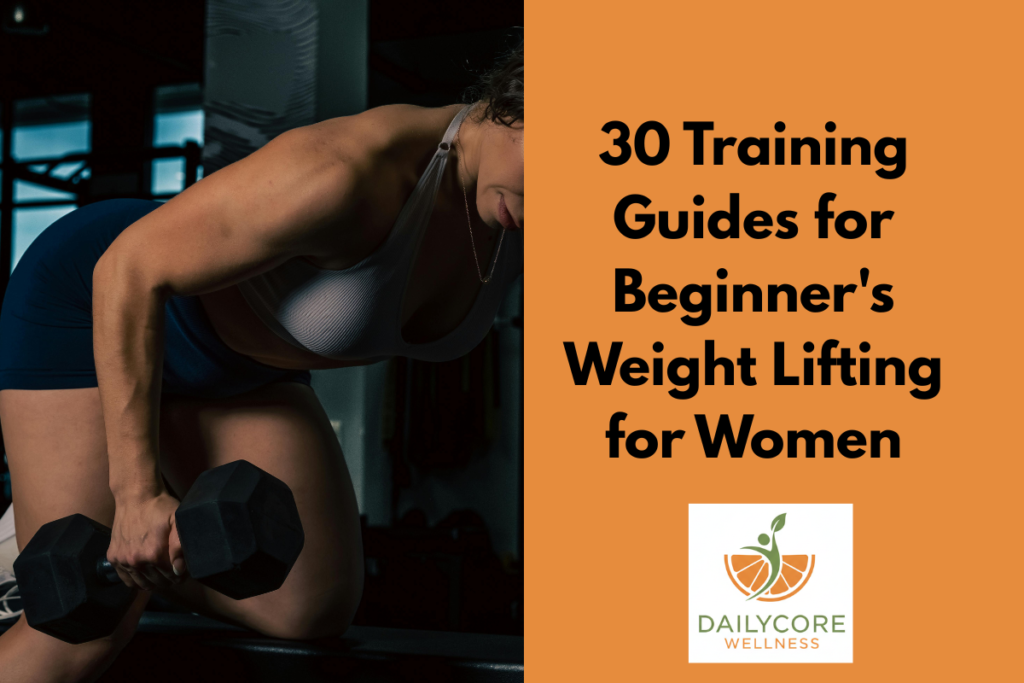
30 Training Guides for Beginner’s Weight Lifting for Women, 11th July 2026
1. Master Proper Form Before Increasing Weight
Proper technique is the foundation of beginner’s weight lifting for women. Learning correct movement patterns prevents injuries and ensures that the targeted muscles are effectively engaged. Beginners should prioritize controlled movements over speed or load. Practicing with light dumbbells or even bodyweight allows neuromuscular coordination to develop naturally. Recording lifts or seeking professional guidance can help identify posture and alignment issues. When form is consistent, progressive overload becomes safer and more effective. Building strength on poor technique leads to plateaus and potential setbacks.
2. Start with Compound Movements
Compound exercises such as squats, lunges, push-ups, rows, and deadlifts provide the greatest return on investment for beginners. These movements activate multiple muscle groups, promoting balanced development and functional strength. For women new to resistance training, compound exercises also accelerate calorie expenditure and metabolic adaptation. Focusing on foundational lifts builds coordination and prepares the body for more advanced variations later. Isolation exercises can be added gradually, but the priority should remain on mastering multi-joint patterns that support overall strength and posture.
3. Train Three to Four Times Weekly
Frequency plays a critical role in beginner’s weight lifting for women. Training three to four non-consecutive days per week provides enough stimulus for growth while allowing recovery. This schedule maintains consistency without overwhelming the body. Each session should focus on full-body movements or structured upper and lower splits. Adequate recovery between sessions enhances muscle repair and reduces fatigue. Skipping rest days can impair performance and increase injury risk. Sustainable progress comes from balancing effort with recovery.
4. Focus on Progressive Overload
Progressive overload is the gradual increase of training demand over time. For beginners, this can mean adding small weight increments, increasing repetitions, or improving movement control. Without progression, the body adapts and results plateau. Beginner’s weight lifting for women should track metrics such as sets, reps, and resistance used. Even small improvements each week accumulate into significant strength gains over months. Overload should be deliberate and controlled to maintain form integrity and reduce strain.
5. Prioritize Recovery and Sleep
Muscle growth occurs during recovery, not during the workout itself. Adequate sleep supports hormonal balance, tissue repair, and performance. Women engaging in beginner’s weight lifting should aim for seven to nine hours of quality sleep per night. Active recovery methods such as light stretching or walking can improve circulation without overloading the body. Ignoring recovery often leads to fatigue and stalled progress. Sustainable strength development requires equal attention to training and restoration.
6. Maintain a Balanced Protein Intake
Nutrition directly impacts training outcomes. Beginner’s weight lifting for women should include sufficient protein intake to support muscle repair. Lean meats, fish, eggs, legumes, and dairy products provide essential amino acids. Consuming protein consistently throughout the day improves recovery efficiency. Pairing protein with complex carbohydrates enhances energy levels during workouts. Extreme dieting can undermine strength development, so caloric intake should align with performance goals. Balanced nutrition accelerates visible progress.
7. Warm Up Thoroughly Before Lifting
A structured warm-up prepares the nervous system and increases joint mobility. Dynamic movements such as bodyweight squats, arm circles, and hip openers enhance blood flow and flexibility. Beginner’s weight lifting for women should never begin with heavy loads immediately. Gradual ramp-up sets allow muscles to activate properly. Skipping warm-ups increases stiffness and injury risk. A consistent pre-workout routine improves performance quality and reduces discomfort during strength exercises.
8. Do Not Fear Moderate Weights
Many women hesitate to lift heavier weights due to misconceptions about bulkiness. In reality, beginner’s weight lifting for women supports lean muscle tone rather than excessive size. Moderate weights challenge muscle fibers and stimulate growth without drastic increases in mass. Gradual strength increases enhance body composition and metabolic efficiency. Avoiding adequate resistance limits progress and reduces long-term results. Confidence grows when lifting progressively heavier loads with control.
9. Track Your Workouts Consistently
Monitoring workouts ensures accountability and measurable improvement. Keeping a training log that records exercises, repetitions, and weights used allows for structured progression. Beginner’s weight lifting for women benefits greatly from data-driven adjustments. Reviewing past sessions highlights growth patterns and identifies weaknesses. Tracking also enhances motivation by demonstrating tangible progress. Structured documentation transforms training into a long-term system rather than a random effort.
10. Stay Patient and Commit Long-Term
Strength development requires time and repetition. Beginner’s weight lifting for women should be viewed as a long-term commitment rather than a quick transformation plan. Visible muscle tone and improved endurance may take several weeks to appear. Consistency compounds results over months and years. Comparing progress to others can undermine motivation; focus should remain on personal improvement. Sustainable habits ultimately determine success. Patience combined with discipline produces lasting physical and mental benefits.
11. Learn Proper Breathing Technique
Breathing technique significantly affects performance and stability during beginner’s weight lifting for women. Inhaling during the lowering phase of a movement and exhaling during the exertion phase helps maintain core stability and reduce internal pressure. Proper breathing enhances oxygen delivery to working muscles, delaying fatigue and improving endurance. Many beginners unknowingly hold their breath, which can elevate blood pressure and reduce control. Practicing controlled breathing patterns during squats, presses, and rows builds greater coordination and strength efficiency. Over time, correct breathing becomes automatic and supports heavier lifts while minimizing dizziness or strain.
12. Strengthen Your Core Consistently
Core stability supports every major compound movement. Beginner’s weight lifting for women should incorporate exercises such as planks, dead bugs, and controlled rotational movements to reinforce trunk strength. A strong core improves posture, balance, and power transfer during lifts. It also reduces lower back discomfort by stabilizing the spine. Core training does not require excessive repetitions but should focus on control and alignment. Engaging the abdominal muscles intentionally during squats and presses further reinforces stability. Consistent core strengthening enhances lifting efficiency and long-term injury prevention.
13. Use Full Range of Motion
Executing exercises through a full, controlled range of motion maximizes muscle activation and flexibility. Partial repetitions limit strength development and can create imbalances over time. Beginner’s weight lifting for women should emphasize depth in squats, complete extension in presses, and full contraction in rows. Working through proper movement ranges enhances joint mobility and improves overall function. Reducing the load if necessary to achieve full range is more beneficial than lifting heavier weights incorrectly. Long-term progress depends on quality repetitions rather than shortened movements.
14. Avoid Comparing Yourself to Others
Comparison can undermine motivation and distort expectations. Beginner’s weight lifting for women should focus on individual progress rather than external benchmarks. Each person’s starting point, genetics, and recovery capacity differ. Observing others in the gym may provide inspiration, but direct comparison can create unnecessary pressure. Tracking personal improvements in strength, endurance, and technique offers a more accurate measure of success. Sustainable progress is built on personal consistency and measurable growth. Maintaining focus on individual development fosters confidence and long-term commitment.
15. Incorporate Mobility Work
Mobility training improves joint function and enhances lifting performance. Beginner’s weight lifting for women benefits from dynamic stretches targeting hips, shoulders, and thoracic spine mobility. Limited mobility can restrict movement patterns and increase injury risk. Integrating short mobility sessions before or after workouts improves range of motion and posture. Foam rolling or controlled stretching may assist in reducing muscular tightness. Improved mobility enhances exercise efficiency and allows deeper, more controlled lifts. Consistent attention to mobility supports longevity in strength training.
16. Gradually Increase Training Intensity
Increasing intensity too quickly can lead to fatigue or injury. Beginner’s weight lifting for women should follow a gradual progression model. Intensity can be raised by adding small weight increments, increasing repetitions, or reducing rest intervals slightly. The body adapts best to steady, manageable increases in demand. Sudden spikes in volume or resistance disrupt recovery and stall progress. Strategic progression allows muscles, tendons, and ligaments to strengthen safely. Controlled advancement ensures consistent strength gains without unnecessary setbacks.
17. Maintain Proper Posture During Every Lift
Postural alignment directly impacts performance and safety. Beginner’s weight lifting for women should emphasize a neutral spine, engaged core, and stable shoulder positioning. Poor posture shifts stress onto joints and reduces muscle activation. Practicing correct alignment during lighter sets builds awareness and control. Mirrors or video feedback can help identify posture deviations. Over time, proper positioning becomes habitual and improves both gym performance and everyday posture. Consistent alignment protects the body and enhances lifting efficiency.
18. Fuel Your Body Before Workouts
Pre-workout nutrition supports energy levels and performance quality. Beginner’s weight lifting for women should include balanced meals containing carbohydrates for energy and moderate protein for muscle support. Training on extremely low energy intake can impair strength output and concentration. Light meals consumed one to two hours before training help sustain endurance. Hydration also plays a critical role in maintaining muscle function. Proper fueling enhances workout productivity and accelerates recovery afterward.
19. Embrace Rest Days as Strategic Recovery
Rest days are essential components of structured training. Beginner’s weight lifting for women should include at least one to two full recovery days weekly. Muscles repair and grow stronger during these periods. Active recovery activities such as walking or gentle stretching may improve circulation without overloading the system. Ignoring rest increases cortisol levels and reduces performance capacity. Planned recovery strengthens long-term consistency by preventing burnout. Strategic rest enhances adaptation and supports sustainable strength development.
20. Build a Sustainable Routine
Consistency depends on practicality. Beginner’s weight lifting for women should align with lifestyle demands to ensure adherence. Selecting realistic training times and manageable session durations prevents dropout. Programs that are too complex or time-consuming often lead to inconsistency. Establishing a routine that integrates smoothly into daily schedules increases compliance. Over months and years, consistency compounds into substantial physical transformation. A sustainable routine ultimately determines whether strength gains are temporary or lasting.
21. Focus on Mind-Muscle Connection
Developing a strong mind-muscle connection enhances the effectiveness of beginner’s weight lifting for women. Instead of simply moving the weight from point A to point B, concentrate on the muscle being worked. Slow, controlled repetitions allow better activation and reduce reliance on momentum. This awareness improves recruitment of target muscle fibers and supports balanced development. For example, during glute bridges or rows, intentionally contracting the working muscles increases efficiency and strength gains. Over time, this focus enhances coordination and helps prevent compensatory movement patterns that can lead to strain or imbalance.
22. Keep Workouts Structured and Simple
Simplicity promotes consistency. Beginner’s weight lifting for women should avoid overly complicated routines filled with unnecessary variations. A small selection of foundational exercises performed consistently produces better results than constantly changing programs. Structured workouts reduce decision fatigue and allow clear tracking of progress. Sticking with core movements for several weeks enables measurable strength improvements. Once a solid base is built, small adjustments can be introduced strategically. Maintaining structure ensures steady progression and minimizes confusion in the early stages of training.
23. Strengthen Supporting Muscle Groups
Balanced strength development prevents imbalances and improves overall performance. Beginner’s weight lifting for women should include exercises that target stabilizing muscles such as the glutes, rear shoulders, and upper back. Neglecting these areas may lead to posture issues or joint discomfort. Accessory movements like hip thrusts, face pulls, and lateral raises support compound lifts and enhance symmetry. Strengthening supporting muscles also improves endurance during longer sessions. A balanced approach reduces injury risk and ensures proportional strength development across the body.
24. Manage Training Volume Carefully
Training volume refers to the total number of sets and repetitions performed. Beginner’s weight lifting for women should begin with moderate volume to avoid excessive soreness or fatigue. Performing too many sets too soon can hinder recovery and reduce motivation. Gradually increasing volume over time supports adaptation without overwhelming the body. Monitoring how you feel after each session provides insight into appropriate adjustments. Effective volume management ensures steady gains while preserving energy for consistent long-term training.
25. Stay Hydrated Throughout the Day
Hydration directly impacts muscle function and performance. Beginner’s weight lifting for women requires adequate water intake to support circulation, joint lubrication, and temperature regulation. Even mild dehydration can decrease strength and endurance. Drinking water consistently throughout the day is more effective than consuming large amounts immediately before training. During longer sessions, small sips between sets maintain performance levels. Proper hydration also supports post-workout recovery and reduces muscle cramps. Maintaining fluid balance enhances overall training quality.
26. Set Measurable Strength Goals
Clear goals provide direction and motivation. Beginner’s weight lifting for women benefits from setting specific, measurable objectives such as increasing squat weight by a certain amount or completing additional repetitions within a timeframe. Defined goals create accountability and structure. Tracking progress toward these benchmarks builds discipline and confidence. Short-term milestones contribute to long-term success by breaking larger objectives into manageable steps. Goal setting transforms strength training into a purposeful process rather than a random routine.
27. Use Proper Footwear for Stability
Footwear influences balance and force transfer during lifts. Beginner’s weight lifting for women should prioritize stable, flat-soled shoes that provide adequate support. Cushioned running shoes may reduce stability during squats or deadlifts. Proper footwear enhances ground contact and improves alignment. Stable footing allows more efficient power generation and reduces ankle instability. Investing in suitable training shoes contributes to better technique and long-term joint health.
28. Monitor Recovery Signals
Listening to the body prevents overtraining. Beginner’s weight lifting for women should include awareness of fatigue levels, sleep quality, and muscle soreness. Persistent exhaustion or declining performance may indicate insufficient recovery. Adjusting intensity or adding rest days when needed protects progress. Ignoring warning signs often leads to setbacks or injury. Monitoring recovery ensures that training remains productive and sustainable. Balanced effort and restoration are essential for long-term improvement.
29. Gradually Introduce Isolation Exercises
Isolation movements can refine muscle tone and address weak areas once foundational strength is established. Beginner’s weight lifting for women should first prioritize compound lifts, then add exercises such as bicep curls, tricep extensions, or leg curls strategically. These movements enhance muscle definition and support overall symmetry. However, they should not replace multi-joint exercises. Introducing isolation work gradually ensures balanced progression without overwhelming beginners. Strategic additions enhance overall program effectiveness.
30. Commit to Long-Term Progress Over Quick Results
Sustainable strength development requires patience. Beginner’s weight lifting for women should focus on consistent improvement rather than rapid transformation. Quick-fix programs often neglect foundational principles and compromise safety. Building muscle, increasing strength, and improving body composition occur progressively over months and years. Consistency in training, nutrition, and recovery determines long-term success. Viewing strength training as a lifestyle investment fosters discipline and resilience. Long-term commitment ultimately delivers results that are both visible and lasting.
Conclusion
Beginner’s weight lifting for women provides a structured pathway toward improved strength, confidence, and overall health. By focusing on foundational movements, proper technique, and gradual progression, women can build a sustainable fitness routine that delivers measurable results. Strength training is not a short-term challenge but a lifelong investment in physical resilience.
Consistency remains the most powerful factor in achieving results. Missing occasional workouts will not derail progress, but abandoning structure and discipline will. Small improvements each week accumulate into significant transformation over time. The key is maintaining regular sessions, tracking progress, and adjusting intensity responsibly.
Long-term success also depends on balanced recovery, proper nutrition, and patience. Muscle development, improved metabolism, and enhanced posture emerge gradually through repeated effort. Avoid chasing extreme methods or unrealistic expectations. Structured programs built on progressive overload create dependable, sustainable outcomes.
Ultimately, beginner’s weight lifting for women empowers physical independence and mental resilience. When strength becomes part of your routine, the benefits extend beyond aesthetics. Commit to steady improvement, prioritize consistency, and allow time to work in your favor. The results you build gradually will last far longer than any temporary solution.
Share this:
- Share on Facebook (Opens in new window) Facebook
- Share on X (Opens in new window) X
- Share on WhatsApp (Opens in new window) WhatsApp
- Share on Threads (Opens in new window) Threads
- Share on LinkedIn (Opens in new window) LinkedIn
- Share on Telegram (Opens in new window) Telegram
- Email a link to a friend (Opens in new window) Email
- Share on Pinterest (Opens in new window) Pinterest