A well-structured strength training for women workout plan is one of the most effective strategies for building lean muscle, improving metabolic health, and enhancing overall physical performance. Despite outdated myths, resistance training does not cause excessive bulk. Instead, it promotes toned muscle development, stronger bones, and improved body composition. Women who incorporate a structured program into their weekly routine often experience increased energy, better posture, and greater confidence in both fitness and daily activities.
One of the key advantages of a strength training for women workout plan is its long-term metabolic impact. Resistance training increases resting metabolic rate by building lean muscle mass, allowing the body to burn more calories even at rest. This makes strength training highly effective for fat management and sustainable weight control.
When implemented correctly, a strength training for women workout plan supports hormonal balance, bone density, and joint stability. It also reduces the risk of injury and enhances athletic performance. With structure, discipline, and progressive challenges, women can transform their fitness outcomes safely and efficiently.
Why Strength Training Is Essential for Women
Strength training plays a crucial role in maintaining long-term health and functional independence. As women age, natural declines in muscle mass and bone density increase the risk of osteoporosis and joint instability. A consistent strength training routine stimulates bone remodeling and improves musculoskeletal resilience. This is especially important for women seeking to maintain mobility and reduce injury risk over time.
In addition to physical benefits, strength training enhances mental resilience and body confidence. Structured resistance training improves posture, coordination, and neuromuscular efficiency. It supports healthy hormone regulation and improves insulin sensitivity. A well-planned program also enhances cardiovascular health when combined with moderate rest intervals and full-body movements. The result is a comprehensive fitness strategy that supports both aesthetic and functional goals.
How to Structure a Strength Training for Women’s Workout Plan
A successful strength training for women workout plan should include three to four weekly sessions targeting all major muscle groups. Each session should combine compound movements such as squats, lunges, presses, and rows with accessory exercises that address muscle imbalances. Repetition ranges typically fall between 8 and 12 reps for hypertrophy, with 2 to 4 sets per exercise. Rest intervals of 60 to 90 seconds promote muscle recovery while maintaining training intensity.
Progression is fundamental to results. Gradually increasing resistance, adjusting repetitions, or enhancing training volume ensures continued adaptation. A balanced plan should incorporate lower-body, upper-body, and core-focused sessions throughout the week. Proper warm-up, mobility drills, and cool-down stretching improve performance and reduce injury risk. Consistency, structured programming, and adequate recovery form the foundation of sustainable progress.
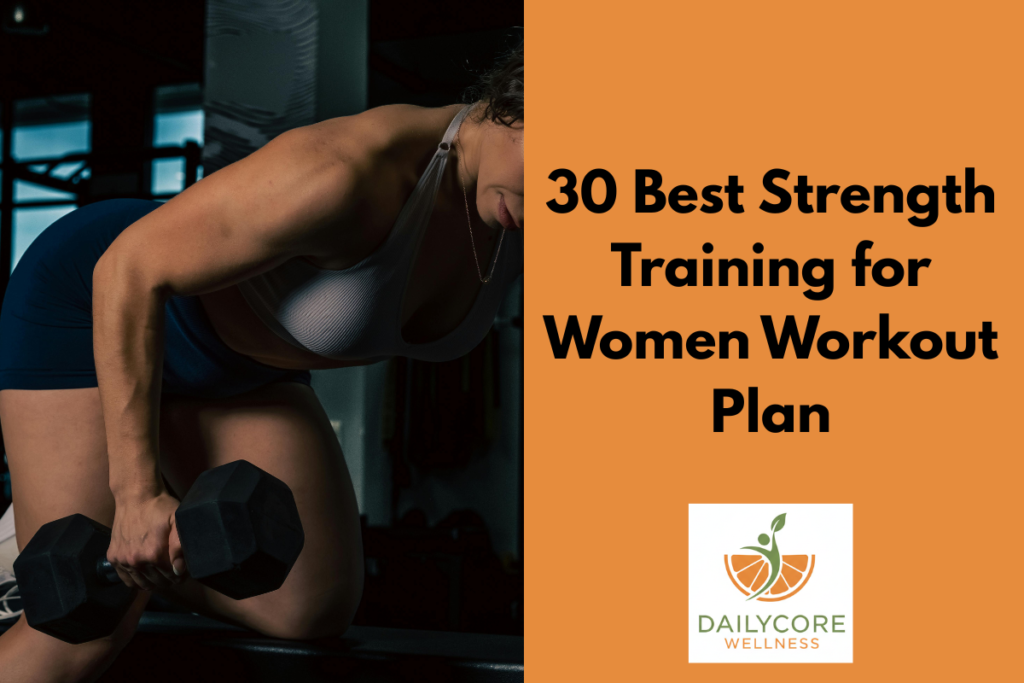
30 Best Strength Training for Women Workout Plan,12th July 2026
1. Prioritize Compound Movements
Compound exercises should serve as the foundation of any strength training for a woman’s workout plan. Movements such as squats, deadlifts, bench presses, and rows engage multiple muscle groups simultaneously. This approach maximizes efficiency, stimulates greater muscle fiber recruitment, and promotes hormonal responses beneficial for muscle growth. Compound lifts also improve coordination and functional strength, making daily tasks easier and reducing injury risk. By focusing on these exercises first in each workout session, women can build a strong base of overall strength before adding isolation exercises. Consistent emphasis on compound movements accelerates progress and ensures balanced muscular development across the entire body.
2. Focus on Progressive Overload
Progressive overload is the principle of gradually increasing training demands to stimulate muscle adaptation. Without progression, the body plateaus. In a strength training for women workout plan, progression can be achieved by adding weight, increasing repetitions, adjusting tempo, or improving exercise technique. Tracking workouts allows women to monitor performance and ensure steady improvement. Small, consistent increments in resistance produce long-term gains in strength and muscle definition. Avoid rushing the process; controlled progression minimizes injury risk and supports sustainable development. Over time, progressive overload builds measurable strength while enhancing confidence in lifting heavier loads safely.
3. Train All Major Muscle Groups
Balanced muscle development requires targeting the upper body, lower body, and core equally. Neglecting certain muscle groups can create imbalances that affect posture and performance. A comprehensive strength training for women workout plan should include exercises for glutes, quadriceps, hamstrings, back, chest, shoulders, arms, and abdominal muscles. Structured full-body or split routines ensure each area receives adequate attention throughout the week. Balanced programming enhances symmetry and functional stability. By consistently training all major muscle groups, women improve coordination, reduce injury risk, and create a proportionate, strong physique.
4. Maintain Proper Form and Technique
Correct technique is essential for maximizing results and preventing injuries. Poor form reduces muscle activation and increases joint stress. In a strength training for women workout plan, controlled movement patterns and proper alignment ensure safe progression. Engaging the core, maintaining neutral spine alignment, and controlling eccentric phases of each lift improve muscle recruitment. When learning new exercises, starting with lighter weights allows proper mastery before increasing resistance. Consistent attention to technique supports long-term strength gains and protects the body from unnecessary strain. Quality execution always outweighs lifting heavier weights with compromised form.
5. Schedule Adequate Recovery
Recovery is a critical component of any effective strength training program. Muscles grow during rest, not during the workout itself. A balanced strength training for women workout plan includes rest days between intense sessions and sufficient sleep to support hormonal regulation. Overtraining can lead to fatigue, reduced performance, and increased injury risk. Active recovery methods such as light mobility work or low-intensity cardio enhance circulation without excessive strain. Prioritizing recovery allows muscles to rebuild stronger and ensures consistent long-term progress. Sustainable results depend on balancing effort with structured rest.
6. Incorporate Core Stability Training
Core stability enhances overall strength and functional movement efficiency. A strong core supports proper posture, protects the spine, and improves performance in compound lifts. Within a strength training for women workout plan, exercises such as planks, cable rotations, and controlled leg raises strengthen deep stabilizing muscles. Core training should focus on stability and controlled movement rather than excessive repetitions. Improved core strength translates into better balance, enhanced lifting mechanics, and reduced lower back discomfort. Consistent core engagement also supports daily activities and athletic performance.
7. Optimize Nutrition for Muscle Growth
Proper nutrition supports muscle repair and performance. Adequate protein intake is essential for muscle recovery and development. A strength training for women workout plan should be paired with balanced meals containing lean protein sources, complex carbohydrates, and healthy fats. Hydration plays a key role in maintaining energy levels and joint function. Undereating can hinder muscle growth and reduce workout intensity. Strategic nutrient timing, particularly consuming protein after workouts, enhances muscle protein synthesis. Nutrition consistency reinforces training efforts and accelerates measurable progress.
8. Track Performance and Adjust Accordingly
Monitoring performance provides valuable feedback for long-term improvement. Recording exercises, weights, repetitions, and rest periods helps identify patterns and areas for adjustment. In a strength training for women workout plan, consistent tracking prevents stagnation and highlights progress. When improvements slow, slight program modifications such as adjusting intensity or volume can reignite adaptation. Objective measurement increases accountability and motivation. By reviewing performance data regularly, women can maintain structured progression and ensure their training remains challenging and effective.
9. Incorporate Variety Strategically
While consistency is vital, periodic variation prevents adaptation plateaus. Strategic exercise substitutions or tempo changes stimulate new muscle fibers and maintain engagement. A strength training for women workout plan should evolve every six to eight weeks to maintain progression. Variation does not mean random changes; adjustments must align with training goals. Structured diversity enhances motivation while preserving foundational movements. Thoughtful program adjustments support long-term muscle growth without compromising stability or technique development.
10. Commit to Long-Term Consistency
Results from strength training require sustained effort. A strength training for women workout plan produces significant improvements when followed consistently over months and years. Short-term motivation must evolve into a disciplined routine. Establishing a realistic weekly schedule enhances adherence and prevents burnout. Consistency builds strength gradually, reinforcing both physical and mental resilience. By committing to regular training sessions, women create lasting habits that support lifelong health and fitness development.
11. Emphasize Lower-Body Strength Development
Lower-body training should remain a central focus in any strength training for a woman’s workout plan. The glutes, quadriceps, and hamstrings are among the largest muscle groups in the body and play a critical role in overall strength, posture, and metabolic output. Exercises such as squats, lunges, hip thrusts, and Romanian deadlifts stimulate significant muscle activation and calorie expenditure. Strong lower-body muscles improve athletic performance, balance, and daily functional tasks like walking, lifting, and climbing stairs. Prioritizing progressive resistance in lower-body movements also enhances hormonal responses that support lean muscle growth. A structured emphasis on leg training ensures balanced development and maximizes long-term strength gains.
12. Include Upper-Body Pulling Movements
Upper-body pulling exercises are essential for posture, shoulder health, and balanced muscle development. In a strength training for women workout plan, movements such as rows, lat pulldowns, and assisted pull-ups strengthen the back, rear deltoids, and biceps. These muscles counteract the forward posture commonly caused by prolonged sitting or desk work. Strengthening the posterior chain of the upper body enhances spinal alignment and reduces shoulder strain. Consistent pulling exercises also improve grip strength and functional capacity. By incorporating vertical and horizontal pulling variations, women develop symmetrical upper-body strength that supports overall performance and long-term musculoskeletal health.
13. Do Not Neglect Shoulder Stability
Shoulder stability is crucial for safe and effective strength training. The shoulder joint has a wide range of motion, making it susceptible to injury without proper muscular support. A comprehensive strength training for women workout plan should include controlled shoulder presses, lateral raises, and rotator cuff strengthening exercises. Stabilizing muscles around the shoulder enhance control during pressing and pulling movements. Prioritizing proper alignment and controlled repetitions protects connective tissue and supports consistent progress. Developing shoulder stability improves upper-body strength, posture, and overall lifting mechanics, reducing the likelihood of strain or discomfort during advanced resistance training.
14. Utilize Time Under Tension
Time under tension refers to controlling the speed of each repetition to increase muscular engagement. Slower eccentric phases and deliberate movement patterns enhance muscle fiber recruitment. Within a strength training for women workout plan, adjusting tempo can increase workout intensity without necessarily increasing weight. Controlled movements reduce reliance on momentum and promote proper technique. This method also improves mind-muscle connection, ensuring targeted muscles are effectively activated. Incorporating time under tension strategically supports hypertrophy, enhances muscular endurance, and promotes safe progression. It is particularly useful when refining form or overcoming plateaus in muscle development.
15. Balance Strength and Mobility
Mobility complements strength training by improving joint range of motion and movement quality. Tight muscles can restrict performance and increase injury risk. A well-designed strength training for women workout plan integrates mobility drills during warm-ups and cool-downs. Dynamic stretching before workouts prepares muscles for resistance exercises, while static stretching afterward supports recovery. Balanced mobility enhances squat depth, overhead range, and hip function. Improved flexibility allows for more efficient lifting mechanics and better muscle activation. Integrating mobility work ensures sustainable strength gains and supports overall functional movement efficiency.
16. Periodize Your Training Phases
Periodization involves structuring training into phases with varying intensity and volume. This strategy prevents stagnation and overtraining. In a strength training for women workout plan, phases may alternate between hypertrophy-focused training, strength-focused sessions, and lighter recovery weeks. Planned variation enhances muscle adaptation while allowing adequate recovery. Periodized programming ensures long-term progression and reduces mental fatigue. By organizing training cycles strategically, women can steadily improve performance while minimizing injury risk. Structured progression over months produces sustainable results and consistent strength development.
17. Strengthen the Posterior Chain
The posterior chain includes the glutes, hamstrings, lower back, and upper back muscles. Strengthening this group is essential for posture, athletic performance, and injury prevention. A strength training for women workout plan should include deadlifts, hip hinges, back extensions, and rowing variations. These exercises enhance spinal support and counteract sedentary lifestyles. A strong posterior chain improves lifting mechanics and reduces lower back strain. Consistent focus on these muscles builds functional power and enhances full-body stability. Balanced posterior development contributes to a stronger, more resilient physique.
18. Manage Training Volume Carefully
Training volume refers to the total amount of work performed, including sets and repetitions. Excessive volume without recovery can hinder progress. Within a strength training for women workout plan, volume should align with experience level and recovery capacity. Beginners may require fewer sets, while advanced lifters can tolerate higher workloads. Gradual increases in volume stimulate muscle adaptation without overwhelming the body. Monitoring fatigue levels and performance indicators ensures optimal training intensity. Proper volume management supports consistent gains and prevents burnout or regression.
19. Develop a Structured Weekly Split
A structured weekly split organizes workouts for optimal muscle recovery and performance. In a strength training for women workout plan, common splits include full-body sessions three times weekly or upper-lower splits performed four days per week. Organized scheduling prevents overlapping fatigue and ensures balanced muscle engagement. Planned rest intervals between similar muscle groups allow for adequate recovery. Structured splits enhance efficiency and reduce randomness in training. Consistency in scheduling builds routine adherence and reinforces long-term progress.
20. Evaluate and Refine Your Goals
Goal evaluation is essential for maintaining direction and motivation. A strength training for women workout plan should align with clearly defined objectives such as muscle growth, fat loss, or performance improvement. Periodically reassessing progress ensures the program remains effective and relevant. Measurable benchmarks, such as increased lifting capacity or improved endurance, provide tangible evidence of advancement. Adjusting goals as strength improves prevents stagnation and maintains engagement. Continuous evaluation fosters accountability and reinforces commitment to long-term development and sustainable fitness success.
21. Master Proper Breathing Techniques
Breathing technique directly influences strength output and core stability. In a strength training for women workout plan, controlled breathing enhances performance and reduces injury risk. Exhaling during the exertion phase and inhaling during the lowering phase promotes better oxygen delivery and muscular control. For heavier lifts, controlled bracing techniques stabilize the spine and protect the lower back. Poor breathing patterns can cause dizziness, reduced endurance, and compromised form. Practicing diaphragmatic breathing improves intra-abdominal pressure, which supports compound movements such as squats and deadlifts. Consistent attention to breathing mechanics strengthens lifting efficiency and allows women to train with greater confidence and control.
22. Prioritize Glute Activation
Glute activation enhances lower-body strength and prevents compensatory movement patterns. In a strength training for women workout plan, incorporating activation drills such as glute bridges, banded lateral walks, and hip thrust variations ensures the glute muscles fire correctly during compound lifts. Weak glutes can lead to excessive strain on the lower back and knees. Pre-workout activation exercises improve neuromuscular engagement and maximize force production during squats and lunges. Consistent glute strengthening enhances posture, hip stability, and overall athletic performance. Targeted activation supports balanced muscle development and reinforces proper movement mechanics throughout the entire workout session.
23. Avoid Comparing Progress to Others
Individual progress varies based on genetics, experience level, recovery, and lifestyle factors. Within a strength training for women workout plan, comparing performance to others can undermine motivation and distract from personal improvement. Focusing on measurable self-progress—such as improved strength, better form, or increased endurance—ensures sustainable development. Social comparison often creates unrealistic expectations that lead to frustration. Instead, consistent tracking of personal benchmarks provides objective feedback. Strength development is cumulative and individualized. By prioritizing personal progression over external comparison, women maintain confidence, discipline, and long-term adherence to their training routine.
24. Warm Up Strategically Before Every Session
A structured warm-up prepares muscles, joints, and the nervous system for resistance training. In a strength training for women workout plan, a proper warm-up includes light cardiovascular activity followed by dynamic mobility drills and activation exercises. This sequence increases blood flow, enhances joint lubrication, and improves neuromuscular coordination. Skipping warm-ups reduces performance capacity and increases injury risk. Gradually increasing load with lighter sets before heavy lifts further primes muscles for optimal output. A consistent warm-up routine enhances movement quality and ensures safer progression throughout each workout session.
25. Strengthen Grip and Forearm Muscles
Grip strength influences performance in pulling and compound movements. In a strength training for women workout plan, weak grip strength can limit progress in exercises such as deadlifts and rows. Incorporating farmer carries, controlled hangs, and grip-focused holds improves forearm endurance and overall lifting capacity. Stronger grip strength enhances neuromuscular efficiency and reduces reliance on straps. Functional strength improves when grip capacity matches overall muscle development. Consistent grip training supports balanced upper-body strength and improves control during heavy resistance exercises.
26. Maintain Proper Rest Between Sets
Rest intervals significantly impact performance and adaptation. Within a strength training for women workout plan, resting 60 to 90 seconds for hypertrophy and slightly longer for heavier strength sets supports muscle recovery and consistent output. Insufficient rest can reduce lifting capacity and compromise technique. Excessive rest, however, may lower overall workout intensity. Structured rest periods allow muscles to replenish energy stores and maintain training quality. Managing rest strategically ensures optimal performance while promoting progressive overload. Proper timing between sets supports long-term muscle development and sustained strength gains.
27. Embrace Gradual Increases in Intensity
Rapid increases in weight or volume can lead to injury and stalled progress. A strength training for women workout plan should emphasize gradual intensity progression. Small increments in resistance allow the body to adapt safely while maintaining proper form. Consistency in technique ensures that increased loads translate into genuine strength development. Incremental progression supports sustainable muscle growth and reinforces confidence in handling heavier weights. By prioritizing steady improvement rather than aggressive jumps in intensity, women build resilience and long-term performance capacity.
28. Incorporate Functional Movements
Functional movements enhance strength that translates to everyday activities. In a strength training for women workout plan, exercises such as step-ups, kettlebell carries, and rotational movements improve coordination and balance. These movements strengthen stabilizing muscles and reinforce practical strength patterns. Functional training reduces injury risk and enhances athletic performance. Including multi-planar exercises ensures well-rounded development and improved joint stability. Structured incorporation of functional movements builds strength that supports both gym performance and daily life activities.
29. Monitor Recovery Signals
Listening to the body is critical for sustainable progress. A strength training for women workout plan should include awareness of recovery indicators such as muscle soreness, fatigue levels, and sleep quality. Persistent exhaustion or decreased performance may signal the need for additional rest or reduced training volume. Overtraining impairs muscle growth and increases injury risk. Tracking physical and mental recovery ensures balanced programming. Adjusting intensity when necessary supports long-term consistency and prevents burnout. Sustainable strength gains depend on aligning training demands with adequate recovery capacity.
30. Reinforce Long-Term Commitment to Strength Development
Strength training is a long-term process that requires discipline and patience. In a strength training for women workout plan, consistent adherence over months and years yields the most significant results. Sustainable muscle growth, improved bone density, and enhanced metabolic health develop gradually. Short-term motivation must transition into a structured routine and lifestyle integration. Establishing realistic expectations prevents frustration and encourages continued effort. Long-term commitment ensures that strength gains are maintained and progressively improved. By prioritizing consistency and dedication, women achieve lasting transformation and enduring physical resilience
Conclusion
A structured strength training for women workout plan is a long-term investment in health, strength, and confidence. When designed with balanced programming and progressive overload, it delivers measurable improvements in muscle tone, metabolic function, and overall performance. Sustainable progress is built on discipline rather than quick fixes.
Consistency remains the defining factor in achieving lasting results. Regular training sessions, proper recovery, and structured progression create a foundation for continuous improvement. Women who remain patient and committed to the process develop stronger bodies and resilient mindsets over time.
Long-term results require dedication to both training and supportive habits. Proper nutrition, sleep, and stress management reinforce the physical adaptations achieved through resistance exercise. Gradual improvements compound over months, leading to noticeable changes in strength and body composition.
Share this:
- Share on Facebook (Opens in new window) Facebook
- Share on X (Opens in new window) X
- Share on WhatsApp (Opens in new window) WhatsApp
- Share on Threads (Opens in new window) Threads
- Share on LinkedIn (Opens in new window) LinkedIn
- Share on Telegram (Opens in new window) Telegram
- Email a link to a friend (Opens in new window) Email
- Share on Pinterest (Opens in new window) Pinterest