Weight training for elderly women is one of the most effective strategies for maintaining strength, mobility, and independence during the aging process. As women grow older, natural declines in muscle mass and bone density can significantly affect balance, posture, and daily functionality. A structured resistance training program directly addresses these challenges by preserving lean muscle tissue and enhancing overall physical resilience.
Another critical benefit of weight training for elderly women is improved bone density. Postmenopausal women face an increased risk of osteoporosis, and resistance exercises stimulate bone-building processes that reduce fracture risk. Strength training also improves joint stability, helping reduce falls and enhancing overall movement confidence.
Beyond physical advantages, weight training supports mental well-being and self-sufficiency. Increased strength makes everyday activities easier, from climbing stairs to carrying groceries. Over time, consistent training contributes to a higher quality of life and prolonged independence.
Why Weight Training Is Essential for Elderly Women
Weight training plays a fundamental role in preventing sarcopenia, the age-related loss of muscle mass that can significantly reduce mobility and independence. Resistance exercises stimulate muscle fibers, encouraging growth and maintenance even in later years. When elderly women engage in structured strength programs two to three times per week, they often experience noticeable improvements in functional strength, coordination, and posture. This not only enhances physical capability but also reduces the likelihood of injury caused by weakness or instability.
In addition to preserving muscle, weight training improves bone density and joint integrity. Mechanical resistance applied to bones during exercise activates bone-forming cells, slowing age-related bone loss. Stronger muscles also provide better joint support, reducing strain and discomfort. These adaptations collectively decrease the risk of falls and fractures, which are among the most significant health concerns for older women. When implemented safely, resistance training becomes a preventive and restorative tool for healthy aging.
How to Structure a Safe Weight Training Program
A well-designed weight training program for elderly women should prioritize safety, gradual progression, and balanced muscle development. Sessions should begin with a thorough warm-up that increases circulation and prepares the joints for movement. Exercises should target major muscle groups, including the legs, chest, back, shoulders, arms, and core. Starting with light resistance, such as bands, machines, or light dumbbells, allows individuals to focus on mastering technique before increasing intensity.
Training frequency should generally range between two and three non-consecutive days per week to allow adequate recovery. Rest periods between sets should be sufficient to maintain energy and prevent excessive fatigue. Proper breathing techniques must be emphasized to avoid unnecessary cardiovascular strain. With consistent scheduling, careful progression, and attention to form, elderly women can safely build strength while minimizing risk.
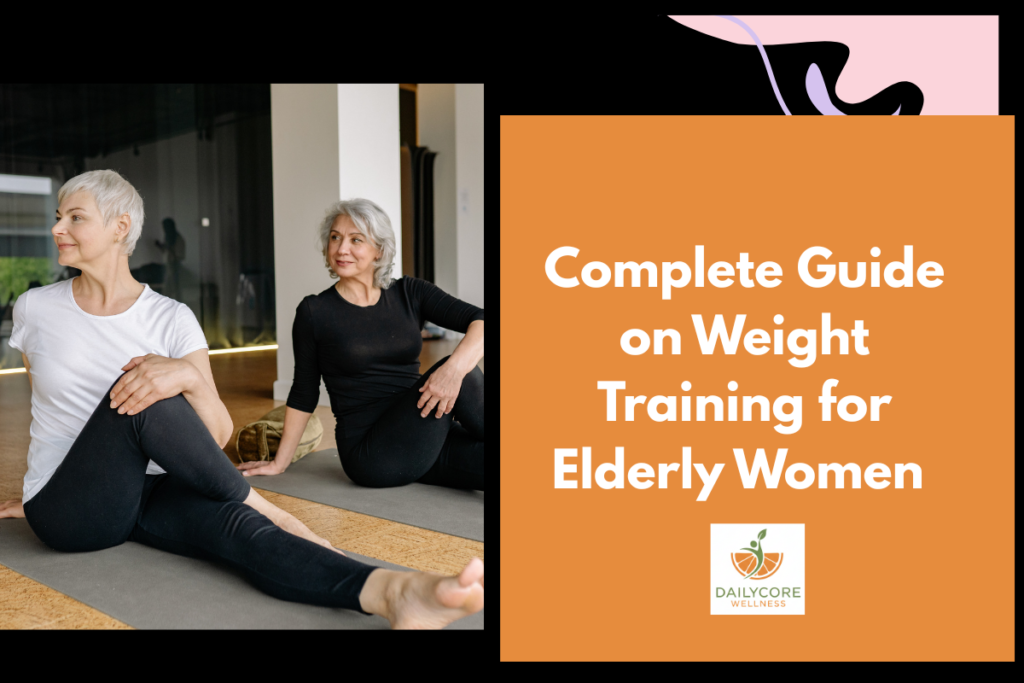
Complete Guide on Weight Training for Elderly Women, 11th July 2026
1. Begin With Light Resistance and Master Proper Form
Starting with light resistance ensures that movement patterns are learned correctly before adding additional load. For elderly women, maintaining joint alignment and controlled execution is more important than lifting heavy weights. Proper form reduces strain on vulnerable areas such as the knees, hips, and shoulders. Beginning with resistance bands, light dumbbells, or machine-based exercises provides stability while strengthening muscles gradually. Focusing on posture, breathing, and tempo builds a strong technical foundation. Once proper mechanics are consistently maintained, gradual increases in resistance can be introduced safely and confidently.
2. Train All Major Muscle Groups Each Week
Balanced muscle development is critical for maintaining posture and functional independence. A comprehensive weight training program should include exercises for the lower body, upper body, and core. Strengthening the legs improves walking stability and reduces fall risk. Upper-body training supports daily tasks such as lifting, carrying, and reaching. Core strengthening enhances spinal stability and balance. By ensuring that no major muscle group is neglected, elderly women can develop well-rounded strength that directly supports everyday movement and long-term physical capability.
3. Prioritize Lower-Body Strength for Fall Prevention
Lower-body strength plays a decisive role in balance and stability. Exercises such as seated leg presses, controlled squats to a chair, or step-ups improve hip and thigh strength. Strong leg muscles enhance walking efficiency and stair-climbing ability. They also provide critical support during sudden shifts in body position. By building lower-body power gradually and safely, elderly women significantly reduce their risk of falls, which are a major source of injury in later life.
4. Incorporate Core Stability Training
The core muscles support the spine and connect upper- and lower-body movement. Weak core muscles can lead to poor posture and instability. Including exercises such as seated core rotations, supported planks, or gentle abdominal bracing improves balance and coordination. Strengthening the core also reduces strain on the lower back. Over time, improved core stability enhances overall functional performance and supports safer movement patterns during daily activities.
5. Use Controlled, Slow Movements
Performing exercises slowly and deliberately enhances muscle engagement and joint protection. Rapid or jerky movements increase injury risk and reduce training effectiveness. Controlled repetitions allow elderly women to maintain proper alignment while strengthening targeted muscles. Slower tempos also improve mind-muscle connection and balance. This deliberate approach ensures safer sessions and more consistent strength gains over time.
6. Schedule Adequate Recovery Days
Recovery is essential for muscle repair and long-term improvement. Training on non-consecutive days gives the body sufficient time to rebuild and adapt. Overtraining may increase fatigue and joint discomfort. Prioritizing rest supports sustainable progress and reduces burnout. Consistent recovery habits contribute to safer, more effective long-term training outcomes.
7. Monitor Intensity Carefully
Exercises should feel challenging but manageable. Mild muscle fatigue is acceptable, but sharp pain is not. Using a moderate intensity scale allows elderly women to benefit from resistance training without excessive strain. Monitoring exertion ensures sessions remain productive and safe. Adjusting weight or repetitions when necessary supports steady, injury-free progress.
8. Maintain Proper Breathing Patterns
Breathing should be steady and controlled during each repetition. Exhaling during exertion and inhaling during the lowering phase reduces internal pressure and supports core stability. Avoiding breath-holding minimizes cardiovascular strain. Proper breathing enhances endurance and helps maintain safe execution throughout the workout.
9. Include Functional Movement Patterns
Functional exercises mimic real-life activities such as standing from a seated position or reaching overhead. These movements improve coordination and daily performance. Training functional patterns enhances independence and reduces injury risk. Strength gains become directly applicable to everyday life, making workouts more meaningful and practical.
10. Seek Professional Guidance When Necessary
A qualified fitness professional can provide personalized instruction and ensure exercises are adapted to individual needs. Guidance improves technique, progression, and safety. Professional supervision is especially valuable for those with medical conditions or mobility limitations. Structured support increases confidence and long-term adherence.
11. Focus on Joint-Friendly Exercise Selection
Selecting exercises that minimize joint stress is essential in weight training for elderly women. Movements performed on machines or with resistance bands often provide better support and controlled ranges of motion compared to unsupported free-weight exercises. Joint-friendly options such as seated chest presses, supported rows, and leg presses reduce strain on the knees, hips, and shoulders. Avoiding deep, high-impact, or ballistic movements further protects connective tissue. The goal is to stimulate muscle growth without aggravating arthritis or existing joint discomfort. By choosing exercises that feel stable and controlled, elderly women can build strength confidently while protecting long-term joint health and preserving mobility.
12. Strengthen the Back to Improve Posture
Postural decline is common with aging, often leading to rounded shoulders and upper back weakness. Incorporating back-focused exercises such as seated rows, lat pulldowns, and resistance band pull-aparts helps counteract these changes. Strengthening the upper and mid-back muscles improves spinal alignment and reduces strain on the neck and lower back. Better posture also enhances breathing efficiency and balance. For elderly women, improved posture translates into greater confidence and reduced risk of falls. Consistently training the posterior chain ensures that muscular support around the spine remains strong, supporting daily activities such as standing, walking, and lifting objects safely.
13. Improve Grip Strength for Daily Function
Grip strength is closely linked to overall functional capacity and independence. Weak grip strength can make simple tasks such as opening jars or carrying groceries more difficult. Including exercises that challenge hand and forearm strength, such as light dumbbell holds or resistance band pulls, supports long-term hand functionality. Strengthening grip muscles also improves performance in other resistance exercises by enhancing control and stability. For elderly women, maintaining grip strength contributes directly to confidence and self-reliance. Over time, stronger hands reduce dependence on assistance and support continued participation in physical activities.
14. Keep Repetitions Moderate and Controlled
Moderate repetition ranges, typically between 8 and 15 repetitions per set, provide an effective balance between strength and muscular endurance. This range allows sufficient muscle stimulation without excessive strain. Moving through each repetition with steady control improves muscle engagement and reduces the likelihood of joint stress. Elderly women benefit from prioritizing smooth, deliberate movements rather than rushing through sets. Controlled repetition training enhances coordination, stability, and safety. Maintaining a consistent pace ensures that muscles remain under tension long enough to stimulate adaptation while minimizing unnecessary fatigue.
15. Integrate Flexibility After Strength Sessions
While weight training improves muscle strength, incorporating flexibility work after sessions helps maintain joint mobility. Gentle stretching following resistance exercises promotes circulation and reduces muscle stiffness. Flexibility training is particularly important for elderly women who may experience a reduced range of motion due to inactivity or age-related changes. Targeting major muscle groups such as the hamstrings, chest, and shoulders supports balanced movement patterns. Combining strength and flexibility training enhances overall functional capacity and comfort. Consistently integrating post-workout stretching contributes to improved posture and long-term joint health.
16. Track Progress to Stay Motivated
Monitoring progress helps maintain motivation and ensures that weight training remains effective. Recording exercises, repetitions, and resistance levels allows elderly women to see measurable improvements over time. Even small strength gains indicate positive physiological adaptation. Tracking also highlights when progression is appropriate or when adjustments are needed. Objective measurement reinforces consistency and builds confidence. By recognizing steady improvement, elderly women are more likely to remain committed to their training programs and sustain long-term participation.
17. Adjust Training Around Health Conditions
Many elderly women manage chronic conditions such as arthritis, hypertension, or osteoporosis. Weight training programs should be adapted to accommodate these factors. Lower-impact exercises, controlled tempo, and moderate resistance levels can be adjusted to individual needs. Consulting healthcare providers before beginning a program ensures safety and personalization. Modifications may include reducing the range of motion, increasing rest periods, or selecting machine-supported exercises. Adapting training appropriately allows elderly women to benefit from resistance exercise while respecting medical considerations and minimizing risk.
18. Maintain Consistent Weekly Scheduling
Consistency is the foundation of effective weight training for elderly women. Establishing a regular weekly schedule promotes habit formation and steady physiological adaptation. Training two to three times per week provides adequate stimulus without overwhelming recovery capacity. Consistent scheduling also helps regulate energy levels and maintain momentum. Sporadic sessions produce limited results, while structured routines build progressive strength. Over time, consistent engagement leads to meaningful improvements in mobility, endurance, and confidence.
19. Combine Strength Training With Light Cardiovascular Activity
Although resistance training is the primary focus, combining it with light cardiovascular activity enhances overall health. Activities such as brisk walking or stationary cycling improve heart health and circulation. Cardiovascular conditioning complements muscle strength by supporting endurance and metabolic function. For elderly women, this combination promotes balanced fitness development. Integrating light cardio on alternate days ensures comprehensive physical conditioning while allowing muscles to recover from resistance sessions.
20. Commit to Long-Term Progress Rather Than Quick Results
Sustainable strength development requires patience and long-term commitment. Weight training for elderly women is most effective when viewed as a lifelong practice rather than a short-term program. Gradual improvements in muscle tone, balance, and coordination accumulate steadily over months and years. Avoiding unrealistic expectations reduces frustration and promotes adherence. By focusing on consistent effort and steady progression, elderly women build durable strength that supports independence and healthy aging. Long-term commitment ensures that the benefits of resistance training continue to expand well into later life.