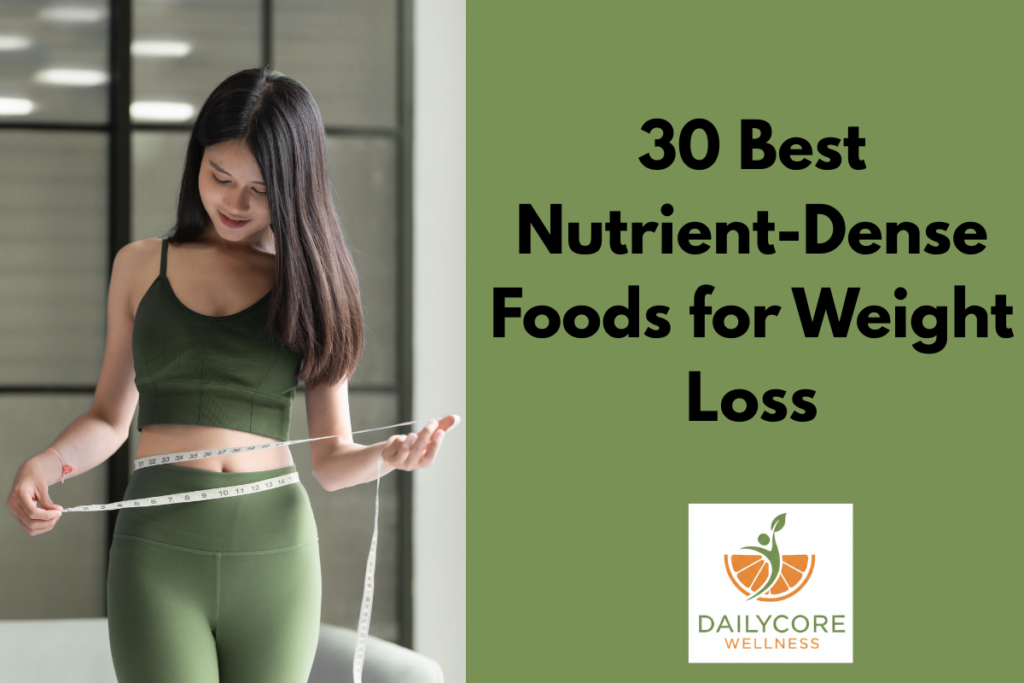
Nutrient dense foods for Weight loss are most effective and sustainable when it emphasizes nutrient-dense foods. Understanding nutrient-dense foods for weight loss is essential because these foods provide essential vitamins, minerals, fiber, and protein while keeping calorie intake manageable. Unlike empty-calorie foods, nutrient-dense options nourish the body, support metabolism, and promote satiety, making it easier to maintain a calorie deficit without feeling deprived.
Incorporating these foods into your daily diet ensures the body receives essential nutrients necessary for energy, muscle preservation, and overall health. Nutrient-dense foods also reduce cravings and prevent overconsumption of processed, calorie-dense foods that contribute to fat gain.
Focusing on nutrient-dense foods for weight loss is not just about eating less—it’s about eating smarter. Foods rich in micronutrients, protein, and fiber support digestion, regulate blood sugar, and improve overall metabolic efficiency, which are all key factors in achieving and maintaining fat loss.
Benefits of Nutrient-Dense Foods for Weight Loss
Nutrient-dense foods promote fat loss by providing high satiety while minimizing calorie intake. Foods rich in protein, fiber, and healthy fats help control appetite, reduce overeating, and maintain stable blood sugar levels. These foods also support lean muscle retention, which is vital for boosting metabolism during weight loss.
Micronutrients in nutrient-dense foods improve overall health by supporting immune function, hormonal balance, and energy production. Leafy greens, vegetables, lean proteins, whole grains, and fruits provide essential vitamins and minerals necessary for body repair and efficient fat metabolism.
Incorporating nutrient-dense foods ensures a balanced approach to weight loss. Instead of relying on restrictive diets that remove essential nutrients, this strategy emphasizes quality calories that nourish the body and enhance fat-burning potential.
Regular consumption of nutrient-dense foods creates long-term habits that promote consistent weight loss. Over time, these habits improve overall energy, mood, and metabolic health while reducing the risk of nutrient deficiencies often associated with traditional calorie-restricted diets.
How to Integrate Nutrient-Dense Foods Into Your Diet, 3rd September 2026
Meal planning is a critical component of integrating nutrient-dense foods for weight loss. Including a variety of colorful vegetables, lean proteins, and whole grains ensures that each meal is balanced and provides essential nutrients without excess calories.
Portion control combined with nutrient density allows for effective calorie management while keeping meals satisfying. Snacking on high-fiber, high-protein options like nuts, Greek yogurt, or raw vegetables prevents overeating and maintains stable energy throughout the day.
Hydration also complements a nutrient-dense diet. Drinking water alongside meals and choosing beverages that support metabolism, such as green tea, can further enhance weight-loss efforts.
By consistently choosing nutrient-dense foods and preparing meals in advance, individuals can maintain a structured and sustainable diet plan. This approach supports consistent fat loss, preserves lean muscle mass, and improves long-term health outcomes.
1. Prioritize Leafy Greens
Leafy greens like spinach, kale, and Swiss chard are low in calories but high in essential nutrients. They provide fiber, vitamins, and minerals that support fat loss and overall health.
Fiber in leafy greens promotes satiety, reducing overall calorie intake, while micronutrients such as magnesium, vitamin K, and antioxidants support metabolism and reduce inflammation. Including leafy greens in every meal ensures nutrient balance and keeps you full between meals. Their versatility allows them to be incorporated into salads, smoothies, or cooked dishes, making them an essential component of a nutrient-dense weight-loss diet.
2. Incorporate Lean Proteins
Lean proteins, including chicken breast, turkey, fish, and plant-based options like lentils and tofu, are critical for fat loss. Protein preserves lean muscle mass, which is essential for maintaining metabolic rate during weight loss.
High-protein foods increase satiety, making it easier to adhere to a calorie deficit. They also require more energy for digestion, contributing to a higher thermic effect of food. Incorporating lean protein into every meal helps regulate appetite, stabilize blood sugar levels, and provide essential amino acids for muscle repair and overall health, ensuring sustainable and effective fat-loss results.
3. Embrace Whole Grains
Whole grains like oats, quinoa, and brown rice are nutrient-dense carbohydrate sources that provide fiber, vitamins, and minerals. They release energy slowly, helping maintain stable blood sugar levels and reducing cravings.
The fiber content in whole grains increases fullness and promotes digestive health, both of which support weight-loss goals. Whole grains also supply essential nutrients such as B vitamins, iron, and magnesium, which are often lacking in highly processed foods. Including them as part of balanced meals ensures sustained energy and effective fat loss without compromising nutrition.
4. Include Healthy Fats
Healthy fats from sources such as avocados, nuts, seeds, and olive oil are crucial for a nutrient-dense weight-loss diet. These fats provide essential fatty acids, support hormone regulation, and enhance the absorption of fat-soluble vitamins.
Although high in calories, healthy fats promote satiety and prevent overeating, making it easier to maintain a calorie deficit. Including moderate amounts of healthy fats in meals supports brain health, energy production, and long-term adherence to a fat-loss diet. Properly balanced, these fats are key to sustainable weight management.
5. Focus on Fruits and Berries
Fruits and berries are rich in vitamins, minerals, and antioxidants while being relatively low in calories. They provide fiber that slows digestion and increases satiety, helping control overall calorie intake.
Berries like blueberries, raspberries, and strawberries contain antioxidants that reduce inflammation and support metabolic health. Incorporating fruits into meals or snacks adds natural sweetness, nutrients, and hydration, making it easier to avoid calorie-dense processed foods. Consistent consumption of fruits supports fat loss, overall health, and long-term adherence to a nutrient-dense diet.
6. Add Legumes and Beans
Legumes and beans, such as lentils, chickpeas, and black beans, are highly nutrient-dense foods for weight loss. They are rich in protein, fiber, and essential minerals, helping regulate appetite and blood sugar levels.
The high fiber content promotes satiety, reducing the likelihood of overeating, while protein supports muscle preservation during calorie restriction. Additionally, legumes provide important nutrients such as iron, magnesium, and folate, which aid metabolism and overall health. Incorporating legumes into meals, such as soups, salads, or stews, ensures balanced nutrition, sustained energy, and enhanced fat-burning potential as part of a nutrient-dense weight-loss diet.
7. Include Low-Fat Dairy
Low-fat dairy products like Greek yogurt, cottage cheese, and skim milk are excellent nutrient-dense foods for weight loss. They provide high-quality protein, calcium, and vitamin D, which support muscle maintenance and metabolic function.
Protein from dairy increases satiety and boosts the thermic effect of food, helping to burn more calories during digestion. Calcium and vitamin D contribute to bone health and may support fat metabolism. Incorporating low-fat dairy into meals or snacks enhances overall nutrition while keeping calorie intake moderate, making it easier to adhere to a sustainable fat-loss plan without compromising essential nutrients.
8. Use Spices and Herbs
Spices and herbs such as turmeric, cinnamon, ginger, and cayenne pepper are nutrient-dense additions that support weight loss. They contain antioxidants, anti-inflammatory compounds, and compounds that may slightly boost metabolism.
Incorporating herbs and spices into meals enhances flavor without adding extra calories, helping individuals avoid high-calorie sauces or processed seasonings. Some spices, like cinnamon, can improve blood sugar control, while ginger and cayenne may support digestion and thermogenesis. Using these nutrient-dense seasonings consistently helps promote a healthier, more satisfying eating experience that supports fat loss over the long term.
9. Incorporate Cruciferous Vegetables
Cruciferous vegetables, including broccoli, cauliflower, Brussels sprouts, and cabbage, are low in calories but high in fiber, vitamins, and antioxidants. They promote satiety and support metabolic health, making them ideal for weight loss diets.
The high fiber content aids digestion and slows nutrient absorption, preventing spikes in blood sugar that can trigger hunger and cravings. Cruciferous vegetables also provide essential vitamins such as C, K, and folate, which support overall health during calorie restriction. Including these vegetables in meals helps increase meal volume, reduce overall calorie intake, and maximize nutrient density for sustainable fat loss.
10. Drink Green Tea
Green tea is a nutrient-dense beverage that can support weight loss through its antioxidant content and mild metabolism-boosting effects. Compounds such as catechins and caffeine may enhance fat oxidation and energy expenditure.
Drinking green tea regularly can also help control appetite and reduce cravings for high-calorie snacks. Consuming it as part of a nutrient-dense weight-loss plan supports hydration while providing beneficial compounds that enhance metabolic health. Integrating green tea into daily routines can improve fat-burning potential, support long-term weight management, and complement the consumption of nutrient-dense foods for optimal results.
11. Include Fatty Fish
Fatty fish such as salmon, mackerel, and sardines are nutrient-dense foods for weight loss. They provide high-quality protein and omega-3 fatty acids, which support metabolism, reduce inflammation, and promote satiety.
Omega-3 fatty acids improve heart health and may enhance fat oxidation, making it easier to maintain a calorie deficit. Protein in fish preserves lean muscle mass during weight loss, helping sustain metabolic rate. Incorporating fatty fish into meals two to three times per week supports nutrient intake, boosts fat-burning potential, and ensures a balanced diet that promotes sustainable, long-term weight loss without compromising essential nutrients.
12. Snack on Nuts and Seeds
Nuts and seeds, such as almonds, walnuts, chia, and flaxseeds, are nutrient-dense and help manage appetite during weight loss. They contain healthy fats, protein, fiber, and micronutrients like magnesium and vitamin E.
Consuming moderate portions of nuts or seeds increases satiety, stabilizes blood sugar, and reduces cravings for high-calorie snacks. While calorie-dense, their nutrient quality and ability to promote fullness make them valuable in a fat-loss diet. Incorporating these foods as snacks or toppings enhances overall nutrient intake, supports metabolic function, and ensures a balanced approach to sustainable, long-term weight management.
13. Add Berries to Meals
Berries such as blueberries, raspberries, and strawberries are low-calorie, nutrient-dense fruits ideal for weight loss. They are rich in fiber, antioxidants, and vitamins that support metabolism and reduce inflammation.
The fiber content promotes satiety and stabilizes blood sugar, preventing overeating and unhealthy snacking. Antioxidants protect cells from oxidative stress, supporting overall health during calorie restriction. Including berries in breakfasts, smoothies, or desserts enhances flavor while keeping meals low in calories and high in nutrients. Consistent consumption helps improve fat-loss outcomes and supports long-term health.
14. Prioritize High-Fiber Vegetables
High-fiber vegetables like carrots, zucchini, bell peppers, and asparagus are essential nutrient-dense foods for weight loss. Fiber increases fullness, slows digestion, and reduces overall calorie intake.
Fiber-rich vegetables also support digestive health by feeding gut bacteria and maintaining regular bowel movements. Their low calorie density allows larger portion sizes without exceeding daily calorie goals. Incorporating these vegetables into meals provides vitamins, minerals, and antioxidants, enhancing overall nutrient intake. Regular consumption of high-fiber vegetables improves satiety, supports fat-loss efforts, and contributes to long-term metabolic health.
15. Include Eggs in Your Diet
Eggs are nutrient-dense foods for weight loss, providing high-quality protein, healthy fats, and essential vitamins such as B12 and choline. Protein promotes satiety, helping control appetite and reduce calorie intake.
Eating eggs for breakfast or meals supports muscle preservation during weight loss, which is essential for maintaining metabolism. Their nutrient density ensures essential vitamins and minerals are met while maintaining a calorie deficit. Incorporating eggs into a balanced diet can enhance fat-loss results, improve energy levels, and support overall health, making them a versatile and effective component of a nutrient-dense weight-loss plan.
16. Incorporate Avocados
Avocados are rich in monounsaturated fats, fiber, and micronutrients like potassium and vitamin E, making them a nutrient-dense food for weight loss. Healthy fats increase satiety and reduce cravings for high-calorie foods.
The fiber in avocados slows digestion and stabilizes blood sugar, supporting better appetite control. Including avocados in meals, such as salads, smoothies, or spreads, adds flavor and nutrient density without overconsuming calories. Regular consumption of avocados promotes long-term adherence to a nutrient-dense diet while supporting fat loss, metabolic health, and overall wellness.
17. Consume Greek Yogurt
Greek yogurt is a high-protein, nutrient-dense food ideal for weight loss. It contains probiotics, calcium, and vitamins that support digestion, bone health, and metabolism.
Protein in Greek yogurt enhances satiety and preserves lean muscle mass during calorie restriction. Probiotics improve gut health, which may positively influence weight management and metabolic function. Incorporating Greek yogurt into meals or snacks helps regulate appetite, maintain energy levels, and provide essential nutrients. Its versatility makes it an excellent component of a sustainable, nutrient-dense weight-loss diet.
18. Add Sweet Potatoes
Sweet potatoes are nutrient-dense, complex carbohydrate sources that support weight loss. They are rich in fiber, vitamins A and C, and potassium, which improve satiety, energy, and metabolic health.
Fiber slows digestion and promotes fullness, reducing the likelihood of overeating. Nutrients like beta-carotene and potassium support overall health during calorie restriction. Including sweet potatoes in meals provides a nutrient-dense alternative to refined carbohydrates while maintaining energy levels and promoting sustainable fat-loss results. Their versatility in meals ensures long-term adherence to a healthy, weight-loss-focused diet.
19. Incorporate Bell Peppers
Bell peppers are low-calorie, nutrient-dense vegetables packed with vitamin C, fiber, and antioxidants. These compounds support fat metabolism, satiety, and overall health, making them ideal for weight-loss diets.
Their high water content and low-calorie density allow larger portions without exceeding calorie goals. Fiber promotes fullness, while antioxidants reduce inflammation and support recovery. Adding bell peppers to salads, stir-fries, or snacks increases nutrient intake, enhances flavor, and supports sustainable fat-loss results. Regular consumption of bell peppers ensures the diet remains balanced, nutrient-rich, and effective for long-term weight management.
20. Drink Water Before Meals
Drinking water before meals is a simple yet effective strategy to enhance nutrient-dense weight-loss efforts. Consuming water before eating increases satiety, helping reduce overall calorie intake.
Hydration supports metabolism, digestion, and nutrient transport throughout the body. Drinking water before meals can prevent overeating, especially when combined with fiber- and protein-rich foods. Establishing this habit improves adherence to a calorie-controlled, nutrient-dense diet while promoting fat loss and overall health. Over time, regular pre-meal hydration reinforces sustainable dietary practices, enhancing both short-term and long-term weight-management results.
21. Include Tomatoes
Tomatoes are low-calorie, nutrient-dense foods that support weight loss. They are rich in vitamins C and K, potassium, and antioxidants such as lycopene, which promote metabolic health and reduce inflammation.
The high water content in tomatoes increases meal volume without adding excess calories, promoting satiety. Fiber further slows digestion, helping control appetite and prevent overeating. Incorporating tomatoes into salads, sauces, or snacks enhances flavor and nutrient intake while supporting sustainable fat-loss goals. Regular consumption ensures the body receives essential nutrients while maintaining a calorie deficit, making tomatoes a versatile and effective component of a nutrient-dense weight-loss diet.
22. Eat Cucumber
Cucumbers are extremely low in calories but high in water and fiber, making them ideal nutrient-dense foods for weight loss. They help increase fullness while keeping calorie intake low.
Fiber in cucumbers aids digestion and helps regulate blood sugar, preventing hunger spikes that can lead to overeating. Their hydrating nature contributes to overall fluid balance, which supports metabolism and appetite control. Incorporating cucumbers into salads, snacks, or smoothies provides volume and nutrients without added calories. Consistent consumption helps maintain satiety, promotes fat loss, and supports a balanced, nutrient-rich diet for long-term weight management.
23. Use Mushrooms
Mushrooms are nutrient-dense, low-calorie foods that support fat loss while providing essential vitamins and minerals like selenium, B vitamins, and potassium. They are high in fiber and protein, which increases satiety and reduces overall calorie intake.
Adding mushrooms to meals creates volume without excess calories, promoting fullness and helping control appetite. Their unique umami flavor enhances the taste of dishes, making healthy meals more satisfying. Regular consumption of mushrooms supports a nutrient-rich, balanced diet that preserves lean muscle, enhances metabolism, and aids sustainable weight loss over time.
24. Incorporate Zucchini
Zucchini is a low-calorie, nutrient-dense vegetable rich in fiber, vitamins A and C, and antioxidants. It adds bulk to meals, which promotes satiety while keeping calorie intake low.
Fiber in zucchini slows digestion and stabilizes blood sugar, reducing cravings and overeating. Its versatility allows it to be spiralized, roasted, or added to soups and salads, enhancing nutrient intake without adding unnecessary calories. Consistently including zucchini in meals supports a nutrient-dense weight-loss plan, helping individuals achieve sustainable fat loss and improved overall health.
25. Add Cauliflower
Cauliflower is a low-calorie, high-fiber vegetable that promotes fullness and supports fat loss. It contains vitamins C, K, folate, and antioxidants that contribute to metabolic health and reduce inflammation.
Its versatility allows it to replace higher-calorie foods like rice or potatoes, lowering overall meal calories without compromising volume. Fiber aids digestion and appetite control, enhancing satiety between meals. Incorporating cauliflower regularly into a nutrient-dense weight-loss diet improves nutrient intake, supports sustainable fat loss, and maintains energy and overall health during calorie restriction.
26. Include Asparagus
Asparagus is a nutrient-dense vegetable with low calorie content, high fiber, and vitamins A, C, and K. It supports digestion, satiety, and metabolic health, making it ideal for weight-loss diets.
Fiber slows digestion and helps control appetite, while its antioxidants reduce inflammation and support overall health. Steaming, roasting, or adding asparagus to salads increases nutrient intake without increasing calorie consumption. Regular inclusion in meals enhances fullness, supports fat loss, and maintains a nutrient-rich, balanced diet for long-term weight management.
27. Consume Green Beans
Green beans are low-calorie, nutrient-dense vegetables rich in fiber, vitamins, and minerals such as vitamin C, vitamin K, and folate. They promote satiety and support metabolism during calorie restriction.
Fiber content helps regulate blood sugar and reduces overeating, while antioxidants protect cells from oxidative stress. Green beans can be steamed, roasted, or added to stir-fries, providing volume and nutrients without extra calories. Consistent consumption supports a nutrient-dense weight-loss plan, aiding fat loss and improving long-term health outcomes while keeping meals satisfying and nutritious.
28. Snack on Carrots
Carrots are nutrient-dense, low-calorie vegetables high in fiber, vitamin A, and antioxidants. They promote fullness and help control calorie intake, supporting fat-loss goals.
Fiber slows digestion and increases satiety, reducing the likelihood of overeating. Vitamin A and antioxidants support overall health during calorie restriction. Carrots can be eaten raw, roasted, or added to soups and salads, providing versatility and nutrient density. Regular consumption enhances a nutrient-rich weight-loss diet, improves appetite control, and supports sustainable fat-loss results while maintaining overall wellness.
29. Add Celery
Celery is extremely low in calories and high in water and fiber, making it an excellent nutrient-dense food for weight loss. It helps increase meal volume and promotes satiety while maintaining a calorie deficit.
Fiber supports digestion and stabilizes blood sugar, reducing hunger between meals. Its hydrating nature further contributes to fullness and energy balance. Celery can be eaten raw, added to soups, or used as a crunchy snack, providing nutrients and volume without excess calories. Consistent inclusion supports sustainable fat loss and enhances adherence to a nutrient-dense weight-loss diet.
30. Include Bell Peppers
Bell peppers are colorful, nutrient-dense vegetables rich in vitamin C, antioxidants, and fiber. They are low in calories, making them ideal for fat-loss diets while promoting fullness and nutrient intake.
Fiber increases satiety and slows digestion, while antioxidants reduce inflammation and support metabolic function. Bell peppers can be eaten raw, roasted, or incorporated into various meals, adding flavor and volume without adding excessive calories. Regular consumption enhances a nutrient-rich diet, supports long-term fat-loss goals, and ensures overall health is maintained during calorie restriction.
Conclusion
Leafy greens, lean proteins, whole grains, healthy fats, and fruits all contribute to satiety, energy balance, and metabolic support. Incorporating these foods into structured meal plans helps maintain consistency and prevents reliance on calorie-dense, nutrient-poor alternatives.
Sustainable weight loss is achieved through daily commitment to balanced nutrition and mindful food choices. By consistently choosing nutrient-dense foods, individuals can create long-term habits that support fat loss, energy, and overall wellness.
Over time, focusing on nutrient-dense foods allows for improved body composition, enhanced recovery, and better overall health. Consistency and long-term dietary adherence remain key to maintaining fat loss results and promoting lasting wellness.
Share this:
- Share on Facebook (Opens in new window) Facebook
- Share on X (Opens in new window) X
- Share on WhatsApp (Opens in new window) WhatsApp
- Share on Threads (Opens in new window) Threads
- Share on LinkedIn (Opens in new window) LinkedIn
- Share on Telegram (Opens in new window) Telegram
- Email a link to a friend (Opens in new window) Email
- Share on Pinterest (Opens in new window) Pinterest