A dental hygiene license is an essential credential required for individuals who want to practice as professional dental hygienists. This license confirms that a practitioner has completed the necessary education, clinical training, and examinations required to provide preventive oral health services safely and effectively. Without a valid license, individuals cannot legally perform dental hygiene procedures such as teeth cleaning, patient assessments, and preventive treatments.
The licensing process is designed to protect patients and maintain professional standards across the dental industry. A licensed dental hygienist demonstrates competence in infection control, oral disease prevention, patient education, and clinical procedures. These responsibilities require proper training and adherence to strict professional guidelines established by dental regulatory authorities.
For aspiring professionals, securing a dental hygiene license opens the door to a stable and rewarding healthcare career. Dental hygienists are essential members of the dental team, helping patients maintain healthy smiles and prevent serious oral health issues. Understanding the licensing process and preparing effectively can help candidates achieve long-term success in this growing healthcare field.
Understanding the Dental Hygiene License Process
Obtaining a dental hygiene license begins with formal education in dental hygiene from an accredited institution. Most aspiring hygienists complete an associate degree program, although bachelor’s programs are also available and may provide expanded career opportunities. These programs typically include coursework in anatomy, oral pathology, radiography, pharmacology, and preventive dentistry. In addition to classroom instruction, students participate in clinical training to develop hands-on experience working with patients under professional supervision.
After completing the educational requirements, candidates must pass a national written examination and a regional or state clinical examination. These assessments evaluate knowledge of dental science, patient care, infection control, and clinical competency. Once both examinations are completed, candidates submit an application to the state dental board or licensing authority. The board reviews the candidate’s education, exam scores, and background checks before granting a dental hygiene license, allowing the individual to practice legally within that jurisdiction.
Why a Dental Hygiene License Is Important for Career Growth
A dental hygiene license is more than a legal requirement; it is a professional credential that demonstrates competence, credibility, and commitment to patient safety. Licensed dental hygienists are trusted healthcare providers who play a critical role in preventing oral diseases such as cavities and gum disease. The license assures employers and patients that the hygienist has met the professional standards required to deliver high-quality care.
Beyond basic employment eligibility, holding a dental hygiene license creates opportunities for career advancement. Licensed hygienists may pursue specialized roles in public health programs, dental education, research, or advanced clinical practice. Some professionals also obtain additional certifications to expand their scope of practice, including anesthesia administration or periodontal therapy. Maintaining an active license through continuing education ensures that hygienists remain updated on modern dental techniques, technologies, and patient care strategies.
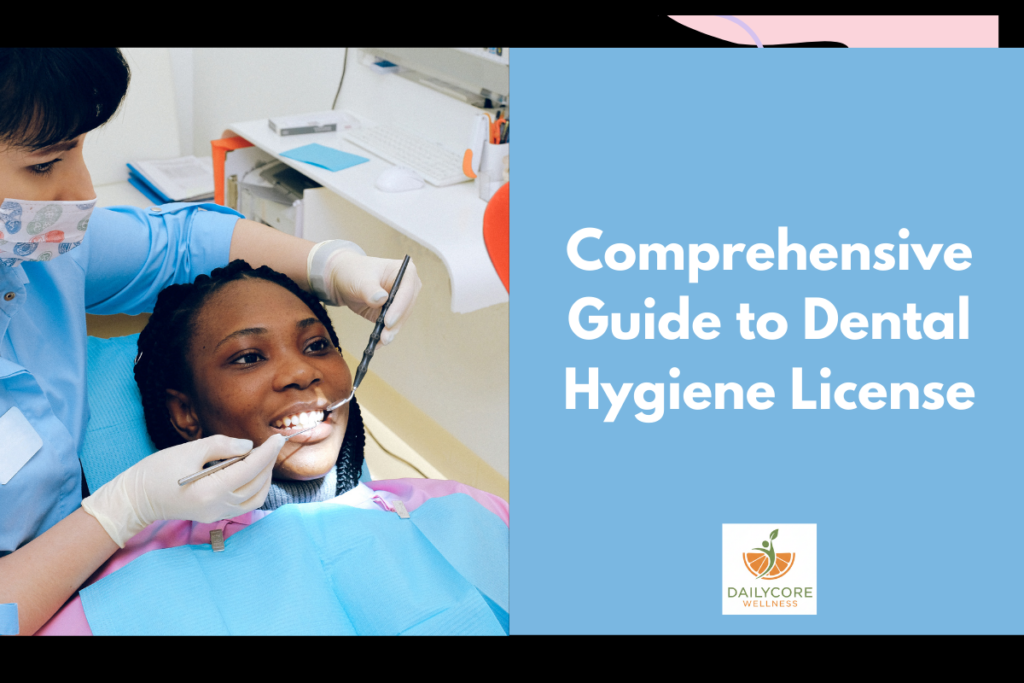
Essential Tips for Obtaining and Maintaining a Dental Hygiene License
1. Complete an Accredited Dental Hygiene Program
The first and most important step toward obtaining a dental hygiene license is enrolling in an accredited dental hygiene program. Accreditation ensures that the curriculum meets professional standards required by licensing boards and prepares students for both written and clinical examinations. Programs usually combine classroom education with extensive clinical training to develop practical patient care skills.
Students learn key subjects such as dental anatomy, radiology, preventive dentistry, oral pathology, and infection control. Clinical sessions allow students to perform supervised procedures, including scaling, polishing, and patient assessments. Completing an accredited program not only qualifies candidates for licensing exams but also builds the technical confidence needed for real-world dental practice. Selecting a reputable institution with strong clinical training opportunities can significantly improve the chances of passing licensing examinations and succeeding in the profession.
2. Prepare Thoroughly for the National Board Examination
Passing the national dental hygiene board examination is a critical milestone in the licensing process. This written exam evaluates knowledge in several areas, including dental science, patient care, pharmacology, and community dental health. Proper preparation ensures that candidates can demonstrate their understanding of these essential concepts.
A structured study plan is highly beneficial during exam preparation. Reviewing textbooks, attending review courses, and practicing with mock exam questions can improve knowledge retention and confidence. Candidates should focus on understanding core principles rather than memorizing isolated facts. Consistent study over several weeks or months allows aspiring hygienists to approach the examination with clarity and readiness. Successful completion of this exam confirms a candidate’s theoretical competence and moves them one step closer to obtaining a dental hygiene license.
3. Gain Strong Clinical Experience During Training
Clinical experience plays a major role in preparing candidates for both licensing exams and professional practice. During dental hygiene programs, students typically work with patients in supervised clinical settings where they perform preventive procedures and develop patient communication skills. These practical experiences help students build confidence and improve their technical abilities.
Strong clinical performance also prepares students for regional or state clinical examinations required for licensure. These exams evaluate practical skills such as scaling, patient assessment, and infection control procedures. Students who actively participate in clinical practice sessions during their training often perform better during licensing assessments. Consistent hands-on experience ensures that candidates can deliver safe, effective dental care once they begin practicing as licensed professionals.
4. Understand State or Regional Licensing Requirements
Each region or state may have slightly different requirements for obtaining a dental hygiene license. Some jurisdictions require specific clinical exams, background checks, or additional documentation before approving a license application. Understanding these requirements early in the process can prevent delays and ensure that candidates meet all necessary criteria.
Prospective hygienists should review the guidelines provided by their local dental board. These guidelines outline the education requirements, accepted examinations, application procedures, and renewal policies. Being fully informed helps candidates prepare the correct documentation and complete the licensing process efficiently. Awareness of regulatory requirements also ensures compliance with professional standards once the license is granted.
5. Maintain Professional Ethics and Patient Safety Standards
Professional ethics are fundamental to maintaining a dental hygiene license. Licensed hygienists are responsible for providing safe and ethical care while respecting patient privacy, informed consent, and professional boundaries. Adhering to ethical standards strengthens trust between healthcare providers and patients.
Maintaining high standards of infection control, accurate documentation, and patient communication also contributes to professional credibility. Dental boards expect licensed hygienists to follow established clinical protocols and uphold the reputation of the dental profession. Consistent ethical behavior not only protects patients but also ensures long-term success and stability within the dental hygiene career field.
6. Stay Updated Through Continuing Education
Continuing education is essential for maintaining an active dental hygiene license. Many licensing authorities require professionals to complete a specific number of educational hours within a renewal period. These programs help hygienists stay informed about advancements in dental technology, treatment techniques, and infection control protocols.
Participating in workshops, seminars, and professional training courses can enhance clinical knowledge and improve patient care. Continuing education also provides opportunities to explore specialized areas within dental hygiene. By actively investing in professional development, hygienists strengthen their expertise and remain competitive within the healthcare industry while ensuring compliance with licensing renewal requirements.
7. Develop Strong Communication and Patient Education Skills
Dental hygienists spend significant time interacting with patients, making communication skills an essential component of professional success. Effective communication helps hygienists explain treatment procedures, provide oral hygiene instructions, and address patient concerns in a clear and supportive manner.
Patient education plays a key role in preventive dentistry. Hygienists guide patients on proper brushing techniques, flossing habits, dietary choices, and routine dental visits. Clear communication encourages patients to adopt healthier oral hygiene practices and improves overall treatment outcomes. Developing strong interpersonal skills enhances patient satisfaction and strengthens the professional reputation of licensed dental hygienists.
8. Build Professional Relationships in the Dental Community
Networking within the dental community can provide valuable support for individuals pursuing or maintaining a dental hygiene license. Building relationships with dentists, hygienists, instructors, and professional organizations creates opportunities for mentorship and career development.
Professional connections may lead to job opportunities, collaborative projects, or recommendations for continuing education programs. Engaging with dental associations and attending industry events can also provide insights into current trends and best practices in oral healthcare. Establishing a strong professional network helps hygienists grow within the field and maintain long-term career stability.
9. Maintain Accurate Documentation and Record-Keeping
Accurate documentation is a critical responsibility for licensed dental hygienists. Patient records must clearly reflect assessments, treatments performed, and recommendations provided during appointments. Proper documentation ensures continuity of care and protects both patients and healthcare providers.
Dental boards often emphasize the importance of maintaining organized and detailed patient records. These records may be required for audits, insurance purposes, or legal documentation. Developing consistent documentation habits ensures compliance with professional regulations and supports efficient communication within the dental team.
10. Commit to Long-Term Professional Development
Obtaining a dental hygiene license is only the beginning of a long professional journey. Continuous growth and learning are necessary to maintain competence and provide high-quality patient care. Professionals who actively pursue skill development often experience greater career satisfaction and advancement opportunities.
Long-term professional development may include advanced certifications, leadership roles within dental organizations, or involvement in community oral health programs. By committing to ongoing improvement, dental hygienists strengthen their expertise and contribute positively to the healthcare system. This dedication ensures that their careers remain productive, meaningful, and aligned with evolving dental care standards.
Conclusion
A dental hygiene license represents a critical milestone for individuals pursuing a professional career in oral healthcare. It verifies that a dental hygienist has completed the required education, demonstrated clinical competence, and met regulatory standards established to protect patient safety. By obtaining this credential, professionals gain the legal authority to provide preventive dental services and support the broader dental care system.
However, earning the license is only the beginning of a long and rewarding professional journey. Success in dental hygiene requires consistent dedication to clinical excellence, ethical practice, and patient education. Hygienists who continuously refine their skills and remain informed about modern dental practices are better equipped to deliver high-quality care to their patients.
Consistency plays a major role in maintaining professional credibility. Regular continuing education, adherence to regulatory requirements, and commitment to patient safety ensure that dental hygienists remain competent throughout their careers. These efforts strengthen both individual professional reputations and the overall standards of the dental profession.
In the long term, maintaining a dental hygiene license through continuous improvement and professional discipline leads to lasting career growth. Dental hygienists who remain focused on learning, patient care, and ethical practice position themselves for sustained success in a healthcare field that continues to expand and evolve.
Share this:
- Share on Facebook (Opens in new window) Facebook
- Share on X (Opens in new window) X
- Share on WhatsApp (Opens in new window) WhatsApp
- Share on Threads (Opens in new window) Threads
- Share on LinkedIn (Opens in new window) LinkedIn
- Share on Telegram (Opens in new window) Telegram
- Email a link to a friend (Opens in new window) Email
- Share on Pinterest (Opens in new window) Pinterest