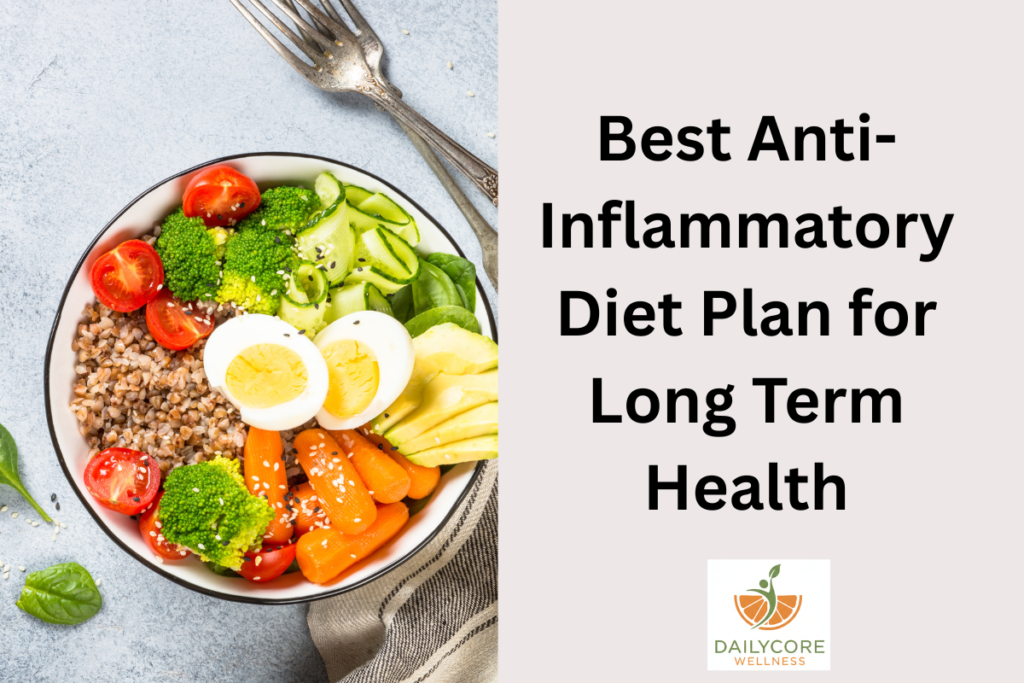
Best Anti-Inflammatory Diet Plan for Long-Term Health

An anti-inflammatory diet is a structured approach to eating that focuses on reducing chronic inflammation in the body through nutrient-dense, whole foods. While inflammation is a natural and necessary response to injury or infection, long-term low-grade inflammation has been linked to fatigue, joint discomfort, metabolic imbalance, and various chronic health concerns. A properly designed anti-inflammatory diet supports the body’s ability to regulate this response and restore balance.

Many people unintentionally eat items that cause inflammation, like refined carbohydrates, overly processed snacks, and too much saturated fat. These eating patterns can lead to chronic inflammation when combined with stress, sleep deprivation, and inactivity. Lack of structure and clarity regarding what to eat consistently is typically the problem rather than a lack of motivation.

A sustainable approach based on entire meals, balanced macronutrients, and consistent routines is the answer rather than severe restriction. By prioritizing veggies high in antioxidants, healthy fats, high-quality protein, and fiber, you foster an environment that promotes resilience and healing. Instead of yielding results right away, this method works steadily and gradually.

An anti-inflammatory diet is flexible and realistic. It is not about eliminating entire food groups permanently or following rigid rules. Instead, it focuses on improving food quality, reducing inflammatory triggers, and building habits that can be maintained long term. Sustainability remains the foundation of lasting health improvements.

Focus on Whole, Nutrient-Dense Foods

The foundation of an anti-inflammatory diet is whole foods that are minimally processed. Vegetables, fruits, whole grains, legumes, nuts, and seeds provide antioxidants and phytonutrients that help combat oxidative stress. These compounds assist the body in regulating inflammatory pathways naturally.

Leafy greens, berries, tomatoes, and cruciferous vegetables are particularly valuable because they contain vitamins, minerals, and plant compounds that support cellular health. Including a variety of colors on your plate ensures a broader range of protective nutrients. Diversity in food choices strengthens overall resilience.

Whole grains such as quinoa, brown rice, and oats offer fiber that supports gut health. Since the digestive system plays a significant role in immune and inflammatory responses, maintaining a balanced gut microbiome contributes to long-term inflammation control.

Prioritize Healthy Fats and Lean Proteins

Healthy fats are central to an anti-inflammatory eating plan. Omega-3 fatty acids found in fatty fish like salmon, sardines, and mackerel support balanced inflammatory signaling. Plant-based fats from olive oil, avocados, flaxseeds, and walnuts also contribute protective benefits.

Lean protein sources help repair tissues and maintain muscle mass without promoting excessive inflammation. Options such as poultry, fish, beans, lentils, and tofu provide steady energy and support metabolic stability. Avoiding heavily processed meats can further reduce inflammatory triggers.

Balancing fats and proteins within meals stabilizes blood sugar and reduces stress on the body. When blood sugar fluctuates dramatically, inflammatory markers may increase. Consistent, balanced meals help prevent these spikes.

Reduce Pro-Inflammatory Triggers

Highly processed foods, refined carbohydrates, sugary beverages, and excessive trans fats are common contributors to chronic inflammation. Reducing these items significantly improves the overall quality of your diet. Instead of focusing on elimination alone, concentrate on replacing them with nutrient-dense alternatives.

Limiting added sugars helps stabilize insulin levels and reduce oxidative stress. Replacing refined grains with whole grains improves fiber intake and supports digestion. Small substitutions practiced consistently yield meaningful improvements over time.

Lifestyle factors also matter. Sleep, hydration, and stress management influence inflammatory balance. An anti-inflammatory diet works best when paired with consistent movement, adequate rest, and structured routines that reduce chronic stress exposure.
30 Smart Anti-Inflammatory Diet Tips, 3rd April 2026


1. Fill half your plate with colorful vegetables at every main meal.

Vegetables are the cornerstone of an anti inflammatory diet because they are rich in antioxidants, vitamins, minerals, and phytonutrients that help neutralize oxidative stress. Chronic inflammation is often driven by oxidative damage, and a wide variety of vegetables provides protective compounds that support cellular repair. Dark leafy greens, bell peppers, carrots, broccoli, and cruciferous vegetables are especially beneficial. By consistently filling half your plate with vegetables, you naturally reduce room for processed and inflammatory foods. This structured approach improves fiber intake, supports digestion, and stabilizes blood sugar levels. Over time, consistently prioritizing vegetables creates a strong nutritional foundation that supports long-term inflammation control and overall health resilience.

2. Include fatty fish at least two times per week.

Fatty fish such as salmon, sardines, mackerel, and trout are rich sources of omega-3 fatty acids, which are known to support balanced inflammatory signaling in the body. Omega-3 fats help counteract the effects of excess omega-6 fats commonly found in processed foods. Including fatty fish regularly supports cardiovascular health, brain function, and joint comfort. If fresh fish is not always accessible, frozen or canned options can be equally effective when chosen carefully. Making fish a structured part of your weekly meal plan ensures consistent intake rather than occasional consumption. Over time, steady omega-3 intake can meaningfully contribute to reduced inflammatory markers and improved overall metabolic balance.

3. Replace refined grains with whole grain alternatives.

Refined grains such as white bread, pastries, and processed cereals can cause rapid blood sugar spikes, which may contribute to increased inflammation. Whole grains like quinoa, brown rice, oats, and whole wheat products provide fiber, B vitamins, and minerals that support metabolic stability. Fiber plays a crucial role in gut health, and a balanced gut microbiome significantly influences inflammatory regulation. Gradually replacing refined grains with whole grain options improves satiety and reduces cravings. This transition does not need to be immediate or extreme. Even small substitutions made consistently can improve blood sugar control and support long-term inflammatory balance without feeling restrictive.

4. Use extra virgin olive oil as your primary cooking fat.

Extra virgin olive oil contains monounsaturated fats and natural compounds that support heart health and reduce oxidative stress. Unlike heavily processed vegetable oils, high-quality olive oil retains beneficial polyphenols that contribute to anti inflammatory effects. Using olive oil for cooking, salad dressings, and meal preparation provides a steady source of supportive fats. Moderation remains important, but replacing less stable oils with olive oil improves the overall quality of your fat intake. Building this simple habit into your daily cooking routine strengthens long-term dietary consistency and reduces exposure to pro-inflammatory fats commonly found in processed foods.

5. Limit added sugars consistently rather than occasionally.

Excess added sugar can promote blood sugar spikes and increase inflammatory responses in the body. Sugary beverages, desserts, sweetened snacks, and processed foods often contain hidden sugars that accumulate quickly. Rather than eliminating all sweet foods abruptly, focus on gradual reduction and mindful awareness. Reading labels and choosing unsweetened alternatives supports better decision-making. Over time, taste preferences adjust, and cravings decrease. Consistent moderation of added sugars stabilizes energy levels, reduces insulin fluctuations, and supports weight management. This steady reduction strategy strengthens long-term anti inflammatory benefits without creating a sense of deprivation or unsustainable restriction.

6. Choose lean protein sources to support tissue repair.

Protein is essential for muscle maintenance, immune function, and cellular repair. However, the type of protein consumed matters. Lean sources such as poultry, fish, legumes, tofu, and low-fat dairy provide necessary amino acids without excessive saturated fat. Highly processed meats, on the other hand, may contribute to inflammatory stress when consumed frequently. Structuring meals around balanced protein portions improves satiety and stabilizes blood sugar. Including plant-based protein options regularly adds fiber and additional phytonutrients. A consistent pattern of lean protein intake supports overall metabolic health while minimizing dietary triggers that may increase inflammation over time.

7. Add antioxidant-rich berries to your weekly routine.

Berries such as blueberries, strawberries, raspberries, and blackberries are dense in antioxidants that help combat oxidative stress. These compounds protect cells from damage and support immune regulation. Adding berries to breakfast, snacks, or smoothies provides natural sweetness without excessive sugar intake. Their fiber content also contributes to digestive health and stable blood sugar levels. Consistency is key; incorporating berries several times per week enhances their cumulative protective effect. Rather than relying on supplements alone, using whole fruits as part of your structured eating plan strengthens your body’s natural anti inflammatory defenses in a sustainable way.

8. Include nuts and seeds in controlled portions daily.

Nuts and seeds provide healthy fats, magnesium, fiber, and plant-based protein that support cardiovascular and metabolic health. Almonds, walnuts, flaxseeds, chia seeds, and pumpkin seeds offer beneficial fatty acids that assist in balancing inflammation. While nutrient-dense, they are also calorie-dense, so portion awareness is important. Adding a small handful to meals or snacks can improve satiety and nutrient quality without excess intake. Structured inclusion of nuts and seeds helps reduce reliance on processed snack foods. Over time, consistent intake supports cellular health and contributes to a more balanced inflammatory response throughout the body.

9. Reduce processed snack foods gradually and intentionally.

Highly processed snacks often contain refined carbohydrates, added sugars, trans fats, and artificial additives that may contribute to inflammation. Instead of attempting to eliminate them abruptly, focus on replacing them with whole-food alternatives such as fruit, yogurt, nuts, or vegetable-based snacks. Preparation plays a key role in success. Keeping healthier options readily available reduces impulsive choices driven by convenience. Gradual reduction allows taste preferences and habits to adjust naturally. Over time, decreasing reliance on ultra-processed foods lowers inflammatory exposure and improves overall nutrient density, strengthening the effectiveness of your anti inflammatory eating pattern.

10. Stay consistently hydrated to support metabolic balance.

Hydration plays an important role in circulation, digestion, and cellular function. Dehydration can place additional stress on the body, potentially influencing inflammatory responses. Drinking water regularly throughout the day supports nutrient transport and waste removal. Replacing sugary beverages with water or herbal teas reduces added sugar intake and unnecessary calories. Establishing a structured hydration routine—such as drinking water upon waking and before meals—improves consistency. While water alone does not eliminate inflammation, it strengthens the body’s overall regulatory systems. Combined with balanced nutrition, proper hydration enhances the effectiveness of an anti inflammatory diet over the long term.

See also  30 Ultimate Guides to Healthy Meals Planning

11. Incorporate legumes several times per week for fiber and plant protein.

Legumes such as lentils, chickpeas, black beans, and kidney beans are powerful additions to an anti inflammatory diet. They provide plant-based protein, complex carbohydrates, and high amounts of fiber, all of which help regulate blood sugar and support digestive health. A healthy gut microbiome plays a significant role in controlling inflammation, and the soluble fiber in legumes feeds beneficial gut bacteria. Including legumes in soups, salads, or main dishes improves satiety and reduces reliance on processed animal products. Consistent consumption helps stabilize energy levels and promotes metabolic balance. Over time, making legumes a regular part of your meal structure strengthens your body’s natural anti inflammatory defenses.

12. Avoid trans fats and highly refined vegetable oils.

Trans fats and heavily processed oils are among the most pro-inflammatory components of the modern diet. They are commonly found in packaged baked goods, fried foods, and processed snacks. These fats can disrupt lipid balance and increase inflammatory markers when consumed regularly. Reading ingredient labels and avoiding partially hydrogenated oils is an important step in protecting long-term health. Replacing these fats with stable options like extra virgin olive oil or avocado oil significantly improves fat quality. Small, consistent changes in cooking habits reduce exposure to harmful fats and support cardiovascular health. Over time, this simple shift strengthens the overall anti inflammatory impact of your diet.

13. Season your meals with anti inflammatory herbs and spices.

Herbs and spices such as turmeric, ginger, garlic, cinnamon, and rosemary contain natural compounds that support balanced inflammatory responses. For example, turmeric contains curcumin, which has been widely studied for its role in supporting joint and metabolic health. Adding these ingredients to soups, stews, roasted vegetables, and proteins enhances flavor while improving nutrient density. This reduces reliance on excess salt or sugary sauces. Consistently cooking with herbs and spices strengthens your overall dietary pattern without requiring drastic changes. Over time, this simple habit supports cellular protection and contributes to a more balanced internal environment.

14. Maintain steady blood sugar through balanced meals.

Frequent blood sugar spikes can contribute to inflammatory stress over time. Structuring meals with a balance of protein, healthy fats, and fiber-rich carbohydrates helps slow digestion and stabilize glucose levels. Avoiding meals that rely heavily on refined carbohydrates prevents sharp rises and crashes in energy. Consistent blood sugar regulation supports hormonal balance and reduces cravings. Rather than focusing only on calorie control, prioritize meal composition. A steady metabolic rhythm strengthens your anti inflammatory strategy and supports long-term energy stability and appetite control.

15. Reduce excessive red and processed meat intake.

While moderate consumption of high-quality red meat can fit into a balanced diet, frequent intake of processed meats may contribute to inflammation due to additives and high saturated fat content. Replacing some red meat meals with fish, legumes, or poultry improves overall fat quality and nutrient diversity. This shift does not require total elimination but consistent moderation. Structured rotation of protein sources enhances nutrient intake and reduces repetitive exposure to potentially inflammatory compounds. Over time, improving protein quality supports cardiovascular and metabolic health.

16. Include fermented foods to support gut health.

The gut plays a central role in immune regulation and inflammatory balance. Fermented foods such as yogurt with live cultures, kefir, sauerkraut, kimchi, and other traditionally prepared options provide beneficial bacteria that support microbiome diversity. A healthier gut environment strengthens the body’s ability to regulate inflammatory signals. Introducing fermented foods gradually helps prevent digestive discomfort. Consistent intake, even in small amounts, contributes to improved digestion and immune resilience. Supporting gut health is one of the most effective long-term strategies for managing chronic inflammation.

17. Limit ultra-processed convenience foods.

Ultra-processed foods often contain additives, preservatives, excess sodium, refined sugars, and low-quality fats. Regular consumption may increase inflammatory load and reduce overall nutrient density. Preparing more meals at home gives you greater control over ingredients and portion sizes. Planning ahead reduces reliance on convenience options during busy days. Even replacing one processed meal per day with a whole-food alternative significantly improves dietary quality. Over time, reducing processed food intake lowers exposure to pro-inflammatory components and strengthens long-term health outcomes.

18. Prioritize adequate sleep alongside diet changes.

Sleep deprivation can increase inflammatory markers and disrupt hormonal balance. Even the most carefully structured anti inflammatory diet may be less effective without proper rest. Establishing a consistent sleep schedule, limiting late-night screen time, and creating a relaxing bedtime routine supports recovery and immune function. When the body is well-rested, it regulates stress hormones more effectively and maintains metabolic balance. Viewing sleep as a critical component of your anti inflammatory system enhances results beyond dietary changes alone.

19. Manage stress through structured daily habits.

Chronic stress stimulates inflammatory pathways and can undermine dietary efforts. Incorporating daily stress-management practices such as walking, breathing exercises, stretching, or journaling helps regulate cortisol levels. Consistency is more important than intensity. Small, repeatable habits create long-term resilience. Pairing stress management with balanced nutrition strengthens the body’s regulatory systems. An anti inflammatory lifestyle extends beyond food choices; it requires a comprehensive approach that supports mental and emotional well-being.

20. Build consistency rather than aiming for perfection.

An anti inflammatory diet works best when practiced steadily over months and years, not days. Occasional indulgences do not undo progress, but consistent habits determine outcomes. Focus on improving food quality most of the time rather than eliminating every imperfect choice. Creating structured meal routines, grocery plans, and simple cooking habits improves adherence. Sustainability ensures that your anti inflammatory strategy becomes a natural part of your lifestyle. Long-term consistency delivers far greater benefits than short bursts of strict restriction.

See also  The 21 All Best Nutrient Dense Foods for Weight Gain

21. Choose high-quality dairy or dairy alternatives wisely.

If you tolerate dairy, opt for minimally processed options such as plain yogurt or kefir, which provide beneficial probiotics and protein. Sweetened dairy products can increase sugar intake and counter anti inflammatory efforts. For those who prefer alternatives, select unsweetened almond, oat, or soy options fortified with calcium and vitamin D. Reading labels helps you avoid hidden additives and excess sugars. The goal is not automatic elimination, but thoughtful selection. Consistently choosing higher-quality options supports nutrient balance while reducing unnecessary inflammatory triggers in your daily diet.

22. Focus on colorful, plant-forward plates.

A practical way to reduce inflammation is to visually build meals around plant foods. Filling half your plate with vegetables, adding whole grains, and including a moderate portion of lean protein creates balance. The natural antioxidants and phytonutrients found in colorful produce help protect cells from oxidative stress. This approach simplifies decision-making and improves nutrient density without complicated tracking. Over time, a plant-forward structure naturally lowers intake of processed foods and unhealthy fats, strengthening your anti inflammatory foundation.

23. Reduce added sugars gradually and consistently.

High intake of added sugars can promote inflammation and metabolic imbalance. Sugary drinks, desserts, and sweetened snacks often contribute to excess calorie intake without nutritional value. Instead of abrupt elimination, reduce portion sizes and frequency over time. Replace sugary beverages with water, herbal tea, or sparkling water with lemon. This steady reduction approach improves adherence and prevents cravings from intensifying. Long-term sugar control stabilizes energy, improves insulin sensitivity, and supports overall inflammatory balance.

24. Practice mindful eating to improve digestion.

Eating quickly or while distracted can impair digestion and increase stress-related inflammation. Slowing down during meals, chewing thoroughly, and paying attention to hunger cues supports better nutrient absorption. Mindful eating also helps prevent overeating and emotional food choices. Creating structured meal times without screens enhances satisfaction and reduces digestive discomfort. Over time, this simple behavioral shift improves your relationship with food and strengthens the overall effectiveness of your anti inflammatory diet.

25. Include omega-3 rich seeds in daily meals.

Chia seeds, flaxseeds, and hemp seeds are excellent plant sources of omega-3 fatty acids. These healthy fats help counterbalance the higher omega-6 intake common in modern diets. Adding seeds to smoothies, oatmeal, yogurt, or salads increases fiber and nutrient density. Grinding flaxseeds improves absorption. Small daily additions compound over time, enhancing cardiovascular and metabolic health. Consistent omega-3 intake supports a more balanced inflammatory response and contributes to long-term wellness.

26. Limit excessive alcohol consumption.

While moderate alcohol intake may fit into some lifestyles, excessive consumption can increase inflammation and disrupt liver function. Reducing frequency and portion size lowers strain on the body’s detoxification systems. Choosing alcohol-free days throughout the week supports recovery and improves sleep quality. Over time, minimizing alcohol intake enhances nutrient absorption and metabolic balance. Structured moderation strengthens the anti inflammatory impact of your overall dietary plan.

27. Plan meals ahead to avoid impulsive choices.

Lack of planning often leads to convenient but less nutritious food decisions. Preparing a weekly grocery list and outlining simple meals reduces reliance on processed options. Batch cooking whole grains, proteins, and vegetables makes healthy assembly easier during busy days. Structure creates consistency, and consistency drives results. By planning ahead, you reduce decision fatigue and support long-term anti inflammatory habits without relying on willpower alone.

28. Rotate foods to improve nutrient diversity.

Eating the same foods repeatedly can limit nutrient exposure and gut microbiome diversity. Rotating fruits, vegetables, protein sources, and whole grains ensures a broader range of vitamins, minerals, and phytonutrients. This diversity strengthens immune function and supports balanced inflammatory signaling. Trying new recipes or seasonal produce keeps meals interesting and sustainable. Over time, food variety becomes a strategic tool for improving overall health resilience.

29. Support liver health through whole-food nutrition.

The liver plays a central role in detoxification and metabolic regulation. A diet rich in leafy greens, cruciferous vegetables, and adequate protein supports its natural functions. Limiting processed foods, added sugars, and excessive alcohol reduces metabolic burden. Hydration also assists in efficient waste removal. Consistent support of liver health enhances the body’s ability to manage inflammation and maintain balance across systems.

30. Commit to long-term lifestyle integration.

An anti inflammatory diet is not a temporary plan but a sustainable lifestyle framework. Rather than chasing short-term trends, focus on habits that can be maintained for years. Consistent grocery planning, balanced meal composition, regular movement, and stress management work together to create lasting results. Progress builds gradually through daily repetition. When anti inflammatory principles become integrated into your routine, improved energy, digestion, and overall resilience naturally follow.

See also  35 Best High-Protein Foods for a Vegan Diet in 2026

Conclusion

An anti inflammatory diet is not built on restriction or extreme rules. It is built on structure, quality food choices, and consistent daily habits that support the body’s natural balance. By prioritizing whole foods, healthy fats, fiber-rich carbohydrates, and nutrient-dense proteins, you create an internal environment that promotes recovery, stable energy, and long-term resilience.

The real transformation comes from repetition. Small decisions—choosing water over sugary drinks, cooking at home more often, adding vegetables to each meal, managing stress, and improving sleep—compound over time. Inflammation does not decrease overnight, but steady habits gradually reduce its burden on the body.

Focus on sustainability rather than perfection. Build meals you enjoy, create routines you can maintain, and make improvements step by step. When consistency becomes your foundation, an anti inflammatory lifestyle becomes not just a diet, but a long-term investment in strength, balance, and overall wellness.

Leave a Reply

Your email address will not be published. Required fields are marked *

You May Also Like