Inflammation is a natural and necessary process in the body, but when it becomes chronic, it can quietly contribute to fatigue, joint discomfort, digestive issues, and long-term health challenges. Anti-inflammatory foods play a powerful role in helping the body regulate this process. By choosing the right foods consistently, you support recovery, protect cells, and create a stable internal environment that promotes overall wellness.
Excessive dieting or cutting out entire food groups are not the answer. Instead, it entails creating a dietary regimen that is organized around wholesome, nutrient-dense meals. The body gets consistent support when anti-inflammatory nutrients are regularly included in meals, as opposed to sporadic spikes in healthy eating followed by slumps.
Most importantly, an anti-inflammatory approach is flexible and sustainable. It is not about perfection or rigid food rules. It is about creating repeatable meal patterns that nourish the body daily while still fitting real life. Small, consistent adjustments in food quality often produce far greater results than dramatic short-term changes.
Build Your Plate Around Whole, Colorful Foods
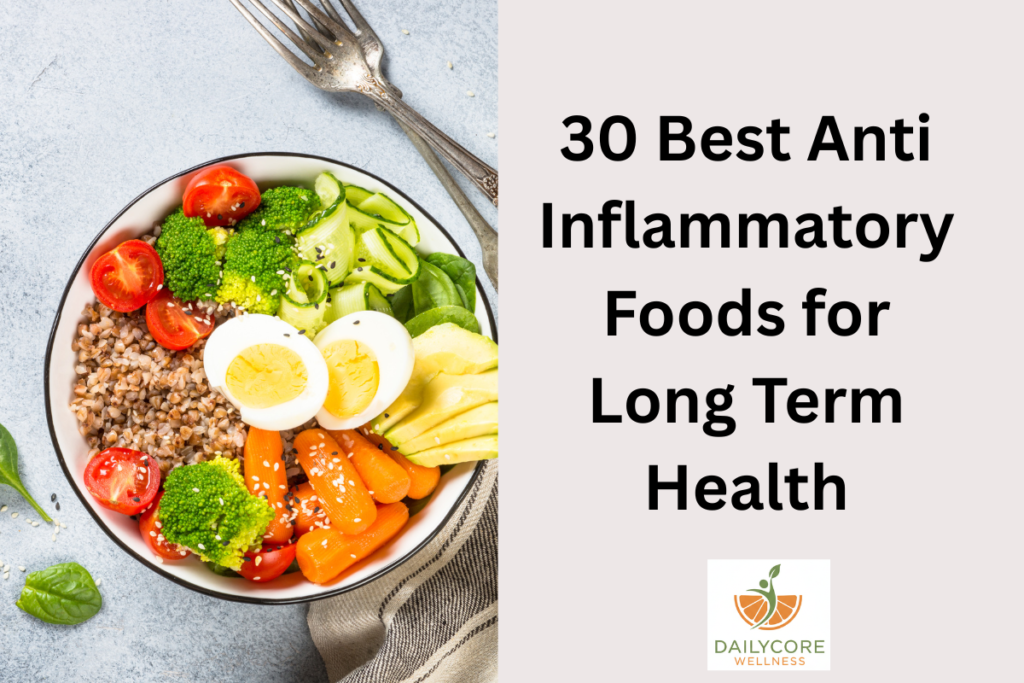
One of the simplest ways to prioritize anti-inflammatory foods is to focus on color and variety. Bright vegetables and fruits contain antioxidants and phytonutrients that help protect cells from oxidative stress. Berries, leafy greens, tomatoes, carrots, and bell peppers are strong examples of foods that support cellular health when consumed regularly.
Whole foods also provide fiber, which plays a major role in gut health. A balanced gut microbiome supports immune regulation and helps control inflammation levels throughout the body. Including vegetables, fruits, legumes, and whole grains daily strengthens digestive function and promotes metabolic stability.
When planning meals, aim to fill at least half your plate with vegetables and fruits. This visual system simplifies decision-making and makes anti-inflammatory eating practical. Consistency with whole, colorful foods creates a strong foundation for long-term health.
Choose Healthy Fats That Support Recovery
Not all fats affect the body the same way. Omega-3 fatty acids, found in fatty fish, flaxseeds, chia seeds, and walnuts, are especially beneficial for reducing inflammatory markers. These fats help support heart health, brain function, and joint comfort when included regularly.
Extra virgin olive oil is another powerful anti-inflammatory staple. It contains compounds that support cardiovascular health and protect blood vessels from damage. Using olive oil as your primary cooking and dressing fat is a simple upgrade that can significantly improve dietary quality.
Reducing intake of trans fats and heavily refined vegetable oils is equally important. By replacing inflammatory fats with stable, nutrient-rich alternatives, you improve the overall balance of your diet and strengthen your body’s natural regulation systems.
Create a Sustainable Daily Eating System
The most effective anti-inflammatory diet is one that you can maintain. Structure helps eliminate guesswork and reduces reliance on convenience foods. Planning balanced meals ahead of time, preparing ingredients in advance, and keeping healthy snacks visible make better decisions easier.
Protein balance also matters. Lean proteins such as fish, poultry, legumes, tofu, and Greek yogurt support muscle maintenance and stabilize blood sugar. Stable blood sugar helps reduce inflammatory stress and prevents energy crashes that often lead to poor food choices.
Hydration, sleep, and stress management also influence inflammation. Even the best foods cannot fully counteract chronic stress or poor recovery habits. Combining smart food choices with consistent lifestyle structure creates a comprehensive anti-inflammatory strategy that works long-term.
30 Smart Anti-Inflammatory Foods Tips, 3rd April 2026