“Best foods vitamin C are the foundation of a strong immune system, radiant skin, and resilient overall health.”
In today’s fast-paced world, many people underestimate how critical vitamin C is to daily wellness. Yet this essential nutrient quietly supports some of your body’s most important functions — from strengthening immunity and speeding wound healing to helping your body absorb iron efficiently. Choosing the best foods vitamin C is one of the simplest and most natural ways to protect your health without relying heavily on supplements.
Vitamin C, also known as ascorbic acid, is a powerful antioxidant that helps neutralise harmful free radicals produced by stress, pollution, and normal metabolism. Because your body cannot produce or store vitamin C in large amounts, you must consume it regularly through food. This makes your daily food choices incredibly important. The good news is that many delicious fruits and vegetables are naturally packed with this nutrient.
What many readers don’t realize is that oranges are not even the richest source of vitamin C. Colourful vegetables like red bell peppers and fruits like guava and kiwi often contain significantly higher levels. By diversifying your plate with the best foods vitamin C, you not only protect your immune system but also support collagen production for youthful skin, improve heart health, and enhance energy levels through better iron absorption.
Why the Best Foods Vitamin C Matters for Your Health
Vitamin C plays a central role in immune defence, acting as both a shield and a repair tool for your body. It supports the production and function of white blood cells, which are your frontline defenders against infections. When you consistently eat the best foods with vitamin C, your body is better prepared to fight common illnesses like colds and flu, and you may even experience shorter recovery times when you do get sick.
Another major benefit of vitamin C is its role in collagen synthesis. Collagen is the structural protein that keeps your skin firm, your joints flexible, and your blood vessels strong. Without adequate vitamin C, collagen production slows down, which can contribute to premature skin aging, slower wound healing, and weaker connective tissues. This is why diets rich in vitamin C foods are often associated with healthier, more radiant skin and better physical resilience.
Beyond immunity and skin health, vitamin C significantly improves the absorption of non-heme iron — the type of iron found in plant foods like beans, lentils, and leafy greens. This is especially important for individuals who eat mostly plant-based diets or those prone to low iron levels. Pairing iron-rich meals with the best foods vitamin C can dramatically improve nutrient uptake and help prevent fatigue related to iron deficiency.
How to Add the Best Foods Vitamin C Into Your Daily Routine
Building a vitamin C–rich diet does not require complicated meal plans. The easiest strategy is to include at least one fresh fruit or raw vegetable at every meal. Starting your morning with citrus fruit, berries, or kiwi immediately boosts your daily intake and sets a healthy tone for the day.
For lunch and dinner, prioritise colourful vegetables — especially bell peppers, broccoli, cabbage, and leafy greens. Whenever possible, eat some of these foods raw or lightly cooked because vitamin C is sensitive to heat, and prolonged cooking can reduce its content. Simple methods like steaming, quick stir-frying, or fresh salads help preserve more nutrients.
Snacking smart is another powerful habit. Instead of processed snacks, reach for strawberries, orange slices, guava, or crunchy bell pepper strips. Over time, these small,, consistent choices make it much easier to meet your daily vitamin C needs naturally through the best foods for vitamin C rather than relying on supplements alone.
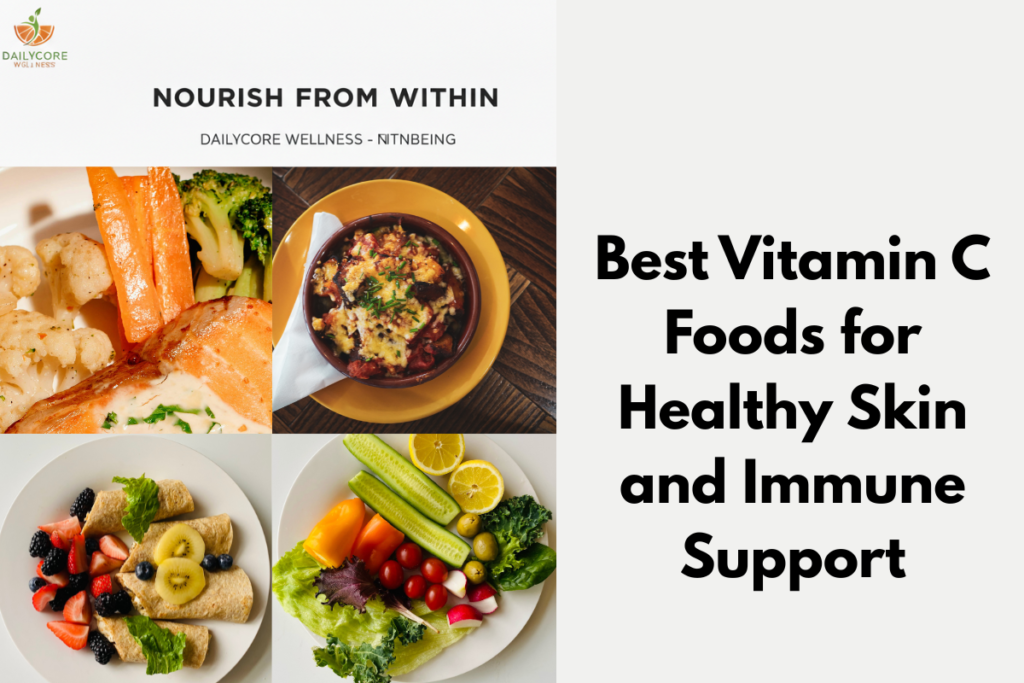
30 Best Foods Vitamin C (Well Detailed), 3rd April 2026
“1. Red Bell Peppers”
Red bell peppers are among the most concentrated natural sources of vitamin C, often providing more than double the amount found in oranges per serving. They also contain carotenoids and powerful antioxidants that help reduce inflammation and support skin health. Because they are delicious both raw and cooked, they are one of the easiest vegetables to incorporate into daily meals for consistent vitamin C intake.
“2. Guava”
Guava is a true vitamin C superstar, delivering an exceptionally high dose in a single fruit. Beyond immunity support, guava also provides fiber that promotes digestive health and helps regulate blood sugar levels. Its tropical sweetness makes it an excellent addition to smoothies, fruit bowls, or healthy snacks.
“3. Kiwi”
Kiwi fruit combines vitamin C with fiber and actinidin, an enzyme that supports digestion. Regular consumption may help improve immune resilience and skin texture. Its tangy flavor pairs well with yogurt, oatmeal, or fruit salads, making it a versatile daily option.
“4. Oranges”
Oranges remain one of the most accessible and popular vitamin C foods worldwide. They provide hydration, immune support, and natural sweetness that satisfies sugar cravings more healthily. Whole oranges are preferable to juice because they retain beneficial fiber.
“5. Strawberries”
Strawberries are rich in vitamin C and polyphenols that support heart health and reduce oxidative stress. Their natural sweetness makes them perfect for breakfast bowls, smoothies, or healthy desserts.
“6. Yellow Bell Peppers”
Similar to red peppers, yellow bell peppers are extremely high in vitamin C while also providing a milder, sweeter taste. They add both color and nutrition to salads and stir-fries.
“7. Broccoli”
Broccoli delivers vitamin C along with sulforaphane, a compound known for supporting detoxification pathways. Regular consumption supports immune health and may help protect cells from damage.
“8. Pineapple”
Pineapple provides vitamin C plus bromelain, an enzyme that supports digestion and reduces inflammation. It’s especially refreshing in smoothies or as a post-meal fruit.
“9. Papaya”
Papaya supports immune function, skin repair, and digestive health thanks to its vitamin C and enzyme content. It’s an excellent fruit for morning meals.
“10. Kale”
Kale is a nutrient powerhouse, delivering vitamin C along with vitamin K and antioxidants that support overall wellness and inflammation control.
“11. Brussels Sprouts”
These cruciferous vegetables provide vitamin C and fiber that support both immunity and gut health.
“12. Lemon”
Lemon juice enhances iron absorption and supports detox pathways. Adding it to water is one of the simplest daily health habits.
“13. Lime”
Limes provide similar immune benefits and are excellent in dressings and infused water.
“14. Grapefruit”
Grapefruit supports immune health and metabolic function while providing a refreshing citrus boost.
“15. Cabbage”
Raw cabbage is surprisingly rich in vitamin C and supports digestive balance.
“16. Cauliflower”
Cauliflower contributes vitamin C plus fiber that supports gut and metabolic health.
“17. Spinach”
Spinach provides vitamin C alongside iron and folate, making it especially valuable when paired correctly.
“18. Tomatoes”
Tomatoes contain vitamin C and lycopene for heart and skin protection.
“19. Blackcurrants”
These berries are extremely concentrated in vitamin C and antioxidants.
“20. Raspberries”
Raspberries provide immune support plus gut-friendly fiber.
“21. Blueberries”
Blueberries help protect cells from oxidative stress.
“22. Snow Peas”
Snow peas add crunch plus a modest vitamin C boost.
“23. Chili Peppers”
Chili peppers are surprisingly rich in vitamin C and metabolism-supporting compounds.
“24. Sweet Potatoes”
Sweet potatoes provide vitamin C along with beta-carotene for skin and eye health.
“25. Turnip Greens”
These leafy greens support detoxification and immune strength.
“26. Mustard Greens”
Mustard greens provide vitamin C plus beneficial plant compounds.
“27. Acerola Cherries”
Among the most concentrated vitamin C sources known.
“28. Persimmons”
Persimmons support immunity and digestive health.
“29. Watermelon”
Hydrating and gently supportive of vitamin C intake.
“30. Mango”
Mango delivers vitamin C along with vitamin A for immune and skin health.
Smart Tips to Maximize Vitamin C Intake Naturally
“Eat Vitamin C Foods Raw When Possible”
Vitamin C is highly sensitive to heat and can be reduced during cooking. Whenever it is safe and practical, enjoy foods like oranges, strawberries, kiwi, and bell peppers raw to preserve their full nutrient power. Fresh salads, fruit bowls, and smoothies are excellent ways to maximize your vitamin C intake.
“Pair Vitamin C Foods With Iron-Rich Meals”
Vitamin C dramatically improves the absorption of non-heme iron from plant foods. Combining foods like spinach, beans, or lentils with vitamin C sources such as tomatoes, citrus fruits, or bell peppers helps your body use iron more efficiently. This is especially helpful for people at risk of iron deficiency.
“Eat a Variety of Colorful Fruits and Vegetables”
Different colorful foods provide different amounts and forms of vitamin C along with other protective antioxidants. Rotate between citrus fruits, berries, guava, pineapple, broccoli, and peppers to give your body a broader spectrum of nutrients that support immunity and skin health.
“Avoid Overcooking Vitamin C Rich Vegetables”
Boiling vegetables for long periods can significantly reduce their vitamin C content because the vitamin dissolves in water and breaks down with heat. Instead, try light steaming, quick stir-frying, or roasting at moderate temperatures to retain more of the nutrient.
“Include Vitamin C Foods Daily Not Occasionally”
Vitamin C is water-soluble, meaning your body does not store large amounts of it. To maintain strong immunity and healthy skin, include vitamin C foods in your meals every day rather than relying on occasional intake. Small daily portions are more effective than large, infrequent amounts.
“Start Your Morning With a Vitamin C Boost”
Beginning your day with vitamin C rich foods like citrus fruit, berries, or a fruit smoothie helps kick-start your immune system and supports collagen production throughout the day. It also improves hydration and provides natural energy without relying on sugary drinks.
“Choose Fresh Over Processed Options”
Fresh fruits and vegetables generally contain more vitamin C than canned or heavily processed versions. Processing, long storage, and exposure to air can reduce vitamin levels. Whenever possible, buy fresh, seasonal produce and consume it soon after purchase.
“Store Vitamin C Foods Properly”
Improper storage can gradually destroy vitamin C. Keep fruits and vegetables refrigerated when appropriate and avoid cutting them long before eating. Whole, properly stored produce retains more nutrients than items left exposed to air and light for extended periods.
“Use Gentle Cooking Methods for Vegetables”
When cooking is necessary, methods like steaming, microwaving, or quick sautéing help preserve more vitamin C than prolonged boiling. Using minimal water and shorter cooking times protects the nutrient while still making vegetables enjoyable and easy to digest.
“Support Vitamin C Intake With Overall Healthy Habits”
Vitamin C works best when combined with good hydration, balanced nutrition, quality sleep, and regular physical activity. Think of vitamin C foods as part of a complete wellness lifestyle rather than a single quick fix for immunity or skin health.
Conclusion
Prioritising the best foods, vitamin C is one of the smartest nutritional strategies for strengthening your immune system, protecting your skin, and supporting long-term wellness. Nature provides an impressive variety of vitamin C–rich fruits and vegetables, making it easy to meet your daily needs through delicious, whole foods rather than relying solely on supplements.
The key to success is consistency and variety. By regularly including colourful produce like bell peppers, citrus fruits, berries, leafy greens, and tropical fruits in your meals, you create a strong nutritional foundation that supports collagen production, enhances iron absorption, and helps your body fight oxidative stress more effectively.
Ultimately, building your diet around the best foods for vitamin C is a simple but powerful investment in your health. With smart daily choices and balanced meals, you can boost your body’s natural defences, maintain vibrant energy, and support overall vitality for years to come.