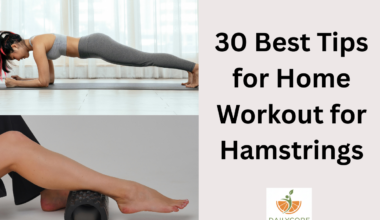
Best workout routine at home is more than a trending search term; it represents a practical, sustainable solution for individuals who want to improve their fitness, lose excess body fat, build lean muscle, and enhance overall health without depending on a gym environment. In today’s fast-paced world, convenience plays a powerful role in consistency, and consistency ultimately determines results. When a workout routine is accessible within your own living space, barriers such as commuting time, membership costs, overcrowded facilities, and scheduling conflicts are eliminated, allowing exercise to become an integrated part of daily life rather than a logistical challenge.
The effectiveness of a home workout does not depend on expensive machines or heavy equipment; it depends on intelligent programming, progressive overload, proper exercise sequencing, and balanced recovery. A well-designed home workout routine can stimulate every major muscle group, elevate heart rate for cardiovascular conditioning, strengthen the core for improved posture and stability, and enhance metabolic efficiency to support fat loss. When structured correctly, bodyweight exercises alone can deliver transformative results by leveraging time under tension, repetition volume, and movement intensity.

Why a Structured Home Workout Routine Works
For any workout routine to produce visible and measurable improvement, it must challenge the body beyond its current capacity. Progressive overload involves gradually increasing training demand through additional repetitions, longer time under tension, reduced rest intervals, or more complex exercise variations. Even without weights, progression can occur by manipulating tempo, incorporating unilateral movements, or increasing total workout volume.
When muscles are consistently challenged, microscopic muscle fibers repair and adapt, becoming stronger and more resilient. This adaptation not only enhances muscular strength but also improves metabolic rate, which supports long-term fat loss and body recomposition.
Full-Body Activation and Efficiency
One of the defining characteristics of the best workout routine at home is its focus on compound movements that activate multiple muscle groups simultaneously. Exercises such as squats, push-ups, lunges, and planks engage the lower body, upper body, and core in coordinated patterns that maximize calorie expenditure and functional strength.
Because compound movements recruit large muscle groups, they elevate heart rate more effectively than isolated exercises, providing both strength and cardiovascular benefits within the same session. This efficiency is particularly valuable for individuals with limited time who still want comprehensive results.
Weekly Structure for Maximum Results
A balanced weekly schedule ensures adequate stimulation and recovery.
Day 1: Full-Body Strength Training
Focus on squats, push-ups, lunges, planks, and glute bridges. Perform three to four sets of each movement with controlled tempo to increase muscle engagement and stability.
Day 2: Cardiovascular Conditioning
Incorporate high-intensity interval training (HIIT) such as jumping jacks, mountain climbers, high knees, and burpees. Alternate between 40 seconds of work and 20 seconds of rest for 20–25 minutes.
Day 3: Lower Body and Core Emphasis
Perform Bulgarian split squats using a chair, wall sits, calf raises, leg raises, and bicycle crunches to strengthen the lower body and improve abdominal endurance.
Day 4: Active Recovery
Engage in stretching, mobility drills, yoga flows, or light walking to promote circulation and reduce muscle soreness.
Day 5: Upper Body Strength
Incorporate push-up variations, triceps dips using a stable chair, shoulder taps, and plank holds to build upper-body endurance and tone.
Day 6: Metabolic Circuit
Combine strength and cardio movements in circuit format to elevate metabolism and enhance fat-burning potential.
Day 7: Rest and Recovery
Allow the body to repair and adapt, which is essential for performance improvement.
Essential Exercise Categories
Lower Body Strength Builders
Lower-body exercises form the foundation of a powerful home workout routine because they engage large muscle groups that drive metabolic activity. Squats, reverse lunges, glute bridges, and step-ups effectively strengthen the glutes, hamstrings, and quadriceps while enhancing balance and coordination.
Upper Body Sculpting Movements
Push-ups, incline push-ups against a countertop, triceps dips, and plank shoulder taps develop upper-body endurance and muscular definition. These exercises improve posture, arm tone, and shoulder stability without requiring external resistance.
Core Stabilization and Functional Strength
A strong core enhances overall performance and prevents injury. Planks, side planks, mountain climbers, and leg raises strengthen abdominal muscles while supporting spinal alignment.
Increasing Intensity Without Equipment
Progression is essential for continuous improvement.
Manipulating Tempo
Slowing down movements increases time under tension, which enhances muscle activation and strength gains.
Reducing Rest Periods
Shorter rest intervals elevate heart rate and improve cardiovascular conditioning.
Advanced Variations
Transition from basic squats to jump squats, from regular push-ups to decline push-ups, and from static planks to dynamic plank variations to maintain challenge.
The Role of Nutrition in Supporting Home Workouts
No workout routine can compensate for inconsistent nutrition. Consuming adequate protein supports muscle repair, while complex carbohydrates provide sustained energy. Healthy fats regulate hormones, and hydration supports metabolic efficiency. A balanced diet enhances recovery, optimizes performance, and accelerates results.
Recovery, Sleep, and Muscle Repair
Muscle growth and fat loss occur during recovery, not during the workout itself. Sleep regulates hunger hormones and stress levels, both of which influence weight management. Stretching and mobility exercises reduce stiffness and maintain joint health, allowing consistent training without injury.
Common Mistakes to Avoid in Home Workouts
Overtraining without adequate rest, neglecting proper form, skipping warm-ups, and failing to track progress can limit results. Structured planning and mindful execution ensure that effort translates into measurable improvement.
Long-Term Sustainability and Habit Formation
The best workout routine at home is one that becomes a consistent habit rather than a temporary solution. Scheduling workouts at the same time daily, preparing workout clothes in advance, and tracking performance metrics build discipline and accountability. Over time, these habits create a lifestyle centered on health rather than short-term aesthetic goals.
Things to Do in Cases of Setbacks or Injuries
Setbacks and minor injuries are common when following a home workout routine, especially without supervision. Instead of quitting completely, knowing how to respond properly can protect your progress and prevent long-term damage. Below are detailed, practical strategies your readers can apply immediately.
1. Stop Immediately and Assess the Pain
One of the biggest mistakes people make is pushing through sharp or unusual pain. There is a difference between normal muscle soreness (delayed onset muscle soreness) and injury pain.
-
Muscle soreness feels dull and improves with movement.
-
Injury pain is sharp, sudden, or causes swelling.
If pain feels abnormal, stop the workout immediately. Continuing can turn a small strain into a serious tear.
2. Apply the R.I.C.E Method for Minor Injuries
For mild sprains or strains, use the R.I.C.E approach:
-
Rest – Avoid stressing the injured area.
-
Ice – Apply ice for 15–20 minutes to reduce swelling.
-
Compression – Use an elastic bandage if needed.
-
Elevation – Raise the injured body part above heart level.
This method is especially effective within the first 24–48 hours.
3. Modify Instead of Quitting Completely
A setback does not mean stopping all movement. If you injure your ankle, you can still perform upper-body exercises. If your shoulder hurts, focus on lower-body workouts.
Maintaining movement (safely) helps prevent loss of fitness and keeps motivation intact.
4. Reduce Intensity and Volume
After a setback, lower:
-
Repetitions
-
Sets
-
Resistance
-
Workout duration
Gradual reintroduction prevents re-injury. Returning too quickly at full intensity is a common mistake.
5. Prioritize Proper Warm-Up and Mobility Work
Many home workout injuries happen because people skip warm-ups. Add 5–10 minutes of:
-
Dynamic stretches
-
Joint rotations
-
Light cardio
Mobility training improves range of motion and reduces strain on muscles and joints.
6. Focus on Recovery Techniques
Recovery is not laziness; it is strategy. Encourage:
-
7–9 hours of sleep
-
Adequate hydration
-
Protein-rich meals
-
Gentle stretching
-
Foam rolling
Recovery speeds up tissue repair and reduces inflammation.
7. Listen to Your Body’s Warning Signals
Fatigue, persistent soreness, poor sleep, and decreased performance are signs of overtraining. If these appear, schedule extra rest days.
Consistency matters more than intensity. Sustainable progress prevents setbacks.
8. Correct Your Form
Poor technique is one of the main causes of injury during home workouts. Without mirrors or trainers, form can suffer.
Solutions:
-
Record yourself during exercises.
-
Slow down your repetitions.
-
Follow reputable video demonstrations.
-
Perform movements in front of a mirror.
Good form protects joints and muscles.
9. Use Active Recovery Instead of Complete Inactivity
Light activities such as:
-
Walking
-
Gentle yoga
-
Stretching routines
-
Low-impact mobility drills
These maintain circulation and help healing without stressing the injured area.
10. Know When to Seek Medical Attention
Seek professional help if you notice:
-
Severe swelling
-
Bruising
-
Inability to bear weight
-
Persistent pain beyond 3–5 days
-
Numbness or tingling
Consulting a licensed physiotherapist or doctor prevents long-term complications.
11. Adjust Your Workout Program
Sometimes setbacks happen because your program is too aggressive. Reassess:
-
Are you progressing too fast?
-
Are rest days included?
-
Are you training the same muscle daily?
Balance strength training, cardio, and recovery.
12. Strengthen Weak Areas
Often, injuries reveal muscle imbalances. For example:
-
Weak glutes can cause knee pain.
-
Weak core muscles can cause lower back pain.
-
Poor shoulder stability can cause rotator cuff strain.
Add corrective exercises to address weaknesses.
13. Maintain a Positive Mindset
Setbacks can feel discouraging, but they are part of fitness journeys. Encourage readers to see recovery as a phase, not failure.
Mental resilience determines long-term success more than short-term perfection.
14. Gradual Return-to-Workout Plan
When pain reduces:
-
Start at 50% intensity.
-
Monitor discomfort.
-
Increase gradually each week.
-
Stop if pain returns.
Rushing recovery often leads to repeated injury.
15. Keep a Workout & Recovery Log
Tracking pain levels, exercises, and rest days helps identify patterns that may be causing injuries. This also improves awareness and accountability.
Final Takeaway
Injuries and setbacks during a home workout routine are not the end of progress; they are signals to adjust, recover, and train smarter. The key is early intervention, smart modification, and patience. Sustainable fitness is built not just on effort, but on intelligent recovery.
Conclusion
True transformation does not result from occasional intense sessions but from consistent, well-designed routines executed with discipline and patience. By integrating strength training, cardiovascular conditioning, mobility work, and supportive nutrition into a cohesive plan, you create a system that promotes gradual improvement and long-term health.
Home training is not a limitation; it is an opportunity to develop independence, resilience, and self-mastery. When you commit to structured movement within your own environment, you remove excuses and establish a foundation for lifelong fitness.