Body cleansing internal practices focus on supporting the body’s natural detoxification systems rather than relying on extreme or short-term detox programs. The human body is naturally equipped with organs such as the liver, kidneys, digestive system, and lymphatic network that continuously work to eliminate toxins and maintain internal balance. However, modern lifestyles filled with processed foods, environmental pollutants, and chronic stress can place additional strain on these systems. Implementing a structured body cleansing internal routine can help support these natural processes and restore optimal function.
A well-designed body cleansing internal approach emphasizes nutrition, hydration, movement, and restorative habits that allow the body to operate efficiently. Rather than promoting aggressive cleansing methods, health professionals increasingly recommend sustainable habits that strengthen the body’s existing detoxification pathways. This includes consuming nutrient-dense foods, supporting gut health, maintaining hydration, and prioritizing quality sleep. These factors collectively contribute to improved metabolic efficiency and toxin elimination.
Another key aspect of body cleansing internal strategies is digestive health. The digestive tract plays a critical role in processing nutrients and removing waste products from the body. When digestion becomes sluggish due to poor dietary habits or stress, toxins can accumulate and lead to fatigue, inflammation, and reduced vitality. Supporting digestion through fiber-rich foods, fermented products, and proper hydration can significantly improve the body’s ability to cleanse internally.
Ultimately, body cleansing internal routines are not temporary solutions but long-term lifestyle practices. Consistent attention to diet, hydration, physical activity, and recovery allows the body to perform its natural detoxification functions effectively. By adopting these practices gradually and maintaining them over time, individuals can experience improved energy, stronger immunity, and better overall health.
Understanding the Science Behind Internal Body Cleansing
Internal cleansing is fundamentally about supporting the body’s natural detoxification systems rather than forcing artificial detox processes. The liver serves as the primary detoxification organ, responsible for filtering toxins from the bloodstream and converting them into substances that can be safely eliminated through urine or bile. The kidneys complement this process by filtering blood and removing metabolic waste through urine. Together with the digestive tract, skin, and lymphatic system, these organs create a comprehensive detoxification network that maintains internal balance.
Body cleansing internal strategies aim to optimize the efficiency of these systems. Nutrient-rich foods provide essential vitamins, minerals, and antioxidants that assist liver enzymes in processing toxins more effectively. Hydration supports kidney filtration and ensures proper waste elimination, while regular physical activity stimulates circulation and lymphatic drainage. These mechanisms collectively enhance the body’s natural detox capabilities without requiring extreme dietary restrictions or supplements.
Additionally, the gut microbiome plays a vital role in internal cleansing. Beneficial bacteria assist in breaking down food, neutralizing toxins, and maintaining the integrity of the intestinal barrier. When gut health is compromised, toxin elimination can become inefficient, leading to inflammation and digestive discomfort. Maintaining a balanced microbiome through fiber-rich foods and fermented products can significantly enhance internal detoxification.
By understanding how the body’s detox systems function, individuals can make informed choices that support long-term wellness. A consistent body cleansing internal routine that incorporates balanced nutrition, hydration, and lifestyle management helps ensure these systems operate efficiently and sustainably.
Lifestyle Foundations That Support Internal Detoxification
Lifestyle habits significantly influence the effectiveness of the body’s internal cleansing mechanisms. Nutrition is one of the most critical factors because the body relies on specific nutrients to activate detoxification enzymes and repair cellular damage caused by toxins. Foods rich in antioxidants, such as leafy greens, berries, and cruciferous vegetables, help neutralize harmful free radicals and support liver health. Incorporating these foods into daily meals provides the nutritional foundation required for efficient internal detoxification.
Hydration is equally important for body cleansing and internal processes. Water supports the transportation of nutrients and the removal of metabolic waste through urine, sweat, and bowel movements. When the body is dehydrated, these elimination pathways can become less effective, leading to the buildup of unwanted substances. Drinking adequate water throughout the day ensures that detoxification organs function at optimal capacity.
Sleep and stress management also contribute significantly to internal cleansing. During sleep, the body initiates essential repair and detoxification processes, including cellular regeneration and hormone regulation. Chronic stress, on the other hand, can disrupt digestive function and weaken immune defenses, reducing the body’s ability to cleanse itself effectively.
By establishing consistent lifestyle habits that include balanced nutrition, hydration, physical activity, quality sleep, and stress reduction, individuals create an environment where natural detoxification processes can thrive. These foundational practices provide sustainable support for body cleansing, internal strategies, and long-term health maintenance.
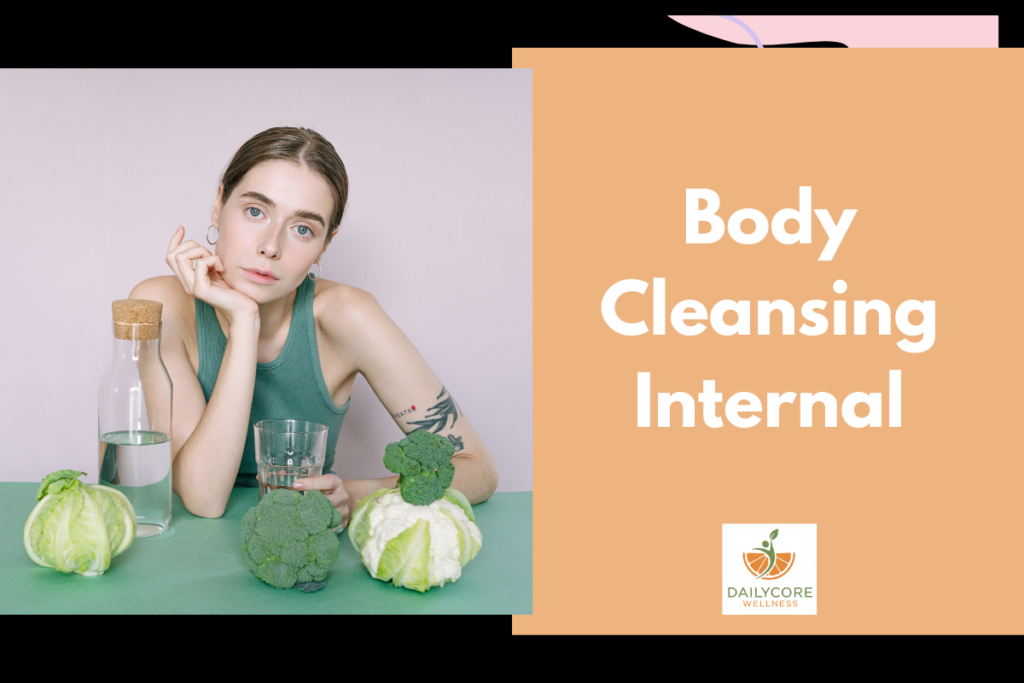
30 Effective Strategies for Body Cleansing Internal, 4th April 2026
1. Prioritize Hydration Throughout the Day
Hydration is one of the most fundamental components of effective body cleansing and internal practices. Water supports nearly every detoxification pathway within the body, including kidney filtration, digestion, circulation, and temperature regulation. When the body receives sufficient hydration, metabolic waste and toxins can be efficiently transported and eliminated through urine, sweat, and bowel movements.
Consistent water intake helps maintain optimal kidney function, which is essential for filtering harmful substances from the bloodstream. Dehydration, on the other hand, can slow down these processes and allow toxins to accumulate within the body. Individuals who maintain proper hydration often experience improved digestion, better skin health, and enhanced energy levels.
For optimal body cleansing and internal support, individuals should aim to drink water consistently throughout the day rather than consuming large amounts at once. Adding hydrating foods such as cucumbers, watermelon, and citrus fruits can further support hydration levels and provide additional nutrients that assist detoxification processes.
2. Increase Fiber Intake for Digestive Health
Dietary fiber plays a critical role in body cleansing internal routines by supporting digestive efficiency and promoting regular bowel movements. Fiber helps bind waste materials and toxins within the digestive tract, ensuring they are effectively removed from the body rather than reabsorbed into the bloodstream.
There are two primary types of fiber: soluble and insoluble. Soluble fiber absorbs water and forms a gel-like substance that supports healthy cholesterol levels and blood sugar control. Insoluble fiber adds bulk to stool and encourages regular elimination. Both forms contribute to efficient toxin removal and digestive health.
Whole grains, fruits, vegetables, legumes, nuts, and seeds are excellent sources of dietary fiber. Incorporating these foods into daily meals supports gut health while also feeding beneficial bacteria within the microbiome. A balanced gut microbiome enhances the body’s ability to process nutrients and eliminate waste effectively.
Increasing fiber intake gradually is recommended to avoid digestive discomfort. When combined with adequate hydration, fiber becomes a powerful tool in maintaining consistent body cleansing, internal processes, and promoting overall digestive wellness.
3. Support Liver Function with Nutrient-Dense Foods
The liver is the body’s primary detoxification organ, making it central to any body cleansing internal strategy. It processes toxins from food, medications, environmental pollutants, and metabolic waste, converting them into substances that can be safely eliminated. Supporting liver health through nutrition ensures this process remains efficient and balanced.
Foods rich in antioxidants and phytonutrients help protect liver cells from oxidative stress while enhancing detoxification enzyme activity. Cruciferous vegetables such as broccoli, kale, and Brussels sprouts contain compounds that support the liver’s detox pathways. Garlic and onions also provide sulfur-containing compounds that assist liver enzymes in breaking down toxins.
Healthy fats from sources like avocados, olive oil, and nuts help reduce inflammation and support cellular repair. Additionally, limiting excessive alcohol and processed foods prevents unnecessary strain on the liver’s detoxification capacity.
By consistently incorporating liver-supportive foods into daily meals, individuals can strengthen the body’s natural detox systems and improve the effectiveness of body cleansing internal practices.
4. Maintain Regular Physical Activity
Physical activity significantly enhances body cleansing internal processes by improving circulation, stimulating lymphatic flow, and promoting sweating. These mechanisms help transport toxins to elimination organs and support overall metabolic efficiency.
Exercise increases blood flow, allowing oxygen and nutrients to reach cells while simultaneously assisting in the removal of metabolic waste. Sweating during physical activity also contributes to toxin elimination through the skin. Activities such as brisk walking, cycling, swimming, and strength training all support these detoxification processes.
Movement also stimulates the lymphatic system, which plays a key role in immune function and waste removal. Unlike the circulatory system, the lymphatic system does not have a central pump and relies heavily on muscle contractions and physical movement to circulate lymph fluid.
Maintaining a consistent exercise routine not only enhances detoxification but also supports cardiovascular health, weight management, and mental well-being. Incorporating at least 30 minutes of moderate activity most days of the week can significantly strengthen body cleansing internal mechanisms.
5. Improve Gut Health with Fermented Foods
The gut microbiome is a critical component of the body’s cleansing internal processes. Beneficial bacteria within the digestive system assist in breaking down food, neutralizing harmful compounds, and maintaining the integrity of the intestinal lining. When the microbiome becomes imbalanced, toxins may be reabsorbed into the bloodstream instead of being eliminated.
Fermented foods naturally contain probiotics that help replenish beneficial bacteria within the gut. Foods such as yogurt, kefir, sauerkraut, kimchi, and fermented vegetables provide live cultures that support microbial diversity and digestive efficiency.
A balanced microbiome enhances nutrient absorption while strengthening the body’s natural defense systems. Additionally, healthy gut bacteria produce compounds that support immune function and reduce inflammation within the digestive tract.
Regular consumption of fermented foods, combined with fiber-rich meals that feed beneficial bacteria, creates an environment where the digestive system can effectively eliminate toxins and support long-term body cleansing and internal health.
6. Prioritize Quality Sleep for Detoxification
Sleep is a critical yet often overlooked factor in body cleansing internal routines. During deep sleep, the body activates essential repair and detoxification processes that remove metabolic waste from cells and tissues. This includes the brain’s glymphatic system, which clears toxins that accumulate during waking hours.
Inadequate sleep disrupts hormone regulation, weakens immune defenses, and slows metabolic processes involved in detoxification. Over time, chronic sleep deprivation can contribute to fatigue, reduced cognitive function, and increased inflammation.
Establishing a consistent sleep schedule supports the body’s natural circadian rhythm and enhances restorative processes. Creating a sleep-friendly environment by minimizing light exposure, reducing screen time before bed, and maintaining a comfortable sleep space can significantly improve sleep quality.
When individuals prioritize restorative sleep each night, they strengthen the body’s ability to perform essential body cleansing and internal processes and maintain long-term physical and mental health.
7. Reduce Processed Food Consumption
Highly processed foods often contain artificial additives, excessive sugar, unhealthy fats, and preservatives that place additional strain on the body’s detoxification systems. Regular consumption of these foods can contribute to inflammation, digestive issues, and metabolic imbalance.
A body cleansing internal approach emphasizes whole, minimally processed foods that provide essential nutrients without overwhelming detoxification organs. Fresh vegetables, fruits, lean proteins, whole grains, and healthy fats support metabolic balance and provide the nutrients required for detoxification pathways.
Reducing processed foods also helps regulate blood sugar levels and prevent sudden energy fluctuations. Stable blood sugar improves hormonal balance and reduces cravings that often lead to unhealthy eating patterns.
Gradually replacing processed foods with nutrient-dense alternatives allows the body to function more efficiently and reduces the overall toxic burden placed on detoxification systems.
8. Manage Stress Effectively
Chronic stress can significantly impair the body’s cleansing internal processes. When the body experiences prolonged stress, it releases hormones such as cortisol that can disrupt digestion, weaken immune responses, and increase inflammation.
Stress also affects gut health by altering the balance of beneficial bacteria within the microbiome. This imbalance can reduce digestive efficiency and hinder toxin elimination. Over time, chronic stress may contribute to fatigue, digestive discomfort, and reduced resilience to illness.
Implementing stress management techniques can support detoxification and overall well-being. Practices such as meditation, deep breathing exercises, yoga, and mindfulness help regulate stress hormones and promote relaxation.
By incorporating regular stress management practices into daily routines, individuals create a supportive environment where body cleansing internal mechanisms can function more effectively.
9. Support Lymphatic Circulation
The lymphatic system is an essential component of the body’s detoxification network. It transports waste products, toxins, and immune cells throughout the body, helping maintain fluid balance and immune defense. Unlike the circulatory system, the lymphatic system relies on movement and muscle contractions to circulate lymph fluid.
Supporting lymphatic circulation enhances body cleansing and internal processes by ensuring toxins are efficiently transported to elimination organs. Activities such as walking, stretching, rebounding exercises, and gentle massage stimulate lymphatic flow and improve waste removal.
Deep breathing exercises also assist lymphatic movement by creating pressure changes within the chest cavity. This movement encourages lymph fluid circulation and supports immune function.
Incorporating daily movement and breathing exercises can significantly improve lymphatic health and strengthen the body’s natural detoxification pathways.
10. Establish Consistent Healthy Habits
Consistency is the most important factor in achieving effective body cleansing internal results. While short-term detox programs may produce temporary changes, sustainable health improvements occur through daily habits that support the body’s natural detoxification systems.
Developing a routine that includes balanced nutrition, regular exercise, adequate hydration, and restorative sleep creates a stable foundation for long-term wellness. These habits gradually strengthen the body’s ability to process toxins and maintain metabolic balance.
Consistency also allows the body to adapt to healthier patterns over time. Small but persistent lifestyle improvements often produce more meaningful results than drastic changes that are difficult to maintain.
By focusing on sustainable routines rather than quick fixes, individuals can establish a long-term body cleansing internal strategy that supports energy, resilience, and overall well-being.
11. Consume Antioxidant-Rich Fruits and Vegetables
Antioxidant-rich foods are essential for supporting body cleansing internal processes because they help neutralize harmful free radicals that accumulate due to environmental toxins, poor diet, and metabolic activity. Free radicals can damage cells and interfere with normal detoxification pathways, placing additional stress on organs such as the liver and kidneys. By increasing antioxidant intake, individuals strengthen the body’s ability to protect itself while enhancing its internal cleansing capacity.
Fruits and vegetables such as berries, citrus fruits, spinach, kale, carrots, and bell peppers contain powerful antioxidants, including vitamin C, beta-carotene, and polyphenols. These compounds help reduce oxidative stress while supporting the enzymatic reactions required for toxin breakdown and elimination.
Consistently incorporating colorful fruits and vegetables into meals also provides fiber, vitamins, and minerals that further assist digestion and metabolic balance. Over time, a diet rich in antioxidant-containing foods strengthens the body’s natural detoxification systems and supports sustainable body cleansing.
12. Drink Herbal Teas That Support Detoxification
Herbal teas can play a supportive role in body cleansing internal routines by providing plant compounds that assist digestion, hydration, and metabolic processes. Many traditional herbal infusions contain natural antioxidants and anti-inflammatory compounds that support detoxification organs, particularly the liver and digestive system.
Teas made from herbs such as ginger, peppermint, dandelion, and chamomile have been traditionally used to promote digestive comfort and encourage healthy elimination. These herbs may help stimulate bile production, improve nutrient absorption, and support liver activity, all of which contribute to efficient toxin processing.
In addition to their detox-supporting properties, herbal teas help increase overall fluid intake, which is essential for maintaining kidney function and waste elimination. Drinking herbal tea throughout the day can therefore complement hydration strategies that support internal cleansing.
Incorporating one or two cups of herbal tea into a daily wellness routine can provide gentle support for body cleansing and internal processes while also promoting relaxation and digestive balance.
13. Maintain Balanced Blood Sugar Levels
Stable blood sugar levels are an often-overlooked component of effective body cleansing internal strategies. When blood glucose fluctuates dramatically due to excessive sugar or refined carbohydrate intake, the body experiences hormonal imbalances that can interfere with detoxification processes.
Frequent blood sugar spikes increase insulin production and may contribute to inflammation, which places additional stress on the liver and other detoxification organs. Over time, this metabolic strain can impair the body’s ability to efficiently process toxins and waste products.
Maintaining balanced blood sugar involves consuming meals that combine complex carbohydrates, healthy fats, and lean proteins. Whole grains, legumes, vegetables, nuts, and seeds provide slow-releasing carbohydrates that help stabilize glucose levels and support sustained energy.
Regular meal timing also contributes to metabolic balance. By avoiding excessive sugar consumption and prioritizing nutrient-dense foods, individuals create a metabolic environment that supports effective body cleansing and internal functions.
14. Encourage Regular Bowel Movements
Efficient waste elimination through the digestive tract is essential for successful body cleansing and internal routines. When bowel movements become irregular or infrequent, toxins that should be removed from the body may remain in the digestive system for extended periods, increasing the likelihood of reabsorption into the bloodstream.
Dietary habits strongly influence bowel regularity. Fiber-rich foods such as vegetables, fruits, whole grains, and legumes add bulk to stool and stimulate intestinal movement. Adequate hydration is also necessary because fiber requires water to function effectively within the digestive tract.
Physical activity can further promote digestive motility by stimulating muscle contractions that help move waste through the intestines. Additionally, establishing consistent meal patterns can encourage regular digestive rhythms.
Maintaining healthy bowel habits allows the body to eliminate waste products efficiently. This supports internal detoxification processes and strengthens the overall effectiveness of body cleansing internal practices.
15. Support Healthy Fat Intake
Sources of beneficial fats include avocados, olive oil, nuts, seeds, and fatty fish. These foods contain monounsaturated and omega-3 fatty acids that help reduce inflammation while supporting cardiovascular and metabolic health.
Healthy fats also contribute to satiety, helping individuals maintain balanced eating patterns that prevent excessive consumption of processed foods or refined sugars. Stable dietary habits create an environment where detoxification organs can function without unnecessary metabolic stress.
By incorporating moderate amounts of healthy fats into daily meals, individuals support nutrient absorption and metabolic stability, both of which are critical for maintaining effective body cleansing and internal functions.
16. Practice Mindful Eating Habits
Mindful eating is an important but often underestimated factor in supporting body cleansing and internal health. Eating slowly and paying attention to hunger and fullness signals allows the digestive system to function more efficiently. Proper chewing begins the digestive process by breaking down food mechanically and mixing it with enzymes present in saliva.
When meals are rushed or eaten under stress, digestion can become less effective. This may lead to bloating, poor nutrient absorption, and incomplete breakdown of food particles, all of which place additional strain on the digestive tract.
Mindful eating also encourages healthier food choices. Individuals who eat attentively tend to recognize the nutritional quality of their meals and make decisions that support long-term health rather than short-term cravings.
Practicing mindful eating by eliminating distractions during meals, chewing thoroughly, and recognizing hunger signals can improve digestive efficiency. This contributes to smoother nutrient processing and supports sustainable body cleansing internal practices.
17. Strengthen Immune System Function
The immune system plays a supportive role in body cleansing and internal processes by identifying and neutralizing harmful substances that enter the body. A strong immune response helps reduce the burden placed on detoxification organs by preventing the buildup of harmful pathogens and toxins.
Nutrient-rich foods that provide vitamins A, C, D, zinc, and selenium are particularly important for immune health. These nutrients assist immune cells in recognizing and responding to harmful compounds while supporting tissue repair and cellular protection.
Regular physical activity, adequate sleep, and stress management further enhance immune resilience. When the immune system functions efficiently, the body can more effectively manage toxins and environmental stressors.
By supporting immune health through balanced nutrition and healthy lifestyle habits, individuals strengthen the body’s defense systems and enhance the effectiveness of the body’s internal mechanisms.
18. Limit Exposure to Environmental Toxins
Reducing exposure to environmental toxins is an essential component of any body cleansing internal strategy. While the body possesses natural detoxification systems, constant exposure to pollutants, chemicals, and artificial additives can overwhelm these mechanisms.
Common sources of environmental toxins include air pollution, household cleaning chemicals, pesticides, and certain personal care products. Although complete avoidance may not always be possible, individuals can reduce exposure by making informed choices in daily life.
Selecting natural cleaning products, washing fruits and vegetables thoroughly, improving indoor air ventilation, and choosing minimally processed foods can significantly decrease toxic exposure. These simple adjustments help reduce the workload placed on detoxification organs.
By minimizing the number of toxins entering the body, internal cleansing systems can operate more efficiently. This preventive approach strengthens long-term body cleansing, internal health, and supports sustainable wellness.
19. Incorporate Gentle Detox-Supporting Movement
Gentle forms of movement can enhance body cleansing and internal processes by stimulating circulation and promoting relaxation without placing excessive stress on the body. Activities such as yoga, stretching, and light mobility exercises help improve blood flow and support lymphatic drainage.
These forms of movement encourage the transport of oxygen and nutrients to tissues while assisting the removal of metabolic waste products. Improved circulation allows detoxification organs to receive the resources they need to function efficiently.
Gentle exercise also supports stress reduction, which is beneficial for digestive and hormonal balance. Chronic stress can interfere with detoxification pathways, making relaxation-focused movement particularly valuable.
Integrating light physical activities into daily routines creates consistent stimulation of the body’s cleansing systems. Over time, this supports improved metabolic function and enhances overall body cleansing and internal efficiency.
20. Build a Sustainable Wellness Routine
A sustainable wellness routine is the ultimate foundation for successful body cleansing and internal practices. Rather than relying on short-term detox plans, individuals benefit most from creating daily habits that consistently support detoxification systems.
A balanced routine may include nutritious meals, regular hydration, physical activity, adequate sleep, and stress management practices. When these habits become part of everyday life, the body is continuously supported in processing toxins and maintaining internal balance.
Consistency also encourages long-term behavioral change. Small improvements practiced regularly often produce greater health benefits than extreme changes that are difficult to maintain. Establishing realistic goals helps individuals remain committed to their wellness journey.
By developing a routine that prioritizes health-supportive behaviors, individuals create a stable foundation for long-term detoxification and vitality. This approach ensures body cleansing internal strategies remain effective, practical, and sustainable over time.
Conclusion
Body cleansing internal strategies are most effective when viewed as long-term lifestyle practices rather than temporary detox programs. The human body already possesses powerful detoxification systems designed to eliminate toxins and maintain internal balance. By supporting these natural processes through proper nutrition, hydration, physical activity, and restorative sleep, individuals can significantly enhance their overall health and vitality.
Consistency is the foundation of successful internal cleansing. Sustainable habits practiced daily allow the body’s detoxification organs to function efficiently without unnecessary strain. Over time, these consistent behaviors strengthen metabolic processes, improve digestion, and enhance the body’s resilience to environmental stressors.
It is important to recognize that meaningful health improvements rarely occur overnight. The body responds gradually to supportive lifestyle changes, and the benefits accumulate with time and persistence. Individuals who remain committed to healthy routines often experience improvements in energy levels, immune function, and overall well-being.
Ultimately, body cleansing internal practices are not about quick solutions but about creating a balanced lifestyle that supports long-term health. Through consistency, mindful habits, and ongoing commitment to wellness, individuals can maintain optimal internal function and achieve lasting results that contribute to a healthier and more vibrant life.
Share this:
- Share on Facebook (Opens in new window) Facebook
- Share on X (Opens in new window) X
- Share on WhatsApp (Opens in new window) WhatsApp
- Share on Threads (Opens in new window) Threads
- Share on LinkedIn (Opens in new window) LinkedIn
- Share on Telegram (Opens in new window) Telegram
- Email a link to a friend (Opens in new window) Email
- Share on Pinterest (Opens in new window) Pinterest