Body cleansing retreats have become an increasingly popular wellness strategy for individuals seeking a structured environment to reset their physical and mental health. These retreats combine detoxification protocols, nutrition-focused programs, mindful movement, and restorative therapies designed to help the body eliminate toxins and restore natural balance. Unlike short-term detox trends, body cleansing retreats emphasize a holistic approach that integrates nutrition, hydration, relaxation, and guided wellness education.
Many people experience high levels of stress, poor dietary habits, and environmental toxin exposure in their daily lives. Body cleansing retreats provide an opportunity to step away from these influences and focus on rejuvenation in a supportive setting. Programs often include plant-based nutrition plans, herbal cleansing therapies, yoga sessions, and wellness workshops that educate participants about sustainable lifestyle practices.
Another important aspect of body cleansing retreats is the emphasis on both physical and mental recovery. Detoxification is not limited to dietary adjustments; it also includes stress management techniques such as meditation, breathwork, and guided relaxation. These practices help participants restore mental clarity, improve sleep quality, and reduce the physiological effects of chronic stress.
When approached correctly, body cleansing retreats can serve as a powerful reset for long-term health improvement. Participants not only experience short-term benefits such as increased energy and improved digestion but also gain practical knowledge that supports healthier habits long after the retreat ends. The key lies in choosing the right retreat and maintaining consistency once returning to daily life.
The Purpose and Benefits of Body Cleansing Retreats
Body cleansing retreats are designed to support the body’s natural detoxification systems while creating an environment that promotes total wellness. The human body already possesses sophisticated detox organs, including the liver, kidneys, digestive tract, and skin. However, poor diet, chronic stress, and environmental pollutants can overload these systems, reducing their efficiency over time. Retreat programs focus on providing nutritional support, hydration, and restorative activities that allow these organs to function optimally.
A typical body cleansing retreat incorporates carefully structured nutrition plans rich in fruits, vegetables, whole grains, and herbal preparations known to support detox pathways. Participants often engage in gentle exercise routines such as yoga, stretching, or nature walks to stimulate circulation and lymphatic flow. These activities help the body eliminate metabolic waste while improving flexibility and physical vitality.
Beyond physical detoxification, retreats also address emotional and psychological well-being. Stress reduction is a critical component because chronic stress can impair digestion, hormonal balance, and immune function. Through meditation, breathing exercises, and digital detox strategies, participants learn techniques that encourage relaxation and mental clarity.
The combined benefits of these practices often include improved digestion, enhanced energy levels, better sleep quality, and greater mental focus. When integrated with ongoing healthy habits, the experience of body cleansing retreats can act as a catalyst for long-term wellness transformation.
How Body Cleansing Retreats Support Long-Term Wellness
One of the most valuable aspects of body cleansing retreats is their ability to introduce sustainable lifestyle changes. Many participants attend retreats seeking quick detox solutions, but the most effective programs focus on long-term health education. Wellness experts guide participants through practical lessons on nutrition planning, mindful eating, hydration strategies, and stress management techniques that can be applied after returning home.
During the retreat, individuals often experience a complete shift in their daily routine. Early mornings may begin with meditation or gentle movement, followed by nutrient-dense meals and educational workshops. This structured schedule helps retrain the body’s internal rhythms, supporting better digestion, hormonal balance, and energy regulation throughout the day.
Another important component of long-term wellness is habit formation. Retreat participants are encouraged to observe how different foods, sleep patterns, and stress levels influence their well-being. By increasing this awareness, individuals become more capable of making healthier decisions in everyday life. This process transforms the retreat from a temporary detox experience into a long-term health investment.
Ultimately, the goal of body cleansing retreats is not simply detoxification but lifestyle transformation. When participants apply the lessons learned during the retreat, they create lasting improvements in physical health, mental clarity, and overall quality of life.
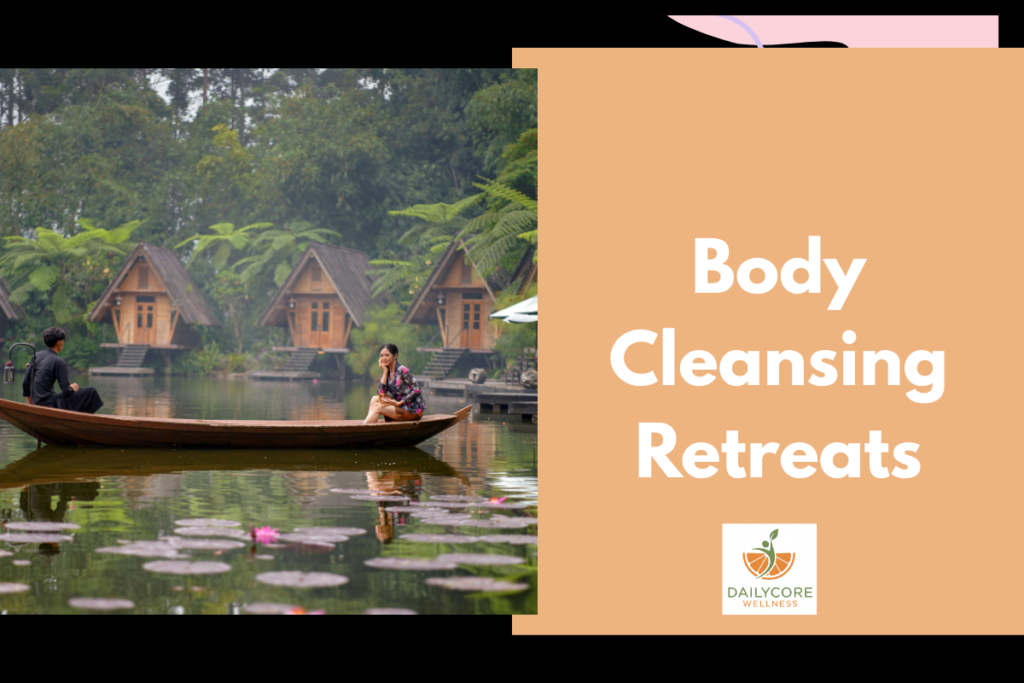
Key Guide on Body Cleansing Retreats, 3rd April 2026
1. Choose a Retreat with Qualified Health Professionals.”
Selecting the right body cleansing retreat begins with evaluating the qualifications of the professionals guiding the program. A reputable retreat should involve certified nutritionists, wellness coaches, or health practitioners who understand safe detoxification practices. Their expertise ensures that the program supports the body’s natural systems without imposing extreme or potentially harmful protocols.
Qualified professionals assess individual needs and provide guidance tailored to each participant’s health condition and wellness goals. This personalized approach is especially important for individuals with dietary sensitivities, chronic stress, or underlying health concerns. Instead of following a one-size-fits-all detox plan, participants benefit from structured guidance that aligns with their unique physiological requirements.
In addition to nutrition expertise, experienced retreat leaders often provide education on mindfulness, stress management, and sustainable wellness practices. These teachings help participants integrate the retreat experience into everyday life after returning home. Ultimately, choosing a retreat led by knowledgeable professionals significantly increases the safety, effectiveness, and long-term benefits of the body cleansing process.
2. Focus on Nutrient-Dense Detox Nutrition.”
Nutrition plays a central role in the success of body cleansing retreats. Instead of relying on extreme fasting or restrictive diets, effective retreats emphasize nutrient-dense meals that nourish the body while supporting natural detoxification pathways. Whole foods rich in vitamins, minerals, antioxidants, and fiber help the liver and digestive system process toxins more efficiently.
Participants are often introduced to plant-based meal plans that incorporate fresh vegetables, fruits, legumes, whole grains, and herbal teas. These foods provide the essential nutrients required for cellular repair and metabolic balance. Fiber-rich ingredients also promote healthy digestion, enabling the body to eliminate waste products effectively.
In addition to providing nourishment, structured nutrition programs help participants develop healthier eating habits. Many retreats include cooking demonstrations or nutrition workshops that teach practical meal preparation techniques. By understanding the principles behind detox-supportive nutrition, individuals are better equipped to maintain balanced dietary habits long after the retreat concludes.
3. Prioritize Hydration Throughout the Retreat.”
Hydration is one of the most important factors supporting detoxification during body cleansing retreats. Water helps transport nutrients to cells while assisting the kidneys and digestive system in eliminating metabolic waste. Without adequate hydration, detoxification processes may become less efficient, reducing the effectiveness of the retreat program.
Many retreats encourage participants to increase their intake of purified water, herbal infusions, and natural electrolyte beverages. Herbal teas containing ingredients such as ginger, mint, or chamomile can support digestion and relaxation while maintaining hydration levels throughout the day.
Proper hydration also contributes to improved energy levels, clearer skin, and better cognitive function. Participants often notice that simply increasing water intake significantly improves overall well-being. By establishing consistent hydration habits during the retreat, individuals can continue supporting their body’s natural detox systems even after returning to their daily routines.
4. Incorporate Gentle Physical Activity.”
Movement is an essential component of body cleansing retreats because it stimulates circulation, supports lymphatic drainage, and enhances metabolic function. However, detox programs typically avoid intense workouts that could place excessive stress on the body. Instead, retreats focus on gentle forms of physical activity that promote balance and recovery.
Activities such as yoga, stretching sessions, guided hikes, and light strength exercises encourage blood flow while reducing muscular tension. These practices help transport oxygen and nutrients throughout the body while assisting in the removal of metabolic byproducts.
Gentle exercise also improves mental clarity and emotional well-being. Physical movement triggers the release of endorphins that support mood balance and stress reduction. By integrating moderate physical activity into daily routines, participants learn that consistent movement plays a vital role in maintaining long-term wellness beyond the retreat environment.
5. Support Detoxification with Herbal Therapies.”
Herbal therapies are commonly integrated into body cleansing retreats to complement nutritional detox programs. Certain herbs have traditionally been used to support digestive health, liver function, and metabolic balance. When used responsibly and under professional supervision, these herbal preparations can enhance the body’s natural detoxification pathways.
Common herbal remedies included in retreat programs may consist of teas, tinctures, or natural infusions prepared from plants known for their cleansing properties. These herbal solutions can stimulate digestion, support liver enzymes, and encourage the elimination of metabolic waste.
Education is a key component of herbal therapy use. Participants are typically taught how specific herbs interact with the body and how to incorporate them safely into daily routines. This knowledge allows individuals to continue benefiting from herbal wellness practices even after the retreat experience concludes.
6. Practice Daily Mindfulness and Meditation.”
Mental detoxification is just as important as physical cleansing during body cleansing retreats. Stress can disrupt hormonal balance, impair digestion, and reduce immune function. Mindfulness practices such as meditation and breathing exercises help restore emotional equilibrium and support overall wellness.
Participants often begin the day with guided meditation sessions that encourage calmness and mental clarity. These practices help reduce anxiety while improving focus and self-awareness. Over time, regular meditation can significantly lower stress hormone levels and promote better sleep quality.
Mindfulness techniques also teach individuals how to become more aware of their thoughts, emotions, and physical sensations. This heightened awareness enables participants to identify stress triggers and respond more effectively to challenges. Incorporating meditation into daily routines after the retreat can sustain the mental and emotional benefits achieved during the detox experience.
7. Ensure Adequate Rest and Sleep.”
Quality sleep plays a crucial role in the detoxification process. During sleep, the body performs essential repair functions, including cellular regeneration and metabolic waste removal. Body cleansing retreats often emphasize restorative sleep routines to maximize these natural healing mechanisms.
Retreat environments are typically designed to promote relaxation through peaceful surroundings, minimal digital distractions, and calming evening routines. Participants may engage in evening yoga, herbal tea rituals, or guided relaxation sessions to prepare the body for restful sleep.
Consistent sleep patterns also help regulate hormones responsible for appetite, metabolism, and energy production. By establishing a healthy sleep routine during the retreat, individuals experience improved mental clarity and physical recovery. Maintaining these sleep habits after returning home can significantly enhance long-term health outcomes.
8. Disconnect from Digital Distractions.”
A digital detox is often included as part of body cleansing retreats to reduce mental overload and improve emotional well-being. Constant exposure to digital devices can contribute to stress, sleep disruption, and decreased attention span. By temporarily disconnecting from technology, participants gain the opportunity to focus entirely on their health and self-care.
Without the distractions of emails, social media, and continuous notifications, individuals can become more present in their surroundings. This presence encourages deeper engagement with mindfulness practices, physical activities, and personal reflection.
Participants frequently report improved concentration and reduced anxiety after spending time away from digital devices. The experience highlights the importance of creating boundaries around technology use in everyday life. Continuing to practice periodic digital breaks can help maintain mental clarity and overall wellness long after the retreat ends.
9. Engage in Educational Wellness Workshops.”
Educational workshops are a core feature of many body cleansing retreats because they empower participants with practical health knowledge. These sessions may cover topics such as nutrition planning, stress management strategies, detox-friendly cooking methods, and lifestyle habit development.
By learning the scientific principles behind detoxification and wellness practices, participants gain a deeper understanding of how their daily choices influence health outcomes. This knowledge encourages greater accountability and motivation for maintaining healthier routines.
Workshops also create opportunities for participants to ask questions and receive personalized advice from wellness professionals. The guidance provided during these sessions helps individuals translate the retreat experience into actionable steps they can implement at home. As a result, educational workshops transform a temporary retreat into a long-term learning experience.
10. Develop a Post-Retreat Wellness Plan.”
The success of body cleansing retreats ultimately depends on what happens after participants return home. Without a clear plan, it is easy to fall back into old habits that contributed to fatigue, stress, or poor nutrition. Developing a structured post-retreat wellness plan ensures that the benefits gained during the retreat are preserved.
A comprehensive wellness plan may include balanced meal planning, regular exercise routines, mindfulness practices, and consistent hydration habits. Participants are encouraged to set realistic health goals that align with their daily schedules and responsibilities.
Regular self-assessment also plays an important role in maintaining progress. Tracking sleep quality, energy levels, and dietary habits helps individuals stay accountable to their wellness goals. By continuing the principles learned during the retreat, participants transform a short-term detox experience into a sustainable lifestyle improvement.
11. Start with Realistic Detox Goals.”
Setting realistic expectations is essential when participating in body cleansing retreats. Many individuals enter a retreat expecting immediate and dramatic health transformations, but sustainable wellness improvements typically occur through gradual and consistent lifestyle changes. Establishing achievable goals allows participants to focus on meaningful progress rather than temporary results.
During the retreat, participants are encouraged to identify specific wellness objectives such as improving digestion, increasing daily energy, or establishing healthier eating habits. These targeted goals help guide daily activities, including nutrition choices, physical movement, and mindfulness practices. Rather than focusing solely on short-term detoxification, the retreat becomes a structured environment for building habits that support long-term well-being.
Realistic goal setting also promotes motivation and accountability. When individuals measure progress through achievable milestones, they are more likely to remain committed to their wellness journey. This approach ensures that the benefits of body cleansing retreats extend beyond the program itself and translate into lasting improvements in overall health.
12. Support Digestive Health Throughout the Program.”
Digestive health plays a central role in the effectiveness of body cleansing retreats. The digestive system is responsible for breaking down nutrients, absorbing essential vitamins and minerals, and eliminating waste from the body. When digestive function is optimized, the body’s natural detoxification mechanisms operate more efficiently.
Many retreat programs include meals rich in dietary fiber, fermented foods, and natural digestive-supporting ingredients. Fiber helps regulate bowel movements and supports the elimination of toxins, while probiotic-rich foods encourage the growth of beneficial gut bacteria. These factors contribute to improved digestion and enhanced nutrient absorption.
Participants also learn the importance of mindful eating habits. Eating slowly, chewing food thoroughly, and maintaining balanced meal schedules allow the digestive system to function without unnecessary strain. These simple yet effective practices often lead to improved gut health, reduced bloating, and better overall metabolic balance.
13. Embrace Nature-Based Healing Environments.”
The natural setting of many body cleansing retreats plays a significant role in supporting physical and mental recovery. Retreat centers are often located in tranquil environments such as forests, mountains, or coastal regions. These surroundings help participants disconnect from urban stress and reconnect with nature’s calming influence.
Exposure to natural environments has been associated with reduced stress levels, improved mood, and enhanced mental clarity. Fresh air, natural sunlight, and peaceful landscapes create conditions that support relaxation and emotional restoration. These factors contribute to a more effective detox experience by lowering cortisol levels and promoting psychological well-being.
Nature-based activities such as guided hikes, outdoor yoga sessions, and meditation in natural settings further enhance the retreat experience. These activities encourage participants to become more present and aware of their surroundings. Incorporating time in nature into everyday routines after the retreat can continue supporting both mental and physical wellness.
14. Strengthen the Body’s Natural Detox Systems.”
Body cleansing retreats are most effective when they support the body’s existing detoxification organs rather than attempting to replace them. The liver, kidneys, lungs, skin, and digestive system work together to eliminate toxins and maintain internal balance. Retreat programs often include strategies designed to strengthen these natural processes.
Participants may engage in activities that promote circulation, hydration, and nutrient intake to support organ function. For example, nutrient-rich foods provide antioxidants that help protect liver cells, while adequate water intake assists kidney filtration. Gentle exercise stimulates blood flow and lymphatic movement, helping transport waste products for elimination.
Understanding how these systems operate allows participants to appreciate the importance of daily health habits. When individuals adopt supportive practices such as balanced nutrition, consistent hydration, and stress management, they enhance the body’s ability to detoxify effectively without relying on extreme measures.
15. Learn Mindful Eating Practices.”
Mindful eating is an important principle emphasized in many body cleansing retreats. This approach encourages participants to pay close attention to their food choices, eating habits, and physical responses to meals. Instead of eating quickly or while distracted, individuals learn to focus on the sensory experience of food and the signals their body provides.
Practicing mindful eating can significantly improve digestion and prevent overeating. When individuals slow down and chew their food thoroughly, digestive enzymes can break down nutrients more effectively. This process reduces digestive discomfort and allows the body to absorb nutrients efficiently.
Mindful eating also strengthens the relationship between individuals and their dietary habits. By becoming more aware of hunger cues and emotional triggers related to eating, participants develop healthier attitudes toward food. These skills help maintain balanced nutrition long after the retreat experience has ended.
16. Reduce Environmental Toxin Exposure.”
While body cleansing retreats focus on internal detoxification, they also encourage participants to minimize exposure to environmental toxins. Everyday products such as processed foods, chemical-based cleaning agents, and air pollutants can place additional strain on the body’s detox systems.
Retreat programs often introduce participants to cleaner lifestyle practices. These may include choosing organic foods when possible, using natural personal care products, and improving indoor air quality through proper ventilation. Small lifestyle adjustments can significantly reduce the body’s toxic burden over time.
Learning how environmental factors influence health empowers participants to make informed choices once they return home. By limiting unnecessary toxin exposure, individuals support the long-term effectiveness of the detox practices they learned during the retreat.
17. Maintain Emotional Balance During Detox.”
Emotional well-being is a critical yet often overlooked component of body cleansing retreats. Detoxification can sometimes trigger emotional responses as the body adjusts to new dietary patterns and reduced stimulants such as caffeine or processed sugar. Retreat programs typically incorporate emotional support strategies to help participants navigate these changes.
Activities such as journaling, meditation, and guided reflection allow individuals to process emotions in a constructive way. These practices encourage self-awareness and help participants identify stress patterns that may have contributed to unhealthy lifestyle habits.
Maintaining emotional balance during detox also improves the overall retreat experience. When individuals feel supported and mentally calm, the body can focus more effectively on healing and recovery. Developing emotional resilience during the retreat helps participants sustain healthier habits once they return to their daily routines.
18. Build a Supportive Wellness Community.”
Community support is another valuable aspect of body cleansing retreats. Participants often share similar health goals, creating an environment where encouragement and accountability become part of the experience. Engaging with others who are pursuing wellness improvements can significantly strengthen motivation.
Group activities such as fitness classes, meditation sessions, and nutrition workshops create opportunities for participants to connect and share experiences. These interactions often lead to meaningful conversations about personal health challenges and lifestyle improvements.
A supportive wellness community can also extend beyond the retreat itself. Many participants remain connected through online groups or wellness networks where they continue sharing advice and encouragement. Maintaining these connections reinforces positive habits and helps individuals stay committed to their long-term health goals.
19. Track Your Wellness Progress.”
Monitoring progress during and after body cleansing retreats helps individuals understand how their lifestyle changes influence overall health. Tracking improvements in energy levels, sleep quality, digestion, and stress levels provides valuable insight into the effectiveness of detox practices.
Participants may keep wellness journals or use structured health tracking methods to record daily habits. Noting dietary choices, hydration levels, physical activity, and emotional states allows individuals to identify patterns that support or hinder their wellness goals.
Regular self-evaluation encourages accountability and promotes continuous improvement. By observing gradual progress over time, individuals gain confidence in their ability to maintain healthy habits. This awareness reinforces the long-term benefits of the retreat experience and motivates participants to remain consistent in their wellness journey.
20. Commit to Long-Term Lifestyle Transformation”
The ultimate goal of body cleansing retreats is not temporary detoxification but sustainable lifestyle transformation. While the retreat environment provides the foundation for healthy change, lasting results depend on the commitment participants make after the program concludes.
Long-term wellness transformation also involves flexibility and patience. Health improvements develop gradually through repeated positive choices rather than quick fixes. By maintaining the practices introduced during body cleansing retreats, individuals create a foundation for lasting vitality, resilience, and overall well-being.
Conclusion
Body cleansing retreats provide a structured and supportive environment for individuals seeking to restore balance in their physical and mental health. Through a combination of nutrient-rich nutrition, mindful movement, herbal therapies, and restorative relaxation techniques, these retreats help participants reconnect with healthier lifestyle habits. The experience allows individuals to step away from daily stressors while focusing entirely on wellness and personal renewal.
However, the true value of body cleansing retreats extends far beyond the duration of the program itself. The knowledge gained during the retreat—whether related to nutrition, stress management, or hydration—equips participants with practical tools that can be integrated into everyday life. These insights create the foundation for lasting improvements in energy levels, digestion, sleep quality, and emotional well-being.
Consistency is the key factor that determines long-term success. A retreat can initiate the detoxification process and inspire healthier behaviors, but maintaining those habits requires ongoing commitment. Individuals who continue practicing mindful eating, regular physical activity, and stress reduction techniques are more likely to experience sustainable health benefits.
Ultimately, body cleansing retreats should be viewed as the beginning of a broader wellness journey rather than a one-time detox solution. By applying the lessons learned during the retreat and remaining dedicated to consistent healthy practices, individuals can achieve lasting improvements in their overall health and quality of life.
Share this:
- Share on Facebook (Opens in new window) Facebook
- Share on X (Opens in new window) X
- Share on WhatsApp (Opens in new window) WhatsApp
- Share on Threads (Opens in new window) Threads
- Share on LinkedIn (Opens in new window) LinkedIn
- Share on Telegram (Opens in new window) Telegram
- Email a link to a friend (Opens in new window) Email
- Share on Pinterest (Opens in new window) Pinterest