Cleanliness of the house is a fundamental aspect of maintaining a healthy and comfortable living environment. A clean home not only enhances physical health but also supports mental clarity and overall well-being. Dust, dirt, and bacteria can accumulate quickly in living spaces, making consistent cleaning practices essential for preventing illness and maintaining hygiene.
Understanding the importance of the cleanliness of the house goes beyond surface-level tidiness. It involves structured routines, proper sanitation methods, and attention to detail in every part of the home. From kitchens and bathrooms to living areas and bedrooms, each space requires specific care to ensure a safe and hygienic environment.
One of the major benefits of maintaining the cleanliness of the house is the reduction of health risks. Regular cleaning helps eliminate allergens, bacteria, and harmful microorganisms that can cause infections and respiratory issues. This makes it especially important for households with children, elderly individuals, or individuals with weakened immune systems.
This guide explores practical strategies, effective routines, and detailed tips for achieving and maintaining the cleanliness of the house. By adopting consistent habits and structured approaches, you can create a clean, organized, and healthy home environment for long-term well-being.
Importance of Maintaining the Cleanliness of the House
Maintaining the cleanliness of the house is essential for promoting both physical and mental health. A clean environment reduces exposure to harmful bacteria, allergens, and pollutants that can negatively impact health. Regular cleaning of surfaces, floors, and frequently used items ensures that contaminants are removed before they accumulate. This helps prevent illnesses and supports a safer living space for all occupants.
In addition to health benefits, the cleanliness of the house contributes to improved mental well-being. A clean and organized home creates a sense of order and reduces stress. Clutter and dirt can lead to feelings of discomfort and distraction, while a tidy environment promotes relaxation and productivity. Maintaining cleanliness also enhances the overall appearance of the home, making it more inviting and comfortable.
Consistency plays a crucial role in achieving these benefits. Establishing a regular cleaning routine ensures that tasks are completed efficiently and prevents the buildup of dirt and clutter. By maintaining a structured approach, individuals can sustain the cleanliness of the house without overwhelming effort, leading to long-term improvements in quality of life.
Effective Strategies for House Cleaning
Achieving cleanliness of the house requires a systematic approach that includes daily, weekly, and monthly tasks. Daily cleaning activities such as wiping surfaces, washing dishes, and organizing spaces help maintain basic hygiene. Weekly tasks, including mopping floors and cleaning bathrooms, address deeper cleaning needs. Monthly or seasonal cleaning ensures that less frequently used areas are properly maintained.
Using appropriate cleaning tools and products is also essential for effective results. Different surfaces require specific cleaning methods to ensure thorough sanitation without causing damage. For example, disinfectants are ideal for high-touch areas, while gentle cleaners are better suited for delicate surfaces. Understanding these differences improves efficiency and ensures optimal outcomes.
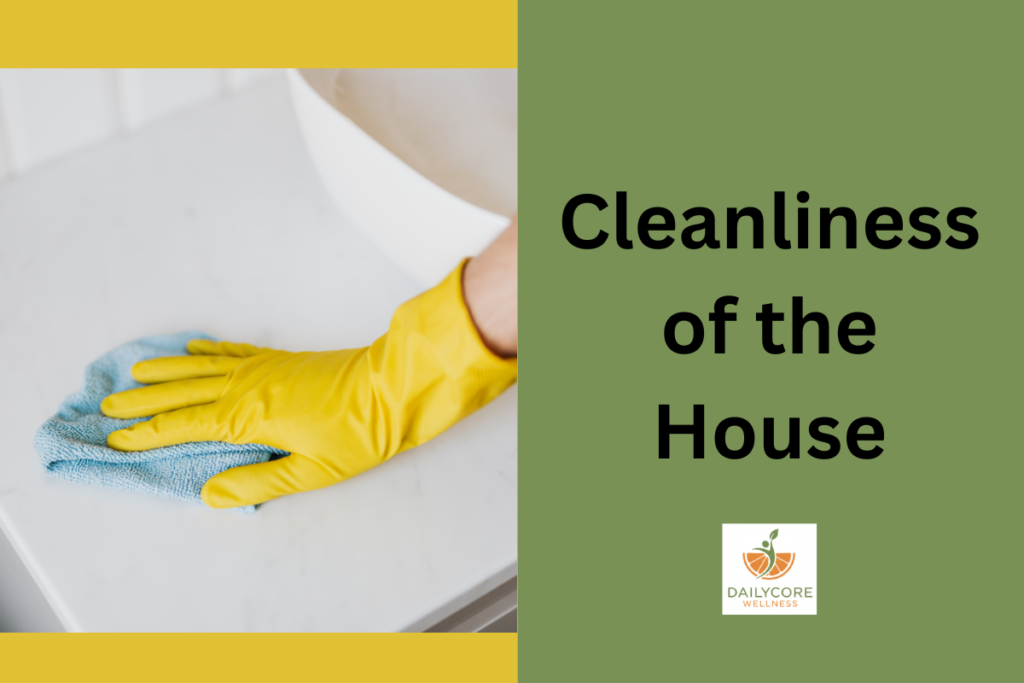
30 Best Ways to Keep the House Clean
Final Thoughts
Cleanliness of the house is not a one-time effort but a continuous process that requires consistency and discipline. By understanding the importance of hygiene and implementing structured routines, individuals can maintain a clean and healthy living environment. Each small effort contributes to a larger goal of long-term cleanliness and well-being.
Consistency is the key to achieving lasting results. Regular cleaning prevents the buildup of dirt, bacteria, and clutter, making maintenance easier over time. Establishing a routine ensures that all areas of the home receive the attention they need without becoming overwhelming.
It is also important to remain adaptable and attentive. Different areas of the home may require varying levels of care, and adjusting cleaning practices accordingly ensures effectiveness. Staying mindful of changing needs supports a sustainable approach to cleanliness.