DASH Diet Meal Plan Vegetarian in 2026

The Dash diet meal plan, vegetarian, is a powerful approach to improving heart health while embracing a plant-based lifestyle. Built on the principles of the DASH (Dietary Approaches to Stop Hypertension) diet, this plan focuses on reducing sodium intake while increasing the consumption of nutrient-dense, plant-based foods. It is especially beneficial for individuals seeking to manage blood pressure and maintain overall wellness without relying on animal-based products.

A dash diet meal plan, vegetarian, emphasizes whole foods such as fruits, vegetables, legumes, whole grains, nuts, and seeds. These foods provide essential nutrients like potassium, magnesium, and fiber, which play a key role in supporting cardiovascular health. By eliminating or minimizing processed foods, this dietary approach promotes cleaner, more balanced eating habits.

This plan is not only beneficial for heart health but also supports weight management and digestion. The high fiber content of plant-based foods helps maintain satiety, regulate blood sugar levels, and improve gut health. Unlike restrictive diets, the Dash diet meal plan allows for variety and flexibility, making it easier to maintain over time.

Ultimately, the success of a vegetarian dash diet meal plan depends on consistency and thoughtful food choices. By focusing on whole, plant-based ingredients and maintaining a structured routine, individuals can achieve long-term health benefits and sustainable results.

Understanding the DASH Diet in a Vegetarian Context

The Dash diet meal plan, vegetarian, adapts the traditional DASH framework by replacing animal-based proteins with plant-based alternatives. This includes foods such as beans, lentils, tofu, and nuts, which provide essential protein and nutrients without saturated fats. The emphasis remains on reducing sodium intake and increasing consumption of foods rich in potassium and magnesium, which help regulate blood pressure.

In a vegetarian DASH plan, balance is crucial. Each meal should include a combination of whole grains, plant-based proteins, and a variety of vegetables. This ensures that the body receives all necessary nutrients while maintaining energy levels. Careful attention must also be given to nutrients like iron, calcium, and vitamin B12, which are essential in a vegetarian diet. By maintaining this balance, individuals can enjoy the benefits of both DASH and plant-based eating while supporting long-term health.

Building a DASH Diet Meal Plan for Vegetarians

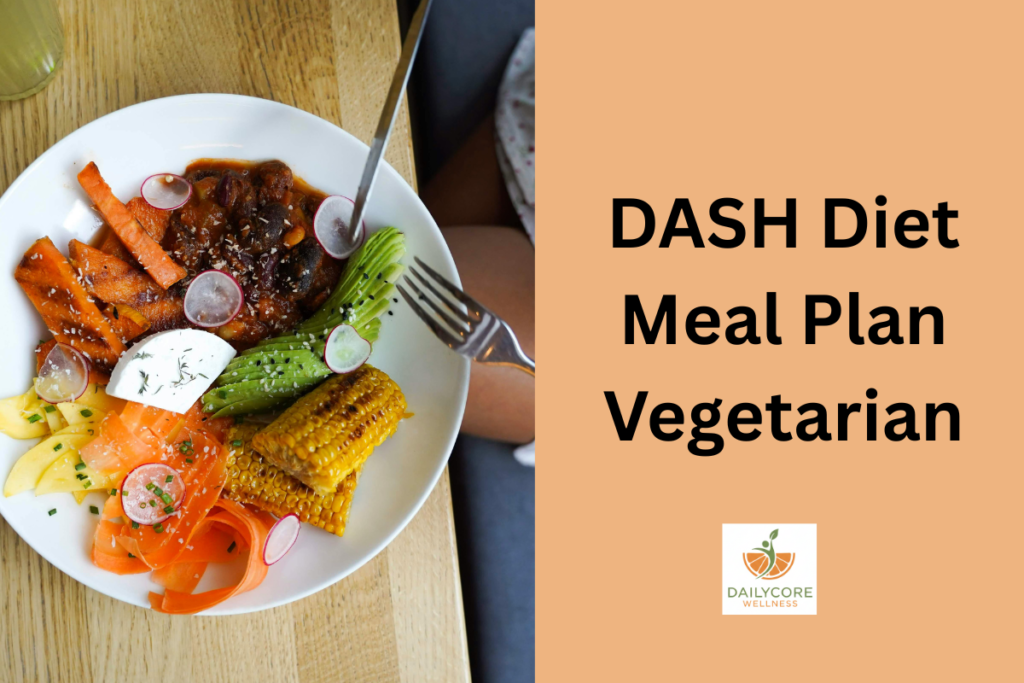
Creating a dash diet meal plan vegetarian requires thoughtful planning to ensure nutritional adequacy and variety. A typical day may include meals such as oatmeal with fruits for breakfast, a quinoa and vegetable salad for lunch, and a lentil-based dish for dinner. Snacks can include nuts, yogurt alternatives, or fresh fruits. Each meal should be designed to provide a balance of macronutrients while keeping sodium intake low.

Meal preparation plays a key role in maintaining consistency. Preparing meals in advance helps avoid reliance on processed vegetarian foods, which can be high in sodium. Incorporating herbs, spices, and natural flavorings enhances taste without compromising health. Hydration and portion control are also important factors. By maintaining a structured approach and focusing on whole foods, individuals can successfully follow a vegetarian DASH diet and achieve sustainable health improvements.
DASH Diet Meal Plan Vegetarian

DASH Diet Meal Plan Vegetarian Tips, 3rd April 2026

1. Prioritize Whole Plant Foods

Focusing on whole plant foods is essential in a vegetarian Dash diet meal plan. Foods such as fruits, vegetables, legumes, and whole grains provide the foundation for balanced nutrition. These foods are naturally low in sodium and high in fiber, which supports heart health and digestion. Avoiding processed vegetarian options is important, as they often contain added sodium and preservatives. Whole foods deliver essential vitamins and minerals that contribute to overall well-being. Consistently choosing unprocessed options helps maintain nutrient density and supports long-term health goals. This approach ensures that every meal contributes positively to your dietary needs.

See also  DASH Diet Meal Plan for Diabetics in 2026

2. Include Plant-Based Protein Sources

Protein is a critical component of any diet, including a vegetarian DASH plan. Sources such as lentils, beans, tofu, tempeh, and nuts provide high-quality protein without saturated fat. Including protein in each meal helps maintain muscle mass and supports satiety. It also prevents overeating by keeping you full for longer periods. Balancing protein intake with other nutrients ensures optimal health. Consistent inclusion of plant-based proteins enhances the effectiveness of the meal plan and supports overall wellness.

3. Limit Sodium Intake Carefully

Reducing sodium is a key principle of the DASH diet. In a vegetarian plan, it is important to monitor sodium levels in packaged foods such as canned beans or meat substitutes. Choosing low-sodium options and rinsing canned foods can significantly reduce intake. Using herbs, spices, and natural seasonings enhances flavor without increasing sodium. Maintaining low sodium intake supports blood pressure control and cardiovascular health.

4. Balance Macronutrients in Every Meal

Each meal should include a balance of carbohydrates, protein, and healthy fats. Whole grains provide energy, plant proteins support muscle function, and healthy fats aid nutrient absorption. This balance ensures sustained energy levels and prevents blood sugar spikes. Maintaining macronutrient balance improves overall diet quality and supports long-term adherence.

5. Increase Intake of Leafy Greens

Leafy greens such as spinach, kale, and lettuce are rich in essential nutrients like iron, calcium, and magnesium. Including them regularly supports heart health and improves overall nutrition. These vegetables are low in calories and high in fiber, making them ideal for weight management. Consistent consumption enhances nutrient intake and supports a balanced diet.

6. Plan Meals Ahead of Time

Meal planning helps maintain consistency and prevents unhealthy food choices. Preparing meals in advance ensures that all dishes align with DASH principles. It also reduces reliance on processed foods and saves time. Structured planning supports long-term adherence and improves dietary outcomes.

7. Choose Healthy Fats in Moderation

Healthy fats from sources such as nuts, seeds, and olive oil are important for overall health. They support brain function and nutrient absorption. However, moderation is key to avoiding excess calorie intake. Including the right amount of healthy fats enhances meal quality and supports heart health.

7. Choose Healthy Fats in Moderation

Healthy fats play an important role in a Dash diet meal plan, but they must be consumed in controlled portions. Sources such as nuts, seeds, avocados, and olive oil provide essential fatty acids that support heart health and improve nutrient absorption. These fats also help maintain satiety, reducing the likelihood of overeating. However, because they are calorie-dense, excessive consumption can disrupt overall dietary balance. Incorporating small portions into meals ensures that you benefit from their nutritional value without exceeding calorie needs. Consistency in using healthy fats appropriately enhances meal quality, supports brain function, and contributes to long-term cardiovascular health.

8. Stay Hydrated Daily

Proper hydration is essential for maintaining overall health and supporting the effectiveness of a vegetarian DASH diet. Drinking adequate water throughout the day aids digestion, supports metabolism, and helps transport nutrients within the body. Hydration also plays a role in controlling appetite, as thirst is often mistaken for hunger. Replacing sugary drinks and high-calorie beverages with water or herbal teas helps reduce unnecessary calorie intake. Consistent hydration supports kidney function and helps regulate blood pressure. Making water intake a daily habit ensures that the body functions optimally and complements the benefits of a nutrient-rich plant-based diet.

9. Avoid Highly Processed Vegetarian Foods

Many processed vegetarian products, such as meat substitutes and packaged meals, contain high levels of sodium, preservatives, and unhealthy additives. These ingredients can counteract the benefits of a vegetarian dash diet meal plan by increasing blood pressure and reducing overall diet quality. Choosing fresh, whole foods ensures better control over nutrient intake and supports long-term health goals. Preparing meals at home allows you to manage ingredients and avoid hidden additives. Consistently avoiding processed options improves digestion, enhances nutrient absorption, and aligns with DASH principles focused on whole, natural foods.

See also  Ultimate Guide to Skin Care Japan

10. Maintain Consistency in Your Routine

Consistency is the foundation of success in any dietary plan, including a vegetarian DASH approach. Following a structured routine helps build sustainable habits that support long-term health. Regular meal timing, balanced food choices, and adherence to DASH guidelines ensure steady progress. Inconsistent eating patterns can lead to poor decisions and disrupt nutritional balance. By maintaining discipline and sticking to your plan, you create a stable foundation for achieving your health goals. Over time, consistency leads to improved cardiovascular health, better energy levels, and lasting lifestyle changes.

11. Diversify Your Plant-Based Food Choices

Eating a wide variety of plant-based foods ensures that your body receives a broad spectrum of nutrients. Different fruits, vegetables, grains, and legumes offer unique vitamins, minerals, and antioxidants. Relying on a limited range of foods can lead to nutritional gaps. Incorporating diverse options enhances meal quality and keeps your diet interesting and enjoyable. Seasonal and locally available produce can further improve freshness and nutritional value. Consistently diversifying your meals supports better health outcomes and ensures that your dietary plan remains sustainable over the long term.

12. Monitor Iron and Vitamin Intake

A vegetarian DASH diet requires careful attention to nutrients such as iron and vitamin B12. Plant-based sources of iron include lentils, beans, spinach, and fortified cereals, but they may not be absorbed as efficiently as animal-based sources. Pairing these foods with vitamin C-rich items enhances absorption. Monitoring nutrient intake ensures that deficiencies are avoided. In some cases, supplementation may be necessary under professional guidance. Maintaining adequate levels of essential nutrients supports energy production, immune function, and overall well-being.

13. Use Herbs and Spices for Flavor

Flavoring meals with herbs and spices instead of salt is a key strategy in the DASH diet. Ingredients such as garlic, ginger, turmeric, and basil enhance taste while providing additional health benefits. This approach reduces sodium intake without compromising meal satisfaction. Experimenting with different combinations keeps meals exciting and encourages adherence to the diet. Consistent use of natural flavorings supports heart health and aligns with DASH principles focused on reducing sodium consumption.

14. Control Portion Sizes Carefully

Even healthy plant-based foods can contribute to excess calorie intake if consumed in large quantities. Monitoring portion sizes ensures that energy intake remains balanced. Using measuring tools and being mindful of serving sizes helps maintain consistency. Portion control supports weight management and prevents overeating. Developing this habit enhances awareness of dietary intake and reinforces discipline. Over time, it contributes to better health outcomes and sustainable eating patterns.

15. Incorporate High-Fiber Foods

Fiber is a key component of a vegetarian DASH diet. Foods such as whole grains, legumes, fruits, and vegetables provide dietary fiber that supports digestion and promotes satiety. High-fiber meals help regulate blood sugar levels and reduce cholesterol. Including fiber-rich foods in every meal enhances overall diet quality and supports heart health. Consistent intake improves gut health and contributes to long-term wellness.
16. Limit Added Sugars

Reducing added sugars is essential for maintaining a balanced vegetarian DASH diet. Sugary foods and beverages can increase calorie intake without providing nutritional benefits. Choosing natural sources of sweetness, such as fruits, helps satisfy cravings while supporting health. Reading food labels and avoiding products with high sugar content ensures better control over intake. Consistently limiting added sugars improves energy levels, supports weight management, and enhances overall well-being.

See also  Best Foods for Gut Health: Improve Your Digestion Naturally

17. Prepare Meals at Home

Cooking meals at home allows for better control over ingredients, portion sizes, and sodium levels. It also reduces reliance on processed foods that may not align with DASH principles. Home preparation encourages healthier cooking methods and promotes mindful eating. Planning and preparing meals in advance supports consistency and reduces the likelihood of unhealthy choices. Over time, this habit contributes to improved dietary quality and long-term success.

18. Balance Calorie Intake with Activity

Maintaining a balance between calorie intake and physical activity is essential for overall health. A vegetarian DASH diet provides the nutrients needed to support an active lifestyle. Engaging in regular exercise enhances the benefits of the diet by improving cardiovascular health and supporting weight management. Consistency in both diet and activity leads to better results. Combining proper nutrition with physical activity ensures a comprehensive approach to health.

19. Avoid Skipping Meals

Skipping meals can lead to overeating later in the day and disrupt energy levels. Maintaining regular meal patterns supports metabolism and helps control hunger. In a vegetarian DASH plan, consistent meal timing ensures balanced nutrient intake. This habit improves energy stability and reduces cravings. Over time, avoiding skipped meals contributes to better adherence and overall success.

20. Track Your Progress Regularly

Monitoring your dietary habits and progress helps maintain accountability and identify areas for improvement. Keeping a food journal or using tracking tools provides valuable insights into eating patterns. Regular tracking reinforces discipline and supports goal achievement. It also helps ensure that your diet remains aligned with DASH principles. Consistent evaluation of progress leads to better decision-making and long-term success.

Leave a Reply

Your email address will not be published. Required fields are marked *

You May Also Like