A dental hygiene exam is one of the most important preventive procedures for maintaining optimal oral health. During a dental hygiene exam, a trained dental professional evaluates the condition of your teeth, gums, and overall oral environment to detect early signs of dental problems. This routine assessment plays a critical role in preventing cavities, gum disease, and other oral conditions that can worsen if left untreated.
Many people underestimate the importance of a dental hygiene exam, assuming that brushing and flossing alone are enough to maintain healthy teeth. While daily oral care is essential, a dental hygiene exam provides a deeper level of evaluation that cannot be achieved at home. Dental hygienists use specialized tools and professional expertise to identify plaque buildup, tartar accumulation, gum inflammation, and other hidden issues that may develop silently over time.
Regular dental hygiene exams also provide an opportunity for personalized oral health guidance. Dental professionals can evaluate your brushing techniques, recommend suitable dental products, and provide advice tailored to your specific needs. When performed consistently, a dental hygiene exam becomes a powerful tool for protecting long-term dental health and maintaining a confident, healthy smile.
What Happens During a Dental Hygiene Exam
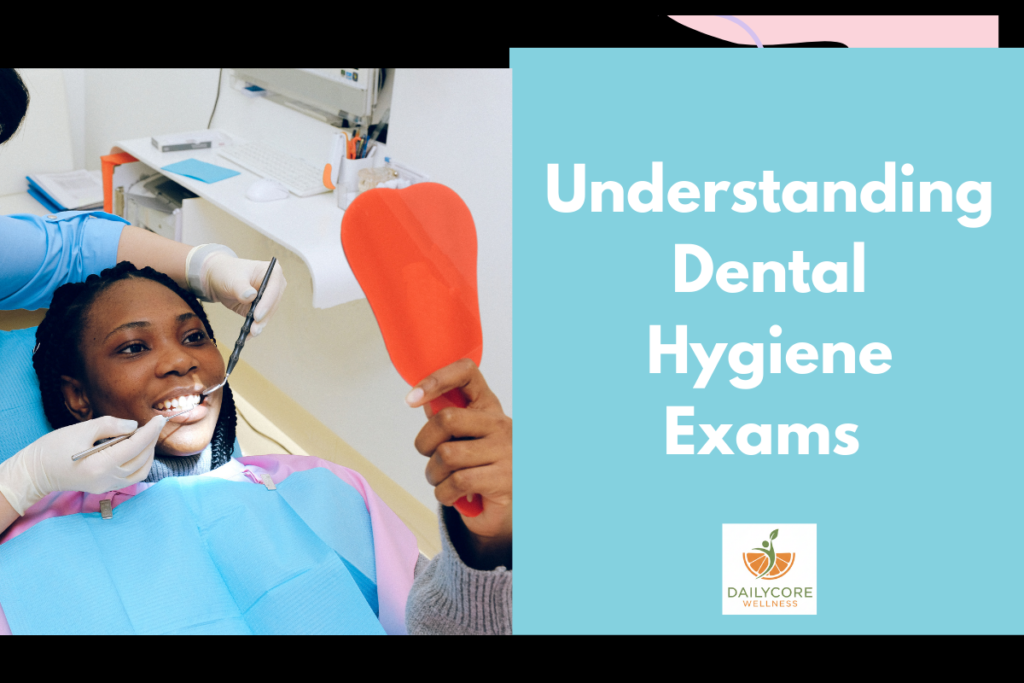
A dental hygiene exam is a comprehensive evaluation of your oral health conducted by a licensed dental hygienist or dentist. The process usually begins with a visual inspection of the mouth to assess the condition of the teeth, gums, tongue, and soft tissues. During this stage, the dental professional looks for visible signs of plaque buildup, tartar deposits, gum inflammation, cavities, or abnormal lesions. X-rays may also be taken periodically to detect problems that are not visible to the naked eye, such as decay between teeth or issues below the gumline.
After the visual assessment, the hygienist performs a professional cleaning known as dental prophylaxis. This involves carefully removing hardened plaque and tartar from the teeth using specialized instruments. The teeth are then polished to remove surface stains and smooth the enamel, which helps prevent future plaque accumulation. Finally, the hygienist may apply fluoride treatment to strengthen the enamel and reduce the risk of cavities. Throughout the dental hygiene exam, patients also receive guidance on proper oral care techniques that can improve daily dental hygiene habits.
Why Regular Dental Hygiene Exams Are Essential
Routine dental hygiene exams play a vital role in preventing oral diseases before they develop into serious conditions. Plaque is constantly forming on the teeth, and when it is not removed effectively through brushing and flossing, it can harden into tartar. Tartar cannot be removed with regular brushing and requires professional dental instruments. Regular dental hygiene exams ensure that these deposits are removed before they lead to tooth decay or gum disease.
In addition to preventive care, dental hygiene exams support overall health. Research has shown strong connections between oral health and systemic conditions such as heart disease, diabetes, and respiratory infections. By maintaining healthy gums and teeth through routine dental hygiene exams, individuals reduce the risk of harmful bacteria entering the bloodstream. Consistent examinations also allow dentists to track changes in oral health over time, ensuring that any emerging issues are addressed promptly and effectively.
Understanding Dental Hygiene Exams
1. Schedule Dental Hygiene Exams Every Six Months
Maintaining a consistent schedule for a dental hygiene exam is one of the most effective ways to protect long-term oral health. Dental professionals generally recommend scheduling an exam every six months because this timeframe allows for early detection of potential problems before they progress. During this period, plaque and tartar can accumulate in areas that are difficult to reach with a toothbrush or floss. Without professional cleaning, these deposits may lead to gum inflammation or tooth decay.
Regular dental hygiene exams also create an ongoing record of your oral health. Dentists can monitor subtle changes in gum condition, tooth structure, or bite alignment over time. By attending scheduled appointments consistently, patients allow dental professionals to intervene early and recommend preventive treatments. This proactive approach reduces the likelihood of complex dental procedures and supports stronger, healthier teeth for years to come.
2. Maintain Proper Brushing Techniques
Proper brushing technique plays a critical role in preparing for and maintaining the results of a dental hygiene exam. Brushing twice daily with the correct method removes plaque before it hardens into tartar. Many people brush their teeth quickly or apply excessive pressure, which can damage enamel and irritate the gums. Using a soft-bristled toothbrush and gentle circular motions ensures effective cleaning while protecting delicate gum tissue.
During a dental hygiene exam, dental professionals often evaluate brushing habits and provide feedback on technique. Improving brushing habits can significantly reduce plaque accumulation between visits. Patients who maintain proper brushing techniques typically experience fewer cavities, less gum inflammation, and improved oral comfort. Consistent and correct brushing, therefore, complements the professional cleaning performed during a dental hygiene exam.
3. Floss Daily to Remove Hidden Plaque
Flossing is an essential complement to brushing and plays a crucial role in the effectiveness of a dental hygiene exam. Toothbrush bristles cannot reach the tight spaces between teeth where plaque often accumulates. When plaque remains in these areas, it can contribute to cavities and gum disease. Flossing once daily removes trapped food particles and bacterial buildup, helping maintain a cleaner oral environment.
Dental professionals frequently observe that patients who floss regularly experience healthier gums and fewer signs of inflammation during a dental hygiene exam. Daily flossing reduces bleeding gums, prevents interdental decay, and improves overall gum stability. When combined with professional cleaning, flossing ensures that the entire tooth surface remains protected from harmful bacteria.
4. Limit Sugary and Acidic Foods
Diet plays a significant role in oral health and directly influences the outcome of a dental hygiene exam. Sugary foods and beverages feed harmful bacteria in the mouth, which produce acids that attack tooth enamel. Over time, this acid exposure weakens enamel and increases the risk of cavities. Acidic foods and drinks such as soda, citrus juices, and energy drinks can further accelerate enamel erosion.
Reducing the frequency of sugary and acidic food consumption helps maintain a healthier oral environment. Drinking water after meals and choosing tooth-friendly snacks such as nuts, cheese, or vegetables can support enamel strength. Patients who maintain a balanced diet often show better results during their dental hygiene exam because their teeth are less exposed to conditions that promote decay.
5. Use Fluoride Toothpaste
Fluoride is widely recognized as one of the most effective ingredients for strengthening tooth enamel and preventing cavities. Using fluoride toothpaste regularly enhances the protective barrier of the teeth, making them more resistant to acid attacks from bacteria. During a dental hygiene exam, dental professionals may also apply fluoride treatments to provide additional protection against decay.
Incorporating fluoride toothpaste into daily oral care routines ensures that teeth remain resilient between dental visits. This is particularly important for individuals who are prone to cavities or have weakened enamel. Consistent fluoride exposure supports the long-term success of a dental hygiene exam by maintaining strong, healthy teeth that are better equipped to resist damage.
6. Replace Your Toothbrush Regularly
An often overlooked aspect of oral care is the condition of the toothbrush itself. Over time, toothbrush bristles become frayed and lose their effectiveness at removing plaque. Using a worn toothbrush can reduce the quality of daily cleaning and allow plaque to accumulate more easily. Dental professionals generally recommend replacing a toothbrush every three to four months.
During a dental hygiene exam, patients with worn toothbrushes may show signs of incomplete plaque removal. Maintaining a fresh toothbrush ensures that daily brushing remains effective. High-quality brushing tools support the professional cleaning process performed during dental hygiene exams and contribute to improved oral health outcomes.
7. Stay Hydrated to Support Saliva Production
Saliva plays a critical role in maintaining oral health by naturally washing away food particles and neutralizing harmful acids. Adequate hydration supports saliva production, which helps protect the teeth and gums from bacterial buildup. Individuals who experience dry mouth may face a higher risk of cavities and gum disease because saliva is less available to cleanse the oral environment.
Drinking sufficient water throughout the day helps maintain moisture in the mouth and promotes natural cleansing. Patients who remain properly hydrated often demonstrate improved gum health and reduced plaque accumulation during a dental hygiene exam. Hydration, therefore, supports both daily oral care and professional dental evaluations.
8. Avoid Tobacco Products
Tobacco use has significant negative effects on oral health and can greatly impact the results of a dental hygiene exam. Smoking and chewing tobacco increase the risk of gum disease, tooth discoloration, bad breath, and oral cancer. Tobacco also restricts blood flow to the gums, making it more difficult for the body to fight infections and heal damaged tissues.
Dental professionals frequently observe advanced gum problems in patients who use tobacco regularly. Eliminating tobacco products supports healthier gums, improved circulation, and better oral hygiene outcomes. Patients who quit tobacco often experience noticeable improvements in gum health during subsequent dental hygiene exams.
9. Pay Attention to Gum Health
Healthy gums are essential for maintaining strong teeth and preventing periodontal disease. During a dental hygiene exam, the dental professional measures the depth of the gum pockets surrounding each tooth to assess gum health. Bleeding, swelling, or gum recession may indicate early signs of gingivitis or more advanced periodontal issues.
Patients who monitor their gum health between visits are better positioned to maintain long-term oral stability. Brushing gently along the gumline, flossing daily, and seeking professional care when symptoms arise can prevent gum disease from progressing. Healthy gums provide the foundation for strong teeth and improve the outcomes of regular dental hygiene exams.
10. Follow Professional Dental Advice
Every dental hygiene exam provides valuable insights into an individual’s oral health status. Dentists and hygienists may recommend specific treatments, products, or lifestyle changes based on their observations. Following this professional guidance is essential for maintaining the improvements achieved during the exam.
Patients who actively apply the recommendations given during a dental hygiene exam often experience better long-term results. Whether the advice involves improving brushing techniques, adjusting dietary habits, or scheduling additional treatments, these recommendations are designed to support optimal oral health. Consistently applying professional advice ensures that the benefits of each dental hygiene exam extend far beyond the dental office.
11. Brush Your Tongue Daily
Brushing the tongue is an often-overlooked aspect of oral hygiene, yet it plays an important role in preparing for a dental hygiene exam. The tongue can harbor a large number of bacteria that contribute to plaque formation, bad breath, and overall oral imbalance. When these bacteria remain on the tongue’s surface, they can easily spread to the teeth and gums, increasing the risk of dental problems.
Using a toothbrush or a specialized tongue scraper to clean the tongue daily helps remove bacteria and food particles that accumulate throughout the day. This practice supports a healthier oral environment and reduces the bacterial load in the mouth. Patients who clean their tongues regularly often experience fresher breath and improved oral hygiene results during a dental hygiene exam. Incorporating tongue cleaning into daily routines strengthens overall oral health and complements the professional care provided during routine dental visits.
12. Use Antibacterial Mouthwash
Antibacterial mouthwash can be an effective addition to a daily oral care routine, particularly for individuals preparing for a dental hygiene exam. Mouthwash helps reach areas of the mouth that brushing and flossing may miss, including the back of the tongue and deep spaces between teeth. By reducing harmful bacteria, mouthwash contributes to improved gum health and a cleaner oral environment.
When used consistently, antibacterial mouthwash can help control plaque formation and reduce inflammation in the gums. Dental professionals often recommend alcohol-free mouthwashes that are gentle on oral tissues while still providing antimicrobial benefits. Patients who incorporate mouthwash into their daily routines may show fewer signs of gingivitis during a dental hygiene exam. This additional layer of protection supports overall oral hygiene and reinforces the results of professional dental cleaning.
13. Be Honest About Your Dental History
Providing accurate information about your dental history is an important part of any dental hygiene exam. Dental professionals rely on patient history to identify risk factors that may influence oral health. Previous treatments, existing conditions, medication use, and past dental issues can all affect the condition of the teeth and gums.
When patients openly share their dental experiences, dentists and hygienists can tailor their examinations and treatment recommendations more effectively. For example, individuals with a history of gum disease may require more frequent cleanings or specialized care. Transparency during the dental hygiene exam ensures that professionals have the full context needed to provide the most appropriate guidance. Honest communication ultimately leads to better preventive care and more effective long-term oral health management.
14. Manage Dental Anxiety Before Your Appointment
Dental anxiety is common and can prevent many individuals from attending regular dental hygiene exams. However, avoiding dental visits due to fear can allow minor oral issues to develop into more serious conditions. Recognizing and addressing dental anxiety is therefore an important step toward maintaining consistent oral health care.
Patients can manage dental anxiety through several practical strategies. Scheduling morning appointments, practicing relaxation techniques, and communicating concerns with dental professionals can make the experience more comfortable. Many dental offices also provide calming environments or sedation options for patients who experience significant anxiety. When individuals overcome fear and attend their dental hygiene exams regularly, they gain the benefits of early detection, professional cleaning, and expert guidance for maintaining optimal oral health.
15. Watch for Early Warning Signs
Monitoring your oral health between dental visits helps ensure that potential problems are addressed before the next dental hygiene exam. Early warning signs such as persistent bad breath, bleeding gums, tooth sensitivity, or gum swelling may indicate underlying dental issues. Paying attention to these symptoms allows patients to seek professional care before the problem worsens.
Ignoring early signs can lead to more complex dental conditions, such as advanced gum disease or tooth decay. By recognizing unusual changes in the mouth and reporting them promptly, patients support the effectiveness of their dental hygiene exam. Early intervention allows dental professionals to implement targeted treatments that restore oral health quickly and efficiently.
16. Avoid Aggressive Brushing
While brushing is essential for oral health, brushing too aggressively can damage both teeth and gums. Excessive pressure can wear down enamel, cause gum recession, and lead to increased tooth sensitivity. Many individuals mistakenly believe that harder brushing results in cleaner teeth, but this approach can actually harm oral tissues.
Dentists often observe signs of aggressive brushing during a dental hygiene exam, including enamel abrasion and irritated gums. Using gentle circular motions with a soft-bristle toothbrush is the most effective method for removing plaque while protecting the gums. Patients who adopt a gentle brushing technique maintain healthier gum lines and stronger enamel, which supports better outcomes during routine dental examinations.
17. Consider Using an Electric Toothbrush
Electric toothbrushes have become increasingly popular due to their ability to provide consistent and effective plaque removal. Many models use oscillating or sonic technology to clean teeth more thoroughly than manual brushing alone. These devices can be especially helpful for individuals who struggle with maintaining proper brushing technique.
During a dental hygiene exam, dental professionals often recommend electric toothbrushes for patients with plaque buildup or gum inflammation. The built-in timers and motion patterns help ensure that each area of the mouth receives adequate cleaning. When used regularly, electric toothbrushes can improve overall oral hygiene and reduce the likelihood of plaque accumulation between dental visits.
18. Protect Your Teeth During Physical Activities
Individuals who participate in sports or physical activities should take steps to protect their teeth from injury. Dental trauma can occur unexpectedly during contact sports, recreational activities, or accidental falls. Wearing a properly fitted mouthguard significantly reduces the risk of chipped, broken, or knocked-out teeth.
Dental professionals often ask about lifestyle habits during a dental hygiene exam, including sports participation. Custom-fitted mouthguards provided by dental offices offer the highest level of protection and comfort. Protecting the teeth during physical activity ensures that patients maintain strong, intact teeth that support long-term oral health and successful dental hygiene exam results.
19. Maintain a Balanced Diet for Oral Health
Nutrition has a direct impact on the health of the teeth and gums. A balanced diet rich in vitamins, minerals, and essential nutrients supports strong enamel and resilient gum tissue. Foods high in calcium, phosphorus, and vitamin D help strengthen teeth, while fruits and vegetables stimulate saliva production that naturally cleans the mouth.
Patients who maintain a nutritious diet often demonstrate healthier oral conditions during a dental hygiene exam. Limiting processed foods and choosing whole, nutrient-dense options supports both oral and overall health. Consistent dietary choices reinforce daily hygiene practices and contribute to improved dental examination outcomes.
20. Commit to Long-Term Oral Care Habits
The success of any dental hygiene exam depends largely on the habits practiced between dental visits. Long-term oral health requires a combination of daily hygiene routines, preventive dental care, and informed lifestyle choices. Patients who commit to consistent oral care habits significantly reduce their risk of developing dental problems.
Establishing a sustainable oral care routine helps maintain the results achieved during professional dental cleanings. Brushing twice daily, flossing consistently, attending routine dental hygiene exams, and following professional recommendations form the foundation of lifelong oral wellness. By prioritizing these habits, individuals protect their teeth, maintain healthy gums, and preserve their smiles for the future.
Conclusion
A dental hygiene exam remains one of the most effective preventive strategies for maintaining excellent oral health. By identifying early signs of dental problems, removing plaque and tartar, and providing professional guidance, this routine procedure protects both the teeth and gums from long-term damage. Individuals who prioritize regular dental hygiene exams significantly reduce their risk of cavities, gum disease, and other oral health complications.
Consistency is the key factor that determines the success of preventive dental care. Attending dental hygiene exams on a regular schedule allows dental professionals to monitor changes, detect emerging issues early, and recommend timely treatments. This consistent monitoring ensures that minor concerns are addressed before they develop into complex dental conditions.
Long-term oral health also depends on maintaining strong daily habits between dental visits. Brushing properly, flossing consistently, maintaining a balanced diet, and following professional dental advice reinforce the benefits of each dental hygiene exam. When these habits are practiced regularly, they support a stable and healthy oral environment.
Ultimately, the value of a dental hygiene exam extends far beyond a single appointment. It represents a long-term commitment to oral wellness, preventive care, and personal health responsibility. By combining regular professional exams with consistent daily hygiene practices, individuals can preserve their smiles, strengthen their dental health, and achieve lasting results for years to come.
Share this:
- Share on Facebook (Opens in new window) Facebook
- Share on X (Opens in new window) X
- Share on WhatsApp (Opens in new window) WhatsApp
- Share on Threads (Opens in new window) Threads
- Share on LinkedIn (Opens in new window) LinkedIn
- Share on Telegram (Opens in new window) Telegram
- Email a link to a friend (Opens in new window) Email
- Share on Pinterest (Opens in new window) Pinterest