A well-structured diet for anxiety and depression plays a crucial role in supporting mental health, emotional balance, and overall well-being. While therapy and medication remain important in many cases, nutrition has a direct impact on brain function, neurotransmitter production, and hormonal balance. The foods you consume daily can either contribute to or help alleviate symptoms of anxiety and depression.
Nutrient deficiencies, blood sugar fluctuations, and inflammation are all linked to mental health challenges. Diets high in processed foods, refined sugars, and unhealthy fats can worsen symptoms, while nutrient-dense foods rich in vitamins, minerals, and antioxidants help stabilize mood and improve brain function. A balanced diet ensures the body has the necessary building blocks to produce serotonin, dopamine, and other neurotransmitters responsible for emotional regulation.
In addition, gut health plays a significant role in mental health through the gut-brain connection. A healthy gut microbiome supports the production of mood-regulating chemicals and reduces inflammation. Foods rich in probiotics, fiber, and healthy fats contribute to better mental clarity and emotional stability.
By adopting a diet focused on whole, unprocessed foods, individuals can improve resilience to stress, enhance mood, and support long-term mental wellness. Consistency and variety in food choices are key to achieving lasting benefits for both physical and mental health.
Diet Deficiencies That Cause Anxiety and Depression
Nutritional deficiencies are a major contributing factor to anxiety and depression. A lack of essential nutrients such as omega-3 fatty acids, B vitamins, magnesium, iron, and vitamin D can negatively impact brain function and emotional regulation. For example, low levels of omega-3s are linked to increased inflammation and mood disorders, while insufficient B vitamins can impair neurotransmitter production.
Magnesium deficiency is associated with increased stress and anxiety, as it plays a role in calming the nervous system. Similarly, iron deficiency can lead to fatigue and reduced oxygen supply to the brain, worsening depressive symptoms. Vitamin D deficiency, often caused by limited sun exposure, has also been linked to mood disorders and low energy levels.
Addressing these deficiencies through a balanced diet is essential for improving mental health. Including a variety of nutrient-rich foods ensures that the body receives the necessary components for optimal brain function, emotional balance, and overall well-being.
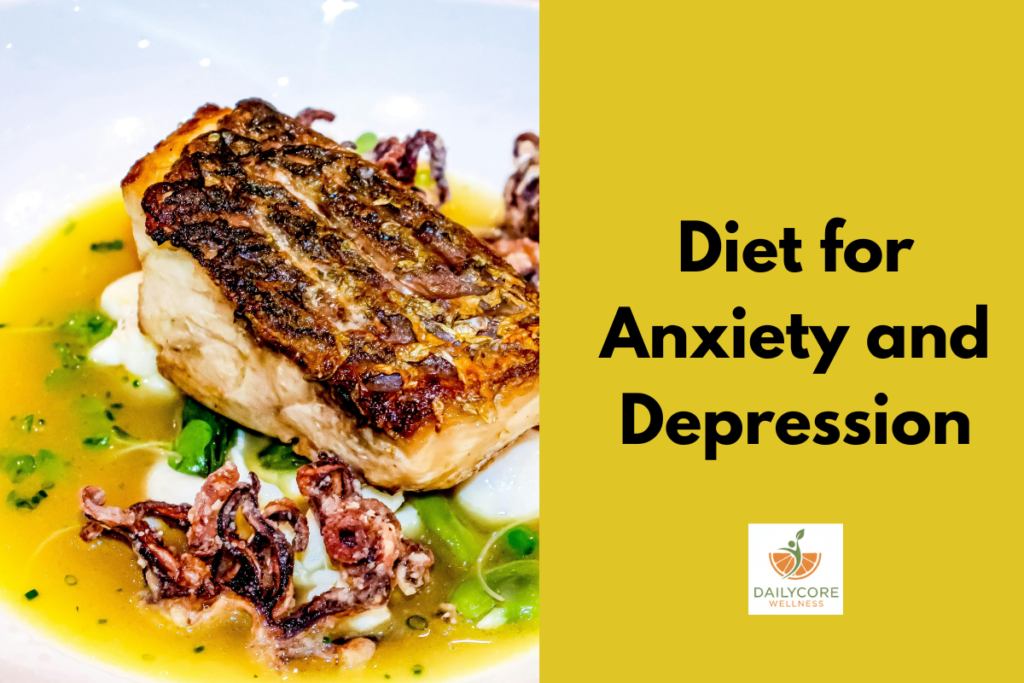
Diet for Anxiety and Depression, 2026
1. Fatty Fish (Salmon, Mackerel)
Fatty fish are rich in omega-3 fatty acids, which play a critical role in brain health and mood regulation. Omega-3s help reduce inflammation and support the production of neurotransmitters such as serotonin and dopamine. Regular consumption has been linked to reduced symptoms of depression and anxiety. Including fatty fish in meals two to three times per week can significantly improve mental health outcomes.
2. Leafy Greens (Spinach, Kale)
Leafy greens are packed with folate, magnesium, and antioxidants that support brain function and reduce stress. Folate is essential for the production of mood-regulating neurotransmitters, while magnesium helps calm the nervous system. Regular intake supports emotional balance and reduces anxiety symptoms.
3. Whole Grains (Oats, Brown Rice)
Whole grains provide complex carbohydrates that help stabilize blood sugar levels and support steady energy. They also promote the production of serotonin, improving mood and reducing anxiety. Including whole grains in meals ensures sustained energy and emotional stability throughout the day.
4. Nuts (Almonds, Walnuts)
Nuts are rich in healthy fats, magnesium, and protein, supporting brain function and reducing stress. They help regulate blood sugar levels and provide sustained energy, which is essential for mental health. Regular consumption supports emotional balance and reduces symptoms of anxiety.
5. Seeds (Chia Seeds, Flaxseeds)
Seeds such as chia seeds and flaxseeds are rich in omega-3 fatty acids, fiber, and essential minerals that support brain health and emotional stability. Omega-3s play a critical role in reducing inflammation and supporting neurotransmitter function, which is essential for regulating mood. These seeds also help stabilize blood sugar levels, preventing energy crashes that can worsen anxiety and depressive symptoms. Their high fiber content supports gut health, which is closely linked to mental well-being through the gut-brain axis. Seeds can be easily incorporated into smoothies, oatmeal, or yogurt, making them a convenient addition to daily meals. Regular consumption contributes to improved cognitive function, reduced stress levels, and better overall mental health.
6. Yogurt (Probiotic-Rich)
Probiotic-rich yogurt plays a significant role in supporting gut health, which directly influences mental health through the gut-brain connection. A healthy gut microbiome helps regulate the production of neurotransmitters such as serotonin, which affects mood and emotional balance. Yogurt also provides protein, calcium, and essential nutrients that support overall well-being. Including probiotic-rich yogurt in your diet helps reduce inflammation, improve digestion, and enhance nutrient absorption. It can be consumed as a snack or combined with fruits and nuts for added nutritional value. Regular intake supports emotional stability, reduces anxiety symptoms, and contributes to improved mental clarity and resilience against stress.
7. Berries (Blueberries, Strawberries)
Berries are rich in antioxidants, vitamins, and phytochemicals that protect the brain from oxidative stress and inflammation. These compounds help improve cognitive function and reduce symptoms of anxiety and depression. Berries also support blood sugar regulation, which is essential for maintaining stable energy levels and mood. Their natural sweetness makes them a healthy alternative to processed sugars, which can negatively impact mental health. Berries can be added to smoothies, cereals, or eaten as snacks. Regular consumption supports improved brain health, enhanced mood, and reduced risk of mental health disorders, making them a valuable component of a diet for anxiety and depression.
8. Dark Chocolate
Dark chocolate contains compounds such as flavonoids and small amounts of caffeine that can enhance mood and improve brain function. It stimulates the production of serotonin and endorphins, which help reduce stress and promote feelings of happiness. Dark chocolate also contains magnesium, which supports relaxation and reduces anxiety. Consuming dark chocolate in moderation can provide mental health benefits without excessive sugar intake. It is best to choose varieties with high cocoa content for maximum benefits. Including dark chocolate occasionally in your diet can help improve mood, reduce stress levels, and support overall emotional well-being.
9. Eggs
Eggs are a nutrient-dense food that provides high-quality protein, choline, and B vitamins, all of which are essential for brain health. Choline supports the production of neurotransmitters that regulate mood and memory, while B vitamins help reduce stress and improve mental clarity. Eggs also help maintain stable blood sugar levels, preventing mood swings and energy crashes. They are versatile and can be prepared in various ways, making them easy to include in daily meals. Regular consumption supports improved cognitive function, emotional stability, and overall mental health, making eggs a valuable part of a diet for anxiety and depression.
10. Bananas
Bananas are rich in vitamin B6, which plays a key role in the production of serotonin, a neurotransmitter that regulates mood. They also provide natural carbohydrates that help maintain stable blood sugar levels and provide quick energy. Bananas contain potassium, which supports nerve function and helps reduce stress. Their fiber content aids digestion and supports gut health, which is linked to mental well-being. Bananas are convenient and can be consumed as snacks or added to smoothies and meals. Regular intake supports improved mood, reduced anxiety, and sustained energy levels throughout the day.
11. Avocados
Avocados are rich in healthy monounsaturated fats, which support brain health and hormone regulation. These fats help maintain the integrity of brain cells and improve communication between neurons. Avocados also contain potassium and B vitamins that support energy production and reduce stress. Their nutrient density makes them beneficial for stabilizing blood sugar levels and preventing mood swings. Including avocados in meals such as salads or spreads contributes to improved cognitive function, reduced anxiety, and better emotional balance, making them an essential component of a mental health-supportive diet.
12. Green Tea
Green tea contains L-theanine, an amino acid that promotes relaxation without causing drowsiness. It also contains antioxidants that support brain health and reduce inflammation. The combination of L-theanine and moderate caffeine helps improve focus and reduce stress levels. Drinking green tea regularly can help manage anxiety symptoms and improve overall mental clarity. It is a healthier alternative to sugary beverages and supports hydration. Including green tea in your daily routine contributes to a calm and balanced mental state while supporting long-term brain health.
13. Turmeric
Turmeric contains curcumin, a powerful anti-inflammatory compound that supports brain health and reduces symptoms of depression. Curcumin helps increase levels of brain-derived neurotrophic factor (BDNF), which supports neuron growth and function. It also enhances serotonin and dopamine levels, improving mood and emotional stability. Including turmeric in meals, especially when combined with black pepper for better absorption, supports reduced inflammation and improved mental health. Regular consumption contributes to better cognitive function and resilience against stress and anxiety.
14. Oranges
Oranges are rich in vitamin C, which helps reduce cortisol levels and manage stress. Vitamin C also supports immune function and protects the brain from oxidative stress. The natural sugars in oranges provide energy, while fiber supports digestion and stable blood sugar levels. Including oranges in your diet helps improve mood, reduce anxiety, and support overall health. They are easy to consume as snacks or in juices, making them a convenient addition to a mental health-supportive diet.
15. Spinach
Spinach is a leafy green rich in magnesium, folate, and iron, all of which support brain function and emotional stability. Magnesium helps regulate the nervous system and reduce anxiety, while folate supports neurotransmitter production. Spinach also contains antioxidants that protect brain cells from damage. Including spinach in meals helps improve nutrient intake and supports overall mental well-being. It can be consumed raw, cooked, or blended into smoothies, making it a versatile addition to the diet.
16. Sweet Potatoes
Sweet potatoes provide complex carbohydrates that support stable blood sugar levels and sustained energy. They are also rich in fiber, vitamins, and antioxidants that support brain health. The steady release of energy from sweet potatoes helps prevent mood swings and reduces symptoms of anxiety. Including them in meals supports emotional balance and overall well-being.
17. Walnuts
Walnuts are rich in omega-3 fatty acids, which support brain health and reduce inflammation. They also provide antioxidants and essential nutrients that improve cognitive function. Regular consumption supports improved mood, reduced anxiety, and better overall mental health.
18. Fermented Foods (Kimchi, Sauerkraut)
Fermented foods provide probiotics that support gut health and improve the gut-brain connection. A healthy gut microbiome helps regulate mood and reduce anxiety. Including fermented foods in your diet supports digestion and emotional well-being.
19. Oats
Oats provide complex carbohydrates that support serotonin production and stable energy levels. They also contain fiber and nutrients that support digestion and mental health. Including oats in meals helps improve mood and reduce anxiety symptoms.
20. Garlic
Garlic contains antioxidants and compounds that support immune function and reduce inflammation. It also contributes to improved gut health, which is linked to mental well-being. Including garlic in meals supports overall health and emotional balance.
21. Brown Rice
Brown rice is a whole grain that provides complex carbohydrates essential for stabilizing blood sugar levels and supporting steady energy throughout the day. This stability plays a key role in reducing mood swings and preventing anxiety triggers caused by sudden drops in glucose levels. Brown rice also contains B vitamins, which are crucial for brain function and neurotransmitter production. Its fiber content supports gut health, which is directly linked to mental well-being through the gut-brain axis. Including brown rice in meals helps promote calmness, improve focus, and maintain emotional balance, making it a reliable staple in a diet designed to manage anxiety and depression.
22. Sunflower Seeds
Sunflower seeds are rich in magnesium, selenium, and vitamin E, all of which support brain health and reduce symptoms of anxiety. Magnesium, in particular, plays a critical role in calming the nervous system and reducing stress levels. These seeds also contain healthy fats that support cognitive function and help regulate mood. Their antioxidant content protects brain cells from oxidative stress, which is often linked to depression. Sunflower seeds are easy to incorporate into daily meals, whether added to salads, yogurt, or consumed as snacks. Regular intake supports improved emotional stability, reduced stress, and enhanced overall mental well-being.
23. Turkey
Turkey is a high-protein food that contains tryptophan, an amino acid essential for the production of serotonin, the neurotransmitter responsible for regulating mood and promoting relaxation. Adequate serotonin levels are crucial for reducing symptoms of depression and anxiety. Turkey also provides B vitamins and minerals that support brain function and energy metabolism. Including turkey in meals helps maintain stable energy levels and supports emotional balance. It can be grilled, roasted, or added to various dishes, making it a versatile and beneficial addition to a mental health-focused diet. Regular consumption contributes to improved mood and reduced stress levels.
24. Cottage Cheese
Cottage cheese is a protein-rich food that supports stable blood sugar levels and sustained energy, both of which are important for managing anxiety and depression. It also contains B vitamins that support brain health and neurotransmitter function. The protein content helps prevent energy crashes that can negatively affect mood. Cottage cheese can be combined with fruits, nuts, or whole grains to create balanced meals or snacks. Including it regularly in the diet contributes to improved emotional stability, better focus, and enhanced overall well-being, making it a valuable addition to a diet aimed at supporting mental health.
25. Apples
Apples are rich in fiber, antioxidants, and natural sugars that provide steady energy and support brain function. Their fiber content helps regulate blood sugar levels, preventing mood swings and energy crashes that can worsen anxiety. Apples also contain compounds that reduce inflammation and support overall health. They are convenient and can be consumed as snacks or added to meals. Regular consumption contributes to improved digestion, stable energy levels, and better emotional balance, making apples a simple yet effective component of a diet for anxiety and depression.
26. Pumpkin
Pumpkin is rich in antioxidants, fiber, and essential vitamins that support brain health and emotional well-being. It contains magnesium and potassium, which help regulate stress and support nerve function. Pumpkin also provides complex carbohydrates that contribute to stable blood sugar levels and sustained energy. Including pumpkin in meals such as soups, purees, or baked dishes supports improved mood and reduced anxiety symptoms. Its nutrient density makes it a valuable addition to a balanced diet focused on mental health and overall wellness.
27. Coconut (and Coconut Oil)
Coconut and its derivatives provide healthy fats that support brain function and energy production. Medium-chain triglycerides (MCTs) found in coconut oil are quickly converted into energy, supporting cognitive performance and mental clarity. These fats also help stabilize blood sugar levels, reducing mood fluctuations. Including coconut products in moderation supports sustained energy and improved mental resilience. They can be used in cooking, smoothies, or snacks. Regular consumption contributes to better brain function and emotional balance, making coconut a beneficial addition to a diet for anxiety and depression.
28. Papaya
Papaya is rich in vitamin C, antioxidants, and digestive enzymes that support gut health and reduce inflammation. Vitamin C helps lower cortisol levels, reducing stress and improving mood. The digestive benefits of papaya enhance nutrient absorption, which is essential for overall mental health. Including papaya in meals or snacks supports hydration, energy levels, and emotional stability. Regular intake contributes to improved mood and reduced anxiety, making it a valuable fruit in a mental health-supportive diet.
29. Carrots
Carrots are rich in beta-carotene and antioxidants that support brain health and reduce oxidative stress. These nutrients help protect brain cells and support cognitive function. Carrots also provide fiber, which aids digestion and supports gut health. Including carrots in meals helps maintain stable energy levels and contributes to overall well-being. They can be eaten raw, cooked, or added to various dishes. Regular consumption supports improved mood, reduced stress, and better mental clarity.
30. Zucchini
Zucchini is a low-calorie vegetable rich in vitamins, minerals, and antioxidants that support brain function and overall health. Its high water content aids hydration, which is essential for optimal cognitive performance. Zucchini also contains fiber that supports digestion and gut health, contributing to improved mental well-being. Including zucchini in meals helps enhance nutrient intake without adding excess calories. Regular consumption supports stable energy levels, improved mood, and reduced symptoms of anxiety and depression.
31. Lentils
Lentils are a powerhouse of plant-based nutrition, offering a rich supply of iron, protein, and complex carbohydrates that support brain function and emotional stability. Iron is particularly important in preventing fatigue and improving oxygen delivery to the brain, which can directly impact mood and cognitive performance. Lentils also help regulate blood sugar levels, preventing sudden spikes and crashes that can trigger anxiety symptoms. Their high fiber content supports gut health, which plays a critical role in mental well-being through the gut-brain axis. Including lentils in soups, stews, or salads ensures consistent nutrient intake, helping to reduce symptoms of depression and promote sustained energy levels throughout the day.
32. Chickpeas
33. Mushrooms
Mushrooms are a valuable addition to a diet for anxiety and depression due to their content of B vitamins, antioxidants, and, in some varieties, vitamin D. B vitamins play a key role in neurotransmitter production, helping regulate mood and reduce stress. Vitamin D is particularly important, as low levels are often associated with depression and fatigue. Mushrooms also contain compounds that help reduce inflammation, which has been linked to mental health disorders. They are versatile and can be included in soups, stir-fries, or salads. Regular consumption supports improved brain function, enhanced immunity, and better emotional stability, making mushrooms a beneficial food for overall mental wellness.
34. Bell Peppers
Bell peppers are rich in vitamin C and antioxidants that help reduce oxidative stress and support brain health. Vitamin C plays a crucial role in lowering cortisol levels, the hormone associated with stress, thereby helping to reduce anxiety symptoms. Bell peppers also contribute to improved immune function and overall vitality. Their natural sweetness and vibrant colors make them an appealing addition to meals, whether consumed raw, roasted, or sautéed. Including bell peppers in your diet helps enhance nutrient intake, stabilize mood, and promote emotional balance. Regular consumption supports mental clarity and reduces the risk of mood fluctuations associated with nutrient deficiencies.
35. Kiwi
Kiwi is a nutrient-dense fruit that provides a high amount of vitamin C, antioxidants, and fiber, all of which support mental health. Vitamin C helps regulate stress hormones and improves mood, while antioxidants protect brain cells from damage. Kiwi has also been linked to improved sleep quality, which is essential for emotional regulation and mental resilience. Its fiber content supports digestion and gut health, further enhancing the gut-brain connection. Including kiwi in your daily diet, either as a snack or part of meals, contributes to improved mood, reduced anxiety, and better overall mental well-being.
36. Pineapple
Pineapple contains vitamin C and bromelain, an enzyme with anti-inflammatory properties that supports brain health. It also contributes to serotonin production, helping improve mood and reduce symptoms of anxiety and depression. The natural sugars in pineapple provide a quick energy boost without causing drastic blood sugar spikes when consumed in moderation. Pineapple can be eaten fresh, added to smoothies, or incorporated into meals for a refreshing and nutritious option. Regular consumption supports emotional balance, reduces stress, and contributes to overall mental wellness, making pineapple a beneficial fruit in a diet focused on improving mood and mental health.
37. Almonds
Almonds are rich in magnesium, healthy fats, and protein, all of which support brain function and help reduce anxiety. Magnesium plays a key role in calming the nervous system and regulating stress responses. Almonds also provide sustained energy, helping prevent blood sugar fluctuations that can affect mood. They are convenient as snacks and can be added to meals such as salads, yogurt, or oatmeal. Regular consumption supports improved cognitive function, reduced stress levels, and enhanced emotional stability, making almonds a valuable addition to a diet for anxiety and depression.
38. Black Beans
Black beans are a nutrient-dense source of plant-based protein, iron, and fiber, which contribute to improved brain function and energy levels. Iron supports oxygen transport to the brain, while fiber helps regulate blood sugar levels, preventing mood swings. Black beans also support gut health, which is closely linked to mental well-being. They can be used in soups, salads, or main dishes, offering versatility and nutritional benefits. Regular consumption supports improved mood, reduced fatigue, and better overall mental health, making black beans an essential component of a balanced diet for managing anxiety and depression.
39. Whole Grain Pasta
Whole grain pasta provides complex carbohydrates that support the production of serotonin, a neurotransmitter that regulates mood and promotes relaxation. Unlike refined carbohydrates, whole grains release energy slowly, helping maintain stable blood sugar levels and preventing mood swings. Whole grain pasta also contains fiber and essential nutrients that support digestion and overall health. Including it in balanced meals helps improve energy levels, reduce anxiety symptoms, and support emotional stability. Regular consumption contributes to better mental clarity and sustained well-being.
40. Herbal Teas (Chamomile, Peppermint)
Herbal teas such as chamomile and peppermint are known for their calming and soothing properties. Chamomile, in particular, has been shown to reduce anxiety and improve sleep quality, while peppermint helps relieve stress and improve focus. These teas are caffeine-free, making them suitable for relaxation, especially in the evening. Drinking herbal tea regularly supports hydration, reduces tension, and promotes a sense of calm. Including herbal teas in your daily routine can significantly enhance emotional well-being, improve sleep patterns, and help manage symptoms of anxiety and depression naturally.